Akther Fahima, Little Peter, Li Zhiyong, Nguyen Nam-Trung, Ta Hang T
Australian Institute for Bioengineering and Nanotechnology, The University of Queensland Brisbane Queensland Australia
Queensland Micro- and Nanotechnology Centre, Griffith University Brisbane Queensland Australia
RSC Adv. 2020 Dec 8;10(71):43682-43703. doi: 10.1039/d0ra08566a. eCollection 2020 Nov 27.
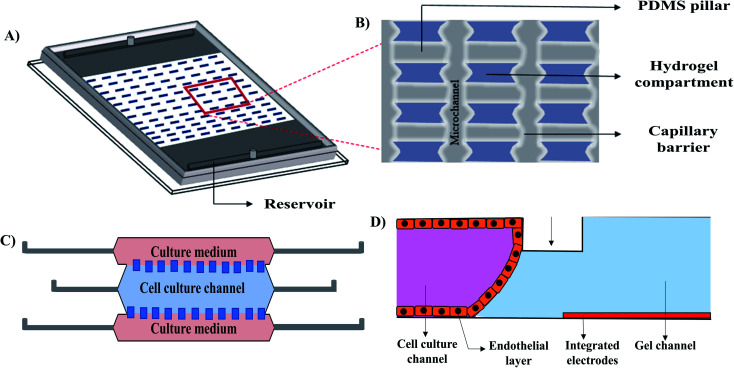
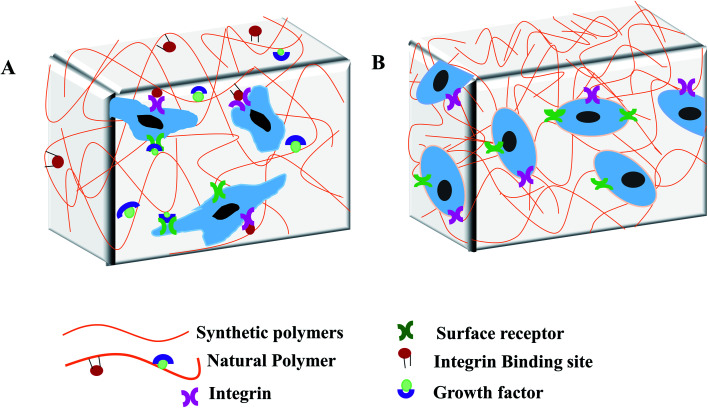
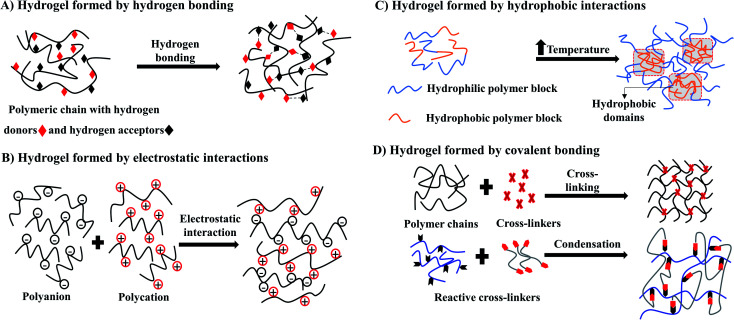
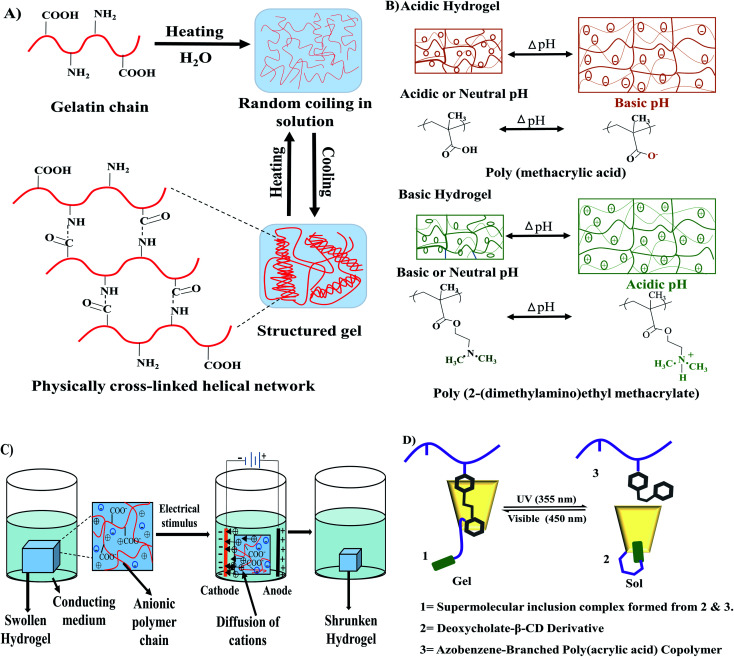
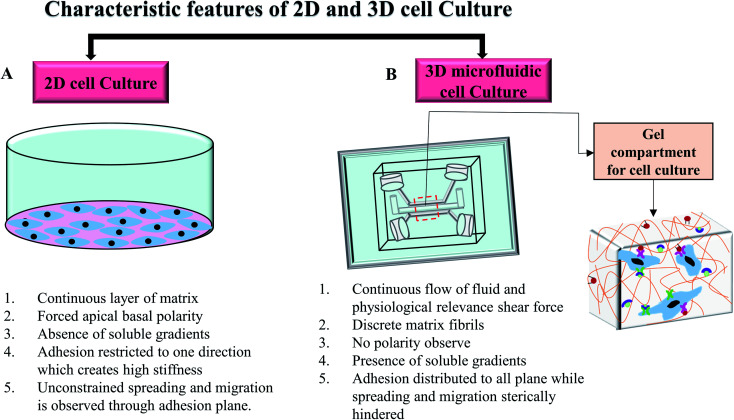
Hydrogel-based artificial scaffolds play a vital role in shifting models from two-dimensional (2D) cell culture to three-dimensional (3D) cell culture. Microfluidic 3D cell culture systems with a hydrogel matrix encourage biomedical researchers to replace models with 3D models with a cellular microenvironment that resembles physiological conditions with greater fidelity. Hydrogels can be designed as an artificial extracellular matrix scaffold for providing spatial orientation and promoting cellular interactions with surroundings. Selecting the appropriate hydrogels and their fabrication techniques are the key to mimic the mechanical environment. Moreover, combining a microfluidic technique with a hydrogel-based 3D cell culture system can create a complex and controlled microenvironment for the cells by placing small biosamples inside the microchannel. This paper provides an overview of the structural similarities of the hydrogels as an extracellular matrix (ECM), their classification and fabrication techniques as an ECM, and their use in microfluidic 3D cell culture systems. Finally, the paper presents the current challenges and future perspectives of using hydrogel scaffolds in microfluidic 3D cell culture systems.
基于水凝胶的人工支架在将模型从二维(2D)细胞培养转变为三维(3D)细胞培养方面发挥着至关重要的作用。具有水凝胶基质的微流控3D细胞培养系统促使生物医学研究人员用具有更高保真度、类似生理条件的细胞微环境的3D模型取代原有的模型。水凝胶可被设计成一种人工细胞外基质支架,用于提供空间定向并促进细胞与周围环境的相互作用。选择合适的水凝胶及其制备技术是模拟机械环境的关键。此外,将微流控技术与基于水凝胶的3D细胞培养系统相结合,可以通过将小生物样品放置在微通道内为细胞创建一个复杂且可控的微环境。本文概述了水凝胶作为细胞外基质(ECM)的结构相似性、其作为ECM的分类和制备技术,以及它们在微流控3D细胞培养系统中的应用。最后,本文介绍了在微流控3D细胞培养系统中使用水凝胶支架目前面临的挑战和未来前景。