University of Virginia School of Medicine, Charlottesville, VA, United States.
Department of Emergency Medicine University of Virginia Health Systems, Charlottesville, VA, United States.
Am J Emerg Med. 2022 Jul;57:91-97. doi: 10.1016/j.ajem.2022.04.033. Epub 2022 May 1.
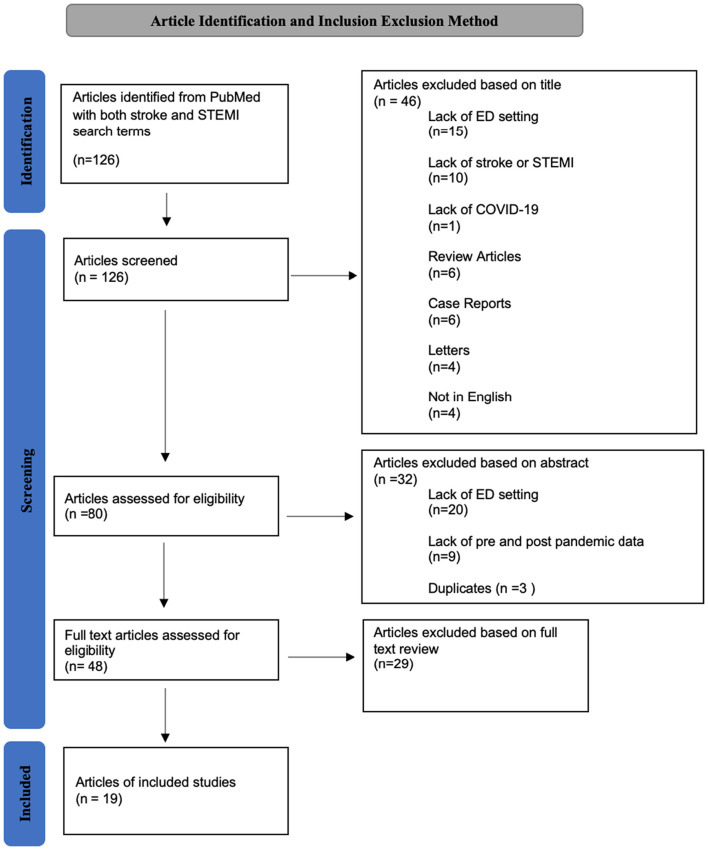
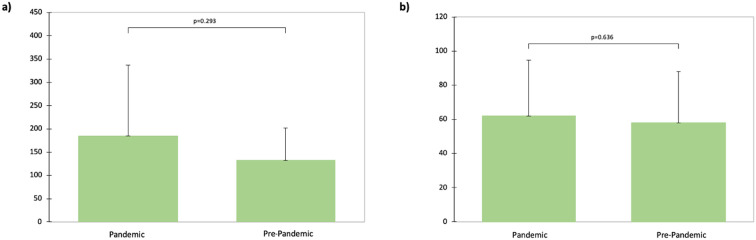
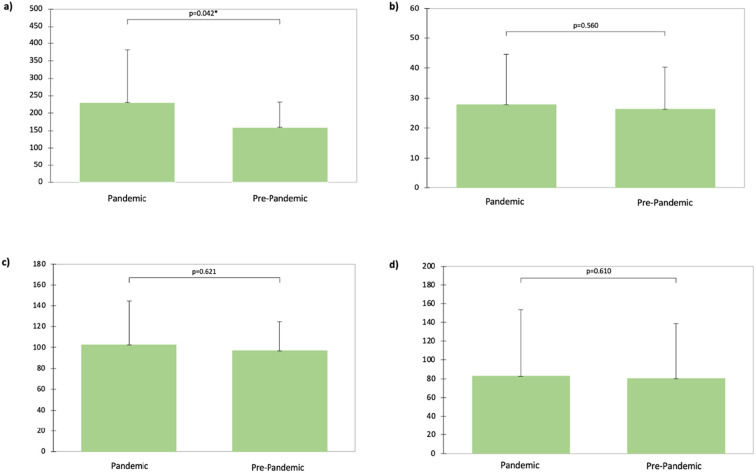
The novel coronavirus of 2019 (COVID-19) has resulted in a global pandemic; COVID-19 has resulted in significant challenges in the delivery of healthcare, including emergency management of multiple diagnoses, such as stroke and ST-segment myocardial infarction (STEMI). The aim of this study was to identify the impacts of the COVID-19 pandemic on emergency department care of stroke and STEMI patients. In this study a review of the available literature was performed using pre-defined search terms, inclusion criteria, and exclusion criteria. Our analysis, using a narrative review format, indicates that there was not a significant change in time required for key interventions for stroke and STEMI emergent management, including imaging (door-to-CT), tPA administration (door-to-needle), angiographic reperfusion (door-to-puncture), and percutaneous coronary intervention (door-to-balloon). Potential future areas of investigation include how emergency department (ED) stroke and STEMI care has adapted in response to different COVID-19 variants and stages of the pandemic, as well as identifying strategies used by EDs that were successful in providing effective emergency care in the face of the pandemic.
2019 年新型冠状病毒(COVID-19)引发了全球大流行;COVID-19 给医疗保健的提供带来了重大挑战,包括对中风和 ST 段抬高型心肌梗死(STEMI)等多种疾病的紧急管理。本研究旨在确定 COVID-19 大流行对中风和 STEMI 患者急诊护理的影响。在这项研究中,我们使用预先定义的搜索词、纳入标准和排除标准对现有文献进行了回顾。我们的分析采用叙述性综述的形式表明,中风和 STEMI 紧急管理的关键干预措施的时间(包括影像学检查[从进入急诊室到进行 CT 检查]、tPA 给药[从进入急诊室到进行溶栓治疗]、血管造影再灌注[从进入急诊室到进行穿刺]和经皮冠状动脉介入治疗[从进入急诊室到球囊扩张])并没有显著变化。未来潜在的研究领域包括急诊科(ED)中风和 STEMI 护理如何针对不同的 COVID-19 变体和大流行阶段进行调整,以及确定 ED 在面对大流行时成功提供有效急救护理所采用的策略。