Prion Research Group, Department of Neurology, National Reference Center for Surveillance of TSE, Universitätsklinikum Göttingen: Universitätsmedizin Göttingen, Georg-August University, Göttingen, Germany, Robert-Koch-Strasse 40, 37075, Göttingen, Germany.
Hannover Medical School, Medizinische Hochschule Hannover, Hannover, Germany.
Transl Neurodegener. 2022 May 9;11(1):28. doi: 10.1186/s40035-022-00301-5.
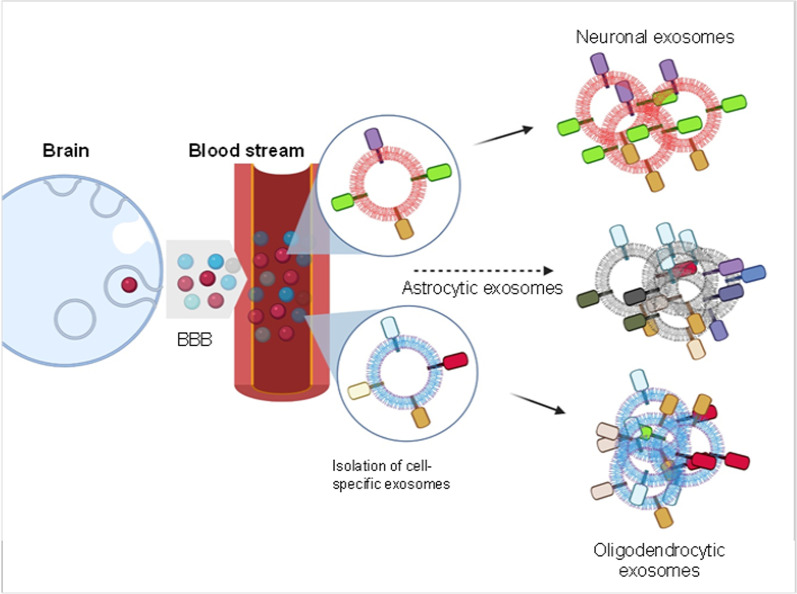
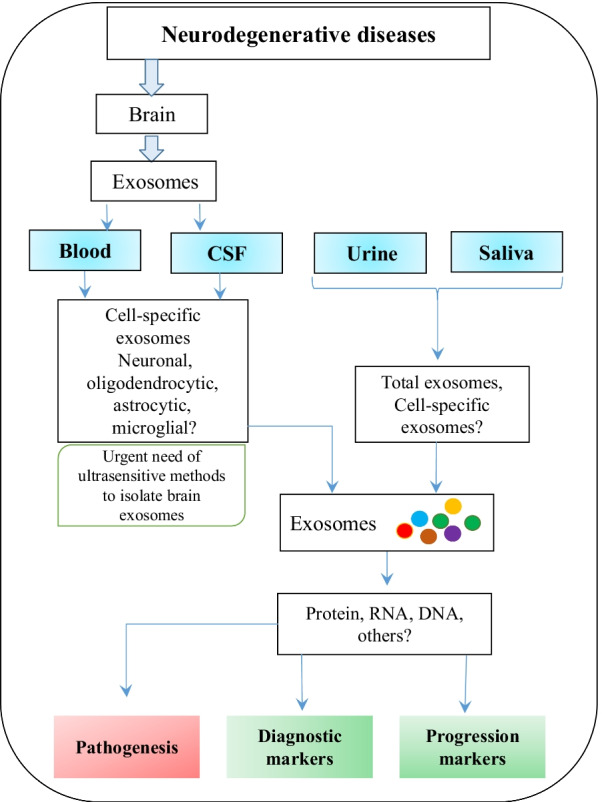
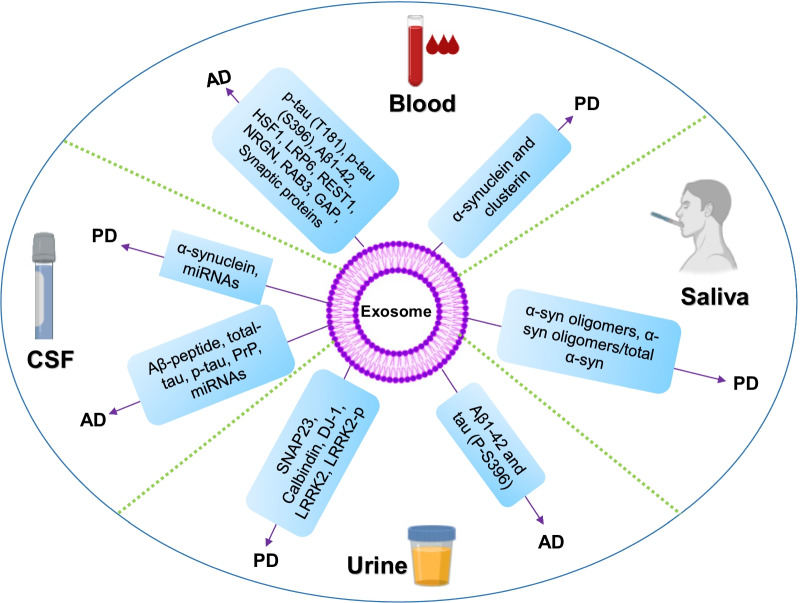
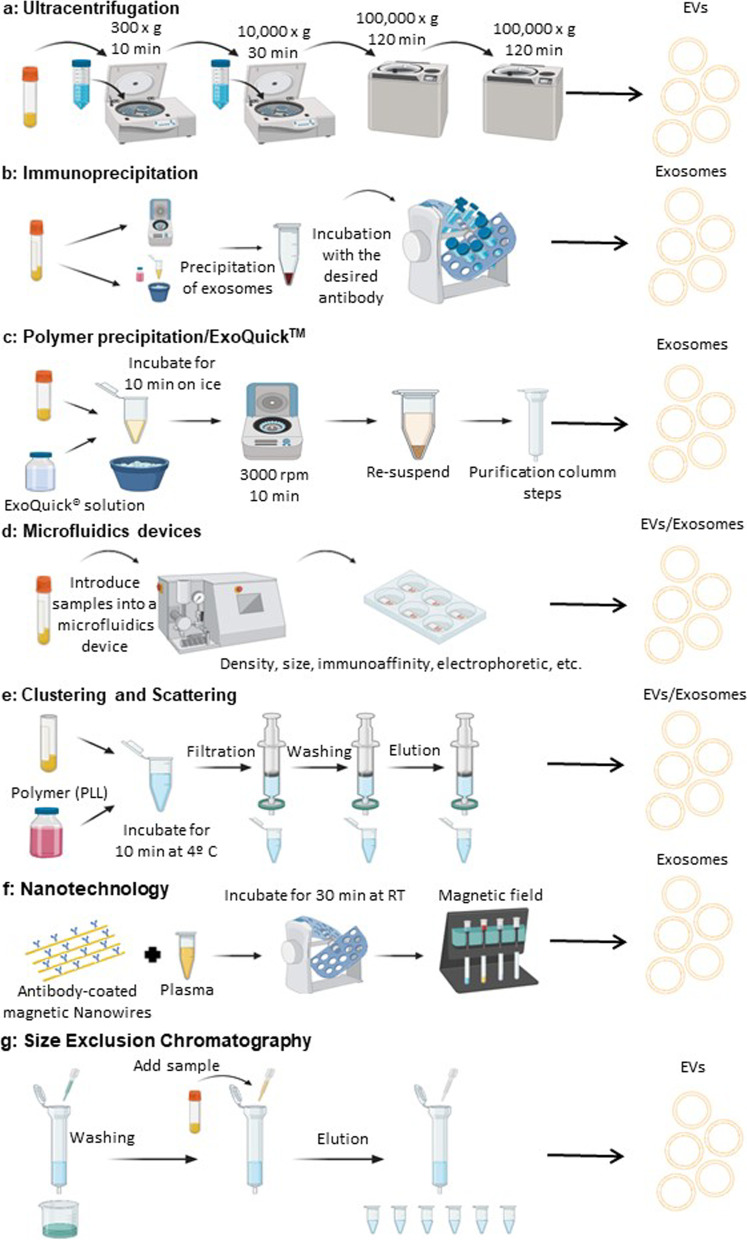
Neurodegenerative diseases are a heterogeneous group of maladies, characterized by progressive loss of neurons. These diseases involve an intricate pattern of cross-talk between different types of cells to maintain specific signaling pathways. A component of such intercellular cross-talk is the exchange of various types of extracellular vesicles (EVs). Exosomes are a subset of EVs, which are increasingly being known for the role they play in the pathogenesis and progression of neurodegenerative diseases, e.g., synucleinopathies and tauopathies. The ability of the central nervous system exosomes to cross the blood-brain barrier into blood has generated enthusiasm in their study as potential biomarkers. However, the lack of standardized, efficient, and ultra-sensitive methods for the isolation and detection of brain-derived exosomes has hampered the development of effective biomarkers. Exosomes mirror heterogeneous biological changes that occur during the progression of these incurable illnesses, potentially offering a more comprehensive outlook of neurodegenerative disease diagnosis, progression and treatment. In this review, we aim to discuss the challenges and opportunities of peripheral biofluid-based brain-exosomes in the diagnosis and biomarker discovery of Alzheimer's and Parkinson's diseases. In the later part, we discuss the traditional and emerging methods used for the isolation of exosomes and compare their advantages and disadvantages in clinical settings.
神经退行性疾病是一组异质性疾病,其特征是神经元进行性丧失。这些疾病涉及不同类型细胞之间复杂的串扰模式,以维持特定的信号通路。这种细胞间串扰的一个组成部分是各种类型的细胞外囊泡 (EVs) 的交换。外泌体是 EVs 的一个子集,它们在神经退行性疾病的发病机制和进展中所起的作用越来越受到关注,例如,突触核蛋白病和 tau 蛋白病。中枢神经系统外泌体穿过血脑屏障进入血液的能力使其作为潜在生物标志物的研究备受关注。然而,缺乏标准化、高效和超灵敏的方法来分离和检测脑源性外泌体,这阻碍了有效的生物标志物的发展。外泌体反映了这些无法治愈的疾病进展过程中发生的异质生物学变化,可能为神经退行性疾病的诊断、进展和治疗提供更全面的观点。在这篇综述中,我们旨在讨论基于外周生物流体的脑外泌体在阿尔茨海默病和帕金森病诊断和生物标志物发现中的挑战和机遇。在后半部分,我们讨论了用于分离外泌体的传统和新兴方法,并比较了它们在临床环境中的优缺点。