Li Xunhua, Li Xing, Zhou Zhonghan, Zhao Hui, Liao Limin
Department of Urology, China Rehabilitation Research Center, School of Rehabilitation, Capital Medical University, Beijing, China.
University of Health and Rehabilitation Sciences, Qingdao, China.
Front Neurol. 2022 Apr 13;13:872200. doi: 10.3389/fneur.2022.872200. eCollection 2022.
To evaluate the preliminary efficacy, safety, and acceptability of a transcutaneous tibial nerve stimulation (TTNS) device in overactive bladder (OAB) patients.
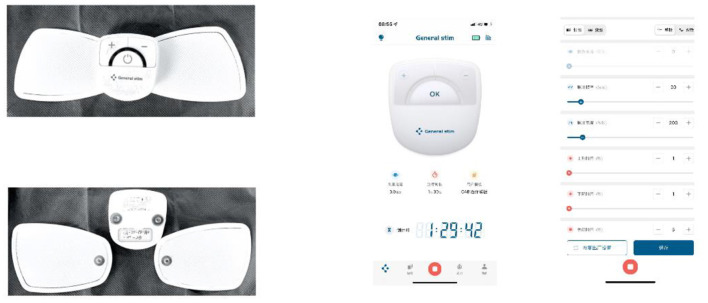
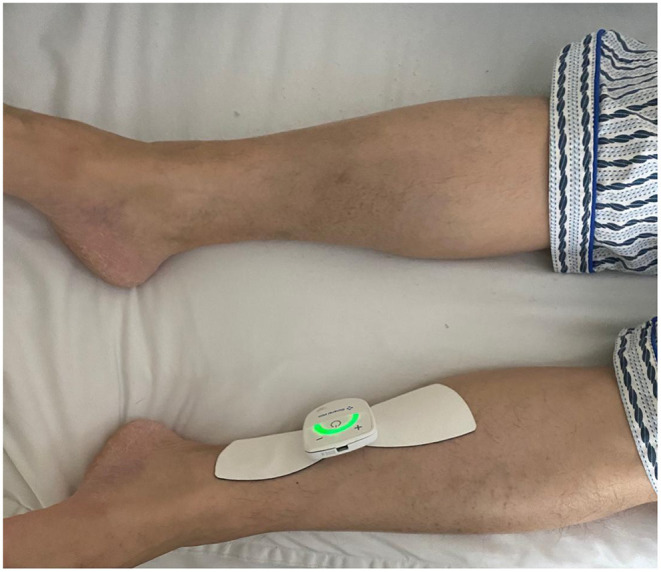
Twenty OAB patients who failed with conservative treatments were recruited consecutively. All patients received 60 min of daily unilateral stimulation for 4 weeks using a smart wearable transcutaneous tibial nerve stimulation device and the stimulations were at 20 Hz frequency, 200 μs pulse width. OAB symptoms were observed at baseline and week 4, using a 3-days voiding diary, the overactive bladder symptom score (OABSS), the perception of bladder condition (PPBC), and the American Urological Association Symptom Index Quality of Life Score (AUA-SI-QoL). Urodynamic characteristics were measured to determine the pilot efficacy of the device during the treatment comparing the baseline parameters to the post-treatment parameters.
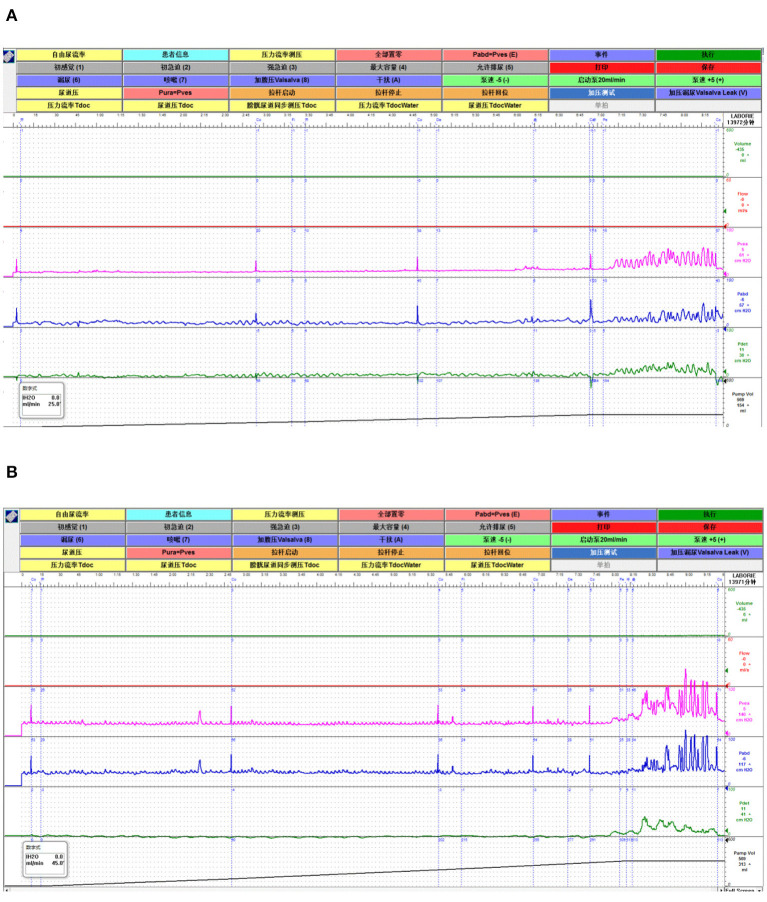
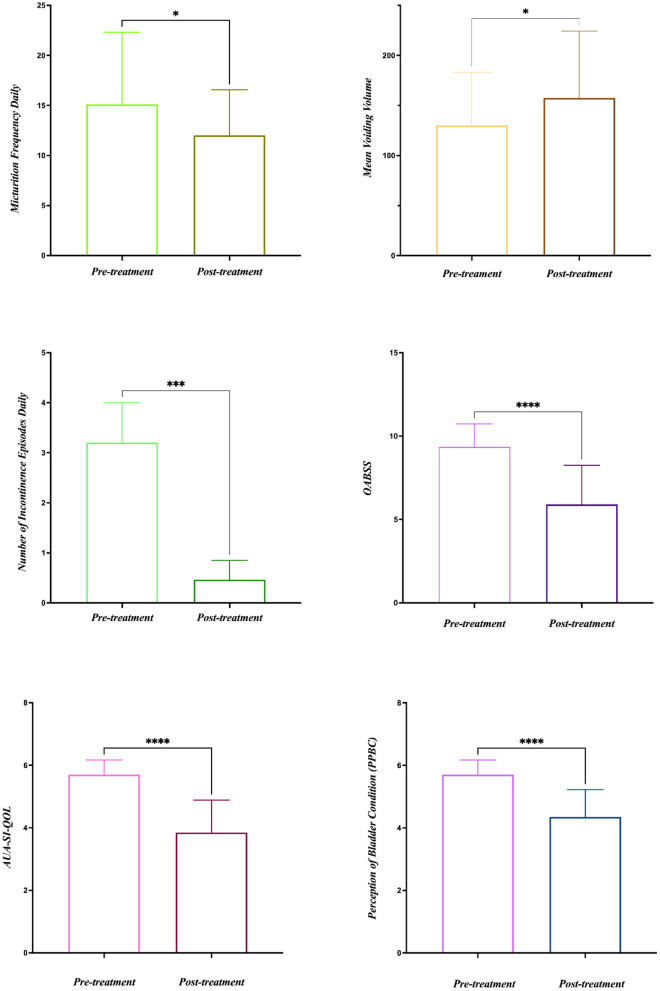
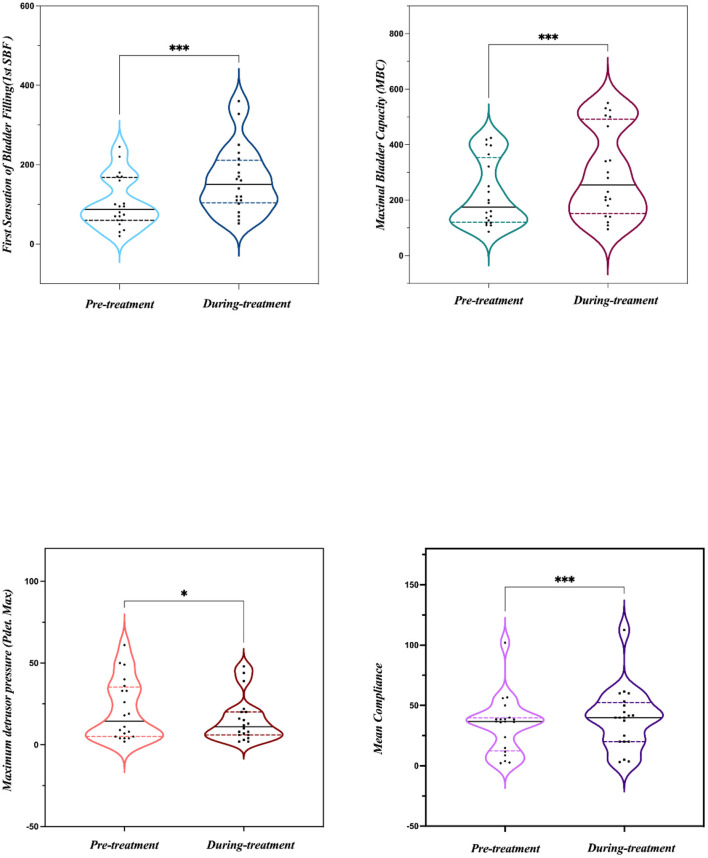
Among the patients, 15 cases were OAB-dry and five cases were OAB-wet. All patients were evaluated at the end of the study and no significant side effects were found during the treatment. The daily micturition frequency and the number of incontinence episodes per day were reduced from 15.10 ± 1.61 to 12.00 ± 4.56, and 3.20 ± 0.80 to 0.47 ± 0.38, respectively. The mean voiding volume was increased from 130.10 ± 53.07 to 157.30 ± 66.95 mL. The OABSS, AUA-SI-QoL, and PPBC were reduced from 9.35 ± 1.39 to 5.9 ± 2.36, 5.70 ± 0.47 to 3.85 ± 1.04, and 5.70 ± 0.47 to 4.35 ± 0.86, respectively. The first sensation of bladder filling (1st SBF), maximal bladder capacity (MBC), and mean compliance were increased from 87.50 (60.00-167.50) to 150.00 (104.00-211.30) mL, 175.00 (120.30-354.00) to 255.00 (151.50-491.50) mL, and 36.67 (12.44-39.69) to 40.00 (20.00-52.50) mL/cmHO, respectively. The maximum detrusor pressure (Pdet. max) was reduced from 14.50 (5.00-35.25) to 11.00 (6.00-20.00) cmHO.
The preliminary results demonstrated that the TTNS device was safe, effective, and acceptable to use in OAB patients, but the results need to be substantiated by conducting more randomized controlled studies further.
评估经皮胫神经刺激(TTNS)装置在膀胱过度活动症(OAB)患者中的初步疗效、安全性和可接受性。
连续招募20例保守治疗失败的OAB患者。所有患者使用智能可穿戴经皮胫神经刺激装置,每天接受60分钟的单侧刺激,持续4周,刺激频率为20Hz,脉冲宽度为200μs。在基线和第4周时,使用3天排尿日记、膀胱过度活动症症状评分(OABSS)、膀胱状况感知(PPBC)以及美国泌尿外科学会症状指数生活质量评分(AUA-SI-QoL)观察OAB症状。测量尿动力学特征,通过比较治疗前后的参数来确定该装置在治疗期间的初步疗效。
患者中,15例为OAB-干性,5例为OAB-湿性。所有患者在研究结束时均接受评估,治疗期间未发现明显副作用。每日排尿频率和每日尿失禁发作次数分别从15.10±1.61降至12.00±4.56,以及从3.20±0.80降至0.47±0.38。平均排尿量从130.10±53.07增加至157.30±66.95mL。OABSS、AUA-SI-QoL和PPBC分别从9.35±1.39降至5.9±2.36,从5.70±0.47降至3.85±1.04,以及从5.70±0.47降至4.35±0.86。首次膀胱充盈感觉(1st SBF)、最大膀胱容量(MBC)和平均顺应性分别从87.50(60.00-167.50)增加至150.00(104.00-211.30)mL,从175.00(120.30-354.00)增加至255.00(151.50-491.50)mL,以及从36.67(12.44-39.69)增加至40.00(20.00-52.50)mL/cmH₂O。最大逼尿肌压力(Pdet.max)从14.50(5.00-35.25)降至11.00(6.00-20.00)cmH₂O。
初步结果表明,TTNS装置在OAB患者中使用安全、有效且可接受,但结果需要通过进一步开展更多随机对照研究来证实。