Department of Pharmaceutics and Pharmaceutical Technology, Faculty of Pharmacy, Future University in Egypt, Cairo, Egypt.
Department of Pharmaceutics and Industrial Pharmacy, Faculty of Pharmacy, Cairo University, Cairo, Egypt.
Drug Deliv. 2022 Dec;29(1):1423-1436. doi: 10.1080/10717544.2022.2069882.
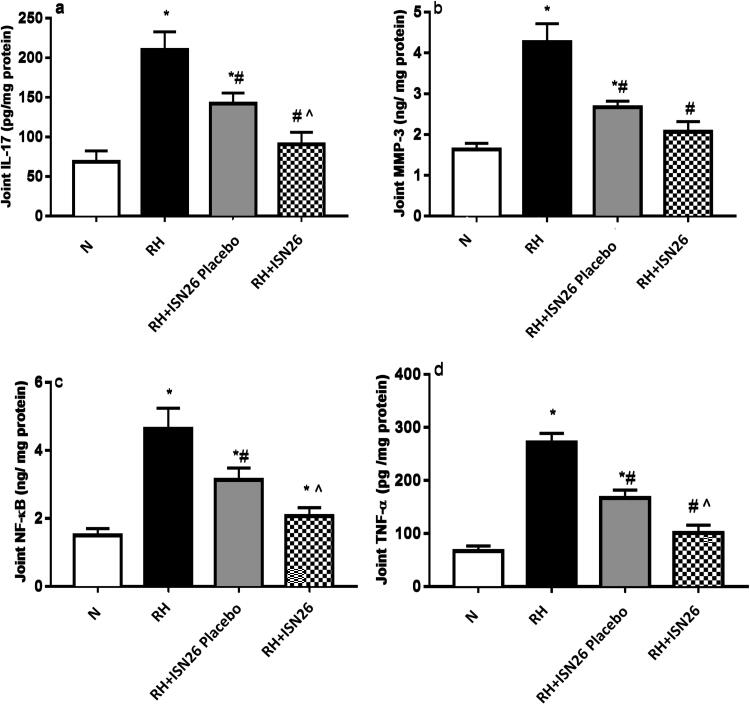
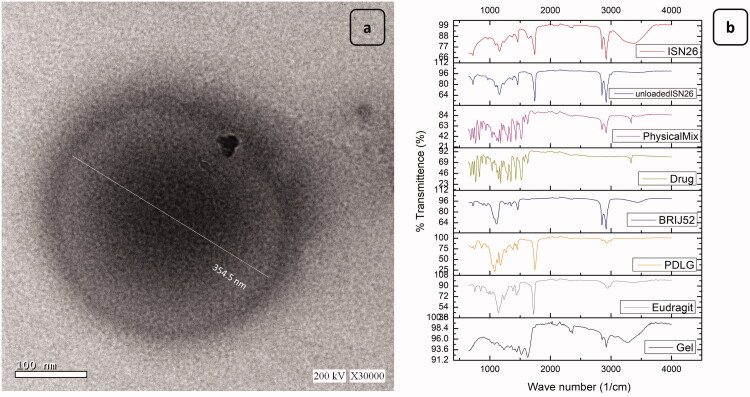
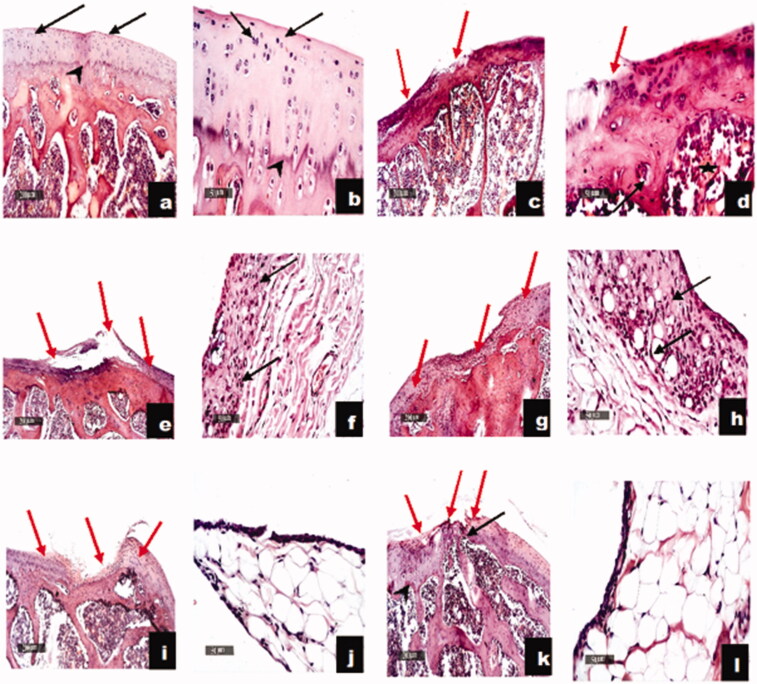
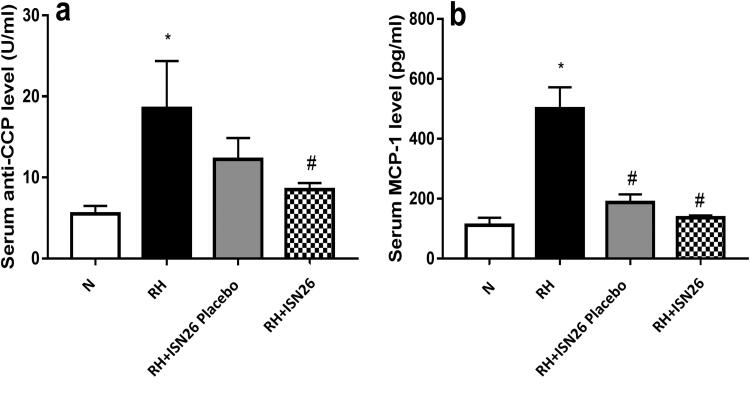
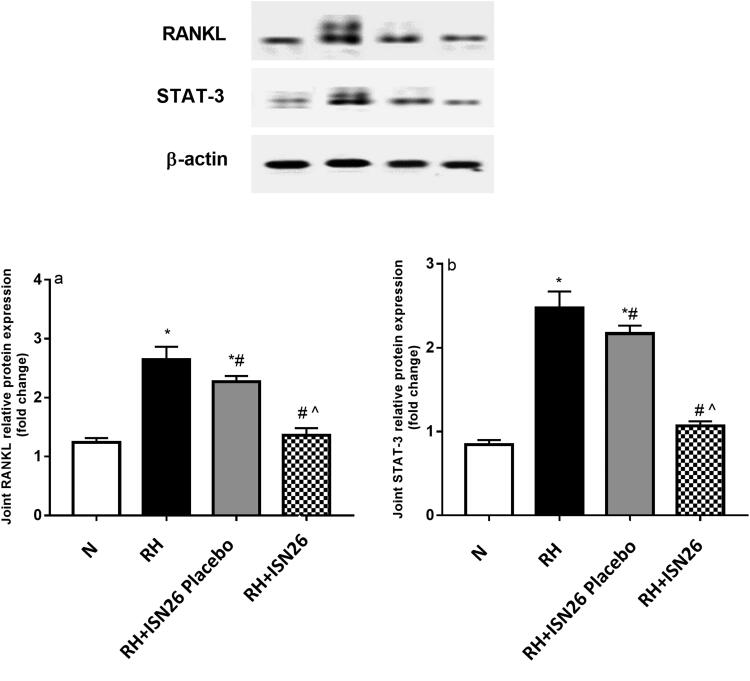
Intra-articular (IA) injection is grasping much interest due to the poor drug bioavailability at the targeted site of action which minimizes the effect of the orally administered moiety. Based on the integral role of non-steroidal anti-inflammatory drugs (NSAIDs) in the treatment of Rheumatoid Arthritis (RA), much effort is exerted to develop novel localized drug delivery systems to increase their bioavailability and minimize their side effects. Artificial intelligence (AI) is acquiring an increasing role in the design of experiments being an effective tool for saving both time and resources. Hence, the aim of this work was to develop, characterize and optimize targeted forming nano particles (ISNs) for IA delivery of piroxicam using Design Expert as an AI-based application where a 3 full factorial experimental design was adopted. Morphological investigation, injectability, rheological studies, Fourier Transform Infrared Radiation (FTIR) as well as biological, histopathological, and biochemical examinations were performed to evaluate the optimized-ISNs. The optimized formulation, exhibiting a nano-sized particle size with a dense core, showed significant improvement in the histopathological findings compared to both the oral solution and the placebo. Additionally, the once-a-week IA administration of the optimized-ISNs proved a significant reduction in the protein expression of both STAT-3 and RANKL and the levels of anti-CCP and MCP-1 by almost 54 and 73%, respectively, coupled with a marked decline in the content of IL-17, MMP-3, NF-κB and TNF-α as compared to the positive control. In conclusion, the use of ISNs for intra-articular injection has demonstrated their effectiveness in piroxicam delivery for RA treatment.
关节内(IA)注射因其在作用部位的药物生物利用度差而引起广泛关注,这最大限度地降低了口服部分的效果。基于非甾体抗炎药(NSAIDs)在类风湿关节炎(RA)治疗中的重要作用,人们付出了很大努力来开发新型局部药物递送系统,以提高其生物利用度并降低其副作用。人工智能(AI)在实验设计中扮演着越来越重要的角色,是节省时间和资源的有效工具。因此,本工作旨在使用 Design Expert 作为基于 AI 的应用程序来开发、表征和优化用于吡罗昔康关节内递送的靶向纳米粒子(ISNs),其中采用了 3 全因子实验设计。进行形态学研究、可注射性、流变学研究、傅里叶变换红外辐射(FTIR)以及生物学、组织病理学和生物化学检查,以评估优化的-ISNs。优化的制剂具有纳米级的粒径和致密的核,与口服溶液和安慰剂相比,在组织病理学发现方面有显著改善。此外,每周一次的 IA 给予优化的-ISNs 证明,与阳性对照相比,STAT-3 和 RANKL 的蛋白表达以及抗-CCP 和 MCP-1 的水平分别降低了近 54%和 73%,同时,IL-17、MMP-3、NF-κB 和 TNF-α 的含量也显著下降。总之,IA 内使用 ISNs 已证明其在 RA 治疗中用于吡罗昔康递送的有效性。