State Key Laboratory of Oncology in South China, Collaborative Innovation Center for Cancer Medicine, Guangdong Key Laboratory of Nasopharyngeal Carcinoma Diagnosis and Therapy, Sun Yat-sen University Cancer Center, Guangzhou, China.
Université Côte d'Azur, CNRS, INSERM, IRCAN, Nice, France.
PLoS Genet. 2022 May 9;18(5):e1010047. doi: 10.1371/journal.pgen.1010047. eCollection 2022 May.
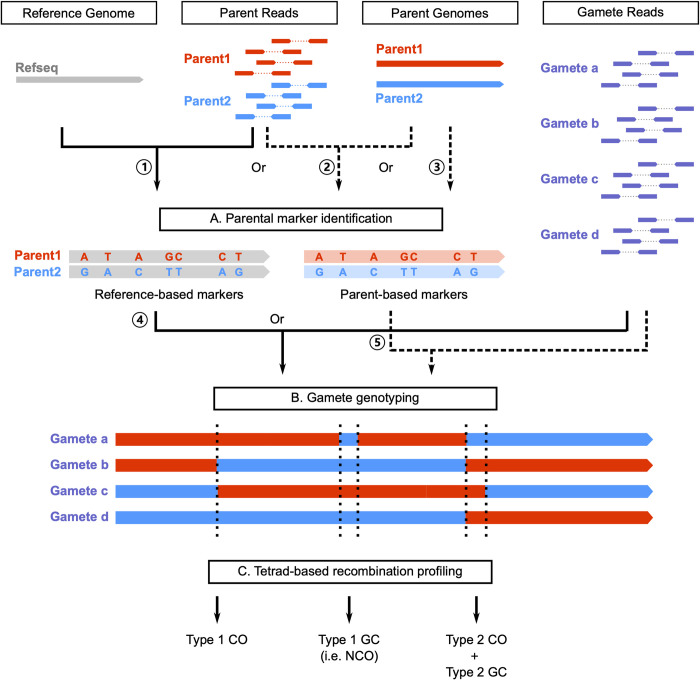
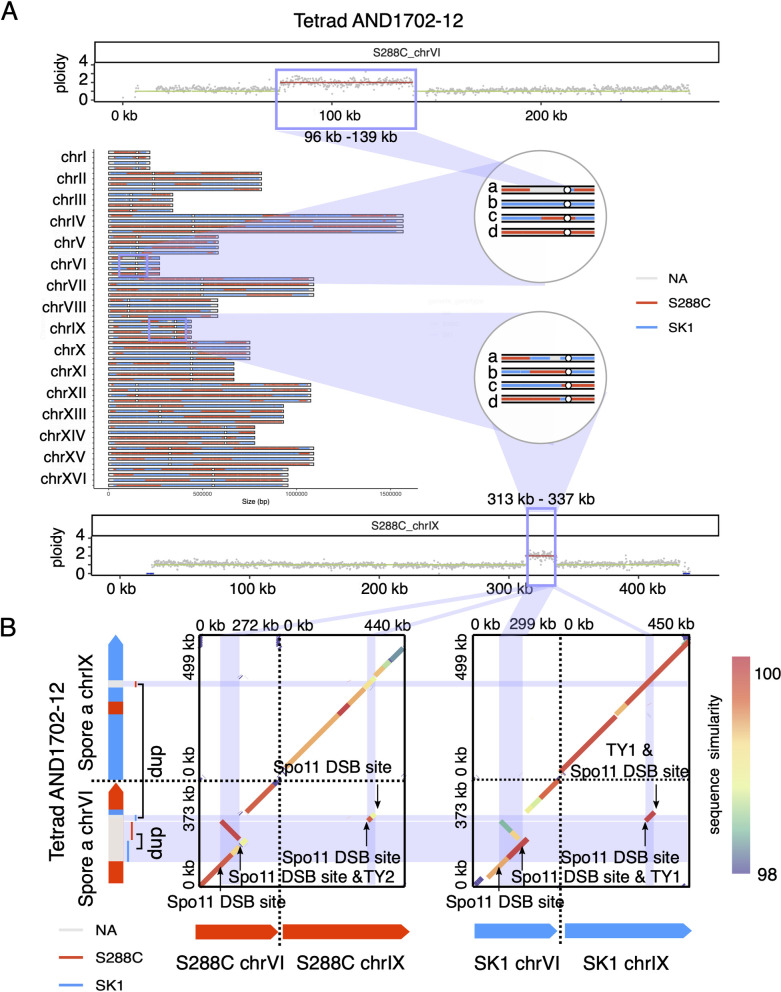
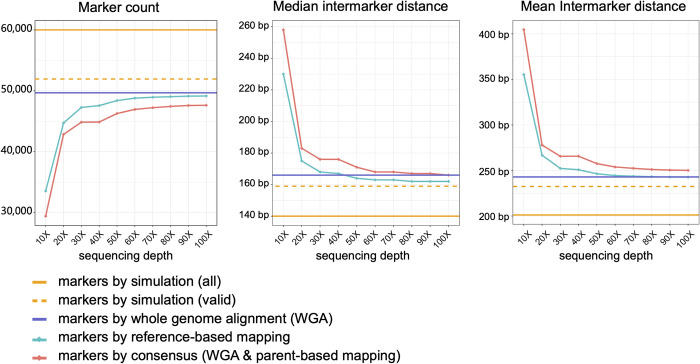
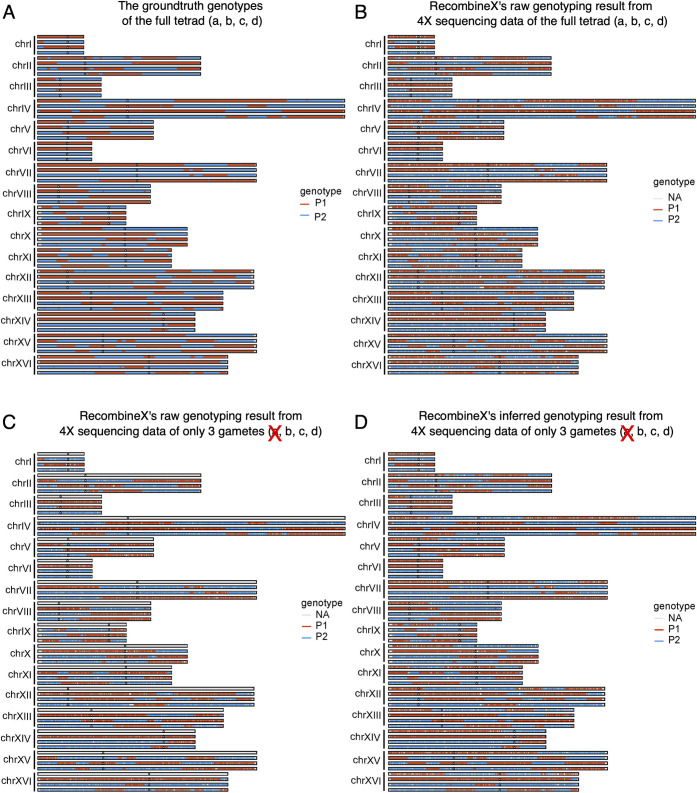
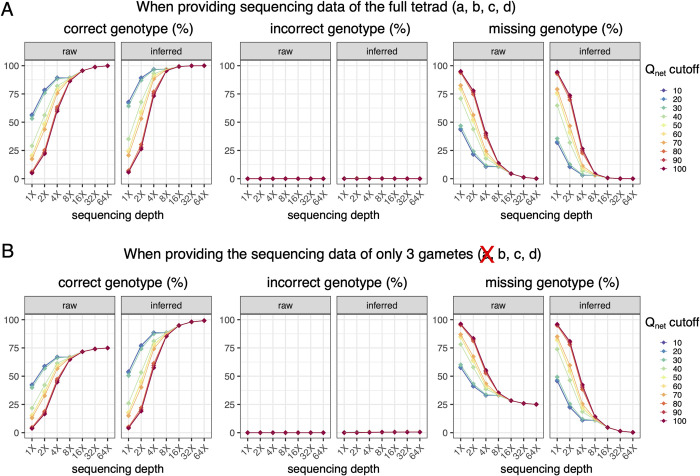
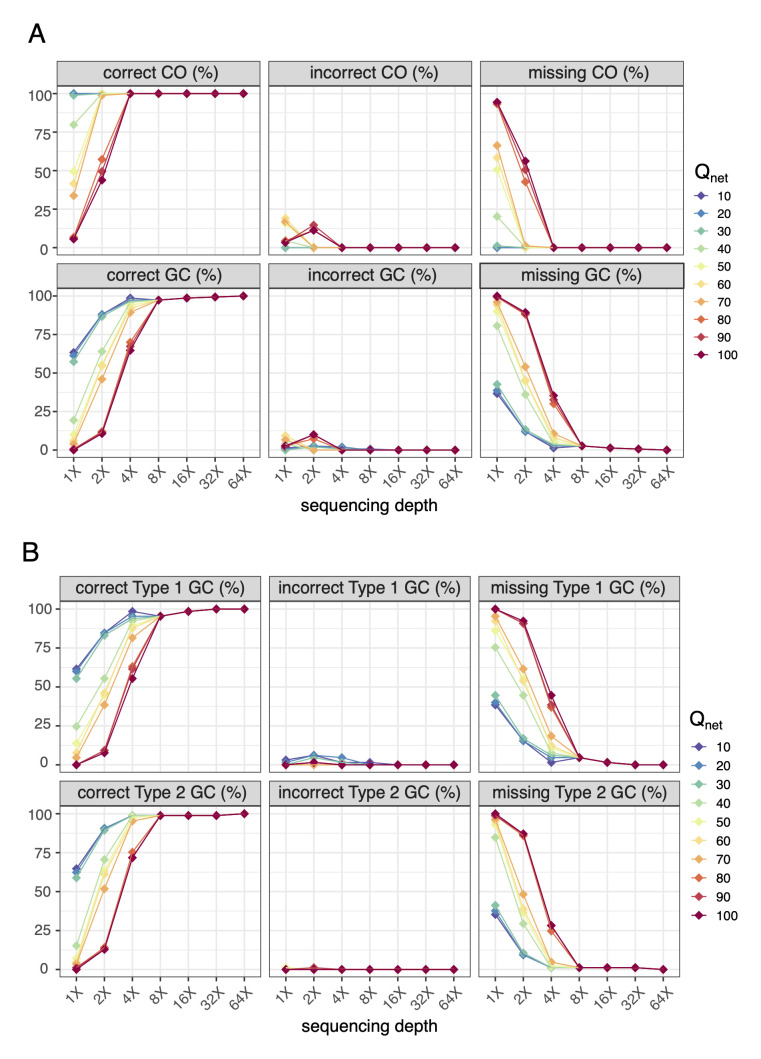
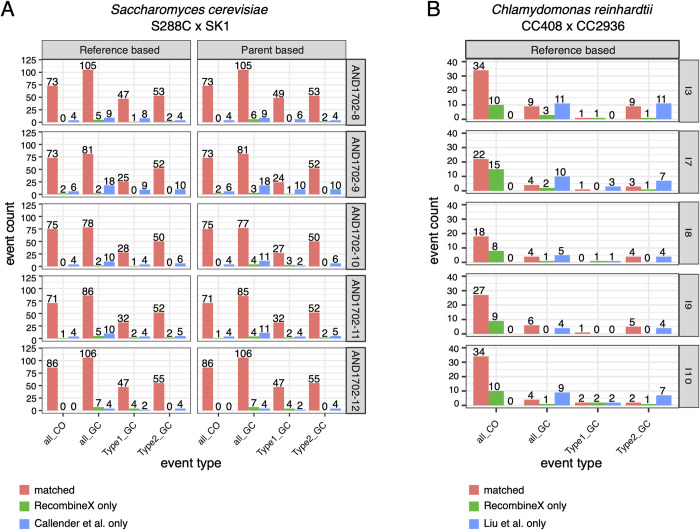
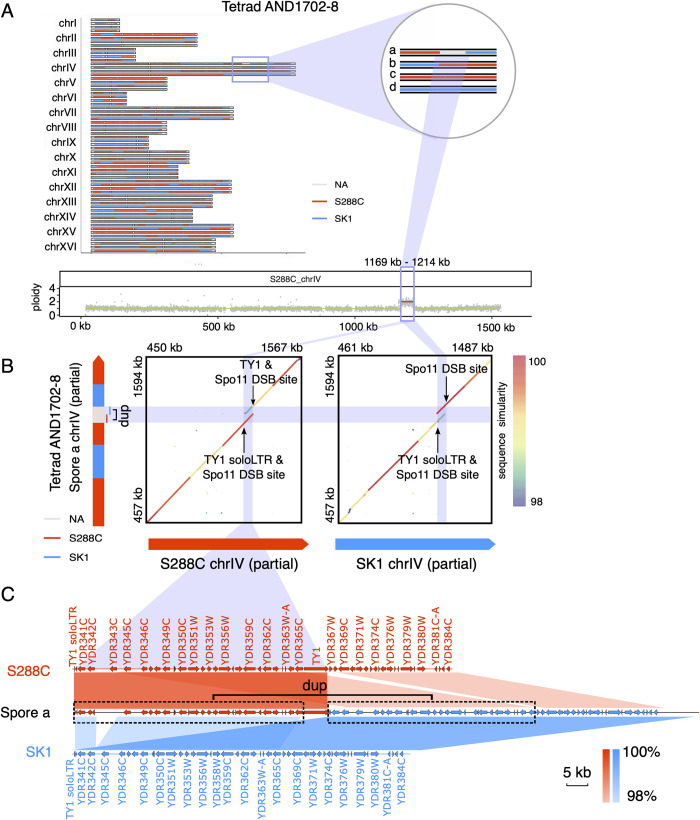
Meiotic recombination is an essential biological process that ensures faithful chromosome segregation and promotes parental allele shuffling. Tetrad analysis is a powerful approach to quantify the genetic makeups and recombination landscapes of meiotic products. Here we present RecombineX (https://github.com/yjx1217/RecombineX), a generalized computational framework that automates the full workflow of marker identification, gamete genotyping, and tetrad-based recombination profiling based on any organism or genetic background with batch processing capability. Aside from conventional reference-based analysis, RecombineX can also perform analysis based on parental genome assemblies, which facilitates analyzing meiotic recombination landscapes in their native genomic contexts. Additional features such as copy number variation profiling and missing genotype inference further enhance downstream analysis. RecombineX also includes a dedicate module for simulating the genomes and reads of recombinant tetrads, which enables fine-tuned simulation-based hypothesis testing. This simulation module revealed the power and accuracy of RecombineX even when analyzing tetrads with very low sequencing depths (e.g., 1-2X). Tetrad sequencing data from the budding yeast Saccharomyces cerevisiae and green alga Chlamydomonas reinhardtii were further used to demonstrate the accuracy and robustness of RecombineX for organisms with both small and large genomes, manifesting RecombineX as an all-around one stop solution for future tetrad analysis. Interestingly, our re-analysis of the budding yeast tetrad sequencing data with RecombineX and Oxford Nanopore sequencing revealed two unusual structural rearrangement events that were not noticed before, which exemplify the occasional genome instability triggered by meiosis.
减数分裂重组是一个至关重要的生物学过程,它确保了染色体的准确分离和双亲等位基因的混合。四分体分析是一种强大的方法,可以定量分析减数分裂产物的遗传组成和重组景观。在这里,我们介绍了 RecombineX(https://github.com/yjx1217/RecombineX),这是一个通用的计算框架,可以自动完成基于任何生物体或遗传背景的标记识别、配子基因分型和四分体基础重组分析的全流程工作,具有批处理能力。除了传统的基于参考的分析外,RecombineX 还可以基于双亲基因组组装进行分析,这有利于在其天然基因组背景下分析减数分裂重组景观。其他功能,如拷贝数变异分析和缺失基因型推断,进一步增强了下游分析。RecombineX 还包括一个专门的模块,用于模拟重组四分体的基因组和读取,这使得基于模拟的假设测试更加精细。即使在分析深度非常低(例如 1-2X)的四分体时,这种模拟模块也显示了 RecombineX 的强大功能和准确性。来自酿酒酵母 Saccharomyces cerevisiae 和绿藻 Chlamydomonas reinhardtii 的四分体测序数据进一步证明了 RecombineX 对大小基因组生物体的准确性和稳健性,表明 RecombineX 是未来四分体分析的一站式解决方案。有趣的是,我们使用 RecombineX 和牛津纳米孔测序重新分析了酿酒酵母四分体测序数据,发现了两个以前未注意到的异常结构重排事件,这说明了减数分裂偶尔会引发的基因组不稳定性。