Department of Chemistry and Chemical Biology, Harvard University, Cambridge, MA 02138.
Université Grenoble Alpes, CNRS, Grenoble, 38000 France.
Proc Natl Acad Sci U S A. 2022 May 17;119(20):e2122063119. doi: 10.1073/pnas.2122063119. Epub 2022 May 9.
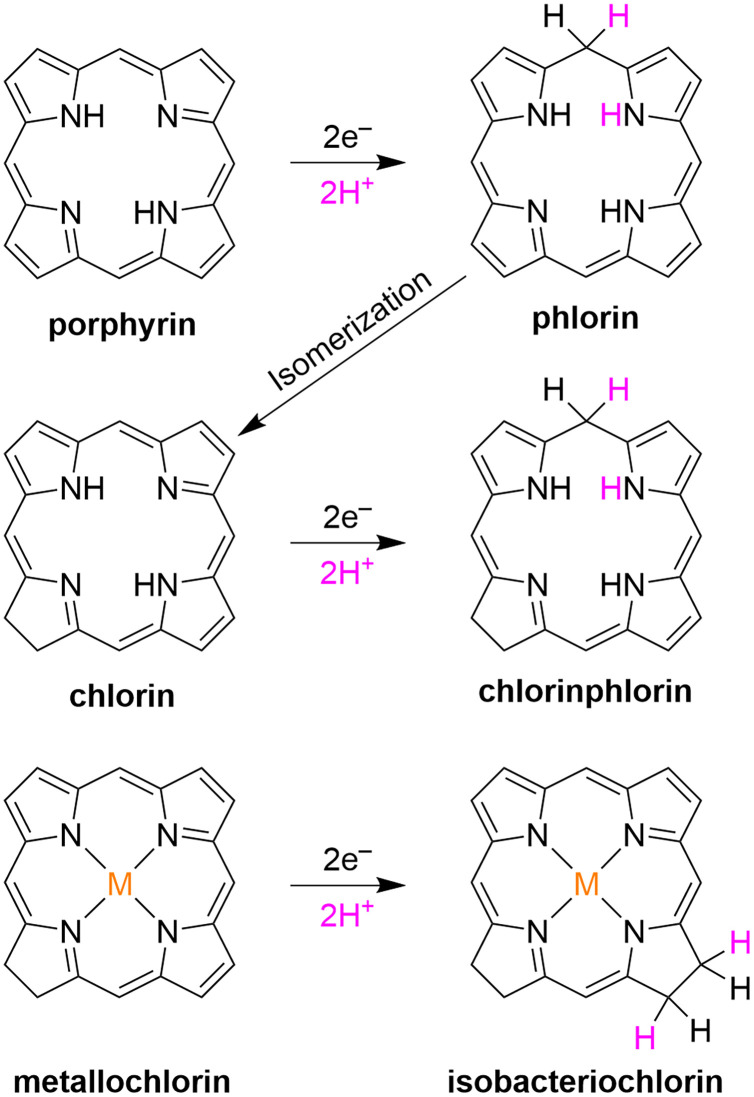
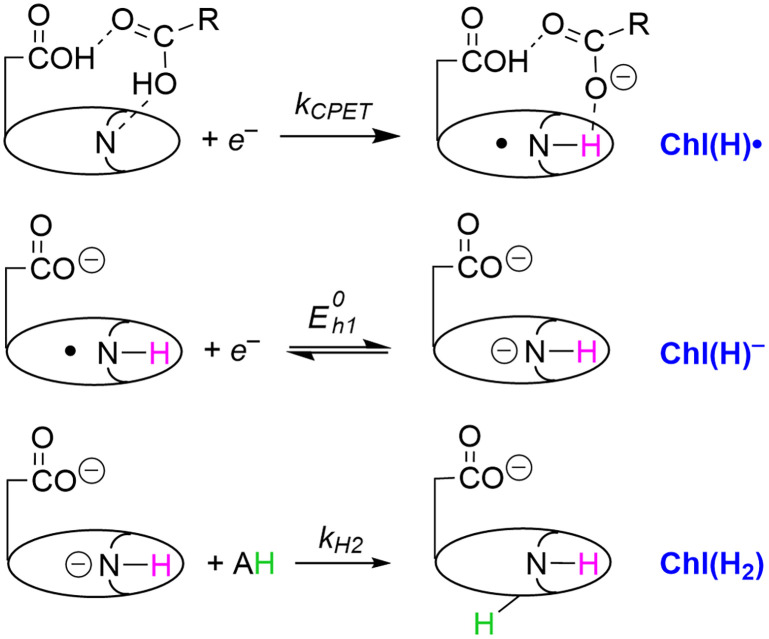
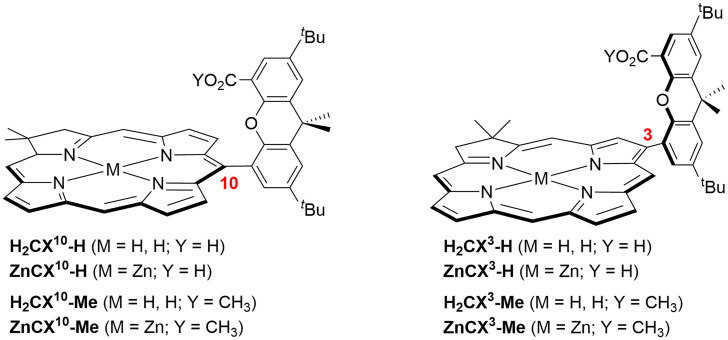
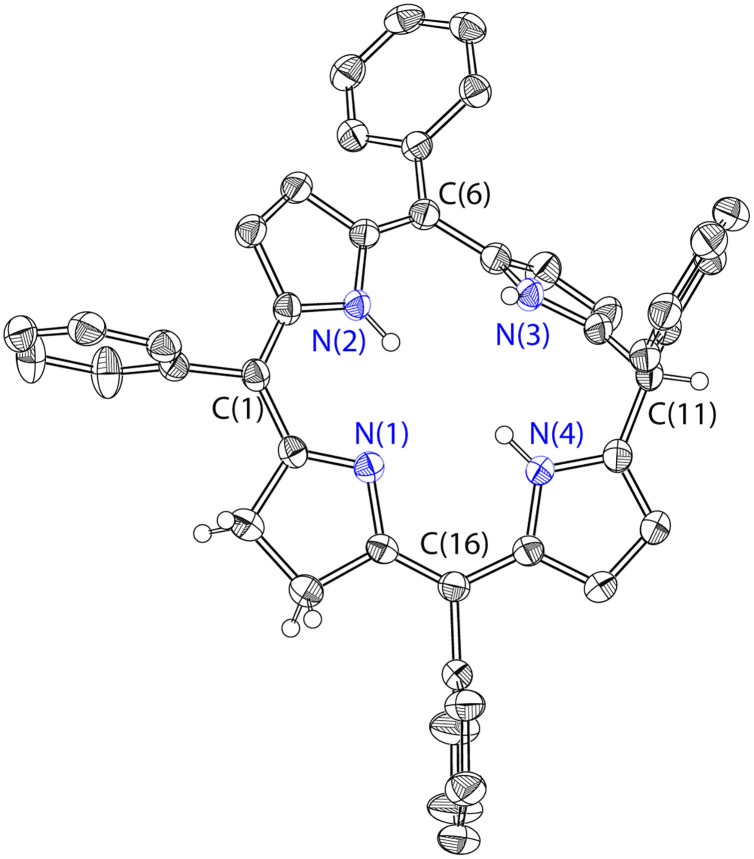
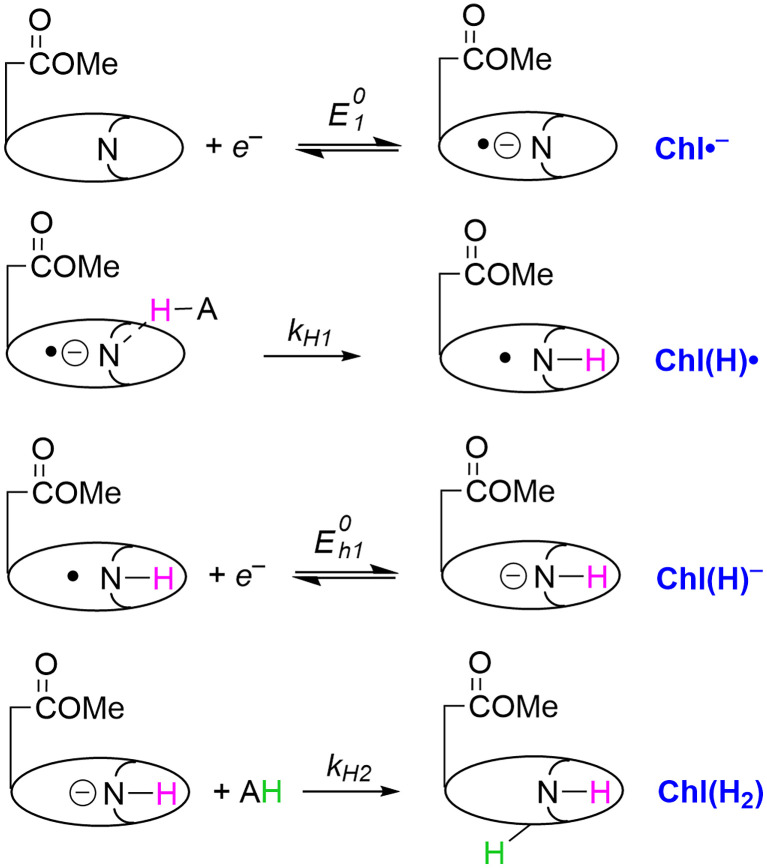
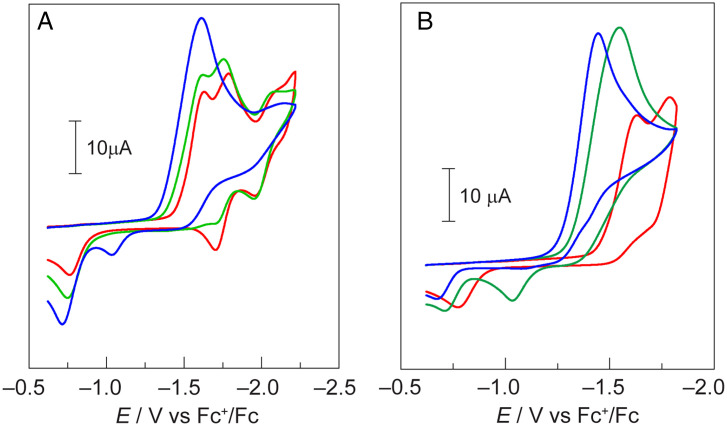
SignificanceThe chemical reduction of unsaturated bonds occurs by hydrogenation with H as the reductant. Conversely, in biology, the unavailability of H engenders the typical reduction of unsaturated bonds with electrons and protons from different cofactors, requiring olefin hydrogenation to occur by proton-coupled electron transfer (PCET). Moreover, the redox noninnocence of tetrapyrrole macrocycles furnishes unusual PCET intermediates, including the phlorin, which is an intermediate in tetrapyrrole ring reductions. Whereas the phlorin of a porphyrin is well established, the phlorin of a chlorin is enigmatic. By controlling the PCET reactivity of a chlorin, including the use of a hangman functionality to manage the proton transfer, the formation of a chlorinphlorin by PCET is realized, and the mechanism for its formation is defined.
意义不饱和键的化学还原是通过 H 作为还原剂的加氢反应发生的。相反,在生物学中,由于 H 的不可用性,导致不饱和键的典型还原是通过来自不同辅因子的电子和质子进行的,需要烯烃加氢通过质子耦合电子转移(PCET)发生。此外,四吡咯大环的氧化还原非中性提供了不寻常的 PCET 中间体,包括卟吩,它是四吡咯环还原的中间体。虽然卟啉的卟吩是众所周知的,但氯卟啉则是神秘的。通过控制包括使用绞刑吏功能来管理质子转移的氯卟啉的 PCET 反应性,实现了氯卟啉的 PCET 形成,并定义了其形成的机制。