Mycobacteria Research Laboratory, Institute of Structural and Molecular Biology, Department of Biological Science, Birkbeck, University of London, Malet Street, London WC1E 7HX, UK.
Mycobacteria Research Laboratory, Institute of Structural and Molecular Biology, Department of Biological Science, Birkbeck, University of London, Malet Street, London WC1E 7HX, UK.
Immunobiology. 2022 May;227(3):152224. doi: 10.1016/j.imbio.2022.152224. Epub 2022 May 5.
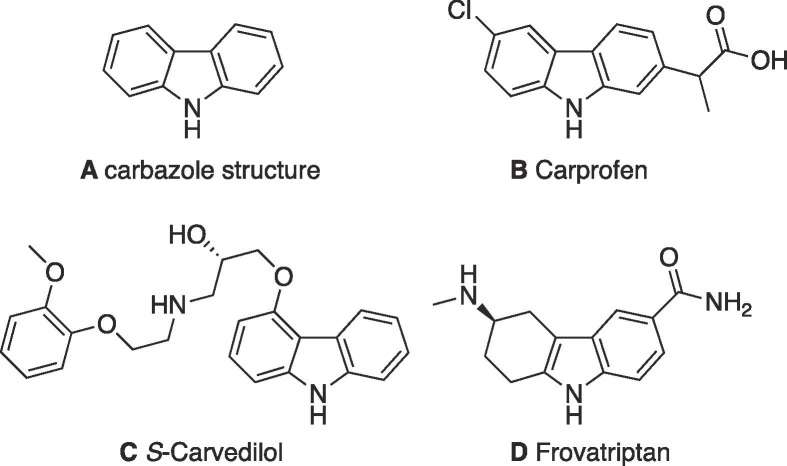
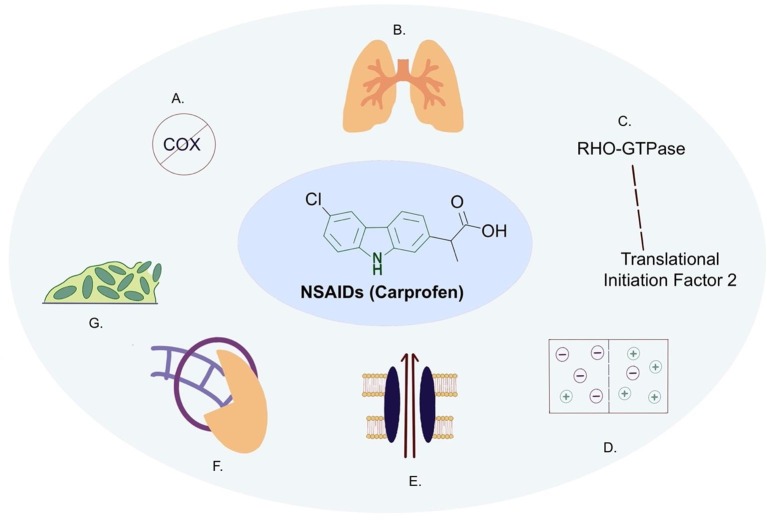
The COVID-19 pandemic has set back progress made on antimicrobial resistance (AMR). Without urgent re-focus, we risk slowing down drug discovery and providing treatment for drug resistant Mycobacterium tuberculosis. Unique in its immune evasion, dormancy and resuscitation, the causal pathogens of tuberculosis (TB) have demonstrated resistance to antibiotics with efflux pumps and the ability to form biofilms. Repurposing drugs is a prospective avenue for finding new anti-TB drugs. There are many advantages to discovering novel targets of an existing drug, as the pharmacokinetic and pharmacodynamic properties have already been established, they are cost-efficient and can be commercially accelerated for the new development. One such group of drugs are non-steroidal anti-inflammatory drugs (NSAIDs) that are originally known for their ability to supress the host proinflammatory responses. In addition to their anti-inflammatory properties, some NSAIDs have been discovered to have antimicrobial modes of action. Of particular interest is Carprofen, identified to inhibit the efflux mechanism and disrupt biofilm formation in mycobacteria. Due to the complexities of host-pathogens interactions in the lung microbiome, inflammatory responses must carefully be controlled alongside the in vivo actions of the prospective anti-infectives. This critical review explores the potential dual role of a selection of NSAIDs, as an anti-inflammatory and anti-tubercular adjunct to reverse the tide of antimicrobial resistance in existing treatments.
COVID-19 大流行使抗菌药物耐药性(AMR)方面取得的进展倒退。如果不重新紧急关注,我们有可能减缓药物发现速度,并为耐药性结核分枝杆菌提供治疗。结核分枝杆菌的病原体(TB)具有独特的免疫逃避、休眠和复苏能力,对抗生素具有外排泵和形成生物膜的能力,已经表现出耐药性。重新利用药物是寻找新的抗结核药物的一个有前景的途径。发现现有药物的新靶点有很多优势,因为药代动力学和药效学特性已经确定,它们具有成本效益,可以为新的开发进行商业加速。一类这样的药物是非甾体抗炎药(NSAIDs),它们最初以抑制宿主炎症反应的能力而闻名。除了抗炎特性外,一些 NSAIDs 已被发现具有抗菌作用机制。特别值得关注的是卡洛芬,它被确定可以抑制分枝杆菌的外排机制并破坏生物膜形成。由于肺部微生物组中宿主-病原体相互作用的复杂性,必须谨慎控制炎症反应,同时还要控制潜在抗感染药物的体内作用。这篇重要的综述探讨了一系列 NSAIDs 的潜在双重作用,作为抗炎和抗结核的辅助手段,以扭转现有治疗中抗菌药物耐药性的趋势。