State Key Laboratory of Veterinary Biotechnology, Harbin Veterinary Research Institute, Chinese Academy of Agricultural Sciences, Harbin, China.
School of Medicine, Shenzhen campus of Sun Yat-sen University, Sun Yat-sen University, Shenzhen, China.
Microbiome. 2022 May 10;10(1):73. doi: 10.1186/s40168-022-01265-4.
The global pork industry is continuously affected by infectious diseases that can result in large-scale mortality, trade restrictions, and major reductions in production. Nevertheless, the cause of many infectious diseases in pigs remains unclear, largely because commonly used diagnostic tools fail to capture the full diversity of potential pathogens and because pathogen co-infection is common.
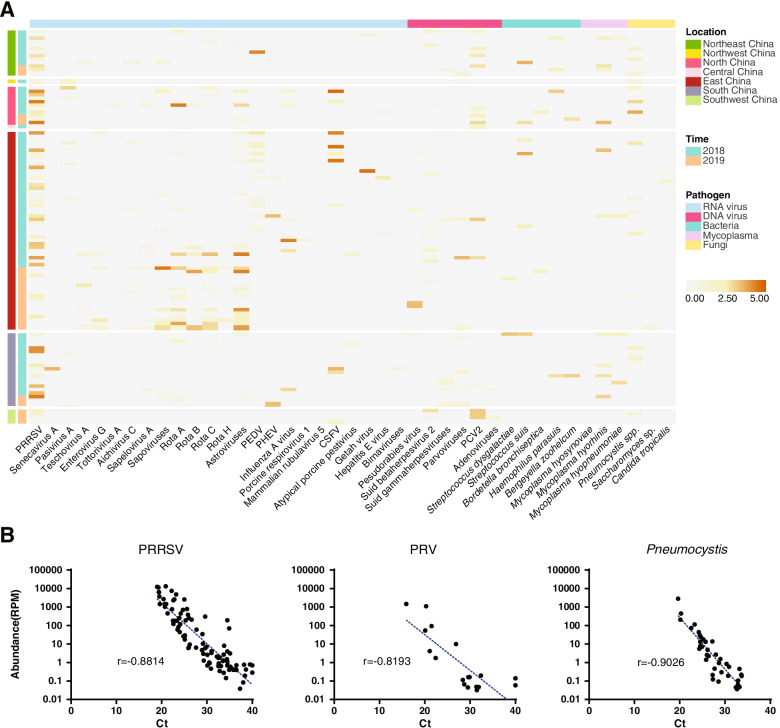
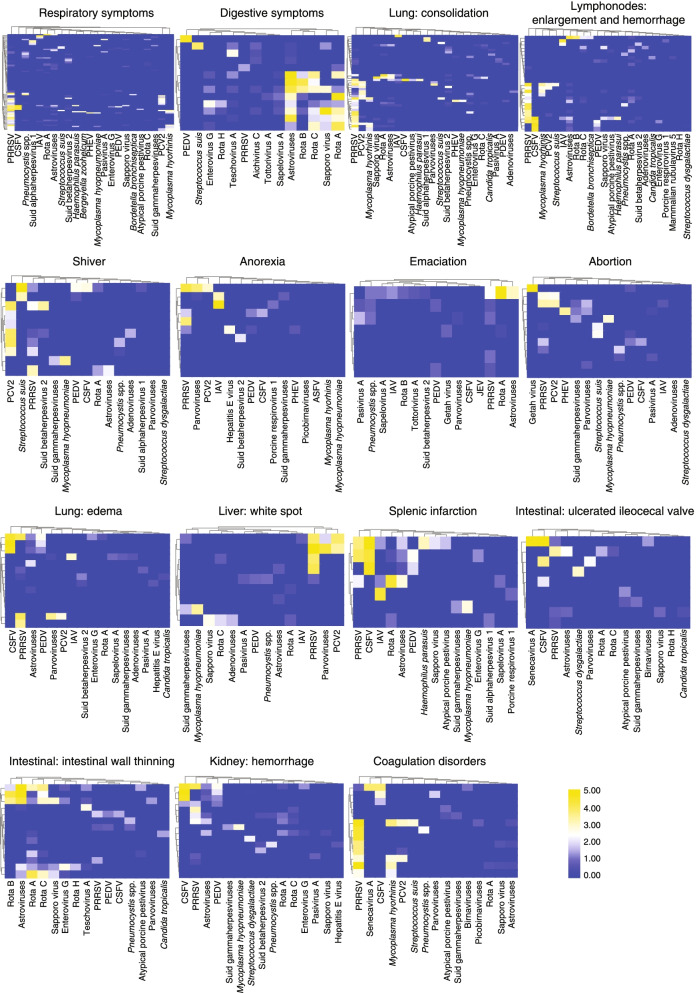
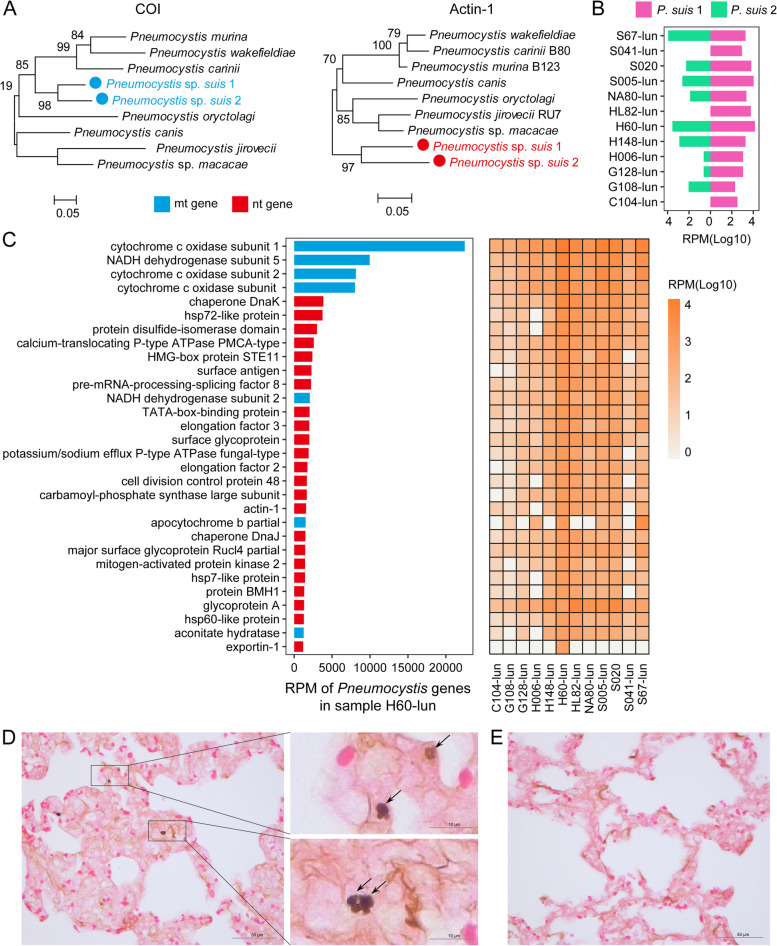
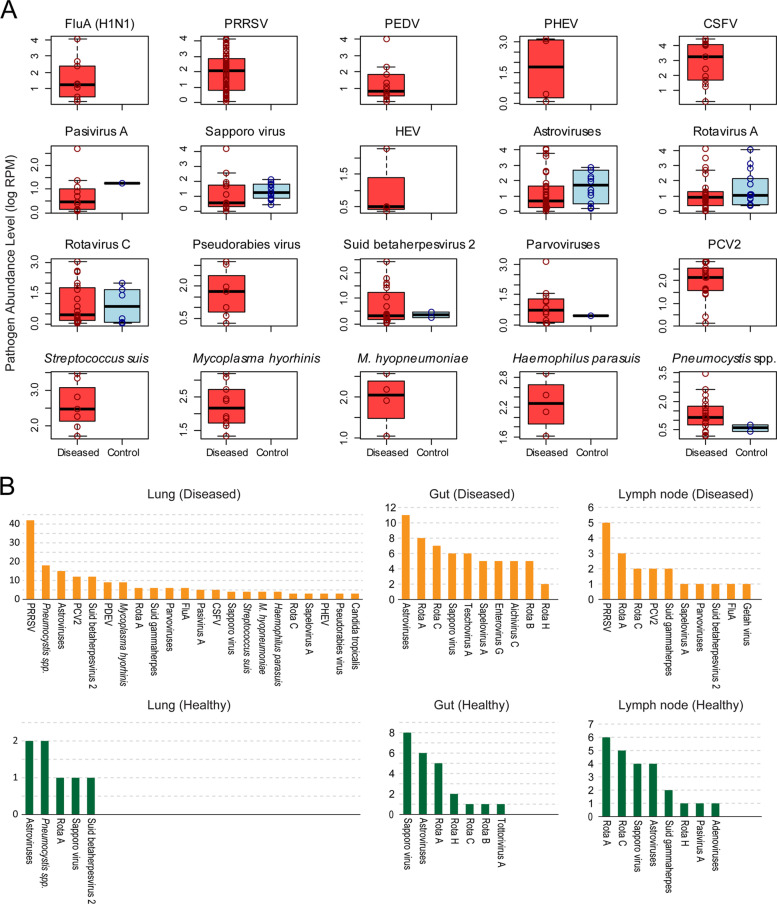
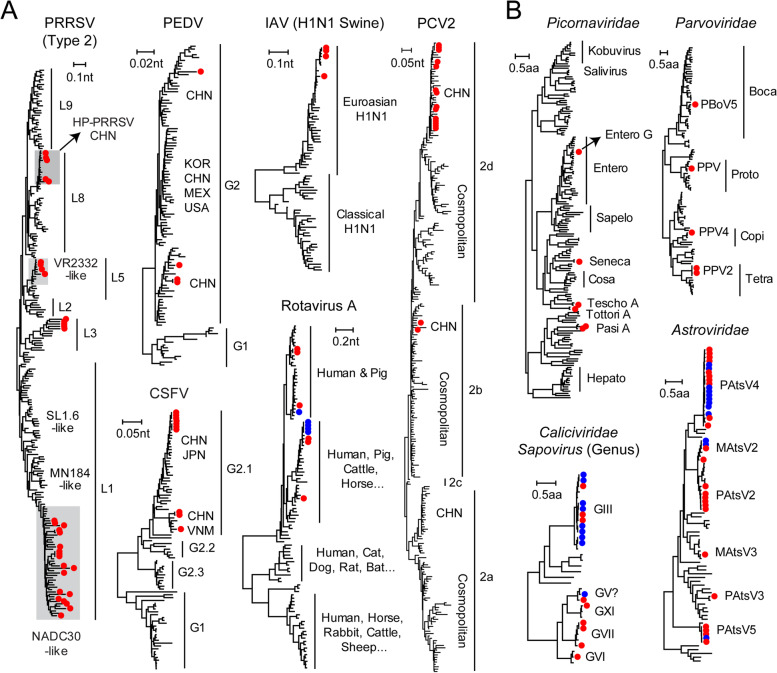
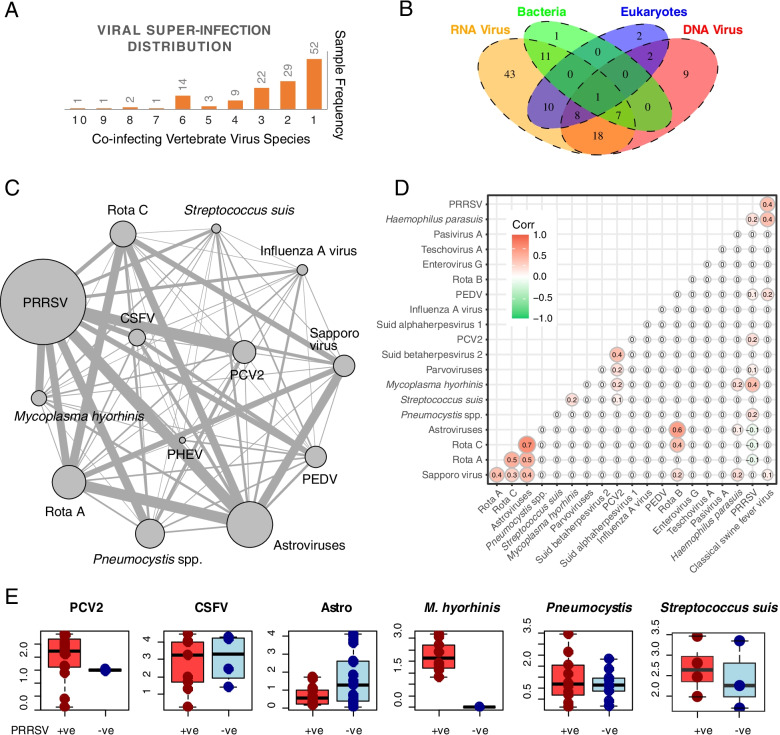
We used a meta-transcriptomic approach to systematically characterize the pathogens in 136 clinical cases representing different disease syndromes in pigs, as well as in 12 non-diseased controls. This enabled us to simultaneously determine the diversity, abundance, genomic information, and detailed epidemiological history of a wide range of potential pathogens. We identified 34 species of RNA viruses, nine species of DNA viruses, seven species of bacteria, and three species of fungi, including two novel divergent members of the genus Pneumocystis. While most of these pathogens were only apparent in diseased animals or were at higher abundance in diseased animals than in healthy animals, others were present in healthy controls, suggesting opportunistic infections. Importantly, most of the cases examined here were characterized by co-infection with more than two species of viral, bacterial, or fungal pathogens, some with highly correlated occurrence and abundance levels. Examination of clinical signs and necropsy results in the context of relevant pathogens revealed that a multiple-pathogen model was better associated with the data than a single-pathogen model was.
Our data demonstrate that most of the pig diseases examined were better explained by the presence of multiple rather than single pathogens and that infection with one pathogen can facilitate infection or increase the prevalence/abundance of another. Consequently, it is generally preferable to consider the cause of a disease based on a panel of co-infecting pathogens rather than on individual infectious agents. Video abstract.
全球猪肉行业不断受到传染病的影响,这些传染病可能导致大规模死亡、贸易限制和产量大幅下降。然而,许多猪传染病的病因仍不清楚,这主要是因为常用的诊断工具无法捕捉到潜在病原体的全部多样性,而且病原体的共同感染很常见。
我们使用元转录组学方法系统地描述了 136 个临床病例中不同疾病综合征的病原体,以及 12 个非疾病对照中的病原体。这使我们能够同时确定广泛潜在病原体的多样性、丰度、基因组信息和详细的流行病学史。我们鉴定了 34 种 RNA 病毒、9 种 DNA 病毒、7 种细菌和 3 种真菌,包括两新种属的肺囊虫属。虽然这些病原体中的大多数只在患病动物中出现,或者在患病动物中的丰度高于健康动物,但其他病原体在健康对照中也存在,这表明是机会性感染。重要的是,这里检查的大多数病例都表现为两种以上病毒、细菌或真菌病原体的共同感染,有些具有高度相关的发生和丰度水平。在相关病原体的临床症状和尸检结果的检查中,多病原体模型比单病原体模型更好地与数据相关。
我们的数据表明,大多数检查的猪病都与多种病原体的存在而不是单一病原体的存在有关,并且一种病原体的感染可以促进另一种病原体的感染或增加其流行/丰度。因此,通常最好根据共同感染的病原体组而不是单个传染病原来考虑疾病的原因。视频摘要。