Hsouna Anis Ben, Dhibi Sabah, Dhifi Wissal, Saad Rania Ben, Brini Faical, Hfaidh Najla, Mnif Wissem
Department of Life Sciences, Faculty of Sciences of Gafsa Zarroug 2112 Gafsa Tunisia.
Laboratory of Biotechnology and Plant Improvement, Centre of Biotechnology of Sfax Tunisia.
RSC Adv. 2019 Nov 11;9(63):36758-36770. doi: 10.1039/c9ra05885k.
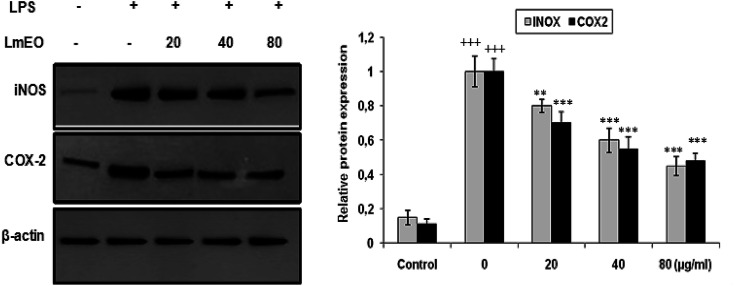
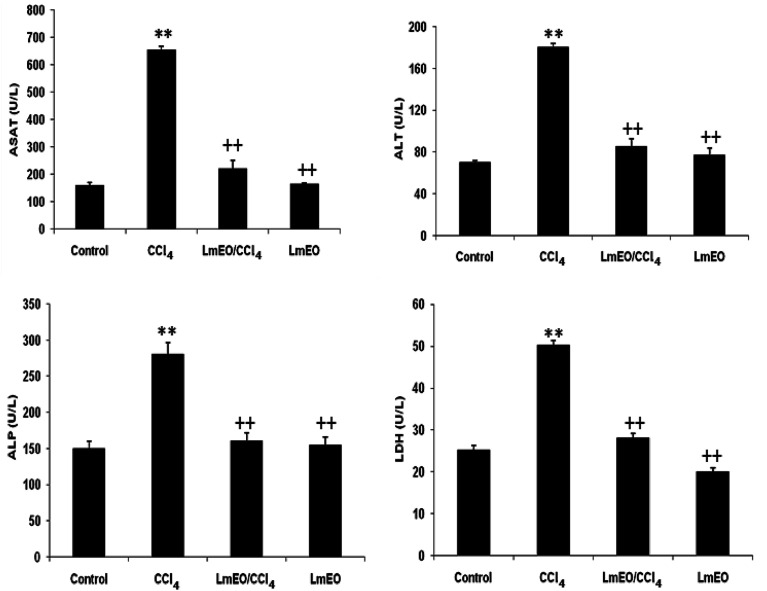
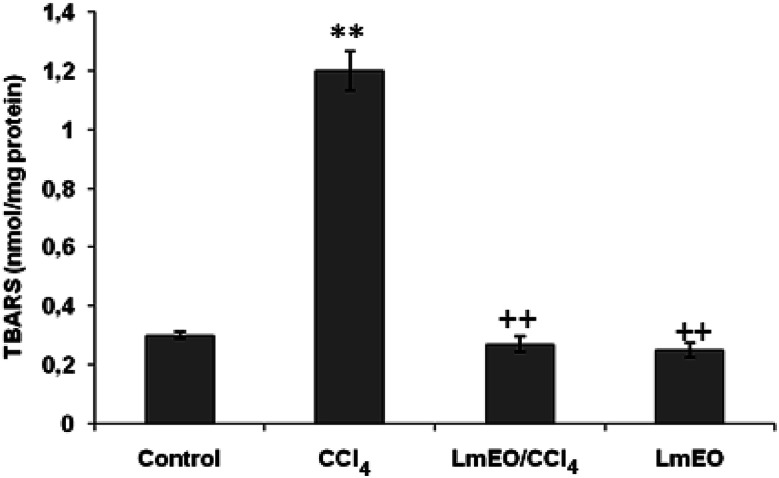
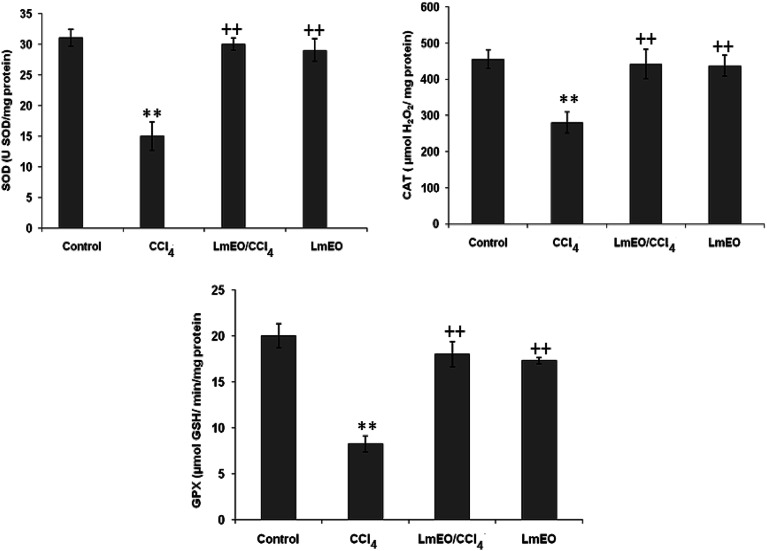
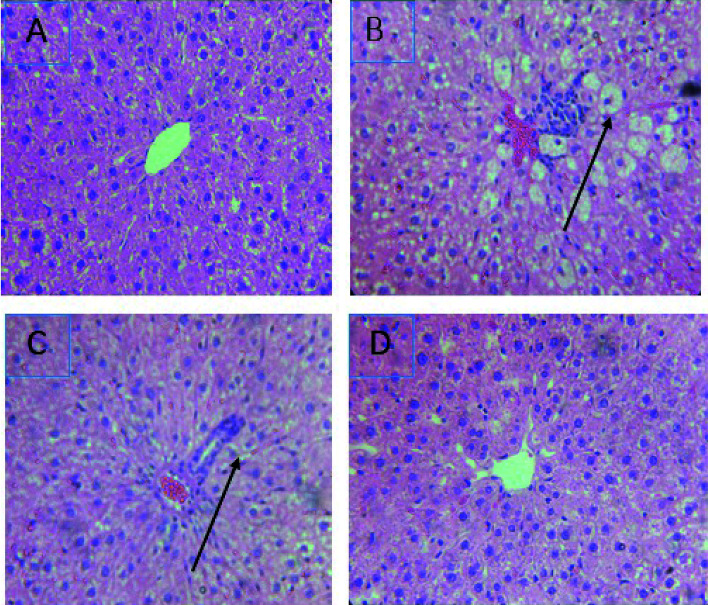
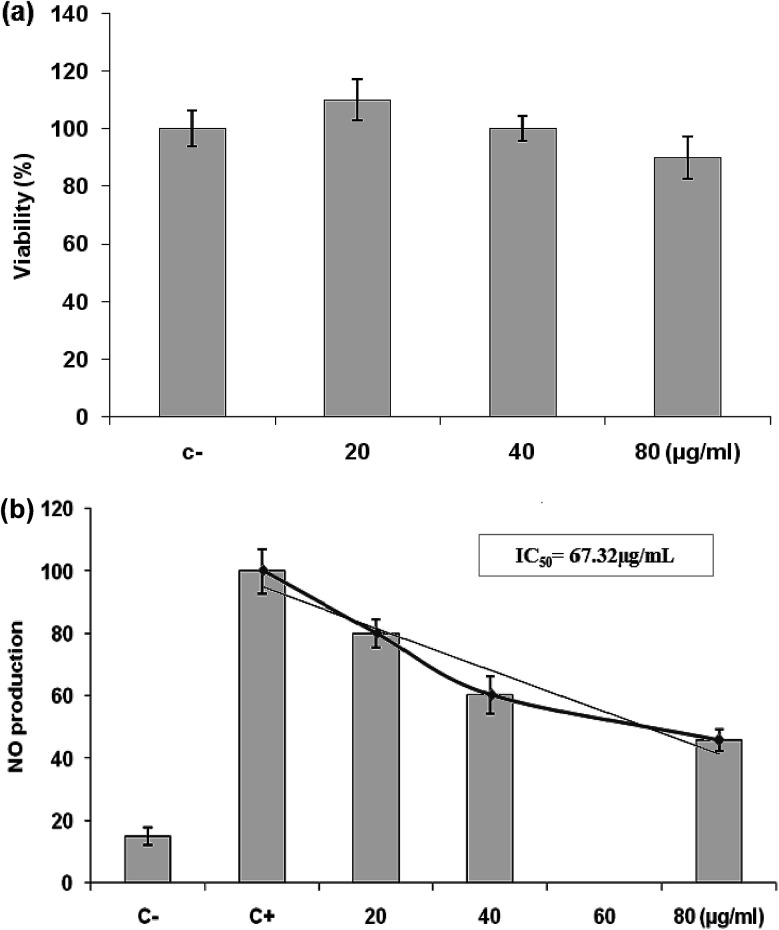
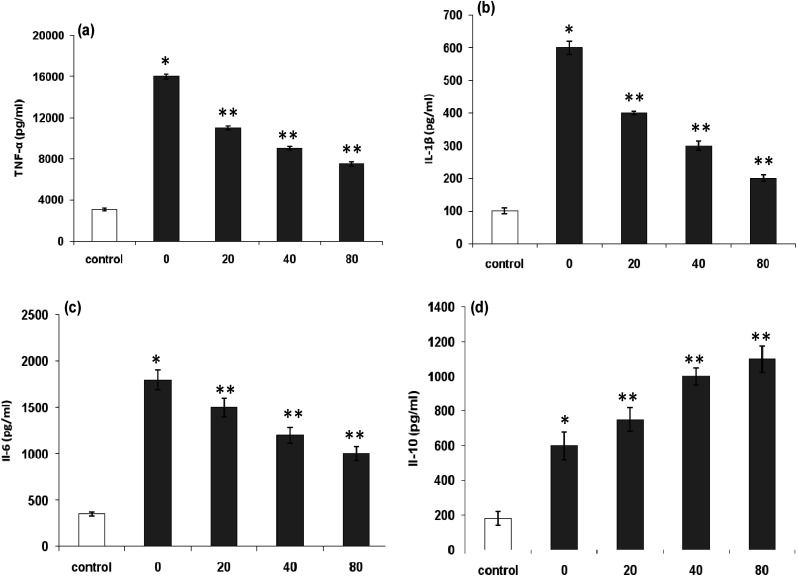
The present study evaluates the chemical profiling of the essential oil of a halophyte, (EO), and its protective potential against CCl-induced oxidative stress in rats. Forty compounds have been identified in EO. The major components are α-pinene (3.51%), benzyl alcohol (8.65%), linalool (22.43%), pulegone (3.33%), 1-phenyl butanone (7.33%), globulol (4.32%), γ-terpinene (6.15%), terpinen-4-ol (4.31%), α-terpineol (3.9%), ledol (3.59%), -α-cadinol (3.05%) and α-cadinol (4.91%). In comparison with the CCl-intoxicated group, EO treatment resulted in decreased liver serum marker enzymes, decreased lipid peroxidation and increased antioxidant enzyme levels, with overall further amelioration of oxidative stress. The administration of EO to CCl-treated rats at a dose of 250 mg kg body weight significantly reduced the toxic effects and the oxidative stress on the liver, thus validating the traditional medicinal claim of this plant. Moreover, the anti-inflammatory activity of EO was evaluated in lipopolysaccharide-stimulated murine RAW 264.7 cells. Our oil could modulate the inflammatory mode of the macrophages by causing reduction in iNOS and COX enzymes as well as in IL-1β, IL-6, and TNF-α cytokine levels. These findings suggest that EO exerts anti-inflammatory effects by regulating the expression of inflammatory cytokines.
本研究评估了一种盐生植物的精油(EO)的化学特征及其对大鼠四氯化碳诱导的氧化应激的保护潜力。在EO中已鉴定出40种化合物。主要成分是α-蒎烯(3.51%)、苯甲醇(8.65%)、芳樟醇(22.43%)、胡薄荷酮(3.33%)、1-苯基丁酮(7.33%)、球松素(4.32%)、γ-松油烯(6.15%)、萜品-4-醇(4.31%)、α-松油醇(3.9%)、喇叭茶醇(3.59%)、-α-杜松醇(3.05%)和α-杜松醇(4.91%)。与四氯化碳中毒组相比,EO处理导致肝血清标志物酶降低、脂质过氧化减少和抗氧化酶水平升高,总体上进一步改善了氧化应激。以250毫克/千克体重的剂量给四氯化碳处理的大鼠施用EO可显著降低对肝脏的毒性作用和氧化应激,从而证实了这种植物的传统药用价值。此外,在脂多糖刺激的小鼠RAW 264.7细胞中评估了EO的抗炎活性。我们的精油可通过降低诱导型一氧化氮合酶和环氧化酶以及白细胞介素-1β、白细胞介素-6和肿瘤坏死因子-α细胞因子水平来调节巨噬细胞的炎症模式。这些发现表明,EO通过调节炎症细胞因子的表达发挥抗炎作用。