Illarionov Georgii A, Kolchanov Denis S, Kuchur Oleg A, Zhukov Mikhail V, Sergeeva Ekaterina, Krishtop Vladimir V, Vinogradov Alexandr V, Morozov Maxim I
Laboratory of Solution Chemistry of Advanced Materials and Technologies, ITMO University Lomonosova str. 9 St. Petersburg 191002 Russia
Institute for Analytical Instrumentation RAS Ivan Chernykh str. 31-33 St. Petersburg 198095 Russia.
RSC Adv. 2019 Nov 5;9(62):35998-36004. doi: 10.1039/c9ra08114c. eCollection 2019 Nov 4.
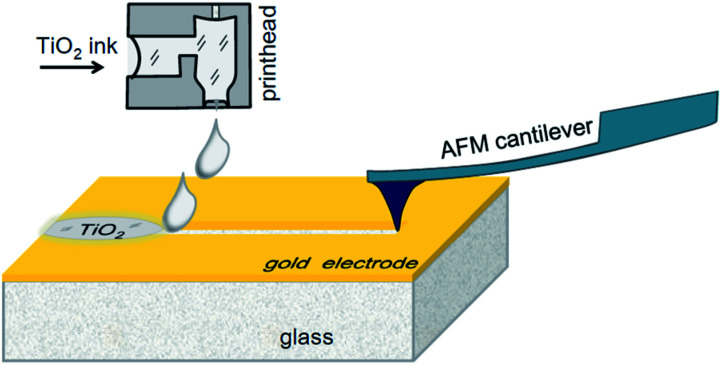
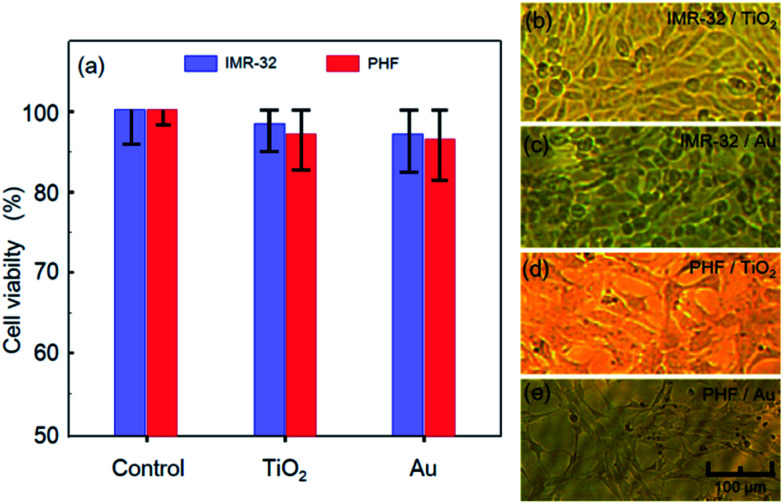
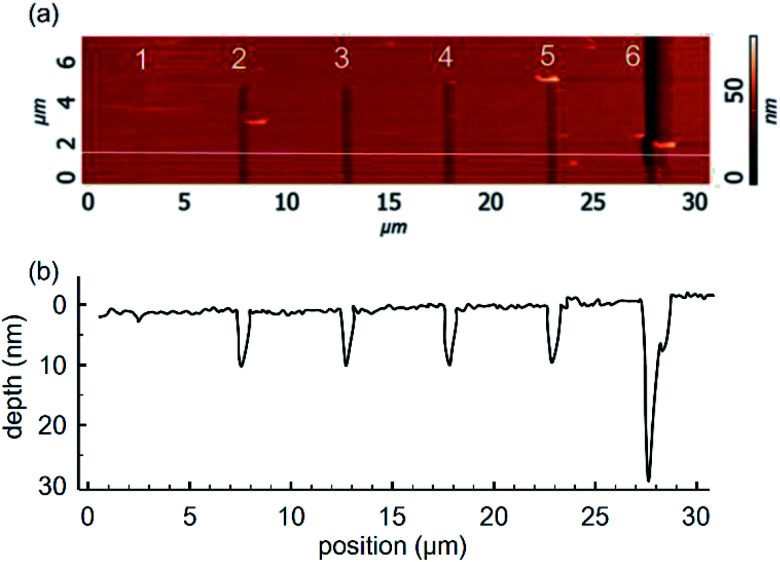
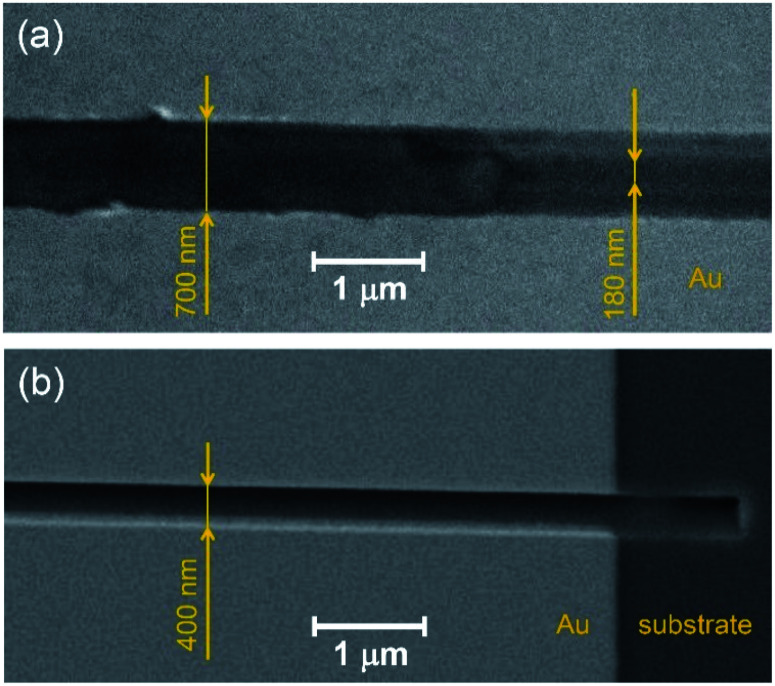
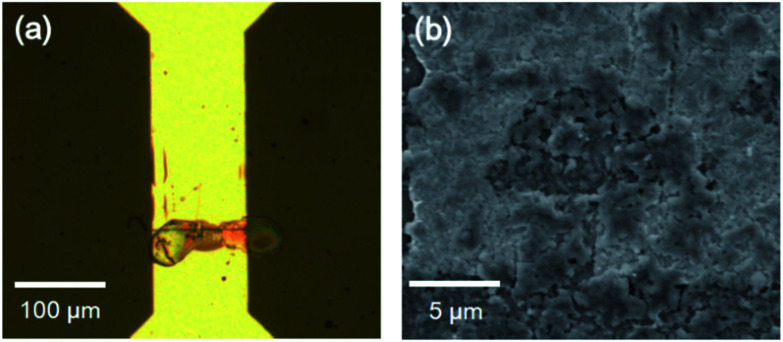
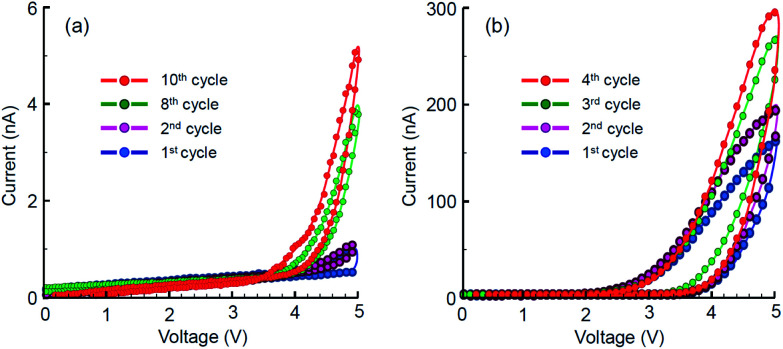
In this study we address a novel design of a planar memristor and investigate its biocompatibility. An experimental prototype of the proposed memristor assembly has been manufactured using a hybrid nanofabrication method, combining sputtering of electrodes, patterning the insulating trenches, and filling them with a memristive substance. To pattern the insulating trenches, we have examined two nanofabrication techniques employing either a focused ion beam or a cantilever tip of an atomic force microscope. Inkjet printing has been used to fill the trenches with the functional titania ink. The experimental prototypes have qualitatively demonstrated memristive current-voltage behavior, as well as high biocompatibility.
在本研究中,我们探讨了一种新型平面忆阻器的设计,并研究了其生物相容性。所提出的忆阻器组件的实验原型已采用混合纳米制造方法制造,该方法结合了电极溅射、绝缘沟槽图案化以及用忆阻物质填充这些沟槽。为了对绝缘沟槽进行图案化,我们研究了两种纳米制造技术,即使用聚焦离子束或原子力显微镜的悬臂尖端。已使用喷墨印刷用功能性二氧化钛墨水填充沟槽。实验原型已定性地展示了忆阻电流 - 电压行为以及高生物相容性。