Hoffmann Bianca, Gerst Ruman, Cseresnyés Zoltán, Foo WanLing, Sommerfeld Oliver, Press Adrian T, Bauer Michael, Figge Marc Thilo
Research Group Applied Systems Biology, Leibniz Institute for Natural Product Research and Infection Biology - Hans Knöll Institute (HKI), Beutenbergstr. 11a, 07745 Jena, Germany.
Faculty of Biological Sciences, Friedrich Schiller University Jena, Bachstr. 18k, 07743 Jena, Germany.
Photoacoustics. 2022 Apr 26;26:100361. doi: 10.1016/j.pacs.2022.100361. eCollection 2022 Jun.
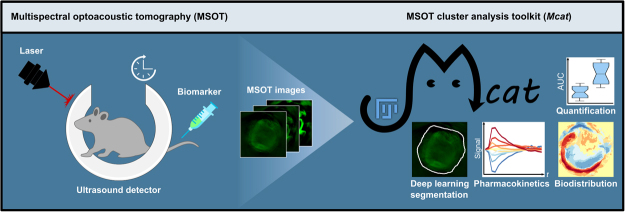
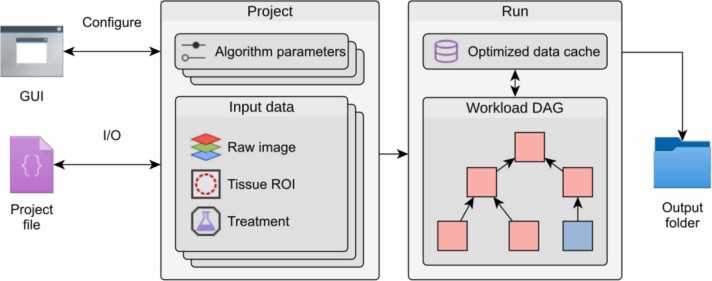
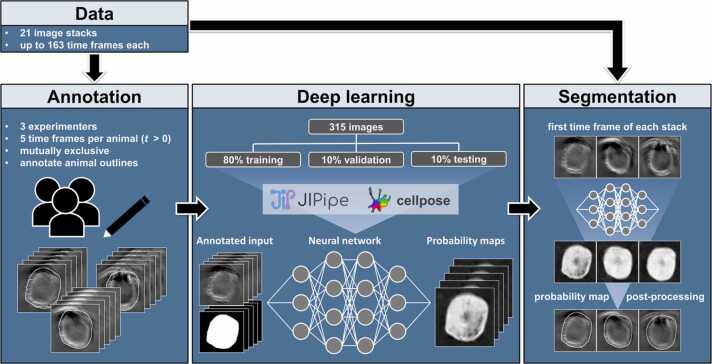
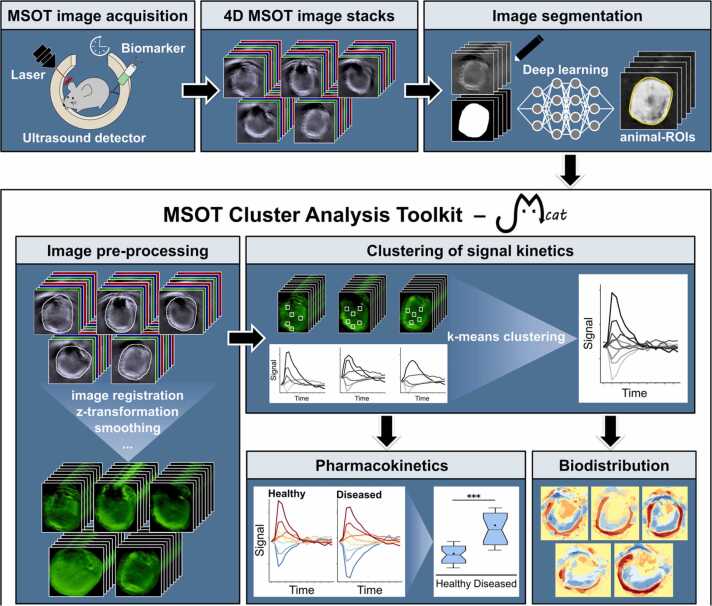
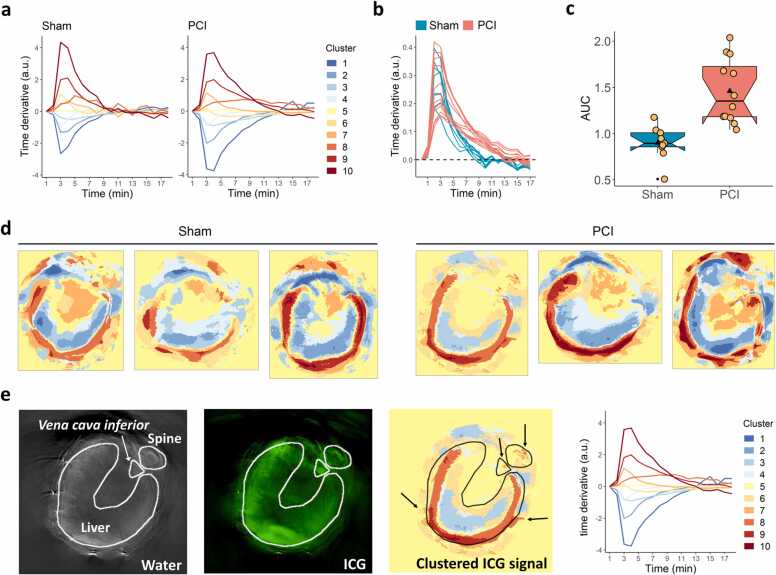
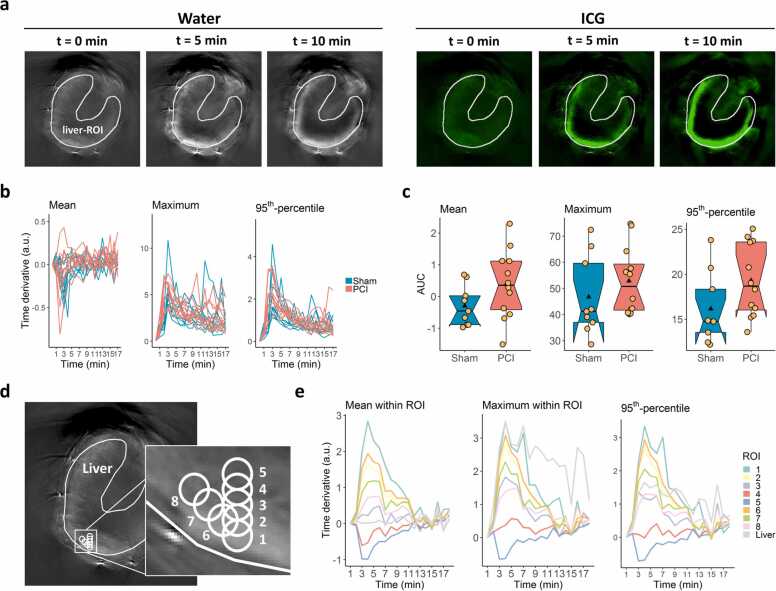
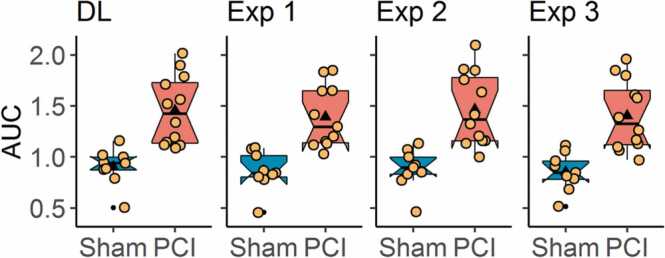
Although multispectral optoacoustic tomography (MSOT) significantly evolved over the last several years, there is a lack of quantitative methods for analysing this type of image data. Current analytical methods characterise the MSOT signal in manually defined regions of interest outlining selected tissue areas. These methods demand expert knowledge of the sample anatomy, are time consuming, highly subjective and prone to user bias. Here we present our fully automated open-source MSOT cluster analysis toolkit that was designed to overcome these shortcomings. It employs a deep learning-based approach for initial image segmentation followed by unsupervised machine learning to identify regions of similar signal kinetics. It provides an objective and automated approach to quantify the pharmacokinetics and extract the biodistribution of biomarkers from MSOT data. We exemplify our generally applicable analysis method by quantifying liver function in a preclinical sepsis model whilst highlighting the advantages of our new approach compared to the severe limitations of existing analysis procedures.
尽管多光谱光声断层扫描(MSOT)在过去几年中有了显著发展,但仍缺乏用于分析此类图像数据的定量方法。当前的分析方法在手动定义的感兴趣区域中对MSOT信号进行表征,这些区域勾勒出选定的组织区域。这些方法需要样本解剖学的专业知识,耗时且主观性强,容易出现用户偏差。在此,我们展示了我们的全自动开源MSOT聚类分析工具包,该工具包旨在克服这些缺点。它采用基于深度学习的方法进行初始图像分割,然后通过无监督机器学习来识别具有相似信号动力学的区域。它提供了一种客观且自动化的方法来量化药代动力学并从MSOT数据中提取生物标志物的生物分布。我们通过在临床前脓毒症模型中量化肝功能来举例说明我们的通用分析方法,同时突出我们新方法相对于现有分析程序严重局限性的优势。