Sarah Krainer, Ulrich Hirn
Institute of Paper, Pulp and Fiber Technology, TU Graz Inffeldgasse 23 8010 Graz Austria
CD Laboratory for Fiber Swelling and Paper Performance Inffeldgasse 23 8010 Graz Austria.
RSC Adv. 2018 Apr 4;8(23):12861-12869. doi: 10.1039/c8ra01434e. eCollection 2018 Apr 3.
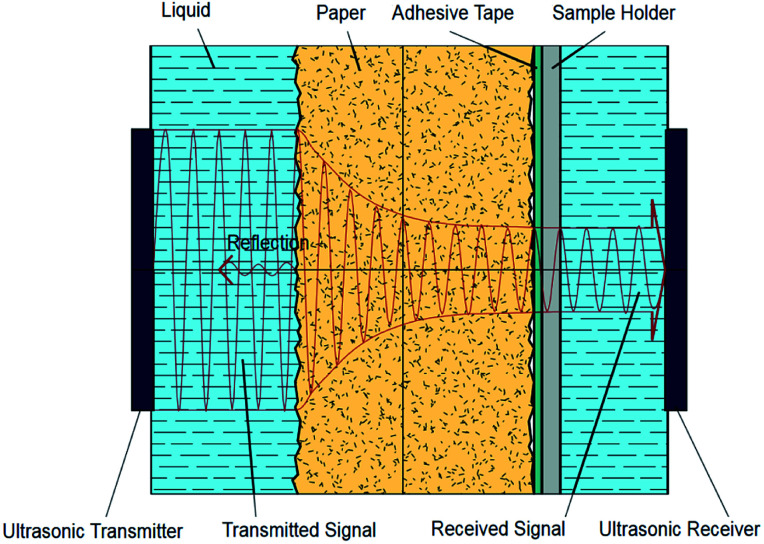
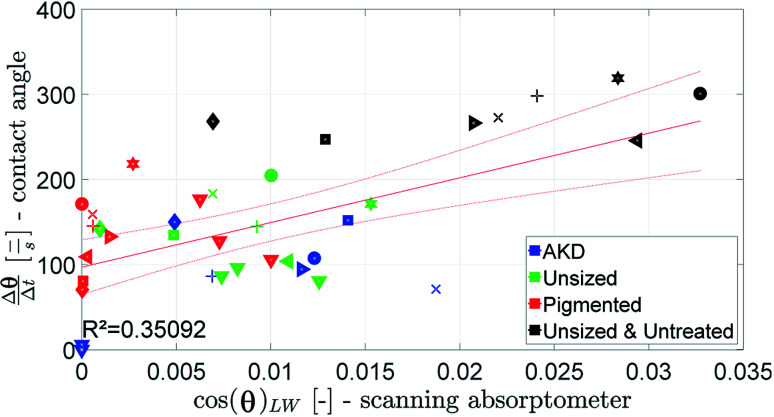
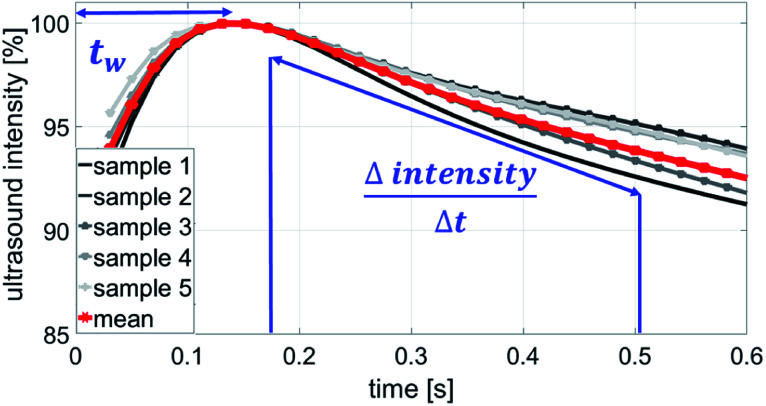
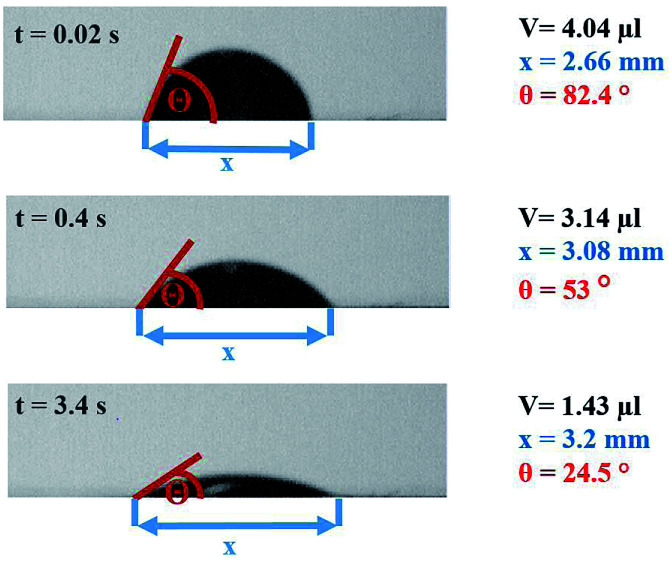
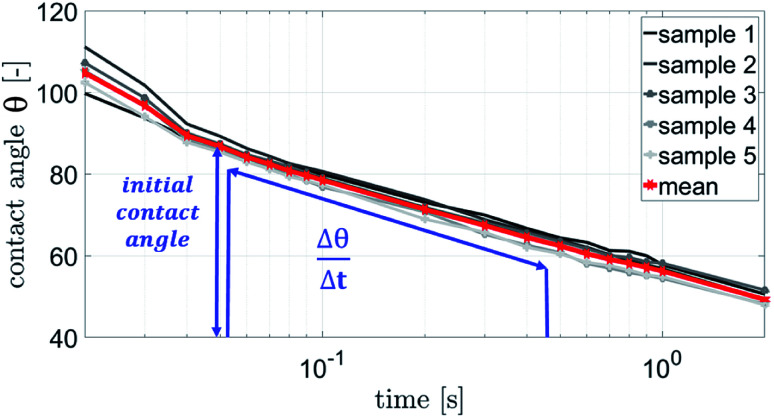
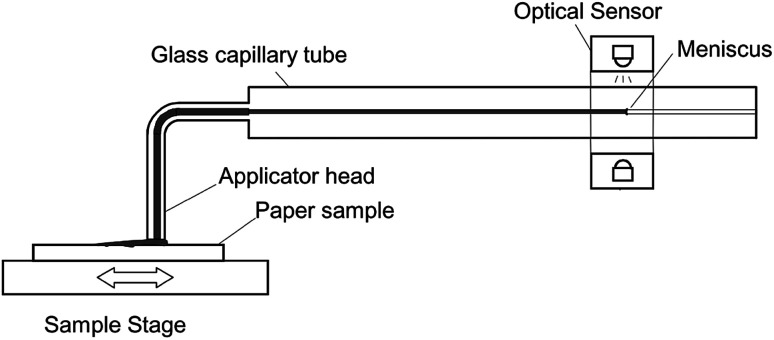
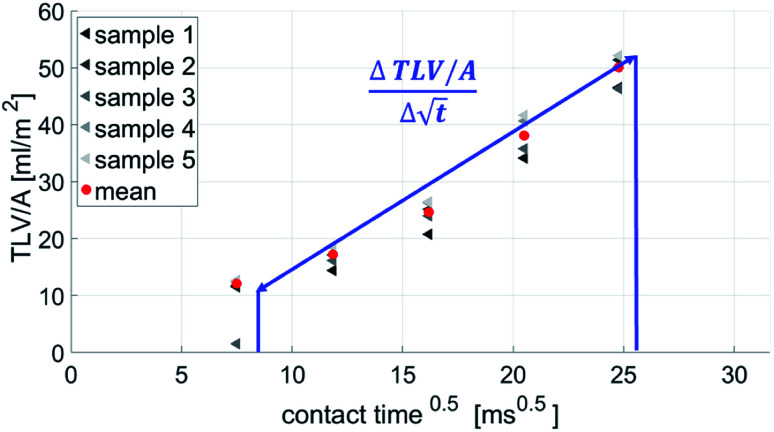
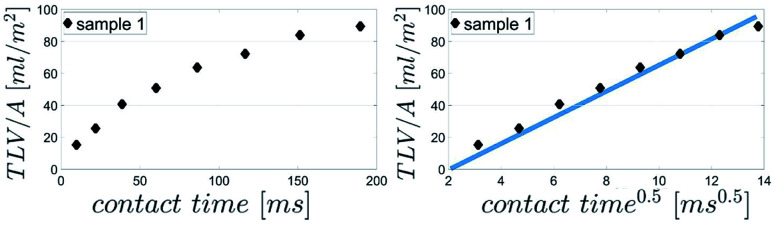
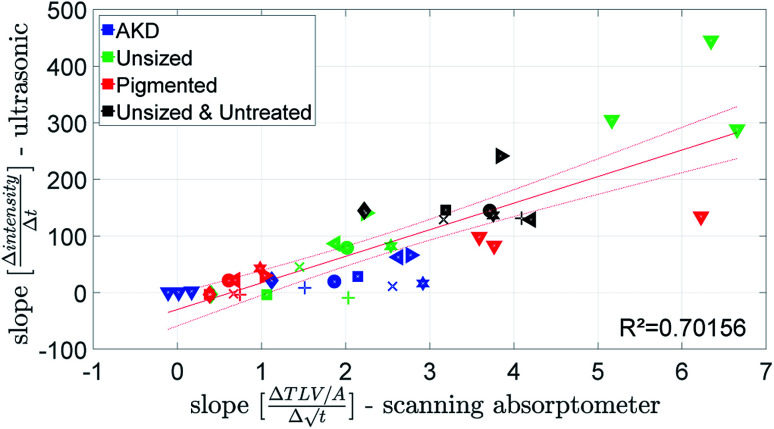
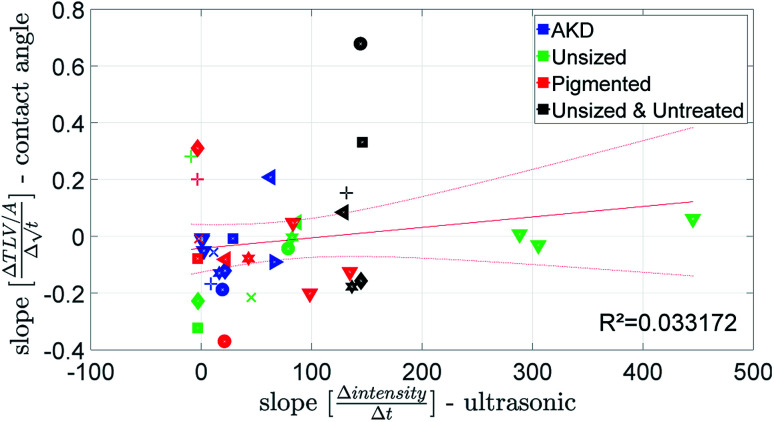
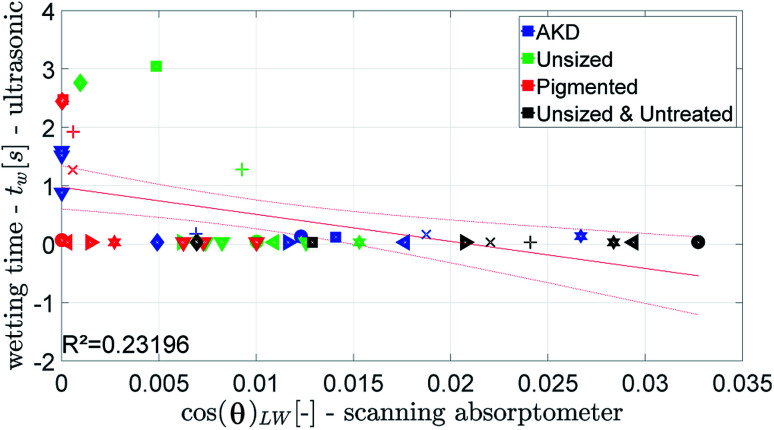
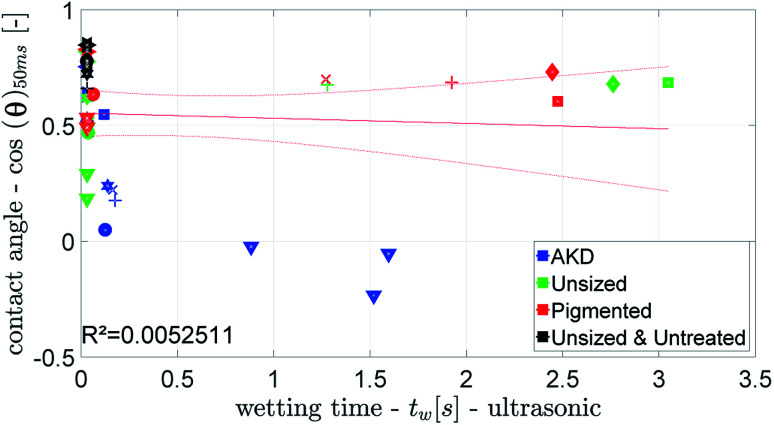
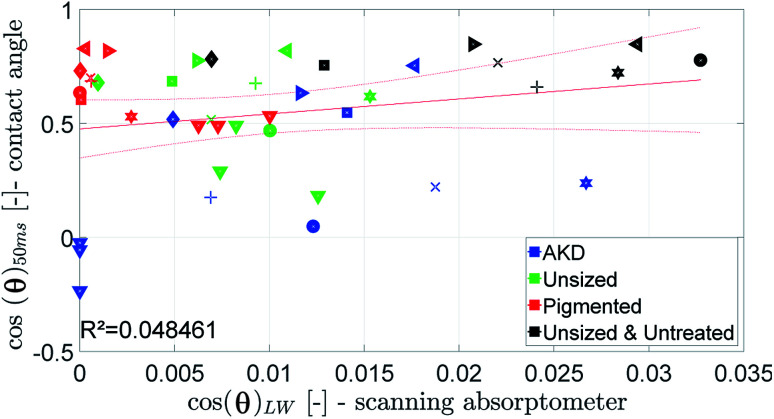
In this study the short timescale penetration and spreading of liquids on porous sheets is investigated. Three measurement techniques are evaluated: ultrasonic liquid penetration measurement (ULP), contact angle measurement (CA) and scanning absorptiometry (SA). With each of these techniques liquid penetration as well as surface wetting can be measured. A quantitative comparison between the methods is carried out. For our studies we are using model liquids with tuneable surface tension, viscosity and surface energy which are the governing parameters for pore flow according to the Lucas-Washburn equation. Scanning absorptiometry turns out to be an adequate tool for direct measurement for liquid penetration. Ultrasonic liquid penetration showed a stable correlation ( = 0.70) to SA and thus also gives a suitable indication on the liquid penetration behaviour. Absorption of individual microliter drops measured in the CA instrument showed different results than the other two measurements. For characterisation of the wetting behaviour the measurement techniques gave substantially different results. We thus conclude that ULP and SA do not capture the wetting behaviour of liquids on paper in the same way as conventional contact angle measurement, it is unclear if their results are meaningful. Finally we are proposing two parameters indicating a combination of liquid penetration and wetting, the slope of the contact angle over time d/d and a contact angle calculated from SA. These two parameters are moderately correlated, supporting the idea that they are indeed capturing a combination of liquid penetration and wetting. While our investigations are restricted to paper, we believe that the methods investigated here are generally applicable to study liquid absorption in thin porous media like microfluidic paper based analytical devices, thin porous storage media, membranes and the like. Our findings are highlighting the importance to have a match in timescale (time for penetration and wetting) and size scale (liquid amount supplied) between the testing method and the actual use case of the material, when analyzing wetting and penetration on porous materials.
在本研究中,对液体在多孔片材上的短时间尺度渗透和扩散进行了研究。评估了三种测量技术:超声液体渗透测量(ULP)、接触角测量(CA)和扫描吸收法(SA)。使用这些技术中的每一种都可以测量液体渗透以及表面润湿性。对这些方法进行了定量比较。在我们的研究中,我们使用具有可调表面张力、粘度和表面能的模型液体,根据卢卡斯-沃什伯恩方程,这些是孔隙流动的控制参数。扫描吸收法被证明是直接测量液体渗透的合适工具。超声液体渗透与SA显示出稳定的相关性( = 0.70),因此也能对液体渗透行为给出合适的指示。在CA仪器中测量的单个微升液滴的吸收结果与其他两种测量结果不同。对于润湿性的表征,测量技术给出了截然不同的结果。因此,我们得出结论,ULP和SA捕捉液体在纸张上的润湿性的方式与传统接触角测量不同,其结果是否有意义尚不清楚。最后,我们提出了两个表示液体渗透和润湿性组合的参数,即接触角随时间的斜率d/d和根据SA计算的接触角。这两个参数具有中等相关性,支持了它们确实捕捉到了液体渗透和润湿性组合的观点。虽然我们的研究仅限于纸张,但我们认为这里研究的方法通常适用于研究微流控纸基分析装置、薄多孔存储介质、膜等薄多孔介质中的液体吸收。我们的研究结果强调了在分析多孔材料上液体的润湿性和渗透性时,测试方法与材料实际使用情况在时间尺度(渗透和润湿时间)和尺寸尺度(供应的液体量)上相匹配的重要性。