Shi Min, Huang Rongshuang, Guo Fan, Li Lingzhi, Feng Yanhuan, Wei Zhengjie, Zhou Li, Ma Liang, Fu Ping
Kidney Research Institute, Division of Nephrology, West China Hospital of Sichuan University Chengdu 610041 No. 37 Guoxue Allay China
Chengdu No. 7 High School Chengdu 610041 China.
RSC Adv. 2018 Apr 23;8(27):15207-15214. doi: 10.1039/c8ra00122g. eCollection 2018 Apr 18.
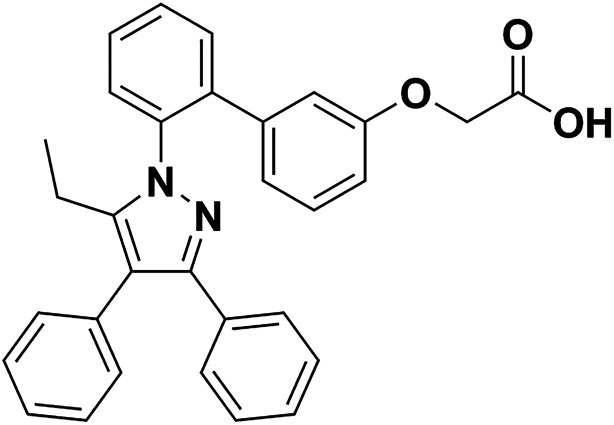
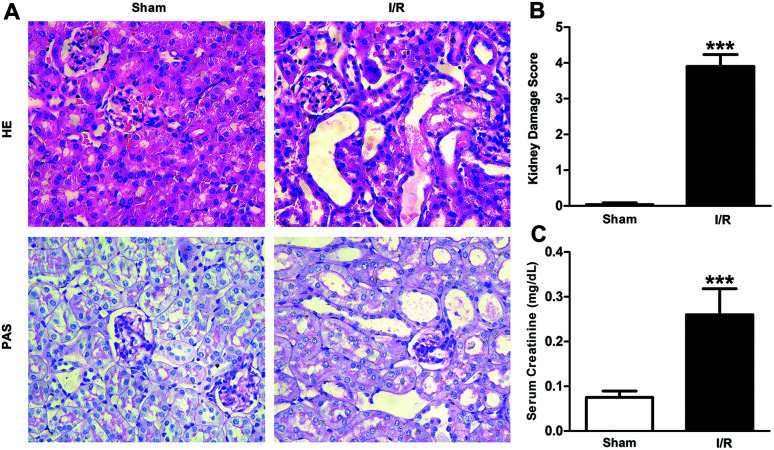
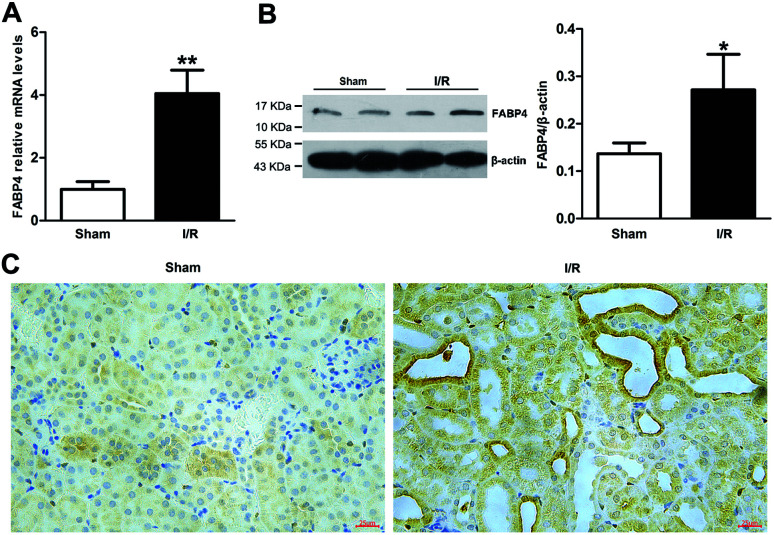
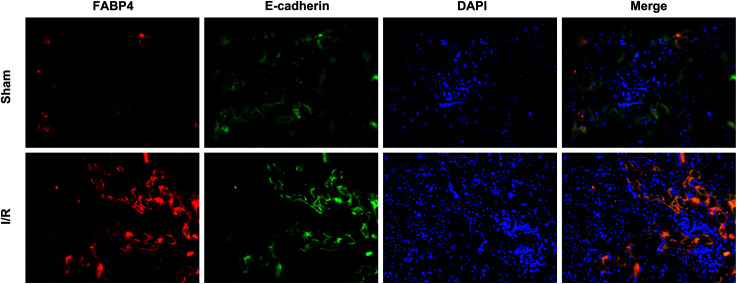
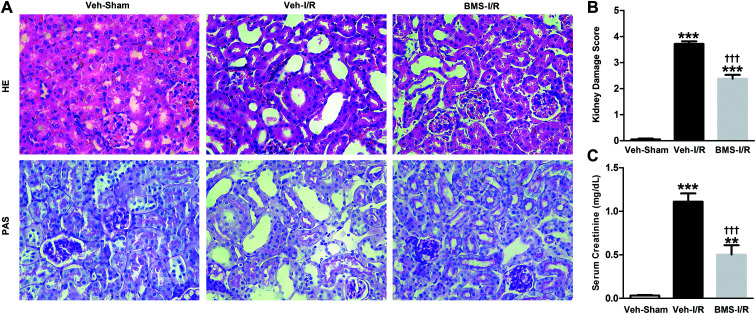
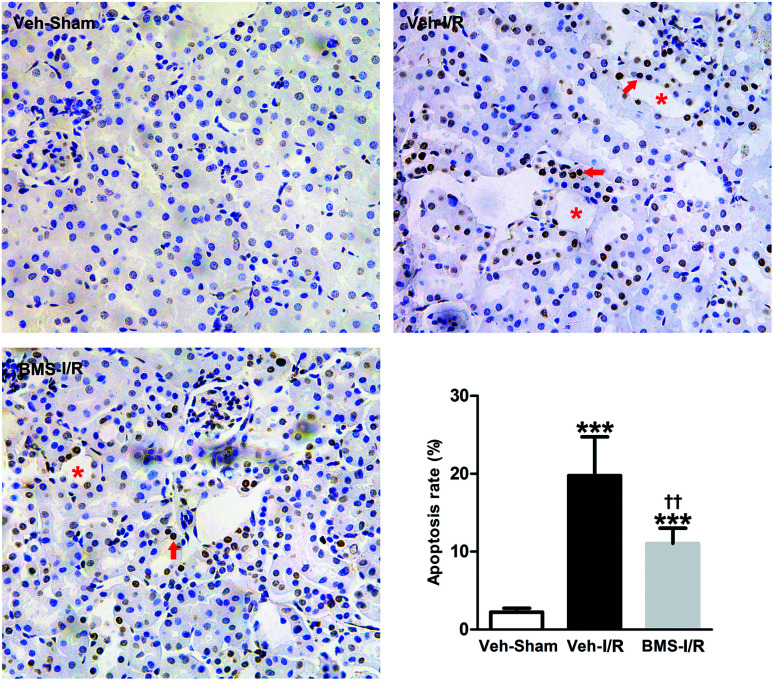
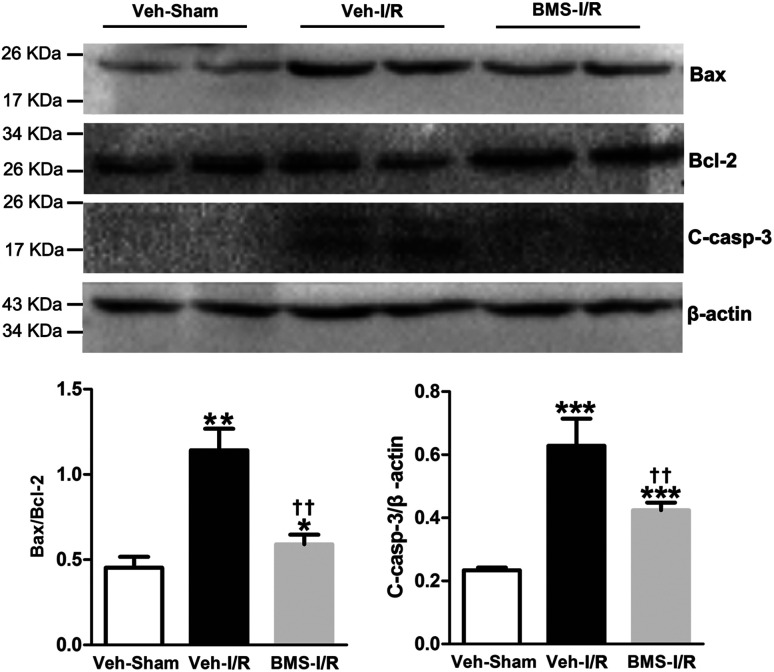
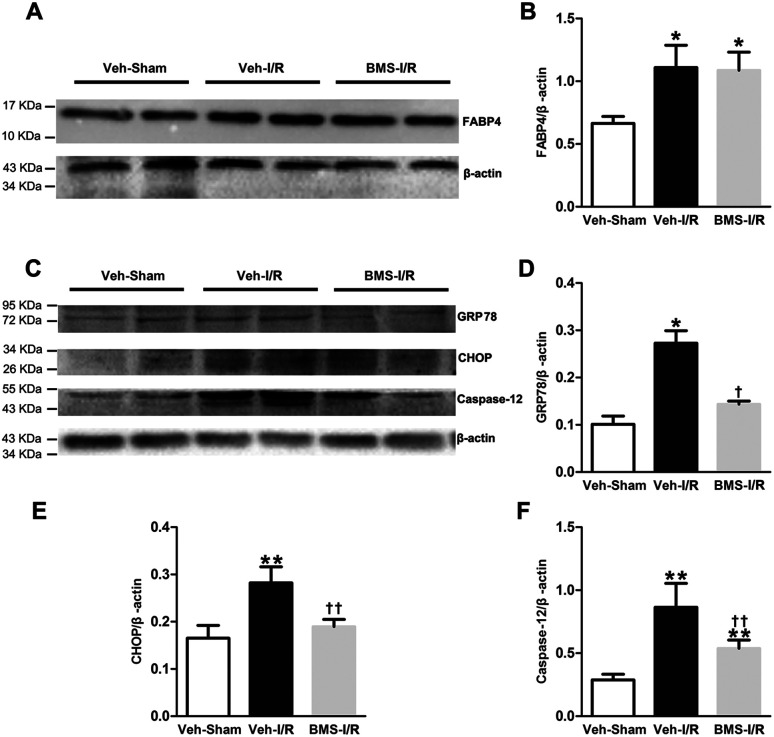
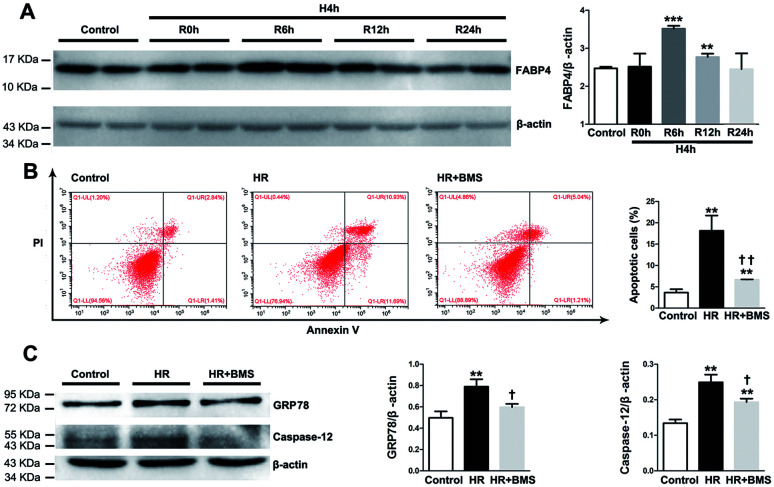
Fatty acid-binding protein 4 (FABP4) is a key mediator of endoplasmic reticulum (ER) stress and apoptosis in diabetes and atherosclerosis. Studies also confirmed that circulating FABP4 depended on renal function in chronic kidney disease (CKD) and acute kidney injury (AKI) patients. However, the function of FABP4 in AKI remains poorly understood and the aim of this study was to investigate the role of FABP4 in ischemia-reperfusion (I/R)-induced AKI. In the present study, renal I/R injury triggered the high expression of the FABP4 gene and protein in the nucleus and cytoplasm of tubular cells of mouse kidney tissue compared to that of Sham. Pretreatment with BMS309403, a highly selective inhibitor of FABP4 at a dose of 20 mg kg d for 4 d, significantly reduced serum creatinine levels to improve acute renal dysfunction and attenuated renal tubular damage in injured kidneys. Pharmacological inhibition of FABP4 also decreased the number of TdT-mediated dUTP nick-end labeling (TUNEL) positive apoptotic tubular cells, accompanied by the down-regulation of cleaved-caspase-3 expression. Furthermore, oral administration of FABP4 inhibitor resulted in a significant attenuation of ER stress indicated by its maker proteins expression of glucose-regulated protein 78 (GRP78), C/EBP homologous protein (CHOP), and caspase-12 in I/R injured kidneys. , the increased expression of FABP4 in the human renal proximal tubule cell line (HK-2 cell) was induced by hypoxia followed by reoxygenation (HR) and the FABP4 inhibitor resulted in a significant attenuation of cell apoptosis and ER stress in HR-induced HK-2 cells. In summary, these findings indicated that FABP4 contributed to the pathogenesis of I/R-induced AKI and suggested that the inhibition of FABP4 might be a promising therapeutic strategy for AKI treatment.
脂肪酸结合蛋白4(FABP4)是糖尿病和动脉粥样硬化中内质网(ER)应激和细胞凋亡的关键介质。研究还证实,慢性肾脏病(CKD)和急性肾损伤(AKI)患者循环中的FABP4依赖于肾功能。然而,FABP4在AKI中的功能仍知之甚少,本研究的目的是探讨FABP4在缺血再灌注(I/R)诱导的AKI中的作用。在本研究中,与假手术组相比,肾I/R损伤引发小鼠肾组织肾小管细胞核和细胞质中FABP4基因和蛋白的高表达。用FABP4的高选择性抑制剂BMS309403以20mg/kg·d的剂量预处理4天,可显著降低血清肌酐水平,改善急性肾功能障碍,并减轻损伤肾脏的肾小管损伤。对FABP4的药理学抑制还减少了末端脱氧核苷酸转移酶介导的dUTP缺口末端标记(TUNEL)阳性的凋亡肾小管细胞数量,同时伴随着裂解的半胱天冬酶-3表达的下调。此外,口服FABP4抑制剂可显著减轻I/R损伤肾脏中内质网应激,这通过其标记蛋白葡萄糖调节蛋白78(GRP78)、C/EBP同源蛋白(CHOP)和半胱天冬酶-12的表达来表明。在人肾近端小管细胞系(HK-2细胞)中,缺氧复氧(HR)诱导FABP4表达增加,FABP4抑制剂可显著减轻HR诱导的HK-2细胞凋亡和内质网应激。总之,这些发现表明FABP4参与了I/R诱导的AKI的发病机制,并提示抑制FABP4可能是治疗AKI的一种有前景的治疗策略。