Pintus Anna, Bochmann Manfred
School of Chemistry, University of East Anglia Norwich Research Park Norwich NR4 7TJ UK
RSC Adv. 2018 Jan 12;8(5):2795-2803. doi: 10.1039/c7ra13481a. eCollection 2018 Jan 9.
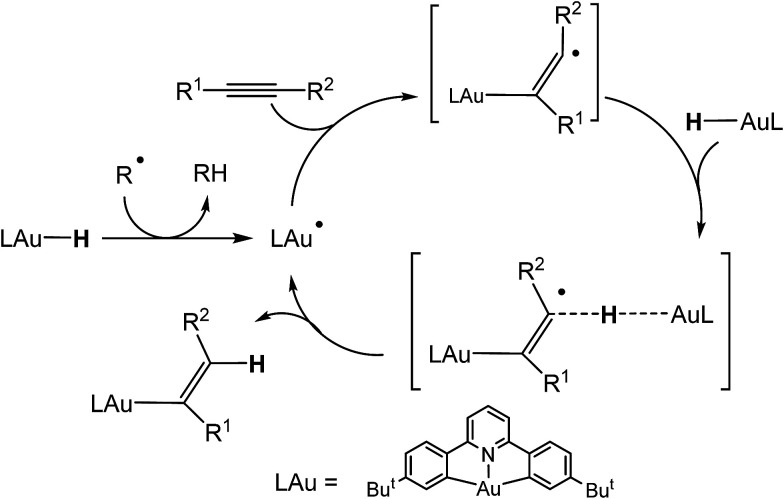
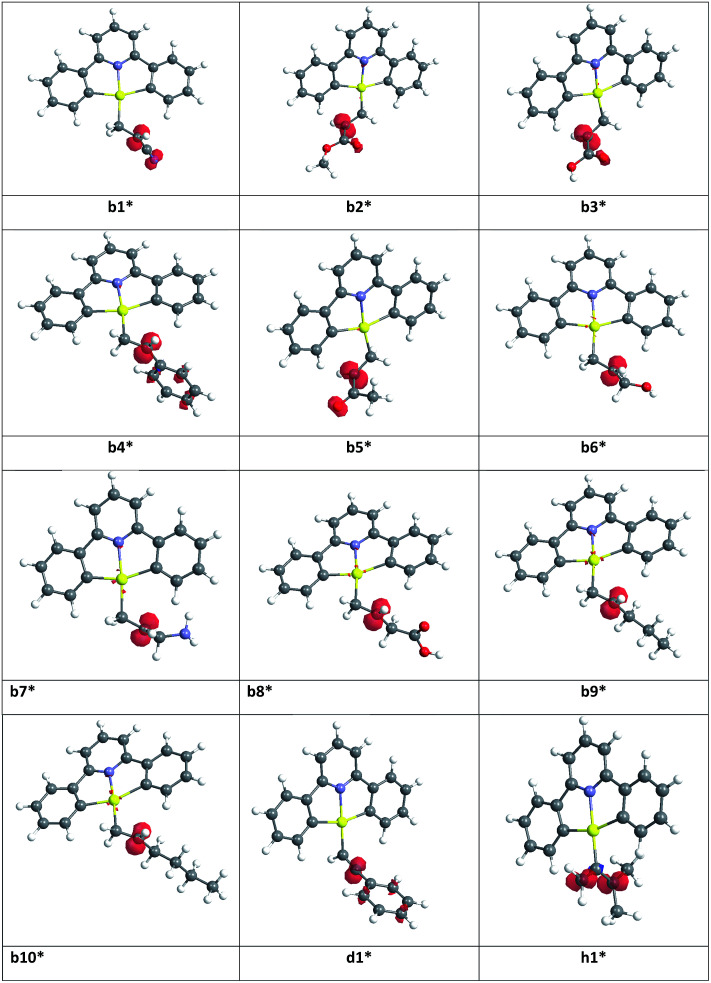
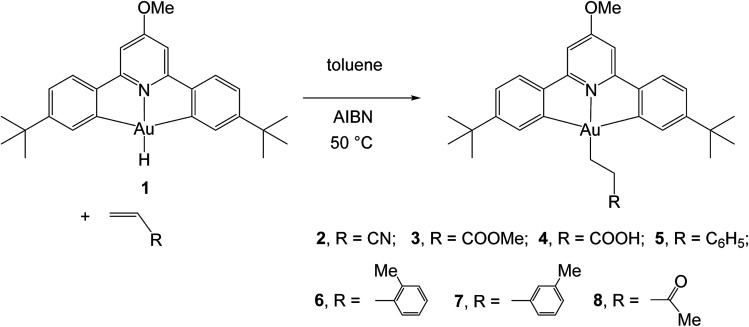
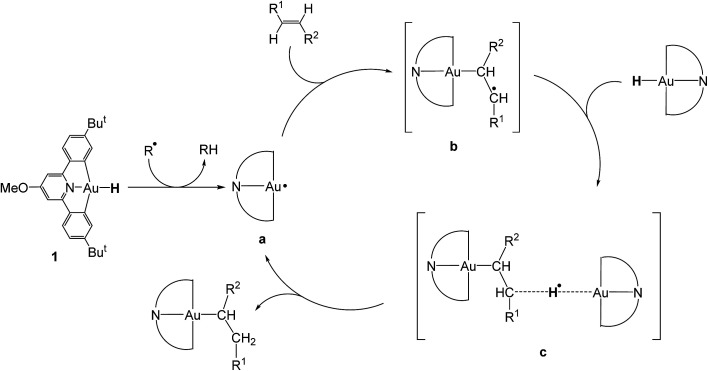
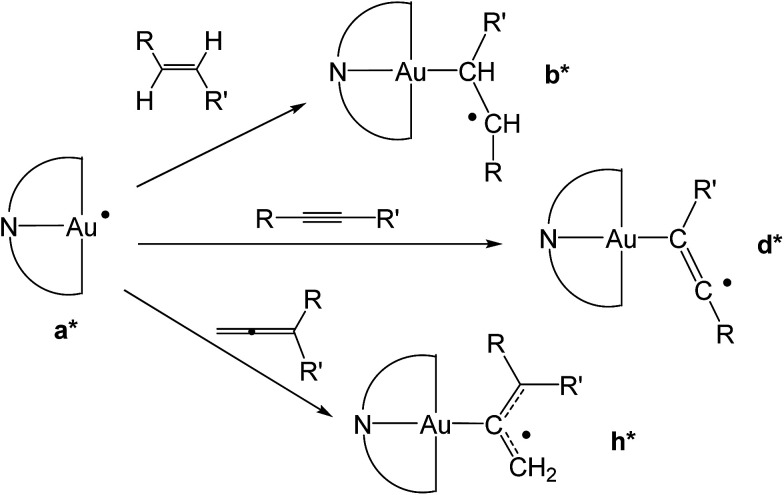
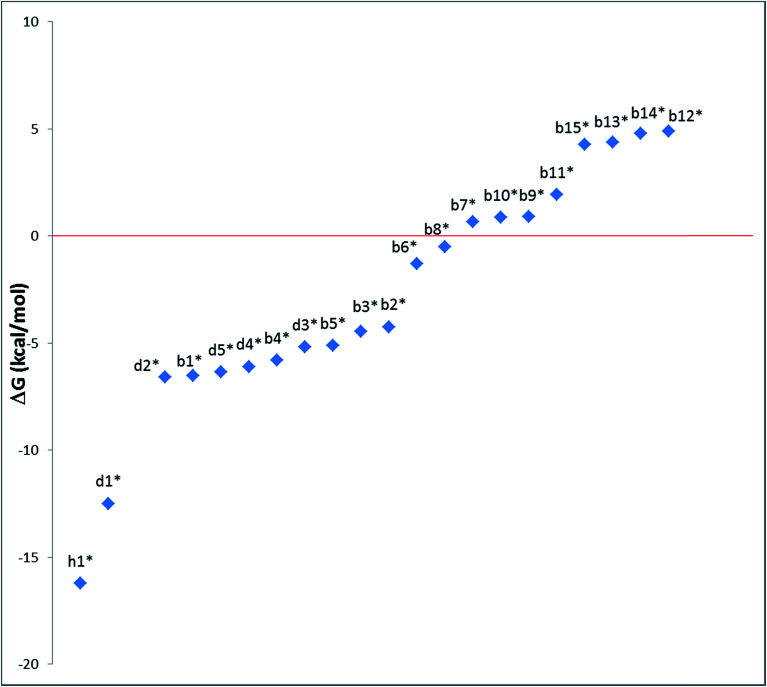
The hydroauration of functionalised 1-alkenes by the gold(iii) hydride (C^N^C)AuH is initiated by organic radicals and proceeds (C^N^C)Au(ii) radical intermediates following a bimolecular outer-sphere mechanism. The outcome of these reactions is determined by the stability of the gold-substituted radicals, and chemoselectivity correlates with the degree of spin delocalisation in the alkylgold radical intermediates. The reaction is sensitive to steric as well as electronic factors; disubstituted alkenes and alkenes that form unstable radicals give product mixtures or are unreactive. As DFT calculations show, the reactions agree well with the calculated reaction enthalpies and the standard free energy change for the reaction of the gold(ii) radical with the respective alkene.
氢化金(III) (C^N^C)AuH对官能化1-烯烃的氢金化反应由有机自由基引发,并通过双分子外层球机制生成(C^N^C)Au(ii)自由基中间体。这些反应的结果由金取代自由基的稳定性决定,化学选择性与烷基金自由基中间体中的自旋离域程度相关。该反应对空间位阻和电子因素敏感;二取代烯烃和形成不稳定自由基的烯烃会产生产物混合物或不发生反应。正如密度泛函理论计算所示,这些反应与计算得到的反应焓以及金(ii)自由基与相应烯烃反应的标准自由能变化吻合得很好。