Di Lecce Silvia, Lazarou Georgia, Khalit Siti H, Adjiman Claire S, Jackson George, Galindo Amparo, McQueen Lisa
Department of Chemical Engineering, Centre for Process Systems Engineering, Institute for Molecular Science and Engineering, South Kensington Campus, Imperial College London London SW7 2AZ UK
Chemical Development, GSK 1250 S Collegeville Rd Collegeville PA 19426 USA.
RSC Adv. 2019 Nov 21;9(65):38017-38031. doi: 10.1039/c9ra07057e. eCollection 2019 Nov 19.
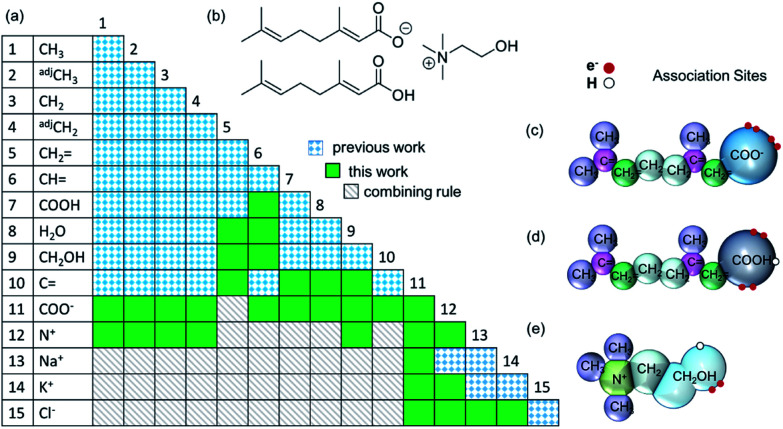
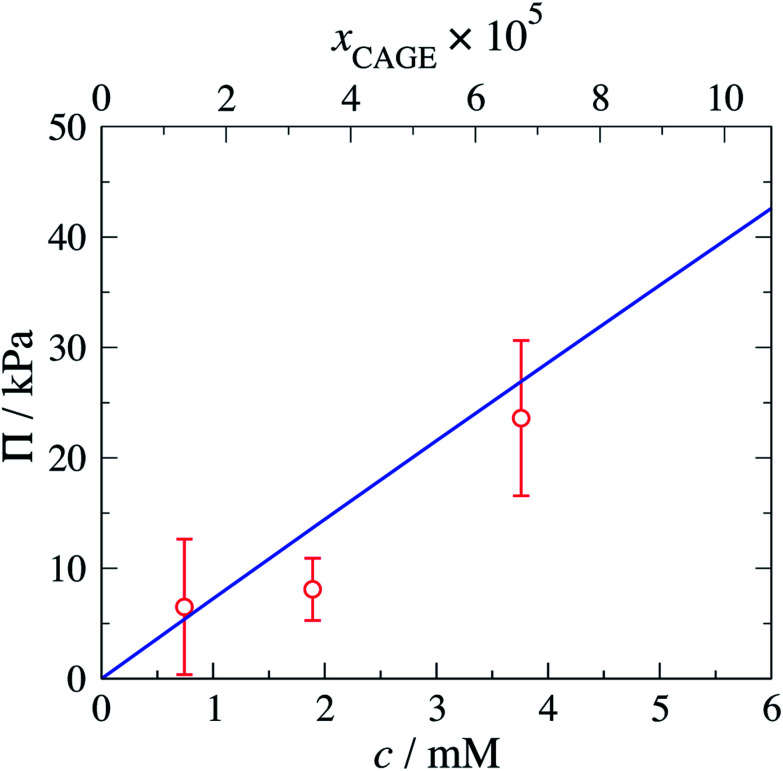
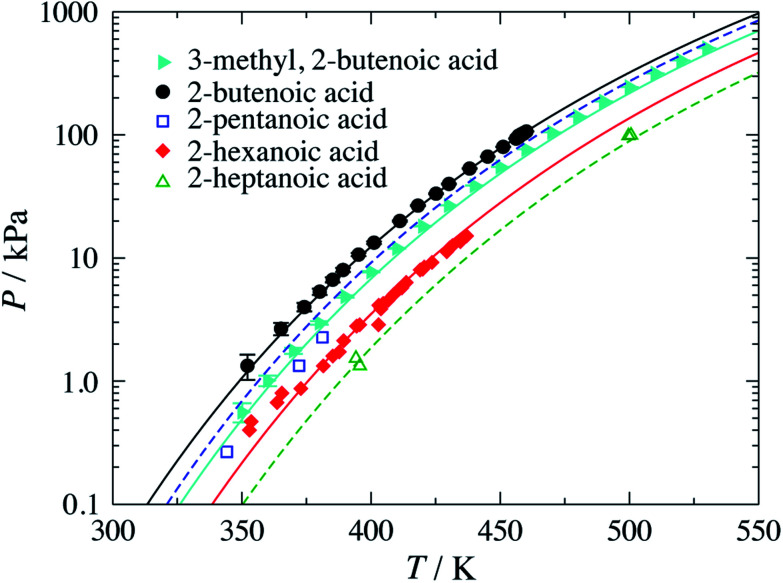
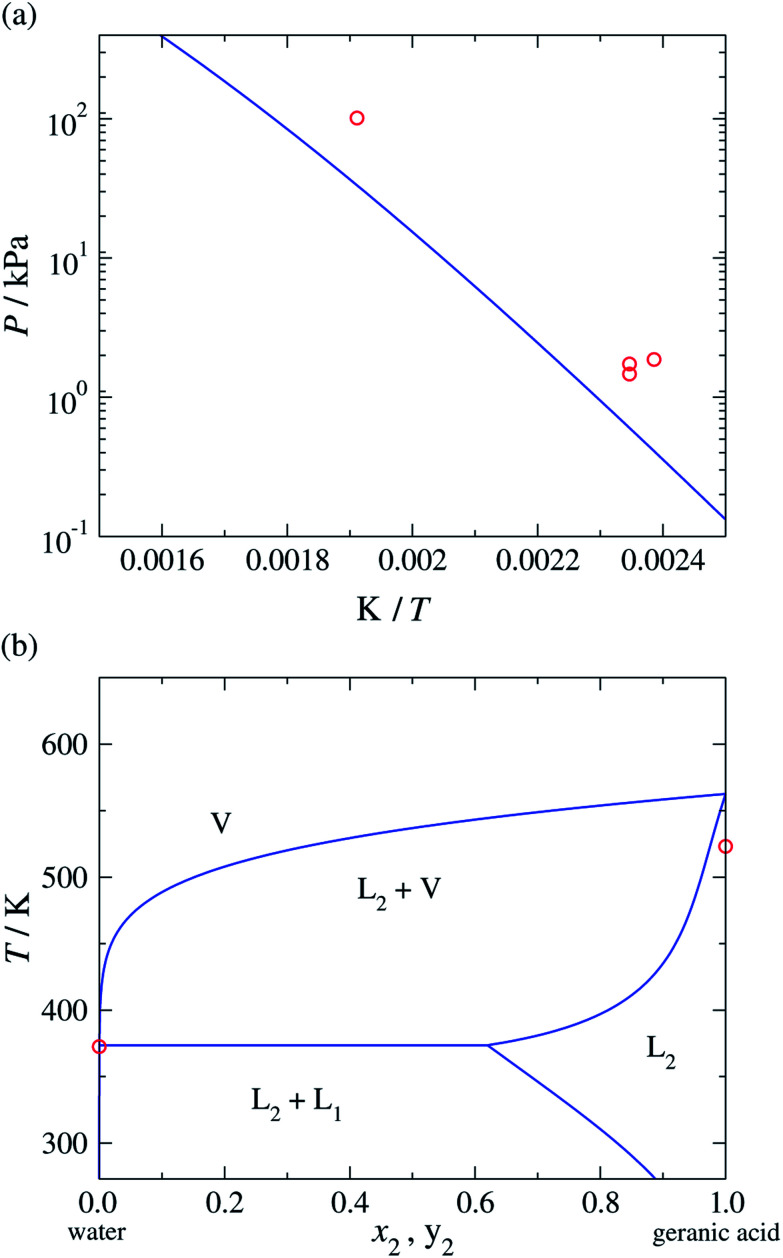
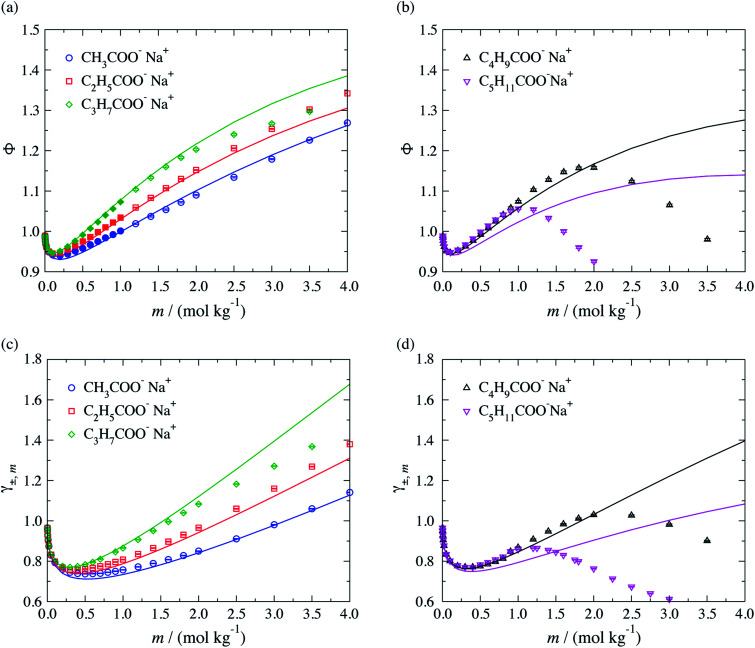
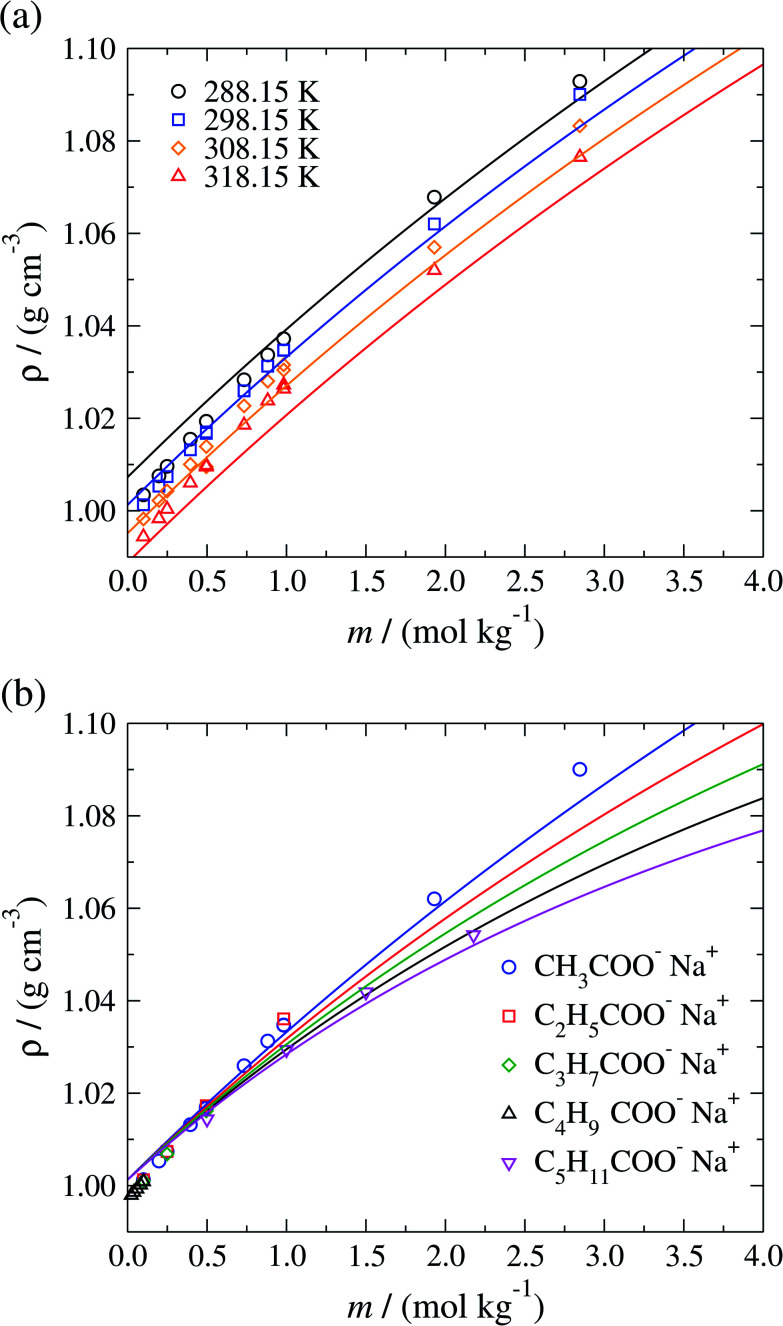
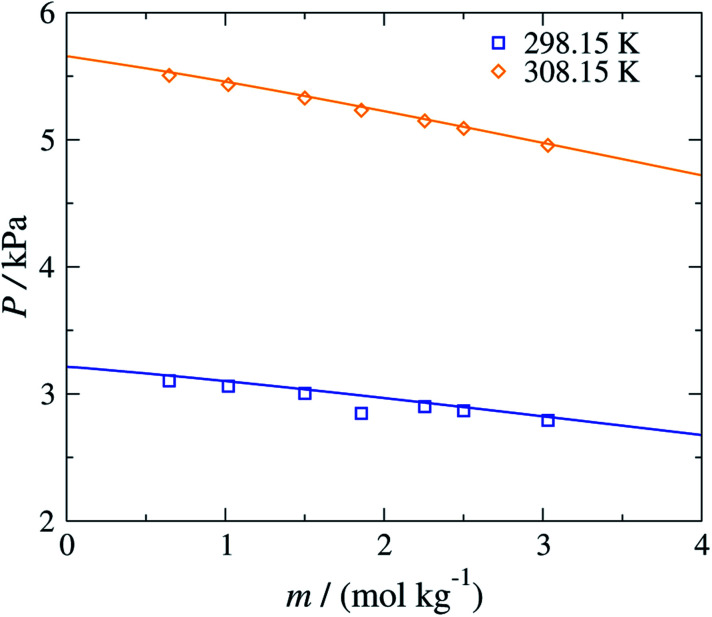
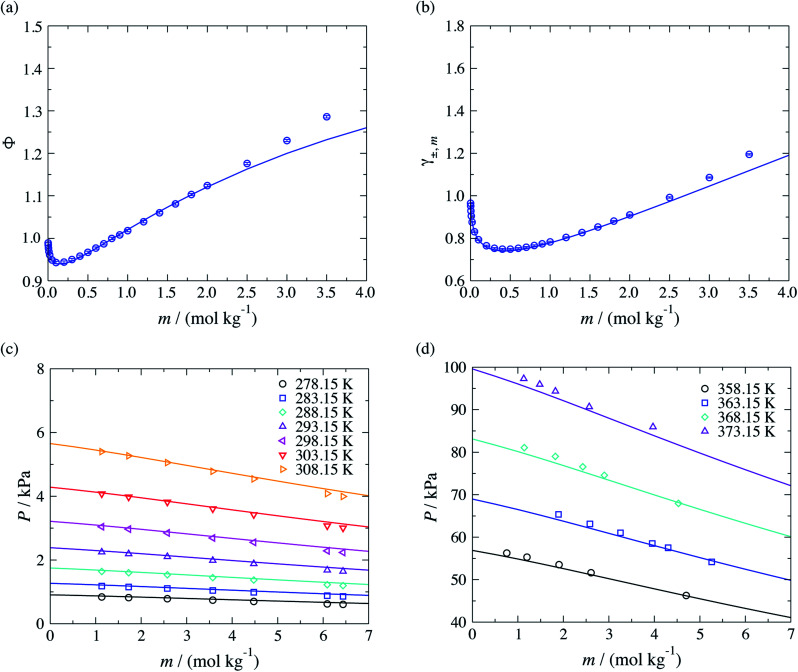
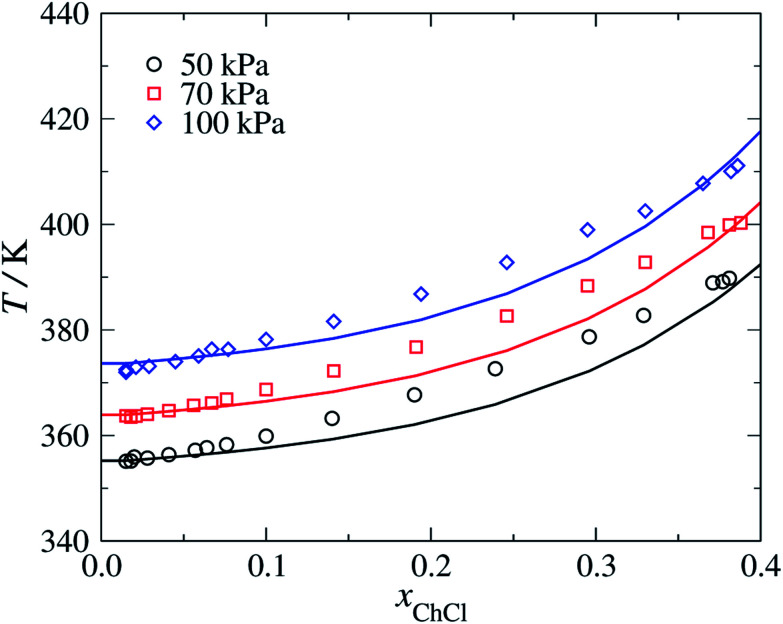
Deep-eutectic solvents and room temperature ionic liquids are increasingly recognised as appropriate materials for use as active pharmaceutical ingredients and formulation additives. Aqueous mixtures of choline and geranate (CAGE), in particular, have been shown to offer promising biomedical properties but understanding the thermophysical behaviour of these mixtures remains limited. Here, we develop interaction potentials for use in the SAFT-γ Mie group-contribution approach, to study the thermodynamic properties and phase behaviour of aqueous mixtures of choline geranate and geranic acid. The determination of the interaction parameters between chemical functional groups is carried out in a sequential fashion, characterising each group based on those previously developed. The parameters of the groups relevant to geranic acid are estimated using experimental fluid phase-equilibrium data such as vapour pressure and saturated-liquid density of simple pure components (-alkenes, branched alkenes and carboxylic acids) and the phase equilibrium data of mixtures (aqueous solutions of branched alkenes and of carboxylic acids). Geranate is represented by further incorporating the anionic carboxylate group, COO, which is characterised using aqueous solution data of sodium carboxylate salts, assuming full dissociation of the salt in water. Choline is described by incorporating the cationic quaternary ammonium group, N, using data for choline chloride solutions. The osmotic pressure of aqueous mixtures of CAGE at several concentrations is predicted and compared to experimental data obtained as part of our work to assess the accuracy of the modelling platform. The SAFT-γ Mie approach is shown to be predictive, providing a good description of the measured data for a wide range of mixtures and properties. Furthermore, the new group-interaction parameters needed to represent CAGE extend the set of functional groups of the group-contribution approach, and can be used in a transferable way to predict the properties of systems beyond those studied in the current work.
深共熔溶剂和室温离子液体越来越被认为是用作活性药物成分和制剂添加剂的合适材料。特别是,胆碱与香叶酸盐(CAGE)的水性混合物已显示出具有良好的生物医学特性,但对这些混合物的热物理行为的了解仍然有限。在此,我们开发了用于SAFT-γ Mie基团贡献法的相互作用势,以研究胆碱香叶酸盐和香叶酸的水性混合物的热力学性质和相行为。化学官能团之间相互作用参数的确定是按顺序进行的,根据先前开发的参数对每个基团进行表征。与香叶酸相关的基团参数是使用实验流体相平衡数据估算的,这些数据包括简单纯组分(烯烃、支链烯烃和羧酸)的蒸气压和饱和液体密度以及混合物(支链烯烃和羧酸的水溶液)的相平衡数据。通过进一步纳入阴离子羧酸盐基团COO来表示香叶酸盐,该基团使用羧酸钠盐水溶液数据进行表征,假设盐在水中完全解离。通过使用氯化胆碱溶液的数据纳入阳离子季铵基团N来描述胆碱。预测了几种浓度下CAGE水性混合物的渗透压,并将其与作为我们工作一部分获得的实验数据进行比较,以评估建模平台的准确性。结果表明,SAFT-γ Mie方法具有预测性,能够很好地描述各种混合物和性质的测量数据。此外,表示CAGE所需的新的基团相互作用参数扩展了基团贡献法的官能团集,并且可以以可转移的方式用于预测当前工作中未研究的系统的性质。