Key Laboratory of Combinatorial Biosynthesis and Drug Discovery, Ministry of Education, School of Pharmaceutical Sciences, Wuhan University, Wuhan 430071, PR China.
Int J Biol Sci. 2022 Apr 11;18(7):2898-2913. doi: 10.7150/ijbs.70975. eCollection 2022.
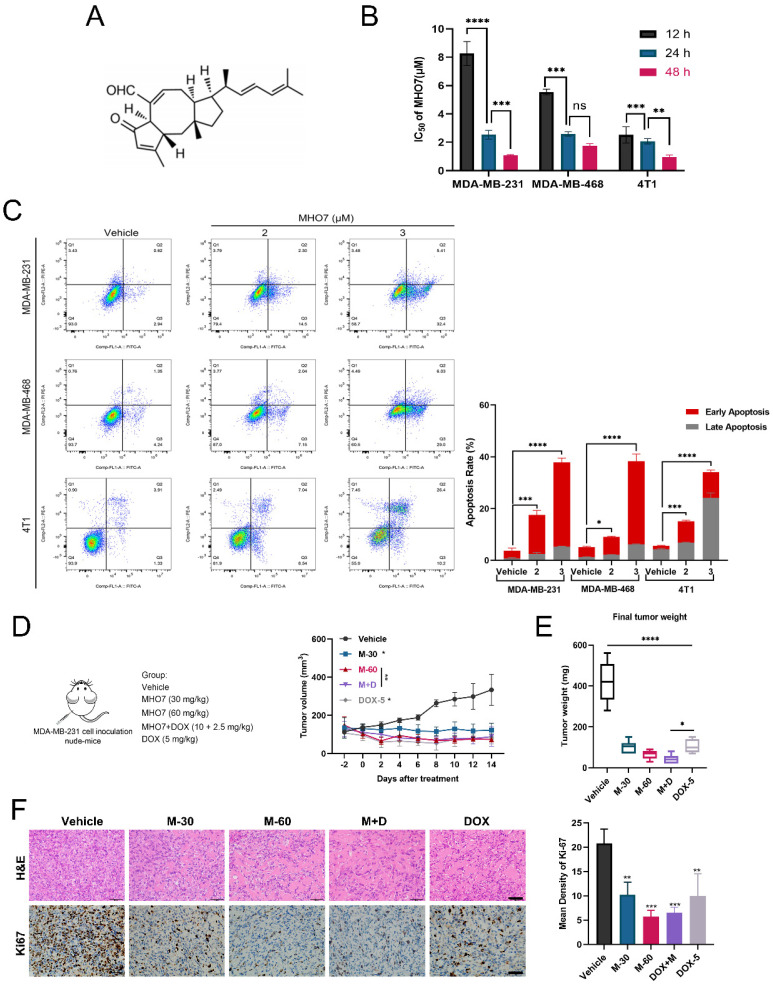
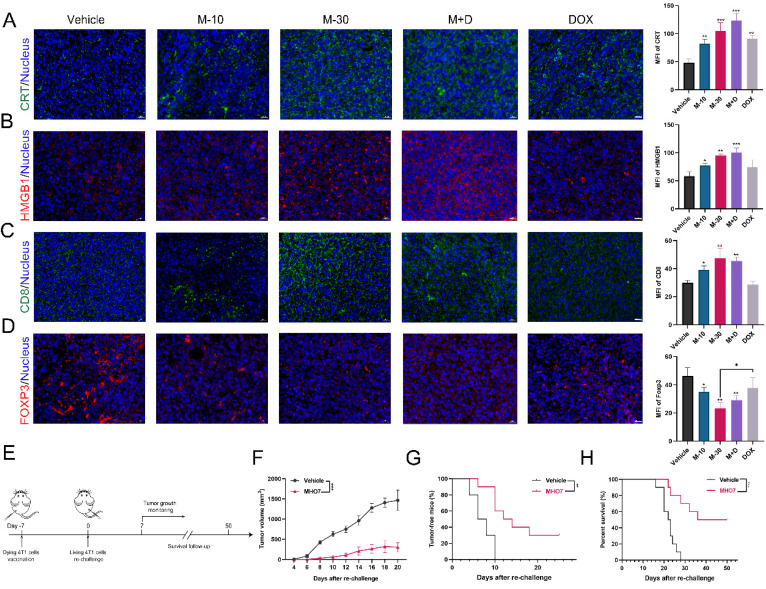
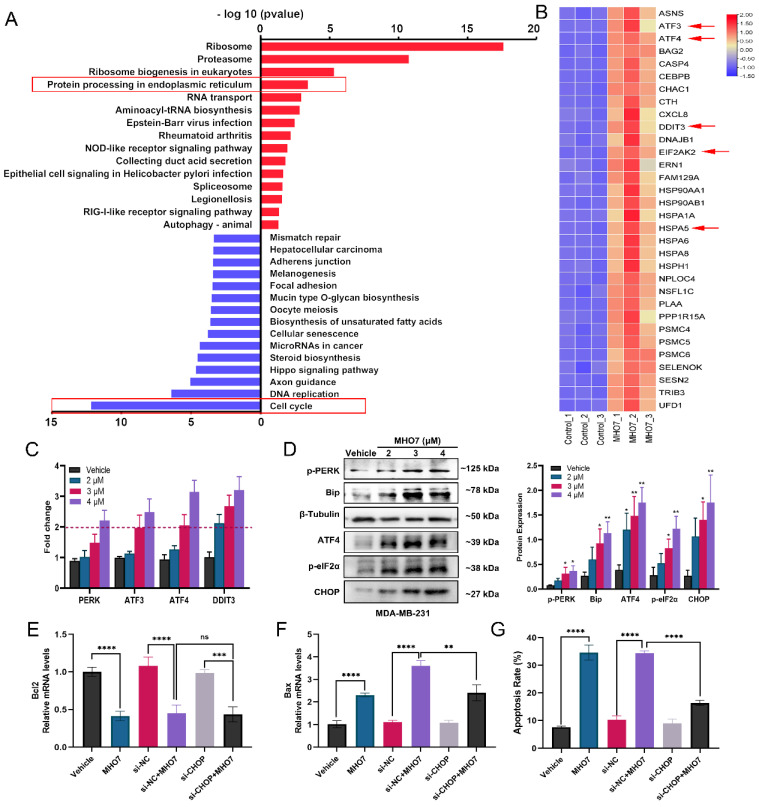
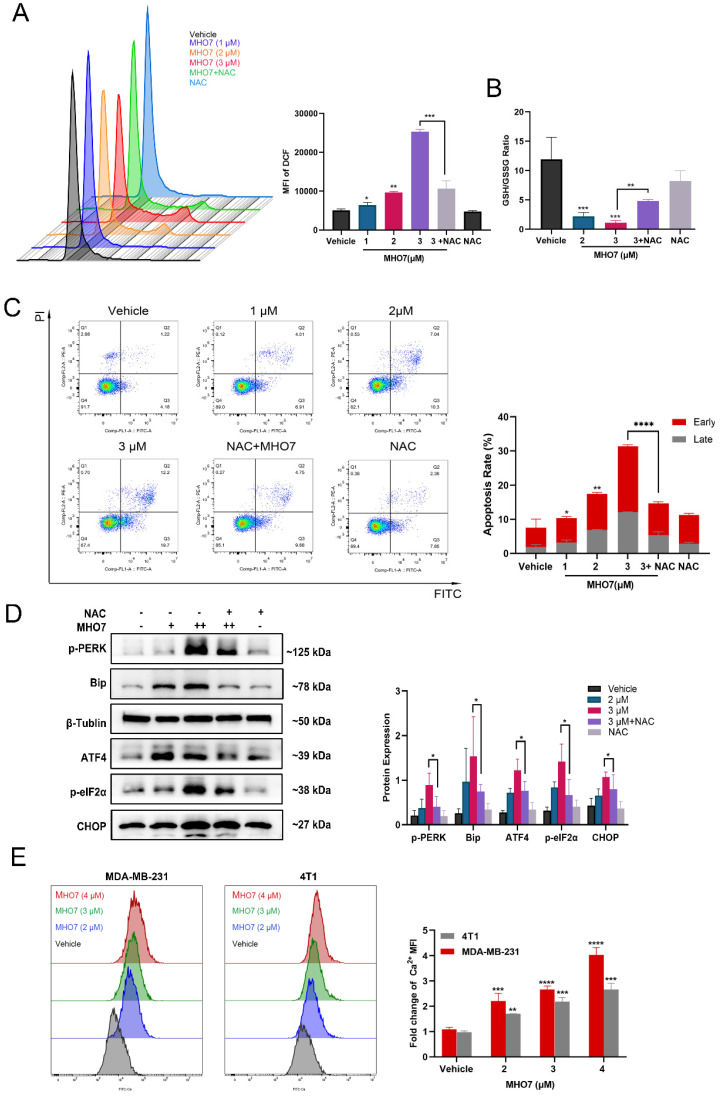
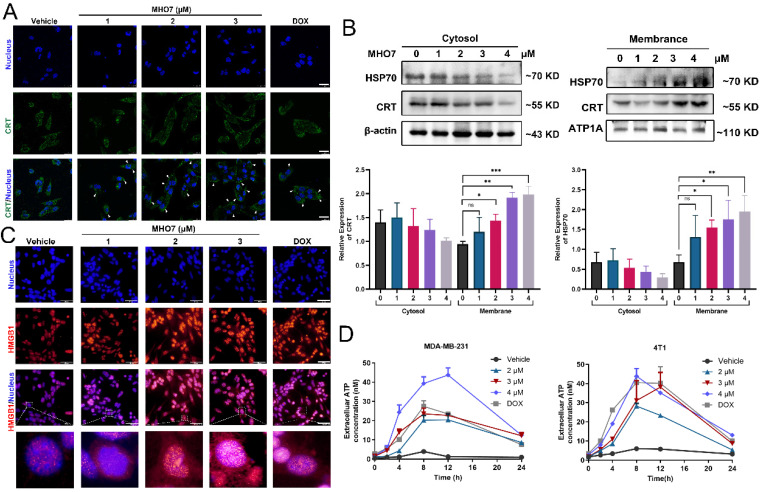
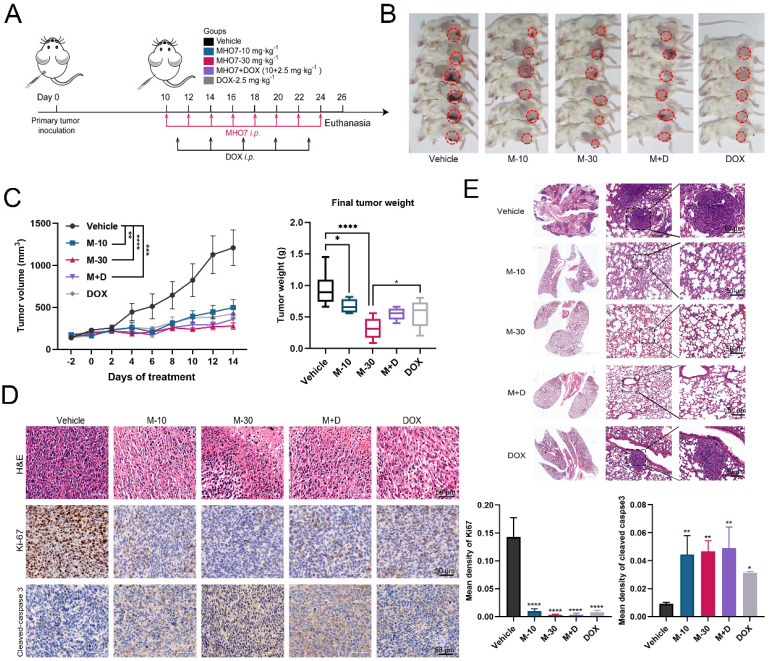
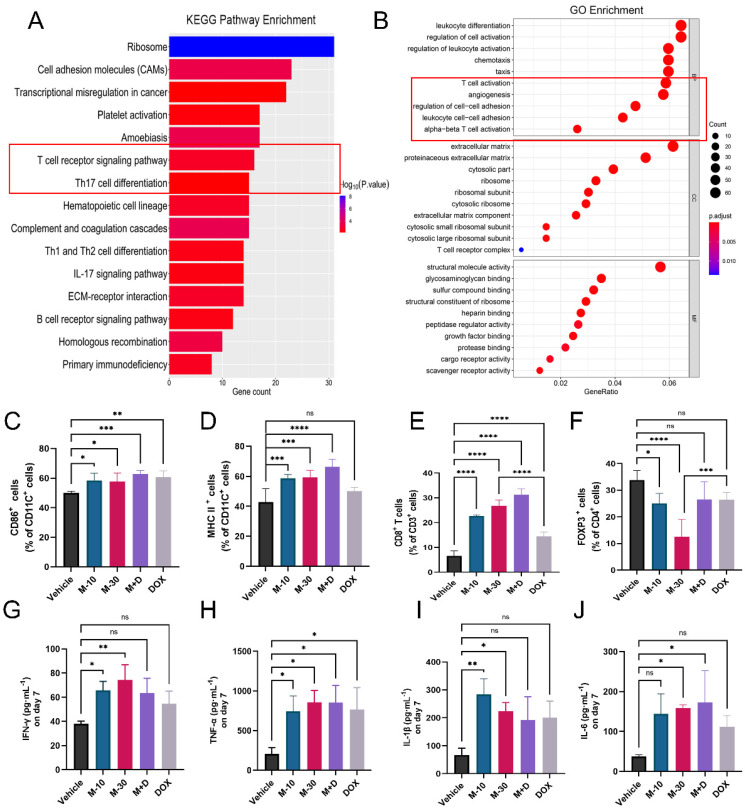
Although triple-negative breast cancer (TNBC) is the most refractory subtype among all breast cancers, it has been shown to have higher immune infiltration than other subtypes. We identified the marine-derived small molecule MHO7, which acts as a potent immunogenic cell death (ICD) inducer through the endoplasmic reticulum (ER) stress-C/EBP-homologous protein (CHOP) pathway, to treat TNBC. MHO7 exerted cytostatic and cytotoxic effects on TNBC cells at an IC of 0.96-1.75 µM and suppressed tumor growth with an approximately 80% inhibition rate at a dose of 60 mg/kg. In 4T1 cell tumor-bearing mice, 30 mg/kg MHO7 inhibited pulmonary metastasis with an efficacy of 70.26%. Transcriptome analyses revealed that MHO7 changed the transcription of genes related to ribosome and protein processes in the ER. MHO7 also triggered reactive oxygen species (ROS) generation and attenuated glutathione (GSH) levels, which caused excessive oxidative stress and ER stress via the PERK/eIF2α/AFT4/CHOP pathway and led to cell apoptosis. ER stress and ROS production facilitated the release of ICD-related danger-associated molecular patterns (DAMPs) from TNBC cells, which activated the immune response , as indicated by the release of antitumor cytokines such as IL-6, IL-1β, IFN-γ, and TNF-α, increases in CD86 and MHC-II dendritic cells and CD4 and CD8 T cells and a decrease in regulatory T cells (Tregs). These results reveal that MHO7 triggers an aggressive stress response to amplify tumor immunogenicity and induce a robust immune response. This synergistic effect inhibits primary breast cancer growth and spontaneous metastasis in TNBC, providing a new strategy for TNBC treatment.
尽管三阴性乳腺癌(TNBC)是所有乳腺癌中最具耐药性的亚型,但它已被证明具有比其他亚型更高的免疫浸润。我们鉴定了一种海洋来源的小分子 MHO7,它通过内质网(ER)应激-C/EBP 同源蛋白(CHOP)通路发挥作用,是一种有效的免疫原性细胞死亡(ICD)诱导剂,可用于治疗 TNBC。MHO7 在 IC 为 0.96-1.75 μM 的情况下对 TNBC 细胞表现出细胞抑制和细胞毒性作用,并在 60mg/kg 剂量下抑制肿瘤生长,抑制率约为 80%。在 4T1 细胞荷瘤小鼠中,30mg/kg 的 MHO7 抑制肺转移的疗效为 70.26%。转录组分析显示,MHO7 改变了与 ER 核糖体和蛋白质过程相关的基因的转录。MHO7 还引发了活性氧(ROS)的产生并降低了谷胱甘肽(GSH)水平,这通过 PERK/eIF2α/AFT4/CHOP 通路导致过度的氧化应激和 ER 应激,并导致细胞凋亡。ER 应激和 ROS 的产生促进了 TNBC 细胞中与 ICD 相关的危险相关分子模式(DAMPs)的释放,从而激活了免疫反应,如抗肿瘤细胞因子如 IL-6、IL-1β、IFN-γ 和 TNF-α的释放、CD86 和 MHC-II 树突状细胞以及 CD4 和 CD8 T 细胞的增加和调节性 T 细胞(Tregs)的减少。这些结果表明,MHO7 引发了一种侵袭性应激反应,以放大肿瘤免疫原性并诱导强烈的免疫反应。这种协同作用抑制了 TNBC 中的原发性乳腺癌生长和自发转移,为 TNBC 的治疗提供了一种新策略。