Alahmadi N S, Betts J W, Heinze T, Kelly S M, Koschella A, Wadhawan J D
School of Physical Sciences and Mathematics, Chemistry, University of Hull Cottingham Road Hull HU6 7RX UK
School of Veterinary Medicine, University of Surrey Daphne Jackson Road Guildford GU2 7AL UK.
RSC Adv. 2018 Jan 18;8(7):3646-3656. doi: 10.1039/c7ra12280b. eCollection 2018 Jan 16.
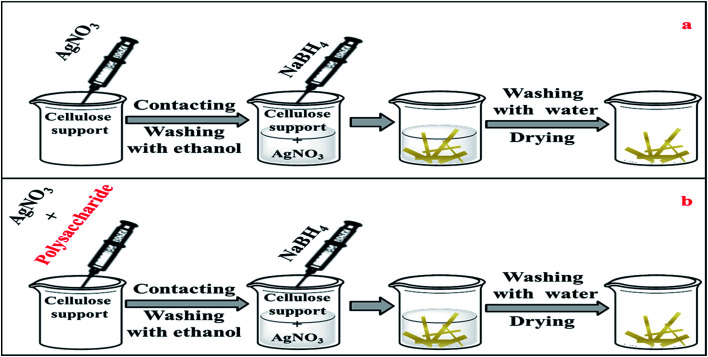
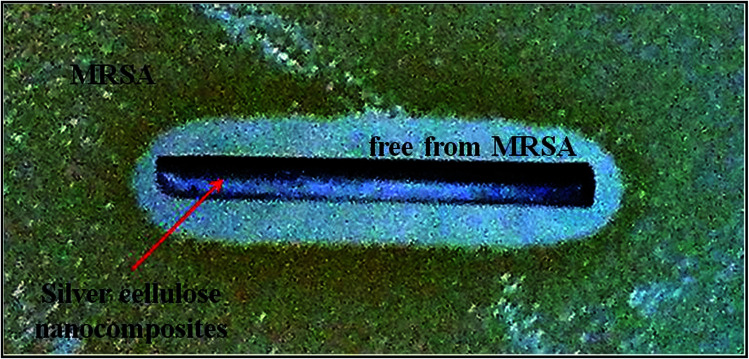
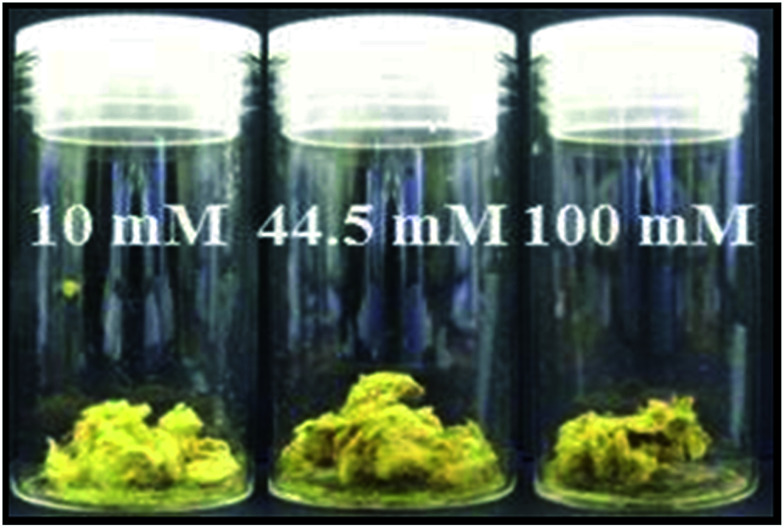
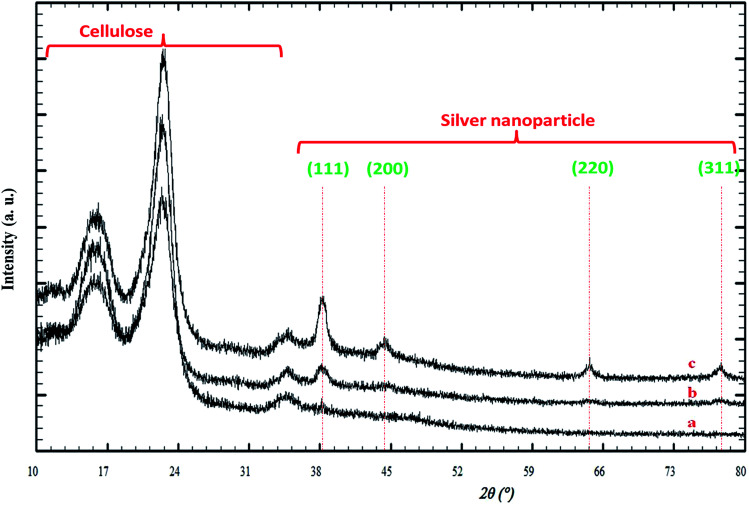
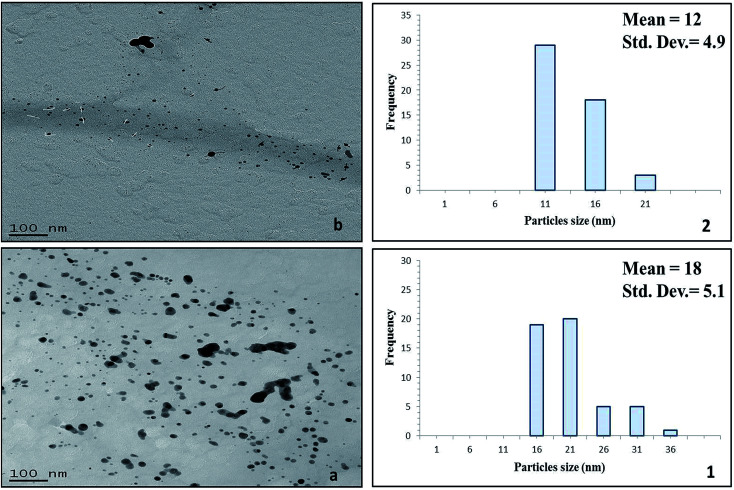
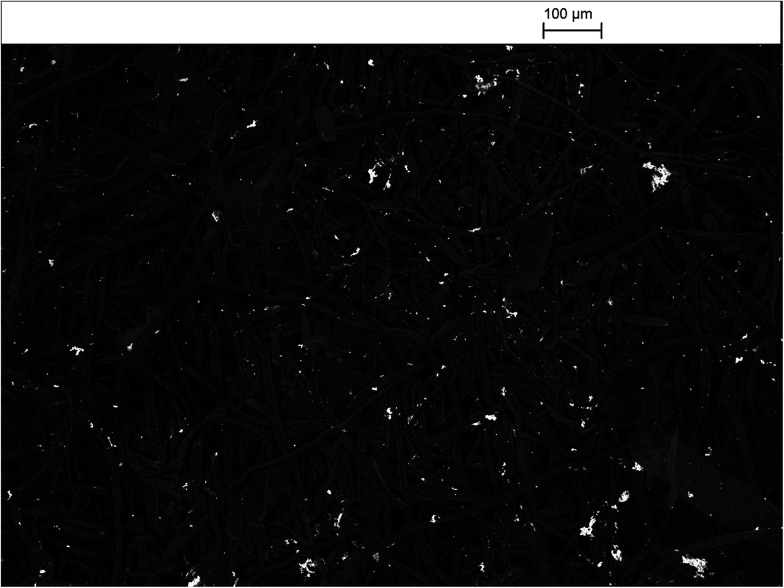
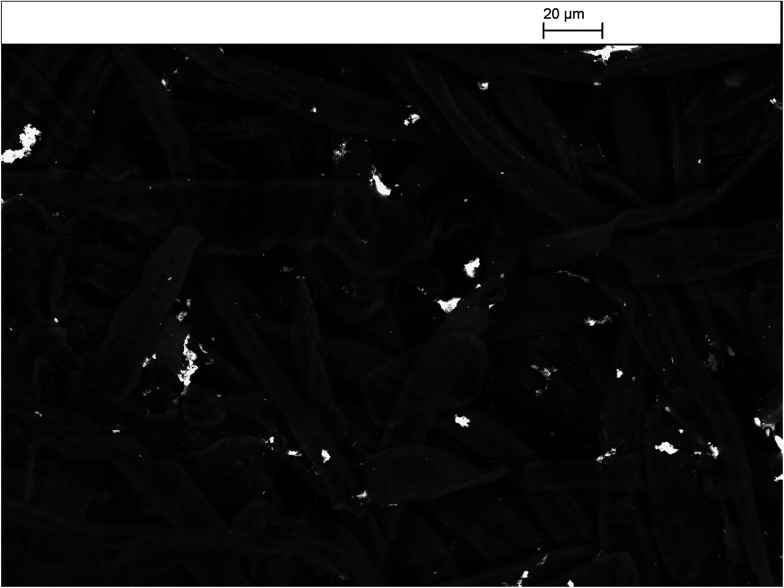
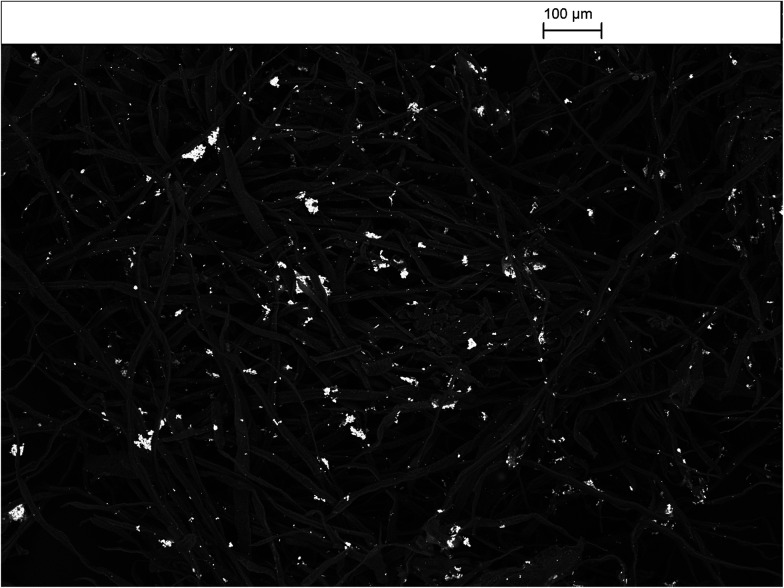
Small, spherical silver nanoclusters were synthesised on the surface of paper as a model cellulosic fibre substrate by a standard chemical reduction method. The concentration of the silver nanoclusters on the substrate surface is roughly proportional to the initial silver salt concentration. However, there is a noticeable degree of nanocluster aggregation to larger agglomerates. The addition of small amounts of α-cellulose, carboxymethyl cellulose or aminocellulose during the synthesis of the silver/cellulose nanocomposites suppresses this aggregation and significantly increases the concentration of the silver nanoclusters on the surface of the fibres of cellulose. These small, surface-stabilised silver nanoclusters, with the desired size and morphology, deposited from aqueous solutions on the surface of cellulosic cotton fibres, show enhanced antibacterial activity against MRSA compared to that of the corresponding silver/cotton nanocomposites prepared in the absence of a cellulosic surface stabiliser.
通过标准化学还原法在作为模型纤维素纤维基材的纸张表面合成了小的球形银纳米团簇。基材表面银纳米团簇的浓度大致与初始银盐浓度成正比。然而,纳米团簇明显聚集形成更大的聚集体。在银/纤维素纳米复合材料的合成过程中添加少量的α-纤维素、羧甲基纤维素或氨基纤维素可抑制这种聚集,并显著提高纤维素纤维表面银纳米团簇的浓度。这些尺寸和形态符合要求、表面稳定的小银纳米团簇从水溶液沉积在棉纤维素纤维表面,与在没有纤维素表面稳定剂的情况下制备的相应银/棉纳米复合材料相比,对耐甲氧西林金黄色葡萄球菌(MRSA)显示出增强的抗菌活性。