Department of Epidemiology and Biostatistics, School of Public Health, Xinjiang Medical University, Urumqi, Xinjiang, China.
Shenzhen Campus of Sun Yat-sen University, School of Public Health (Shenzhen), Sun Yat-Sen University, Guangzhou, Guangdong, China.
BMJ Open. 2022 May 11;12(5):e048242. doi: 10.1136/bmjopen-2020-048242.
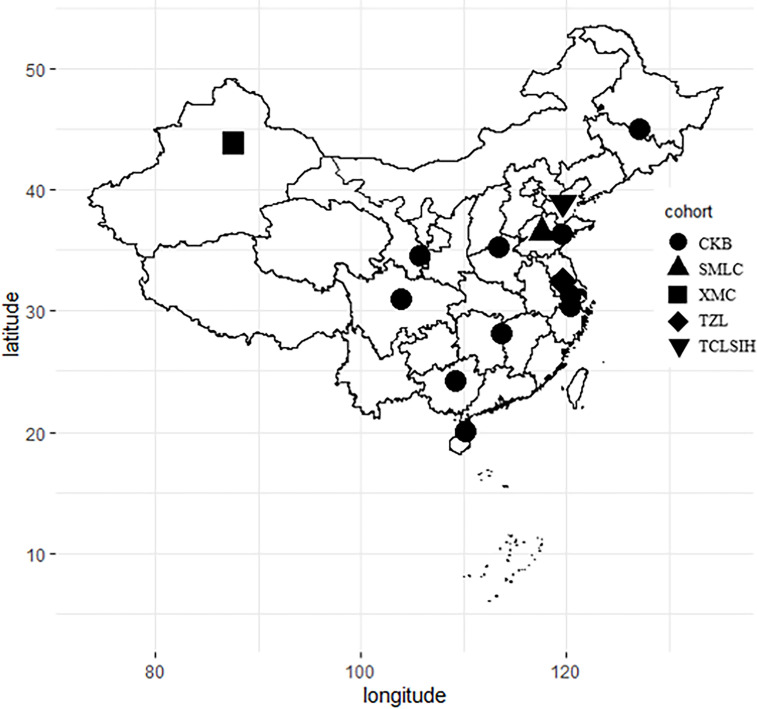
To investigate the potential causal link between heredity, geographical environment, diet and other lifestyle factors with long-term health consequences, we established the Xinjiang Multiethnic Cohort Study (XMC), the first large-scale prospective cohort in Xinjiang, China.
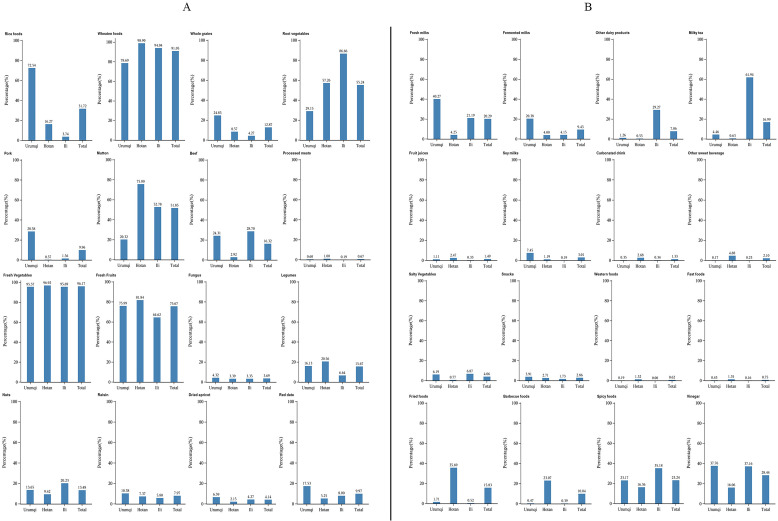
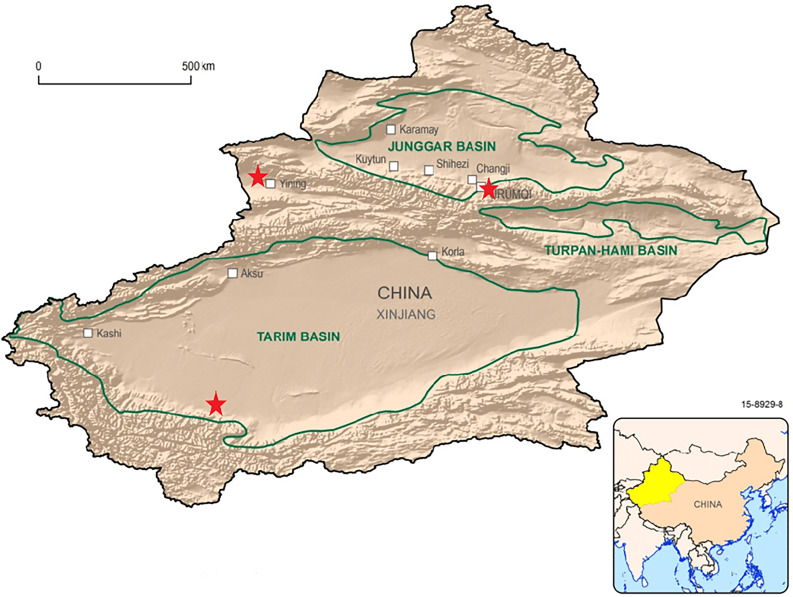
XMC commenced in 2018 and enrolled participants from three study sites (Urumqi, Hotan and Ili) in Xinjiang, China. Data collected include standard baseline questionnaire, physical measurement, biological specimen. In addition, about one-third of participants were assessed habitual diet by a more detailed semiquantitative food frequency questionnaire which included 127 foods items at baseline FINDINGS TO DATE: Finally, a total of 30 949 participants, with 32.37% from Urumqi, 41.75% from Hotan, and 25.88% from Ili were recruited in XMC. The average age of participants was 56.21 years for men, and 54.75 years for women. More than 60% of participants in all three survey sites reported an average consumption of fruit and vegetable three or more times per week. In Hotan and Ili, the staple food was wheaten food, whereas, in Urumqi, rice and wheaten food was the food staples. Consumption of white meat, such as fish and poultry, was lower in the three survey locations. Based on self-reported disease from study participants, the five most common chronic diseases among participants across all three survey locations were dyslipidaemia, hypertension, cholecystitis, diabetes, ischaemic heart disease.
First, we will collect all health-related records of the study participants in January each year for the previous year. Second, 10% of subjects were randomly selected for telephone follow-up in the final year of cohort building. Finally, as planned, we will revisit the study subjects on site every 2-3 years. Again, we will conduct face-to-face questionnaires and collect biological specimens such as blood and urine from the study subjects.
为了探究遗传、地理环境、饮食和其他生活方式因素与长期健康后果之间的潜在因果关系,我们建立了新疆多民族队列研究(XMC),这是中国新疆第一个大规模的前瞻性队列研究。
XMC 于 2018 年启动,从中国新疆的三个研究点(乌鲁木齐、和田和伊犁)招募参与者。收集的数据包括标准基线问卷、身体测量、生物样本。此外,大约三分之一的参与者通过更详细的半定量食物频率问卷评估了习惯性饮食,该问卷包括 127 种食物项目,基线时 FINDINGS 至今:最后,XMC 共招募了 30949 名参与者,其中 32.37%来自乌鲁木齐,41.75%来自和田,25.88%来自伊犁。参与者的平均年龄为男性 56.21 岁,女性 54.75 岁。所有三个调查点的参与者中,超过 60%的人报告每周平均食用水果和蔬菜三次或更多次。在和田和伊犁,主食是面食,而在乌鲁木齐,主食是米饭和面食。在这三个调查地点,白肉(如鱼和禽肉)的消费较低。根据研究参与者的自我报告疾病,所有三个调查地点参与者中最常见的五种慢性疾病是血脂异常、高血压、胆囊炎、糖尿病、缺血性心脏病。
首先,我们将在每年 1 月收集所有与健康相关的研究参与者记录,以了解前一年的情况。其次,在队列建设的最后一年,我们将随机抽取 10%的受试者进行电话随访。最后,按计划,我们将每 2-3 年对研究对象进行一次现场回访。同样,我们将对研究对象进行面对面的问卷调查,并从研究对象中收集血液和尿液等生物样本。