Fitzpatrick Rachel, McGuire Brian E, Lydon Helena K
School of Psychology and Centre for Pain Research and Applied Behaviour Research Clinic National University of Ireland Galway UK.
Paediatr Neonatal Pain. 2022 Feb 28;4(1):23-33. doi: 10.1002/pne2.12076. eCollection 2022 Mar.
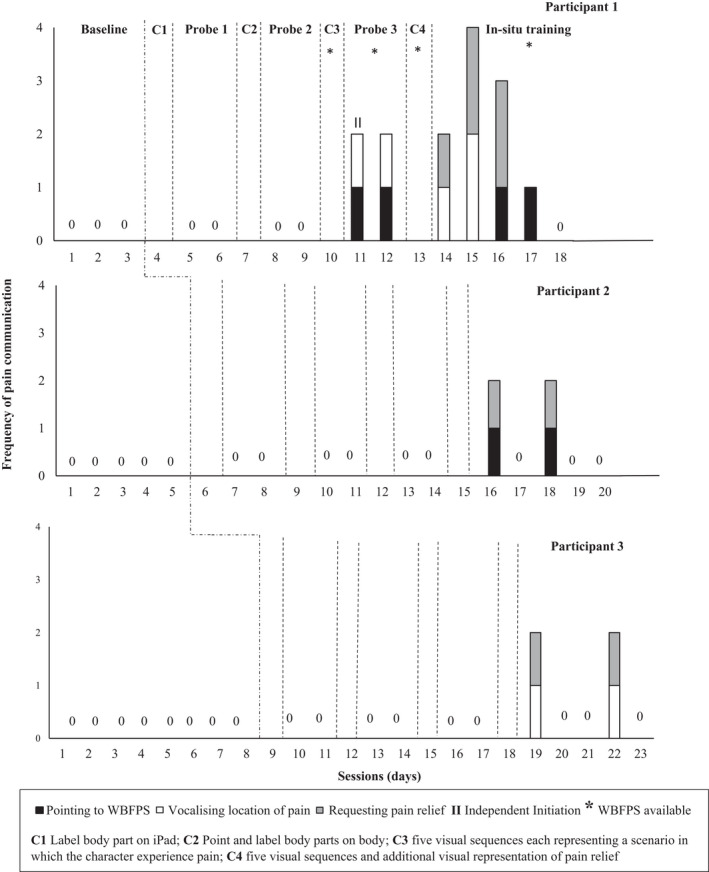
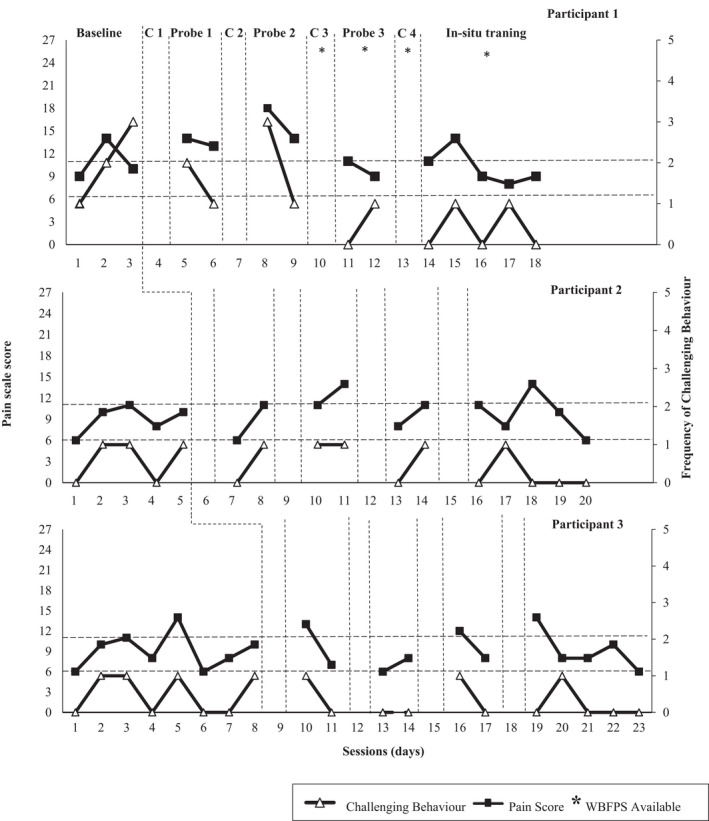
The communication of pain in individuals with co-morbid Autism Spectrum Disorder and intellectual disability (ASD-ID) is largely unexplored. The communication deficits associated with ASD-ID can result in nonverbal behavior such as self-injurious behavior, aggression, irritability, and reduced activity as a means to communicate that pain is present. The objective of this study was to determine whether a behavioral-based educational intervention could increase the pain-related communication of children with ASD-ID who experience pain frequently. Specifically, the study aimed to determine if children with ASD-ID can label the location of their pain or quantify pain severity and request pain relief. The sample included three children with ASD-ID who experienced pain frequently. The intervention utilized educational materials and behavioral reinforcements and the intervention was conducted using a series of case studies. Pain was assessed daily by caregivers using the Non-Communicating Children's Pain Checklist-Postoperative (NCCPC-PV) and the ability of the individual to identify and express pain was recorded using the Wong Baker FACES Pain (WBFPS) Scale. Challenging behavior was recorded based on frequency count. The results indicated that all participants displayed the ability to independently respond to a question about how they were feeling by vocalizing the location of pain or indicating their level of pain on the WBFPS and requesting pain relief. The results suggest a role for behavioral-based educational interventions to promote communication of pain in people with ASD-ID.
患有共病自闭症谱系障碍和智力残疾(ASD-ID)的个体的疼痛交流情况在很大程度上尚未得到探索。与ASD-ID相关的交流缺陷可能导致诸如自伤行为、攻击行为、易怒和活动减少等非语言行为,以此作为传达疼痛存在的一种方式。本研究的目的是确定基于行为的教育干预是否能够增加经常经历疼痛的ASD-ID儿童与疼痛相关的交流。具体而言,该研究旨在确定患有ASD-ID的儿童是否能够说出疼痛的位置、量化疼痛严重程度并请求缓解疼痛。样本包括三名经常经历疼痛的ASD-ID儿童。干预使用了教育材料和行为强化措施,并且干预是通过一系列案例研究进行的。照顾者每天使用《非语言儿童疼痛清单-术后版》(NCCPC-PV)对疼痛进行评估,并使用面部表情疼痛量表(WBFPS)记录个体识别和表达疼痛的能力。基于频率计数记录具有挑战性的行为。结果表明,所有参与者都表现出能够通过说出疼痛位置、在WBFPS上指出疼痛程度并请求缓解疼痛,来独立回应关于他们感受如何的问题。结果表明基于行为的教育干预在促进ASD-ID患者的疼痛交流方面具有作用。