Rutgers Cancer Institute of New Jersey, Rutgers, The State University of New Jersey, 195 Little Albany Street, New Brunswick, NJ 08903, USA.
Department of Pharmacology, Robert Wood Johnson Medical School, Rutgers, The State University of New Jersey, 675 Hoes Lane, Piscataway, NJ 08854, USA.
Theranostics. 2022 Apr 24;12(7):3518-3533. doi: 10.7150/thno.72581. eCollection 2022.
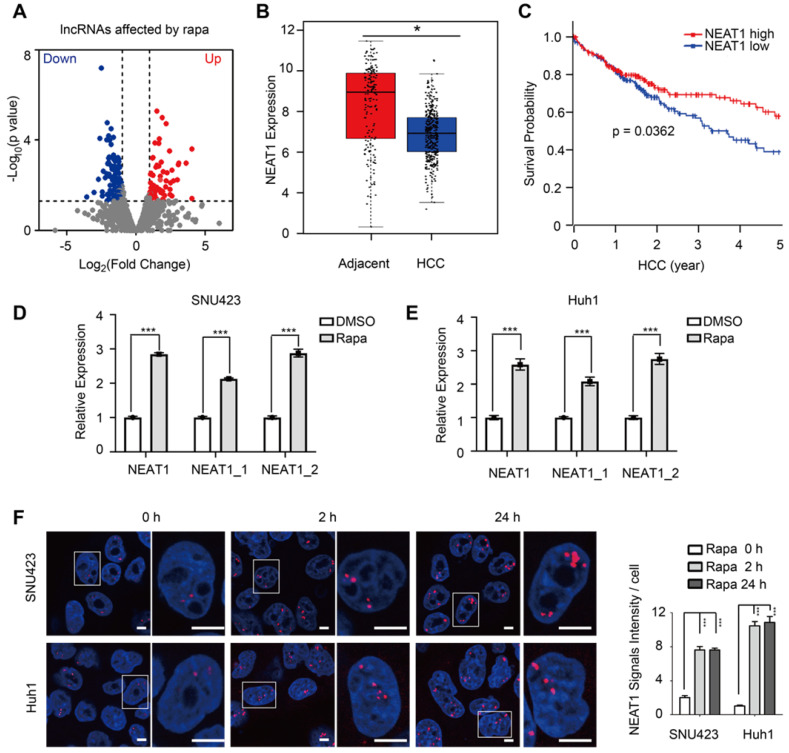
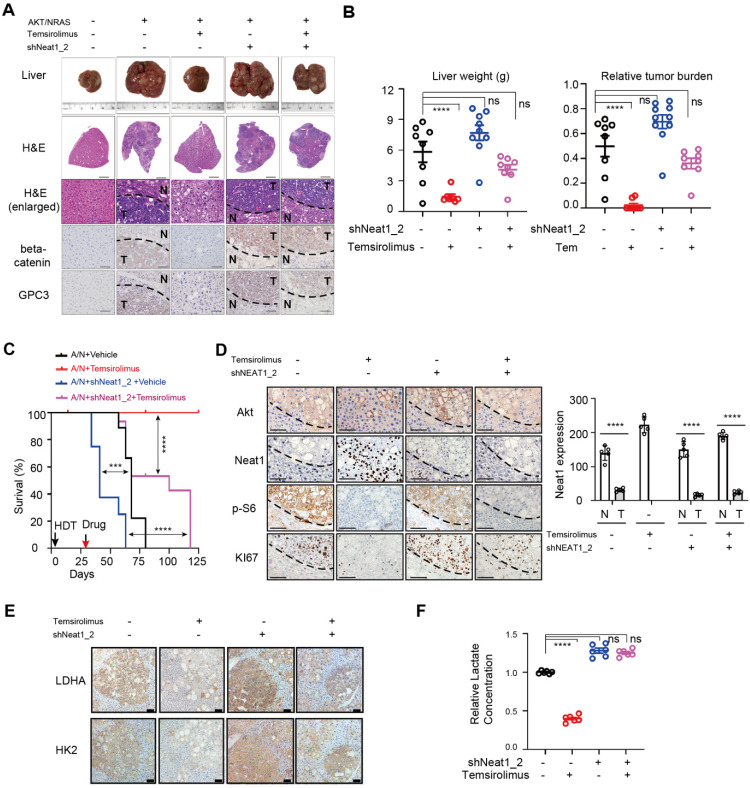
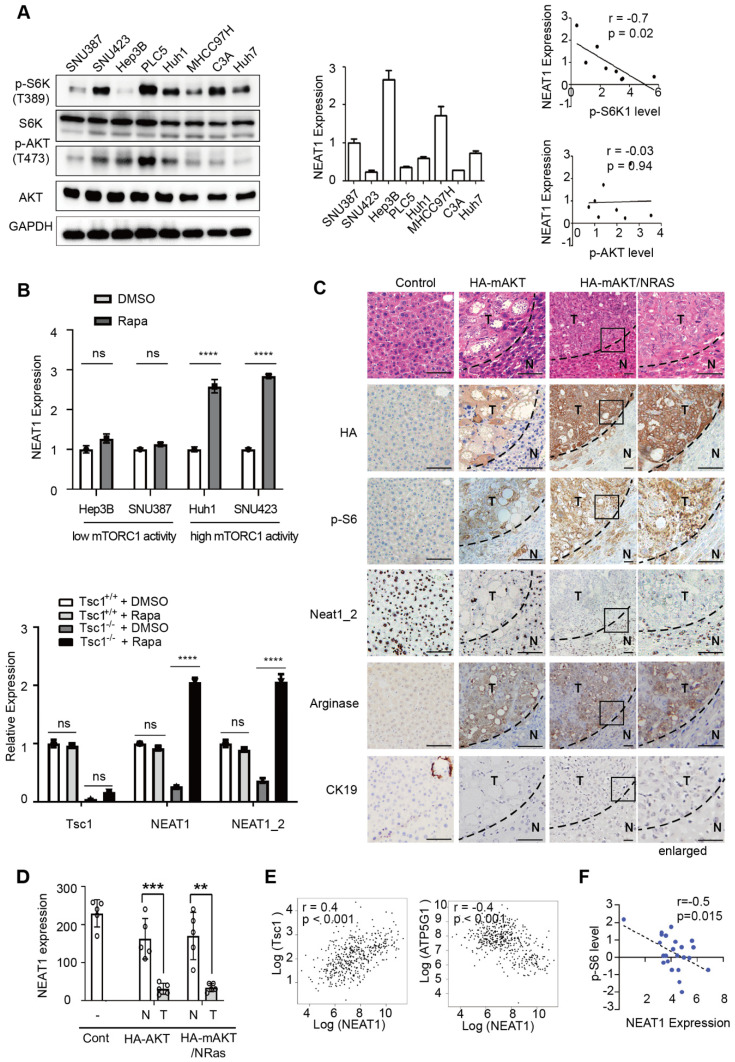
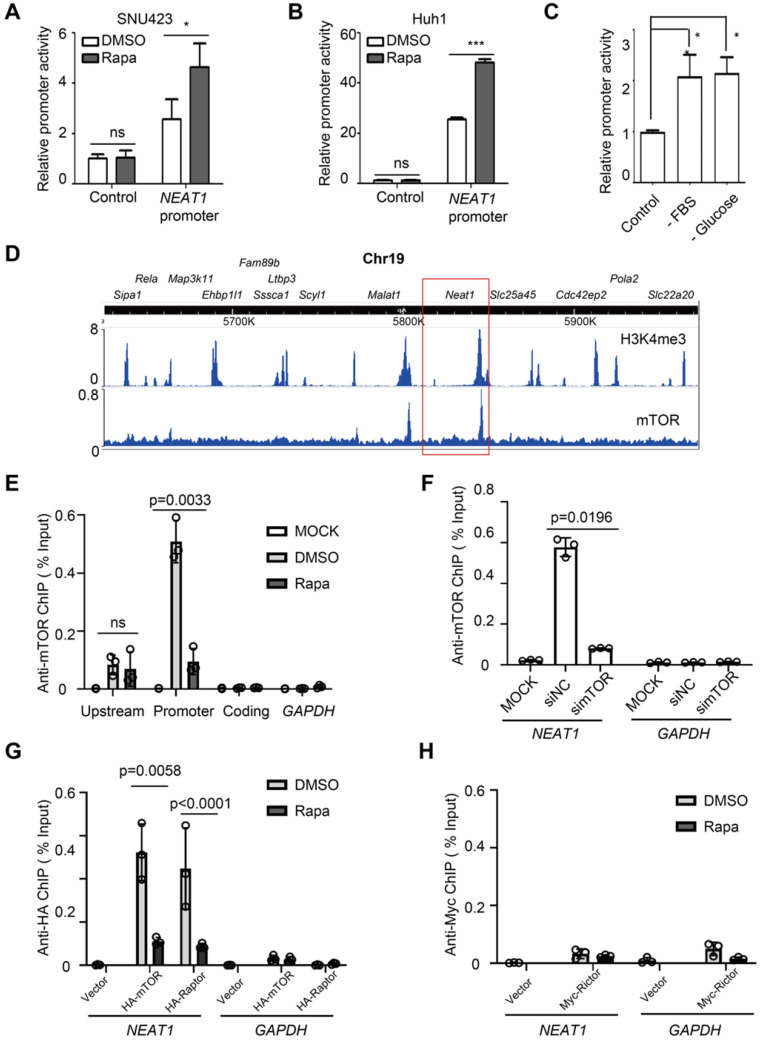
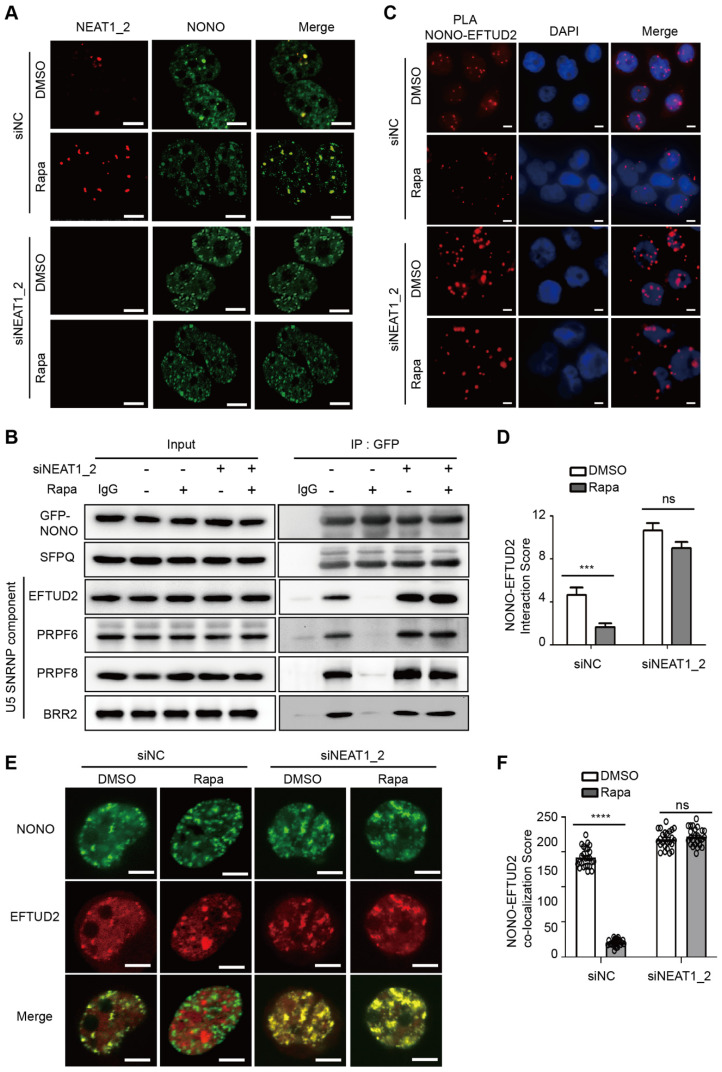
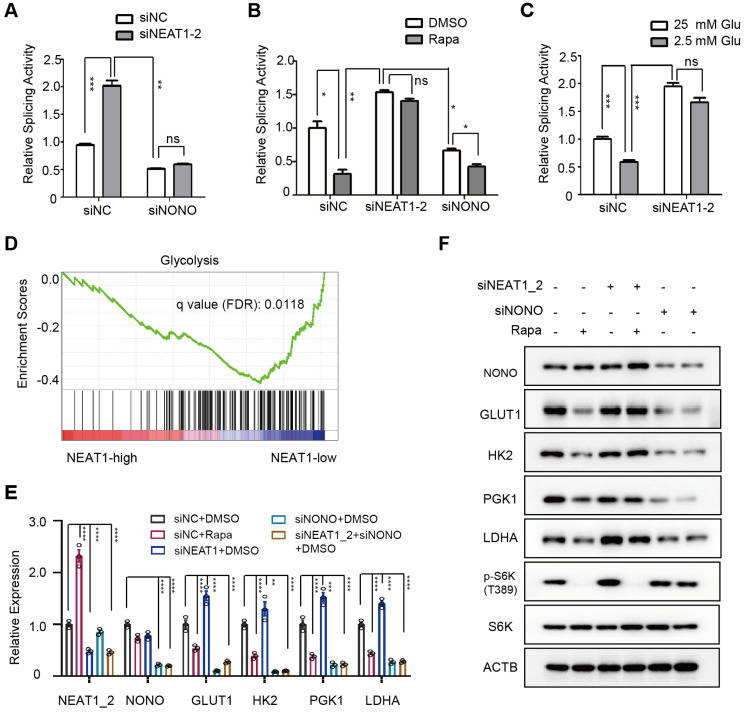
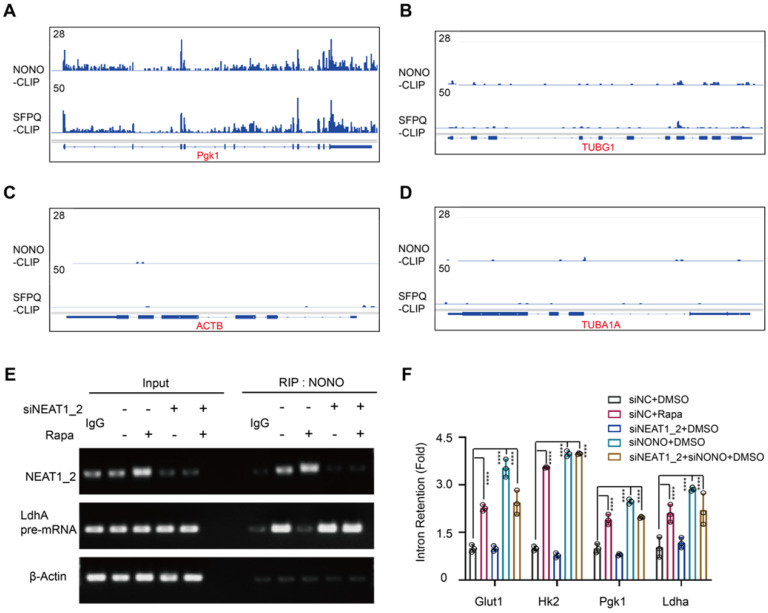
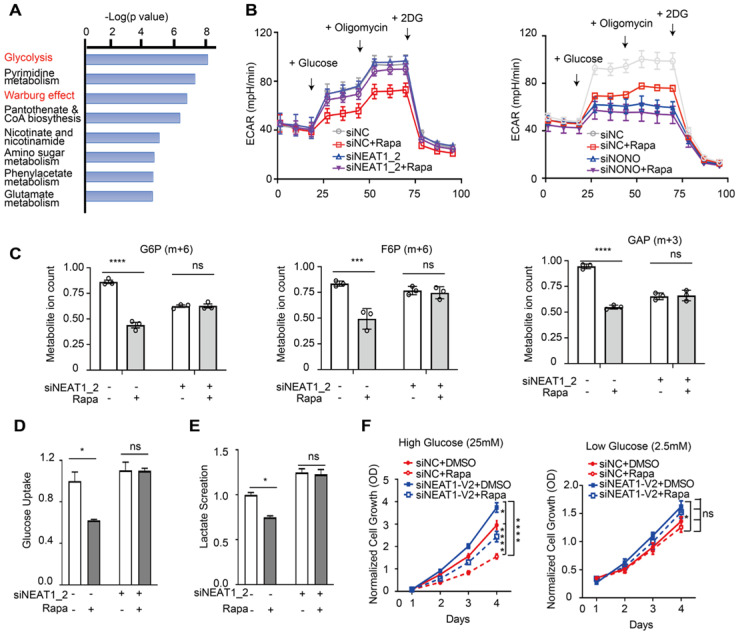
Hepatocellular Carcinoma (HCC) is a major form of liver cancer and a leading cause of cancer-related death worldwide. New insights into HCC pathobiology and mechanism of drug actions are urgently needed to improve patient outcomes. HCC undergoes metabolic reprogramming of glucose metabolism from respiration to aerobic glycolysis, a phenomenon known as the 'Warburg Effect' that supports rapid cancer cell growth, survival, and invasion. mTOR is known to promote Warburg Effect, but the underlying mechanism(s) remains poorly defined. The aim of this study is to understand the mechanism(s) and significance of mTOR regulation of aerobic glycolysis in HCC. We profiled mTORC1-dependent long non-coding RNAs (lncRNAs) by RNA-seq of HCC cells treated with rapamycin. Chromatin immunoprecipitation (ChIP) and luciferase reporter assays were used to explore the transcriptional regulation of by mTORC1. [U-C]-glucose labeling and metabolomic analysis, extracellular acidification Rate (ECAR) by Seahorse XF Analyzer, and glucose uptake assay were used to investigate the role of mTOR-NEAT1-NONO signaling in the regulation of aerobic glycolysis. RNA immunoprecipitation (RIP) and NONO-binding motif scanning were performed to identify the regulatory mechanism of pre-mRNA splicing by mTOR-NEAT1. Myristoylated AKT1 (mAKT1)/NRAS-driven HCC model developed by hydrodynamic transfection (HDT) was employed to explore the significance of mTOR-NEAT1 signaling in HCC tumorigenesis and mTOR-targeted therapy. mTOR regulates lncRNA transcriptome in HCC and that NEAT1 is a major mTOR transcriptional target. Interestingly, although both NEAT1_1 and NEAT1_2 are down-regulated in HCC, only NEAT1_2 is significantly correlated with poor overall survival of HCC patients. NEAT1_2 is the organizer of nuclear paraspeckles that sequester the RNA-binding proteins NONO and SFPQ. We show that upon oncogenic activation, mTORC1 suppresses NEAT1_2 expression and paraspeckle biogenesis, liberating NONO/SFPQ, which in turn, binds to U5 within the spliceosome, stimulating mRNA splicing and expression of key glycolytic enzymes. This series of actions lead to enhanced glucose transport, aerobic glycolytic flux, lactate production, and HCC growth both and . Furthermore, the paraspeckle-mediated mechanism is important for the anticancer action of US FDA-approved drugs rapamycin/temsirolimus. These findings reveal a molecular mechanism by which mTOR promotes the 'Warburg Effect', which is important for the metabolism and development of HCC, and anticancer response of mTOR-targeted therapy.
肝细胞癌(HCC)是肝癌的主要形式,也是全球癌症相关死亡的主要原因。迫切需要深入了解 HCC 的病理生物学和药物作用机制,以改善患者的预后。HCC 经历葡萄糖代谢从呼吸到有氧糖酵解的代谢重编程,这一现象被称为“Warburg 效应”,它支持癌细胞的快速生长、存活和侵袭。mTOR 已知可促进 Warburg 效应,但潜在机制仍未明确定义。本研究旨在了解 mTOR 调节 HCC 有氧糖酵解的机制。
我们通过雷帕霉素处理的 HCC 细胞的 RNA-seq 对 mTORC1 依赖性长非编码 RNA(lncRNA)进行了分析。染色质免疫沉淀(ChIP)和荧光素酶报告基因检测用于探索 mTORC1 对转录的调控。通过 Seahorse XF 分析仪的[U-C]-葡萄糖标记和代谢组学分析、细胞外酸化率(ECAR)以及葡萄糖摄取测定,研究了 mTOR-NEAT1-NONO 信号在调节有氧糖酵解中的作用。RNA 免疫沉淀(RIP)和 NONO 结合基序扫描用于鉴定 mTOR-NEAT1 对前体 mRNA 剪接的调控机制。通过水力转染(HDT)建立的肉豆蔻酰化 AKT1(mAKT1)/NRAS 驱动的 HCC 模型用于探索 mTOR-NEAT1 信号在 HCC 肿瘤发生和 mTOR 靶向治疗中的意义。
mTOR 调节 HCC 的 lncRNA 转录组,NEAT1 是 mTOR 的主要转录靶标。有趣的是,尽管 NEAT1_1 和 NEAT1_2 在 HCC 中均下调,但只有 NEAT1_2 与 HCC 患者的总生存期显著相关。NEAT1_2 是核副核小体的组织者,可隔离 RNA 结合蛋白 NONO 和 SFPQ。我们表明,在致癌激活时,mTORC1 抑制 NEAT1_2 的表达和副核小体的生成,释放 NONO/SFPQ,后者反过来与剪接体中的 U5 结合,刺激关键糖酵解酶的 mRNA 剪接和表达。这一系列的作用导致葡萄糖转运、有氧糖酵解通量、乳酸产生和 HCC 生长增加。此外,US FDA 批准的药物雷帕霉素/替西罗莫司的抗癌作用依赖于副核小体介导的机制。
这些发现揭示了 mTOR 促进“Warburg 效应”的分子机制,这对 HCC 的代谢和发展以及 mTOR 靶向治疗的抗癌反应很重要。