Hou Yunqi, Chen Zhen, Wang Liping, Deng Yingxin, Liu Genglong, Zhou Yongfen, Shi Haiqin, Shi Xiangqun, Jiang Qianhua
Department of Neurology, Shunde Hospital, Southern Medical University (The First People's Hospital of Shunde), Foshan, Guangdong Province, 528308, People's Republic of China.
Department of Intensive Care Unit, Shunde Hospital, Southern Medical University (The First People's Hospital of Shunde), Foshan, Guangdong Province, 528308, People's Republic of China.
J Inflamm Res. 2022 May 5;15:2855-2876. doi: 10.2147/JIR.S360743. eCollection 2022.
Epilepsy encompasses a group of heterogeneous brain diseases that afflict about 1% of the world's population. Accumulating evidence shows that the immune system plays a key role in epileptogenesis. Nevertheless, the immune-related mechanisms remain not been precisely understood.
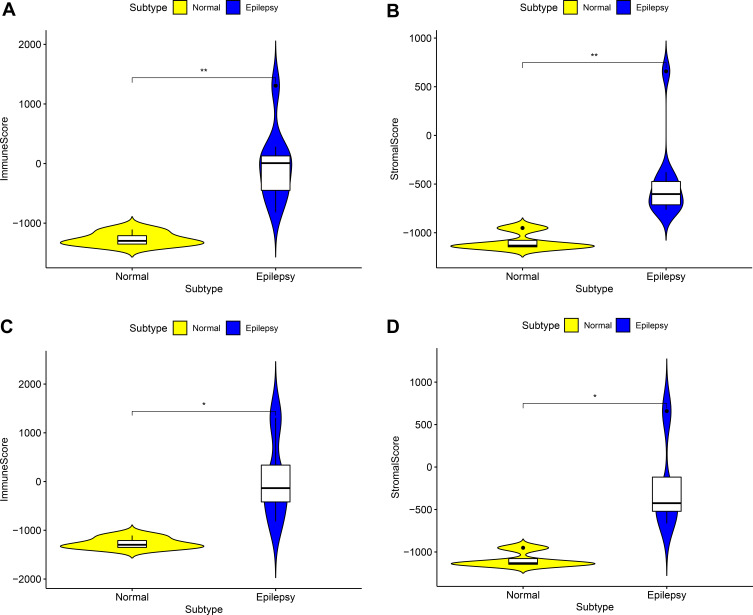
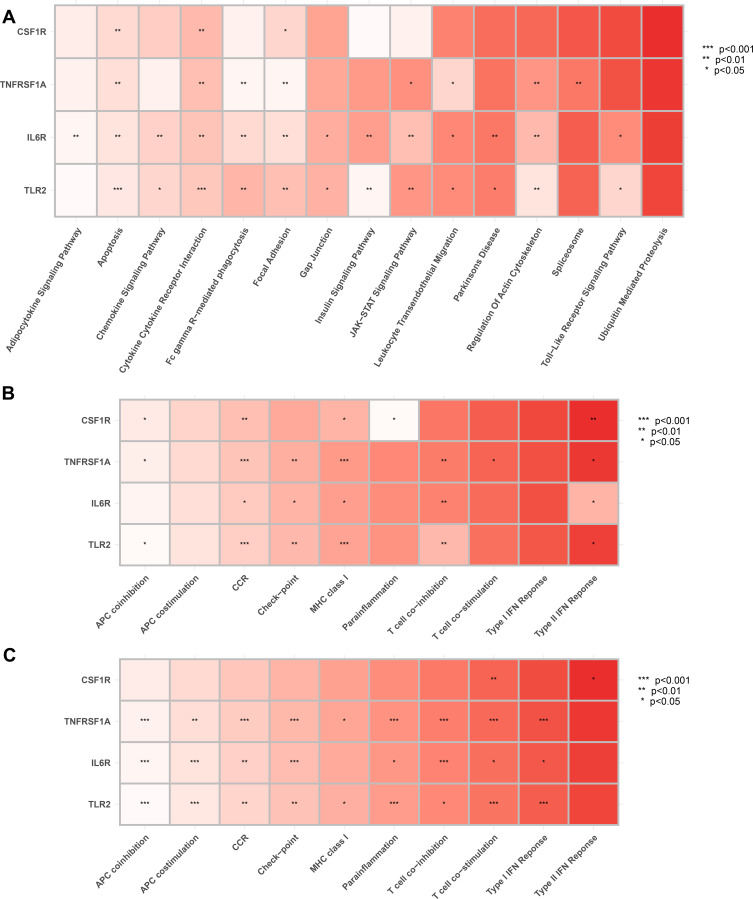
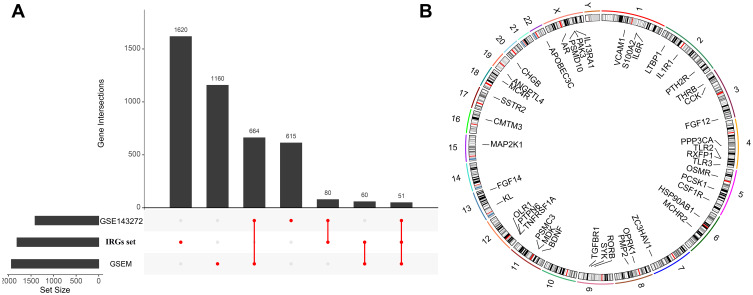
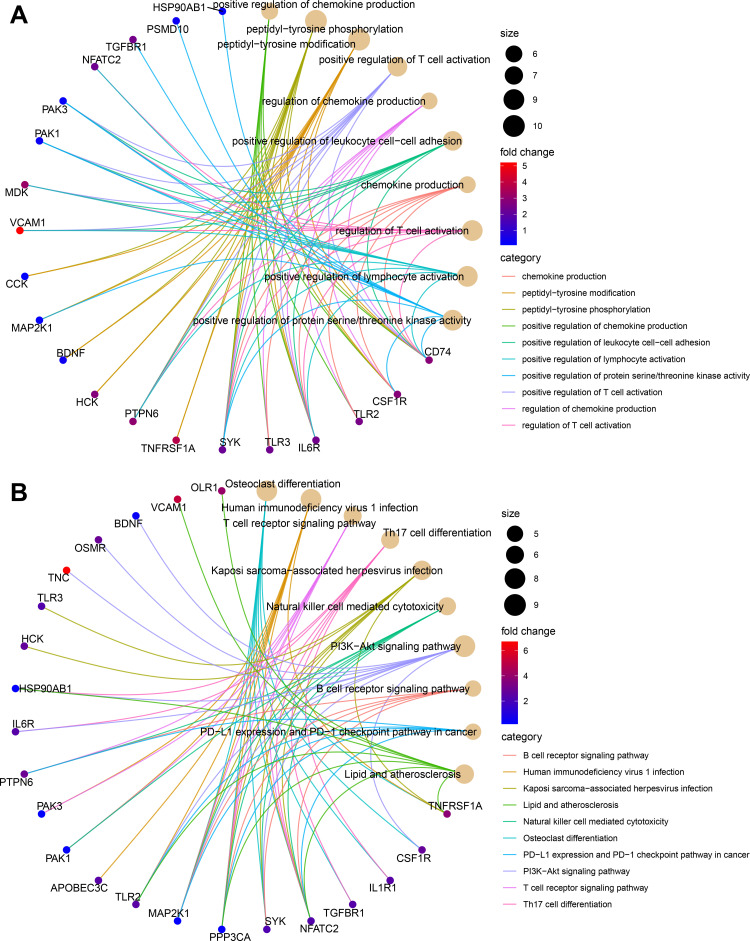
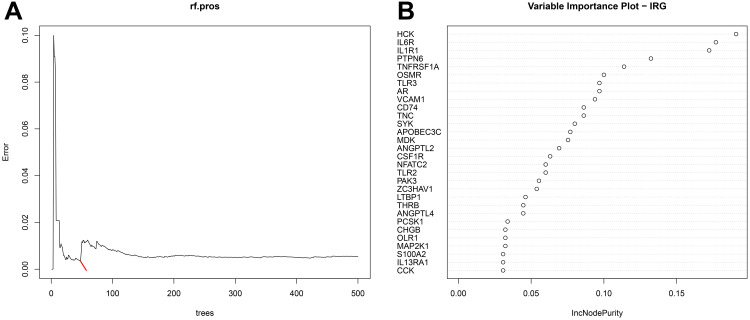
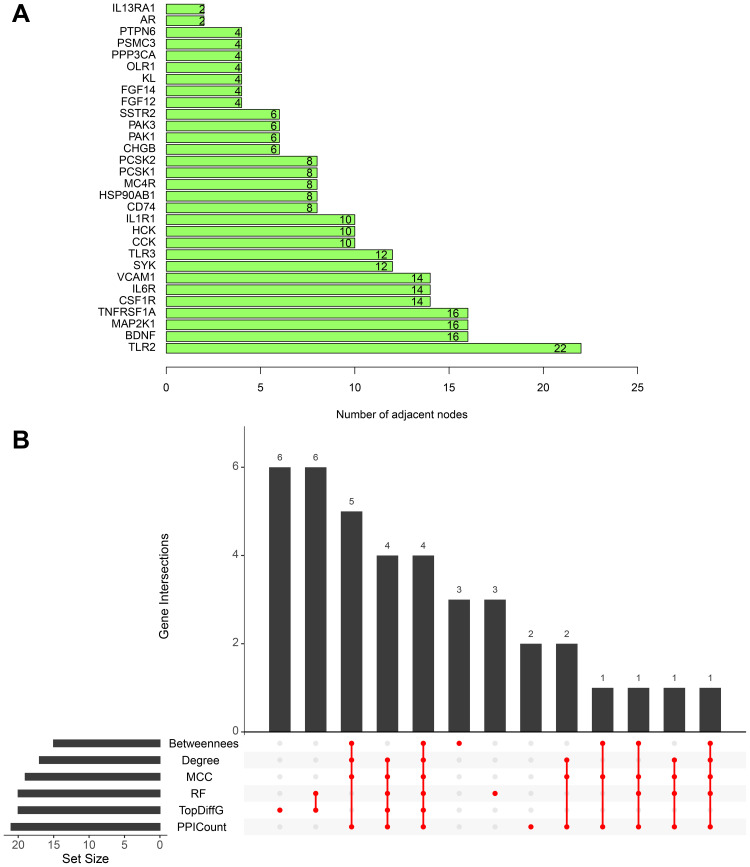
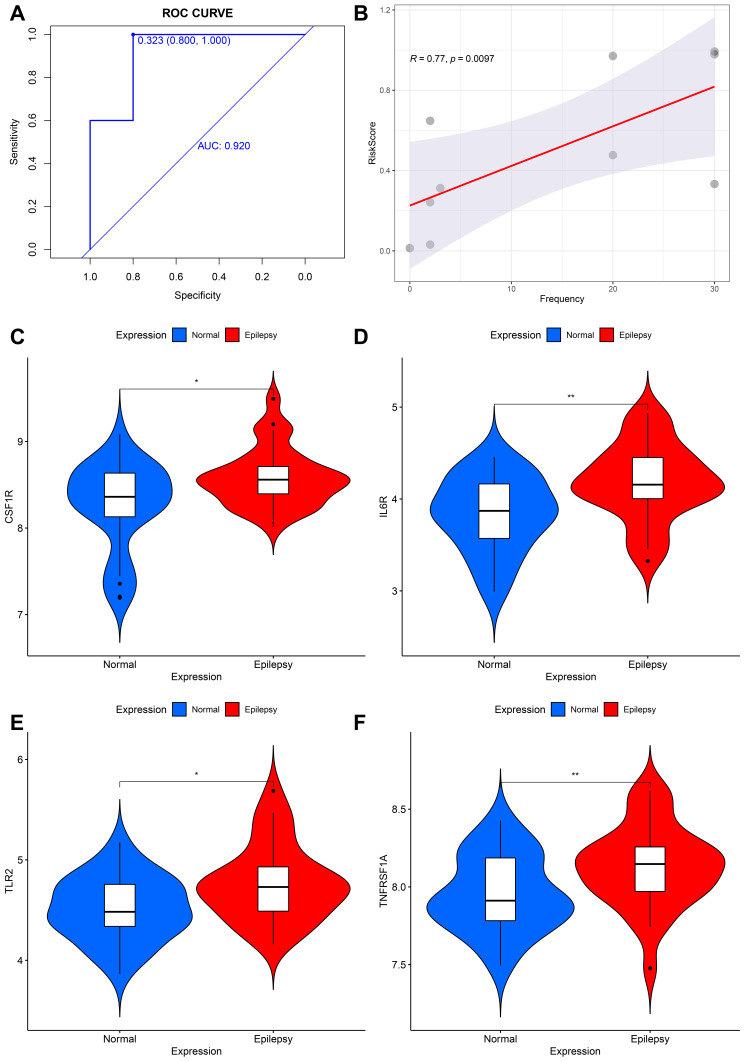
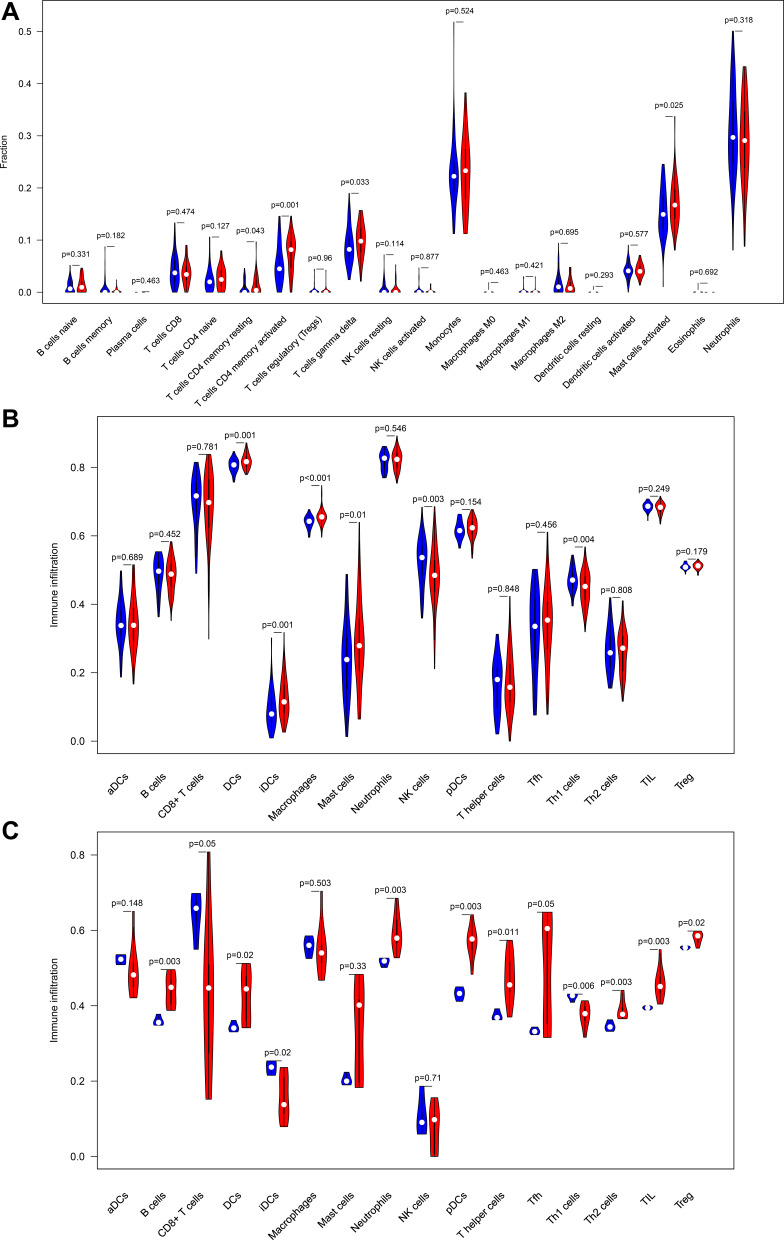
Three epilepsy datasets (GSE16969, GSE32534 and GSE143272) were screened to obtain differentially expressed immune-related genes (DEIRGs). Random forest (RF) and protein-protein interaction (PPI) network were constructed to identify core genes. Another dataset (GSE31718) and 60 clinical samples via quantitative real-time polymerase chain reaction (qRT-PCR) were utilized to validate core genes. Immune cell infiltration score was performed with CIBERSORTx tools and single-sample gene set enrichment analysis (ssGSEA). Gene set variation analysis (GSVA) and ssGSEA were conducted to determine the pathways that are significantly enriched during normal and epilepsy. The correlation between hub genes, immune cells, and enriched molecular pathways was evaluated by Pearson correlation analysis.
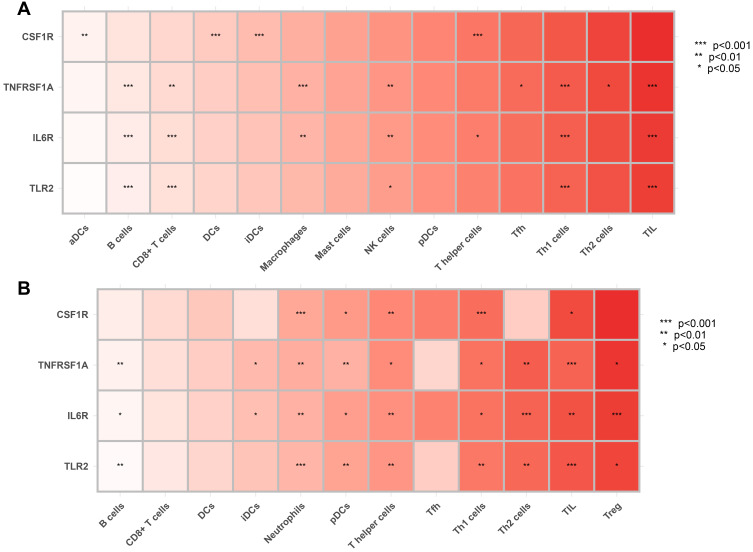
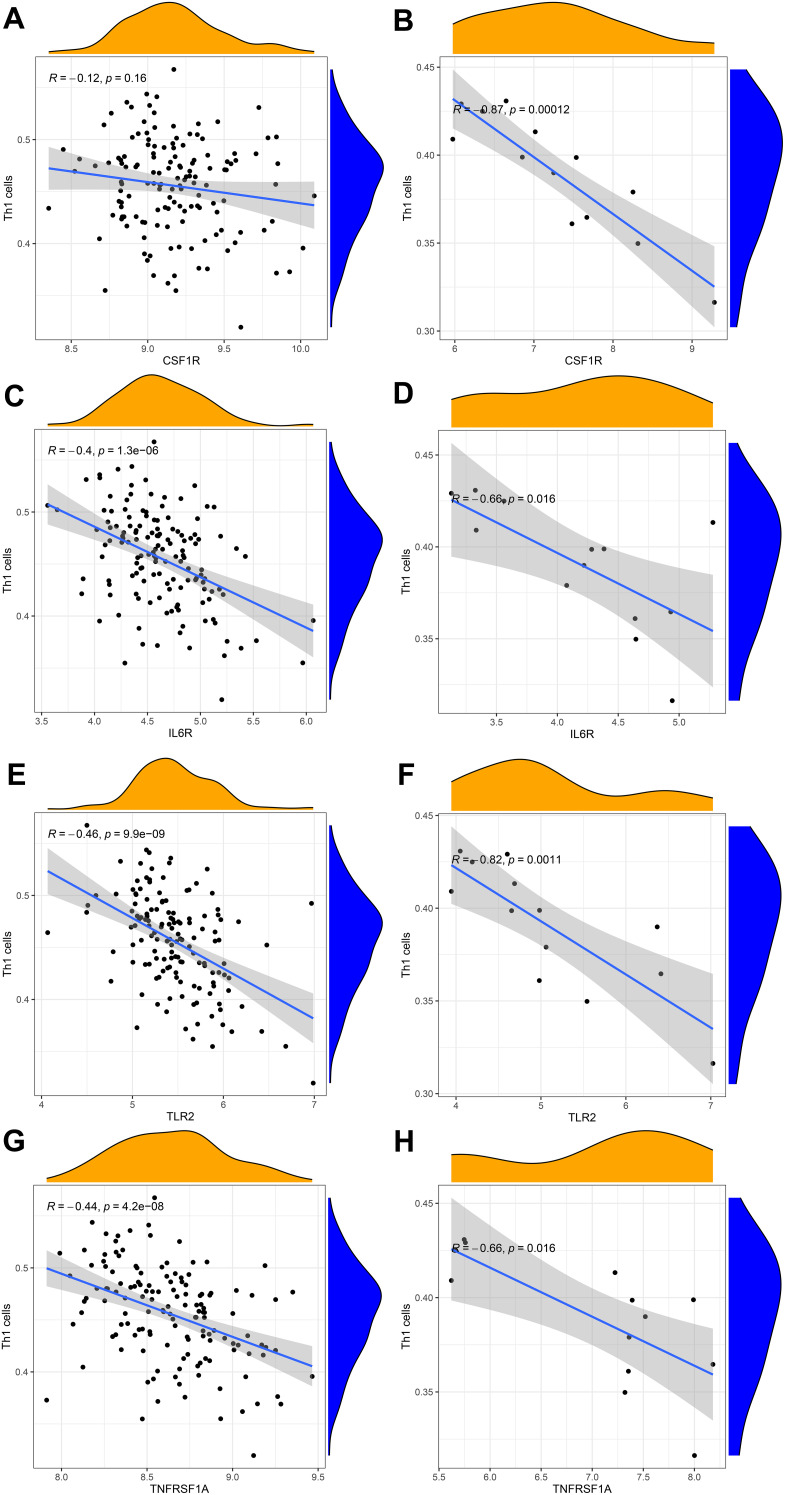
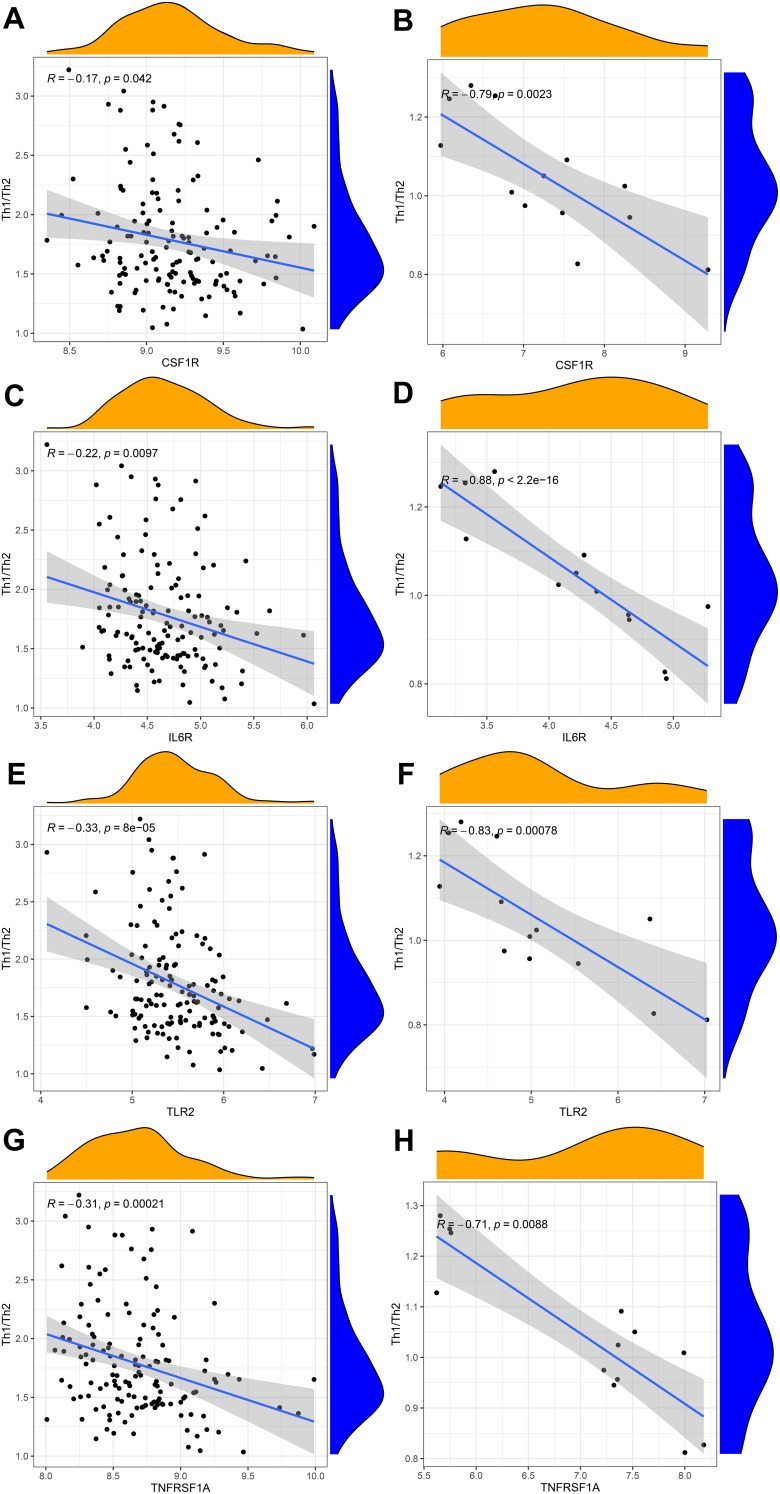
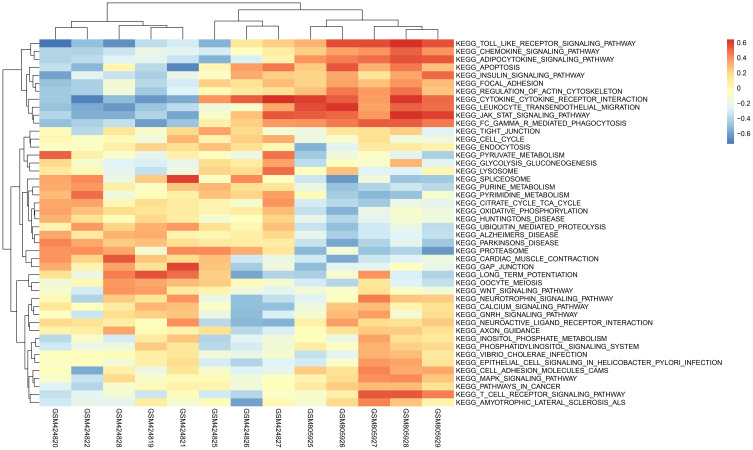
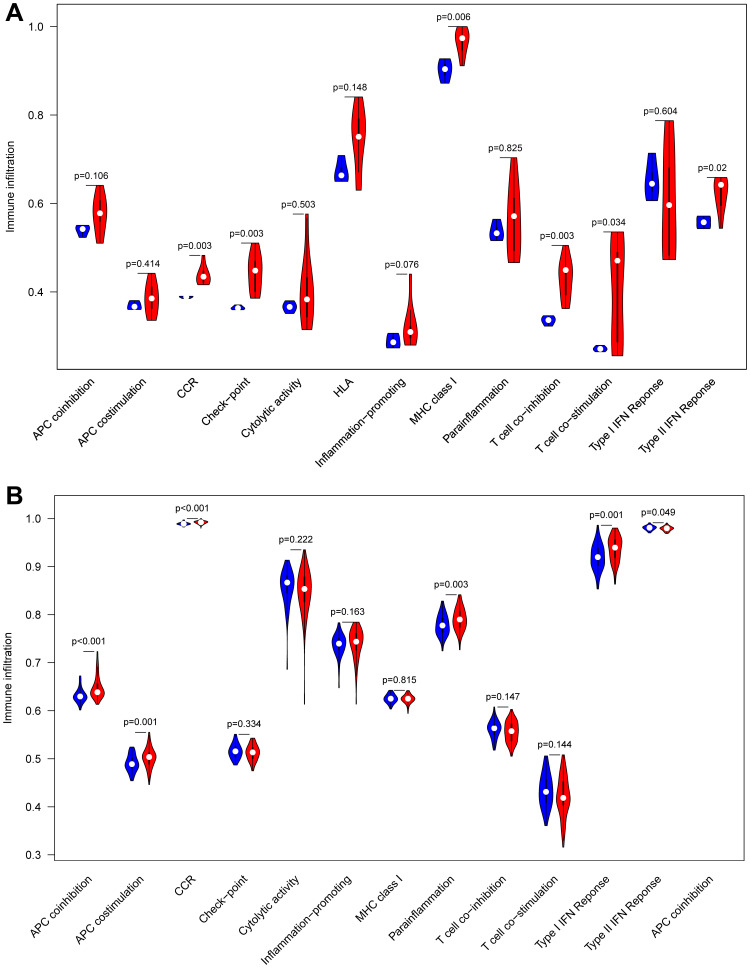
Based on RF and PPI, 4 DEIRGs (CSF1R, IL6R, TLR2, and TNFRSF1A) were identified as hub genes. Results of qRT-PCR validated that higher expression levels of CSF1R, IL6R, TLR2, and TNFRSF1A in epilepsy samples compared to control sample. Immune infiltration analysis by CIBERSORTx displayed immune signatures that are significantly richer in epilepsy, T cell subsets in particular. Notably, ssGSEA found that Th1 signatures were more abundant in normal tissues; yet Th2 signatures were more abundant in epilepsy tissues. Cytokine cytokine receptor interaction (CCR) was significantly enriched in epilepsy based on multi-transcriptome data. Additionally, hub genes were significantly correlated with score of Th1/Th2 signatures and enrichment score of CCR in multi-transcriptome data.
Four IRGs (CSF1R, IL6R, TLR2, and TNFRSF1A) were closely correlated pathogenesis of epilepsy, which may be by impacting CCR and the balance of Th1/Th2 signatures involved in the occurrence of epilepsy. Our data offer compelling insights into the pathogenesis and promising therapeutic targets for epilepsy.
癫痫是一组异质性脑部疾病,影响着全球约1%的人口。越来越多的证据表明,免疫系统在癫痫发生中起关键作用。然而,免疫相关机制仍未被精确理解。
筛选三个癫痫数据集(GSE16969、GSE32534和GSE143272)以获得差异表达的免疫相关基因(DEIRGs)。构建随机森林(RF)和蛋白质-蛋白质相互作用(PPI)网络以识别核心基因。利用另一个数据集(GSE31718)和通过定量实时聚合酶链反应(qRT-PCR)检测的60个临床样本对核心基因进行验证。使用CIBERSORTx工具和单样本基因集富集分析(ssGSEA)进行免疫细胞浸润评分。进行基因集变异分析(GSVA)和ssGSEA以确定在正常和癫痫过程中显著富集的通路。通过Pearson相关分析评估枢纽基因、免疫细胞和富集分子通路之间的相关性。
基于RF和PPI,鉴定出4个DEIRGs(CSF1R、IL6R、TLR2和TNFRSF1A)作为枢纽基因。qRT-PCR结果验证了与对照样本相比,癫痫样本中CSF1R、IL6R、TLR2和TNFRSF1A的表达水平更高。CIBERSORTx的免疫浸润分析显示癫痫中的免疫特征明显更丰富,尤其是T细胞亚群。值得注意的是,ssGSEA发现正常组织中Th1特征更丰富;而癫痫组织中Th2特征更丰富。基于多转录组数据,细胞因子-细胞因子受体相互作用(CCR)在癫痫中显著富集。此外,在多转录组数据中,枢纽基因与Th1/Th2特征评分和CCR富集评分显著相关。
四个免疫相关基因(CSF1R、IL6R、TLR2和TNFRSF1A)与癫痫的发病机制密切相关,这可能是通过影响CCR以及参与癫痫发生的Th1/Th2特征的平衡来实现的。我们的数据为癫痫的发病机制提供了有说服力的见解,并为癫痫提供了有前景的治疗靶点。