Raghavan Somasundaram, Leo M Dennis
Department of Pharmaceutical Sciences, University of Tennessee Health Science Center, Memphis, TN, United States.
Front Pharmacol. 2022 Apr 25;13:872736. doi: 10.3389/fphar.2022.872736. eCollection 2022.
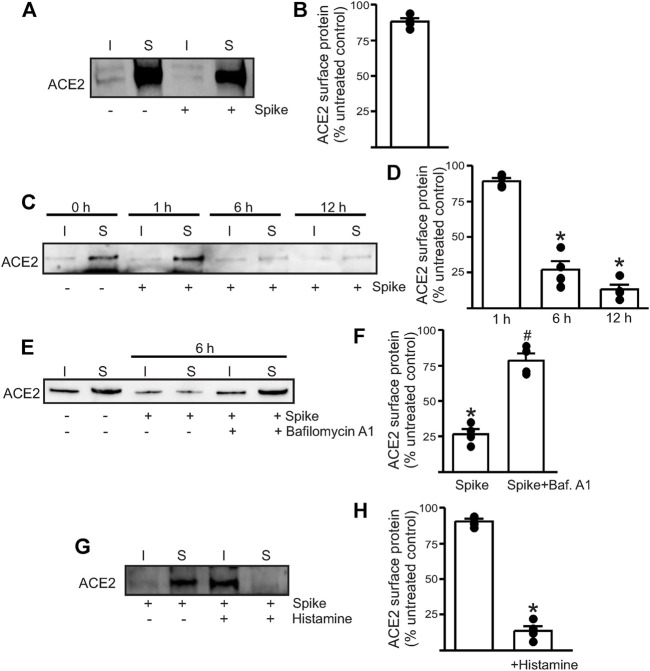
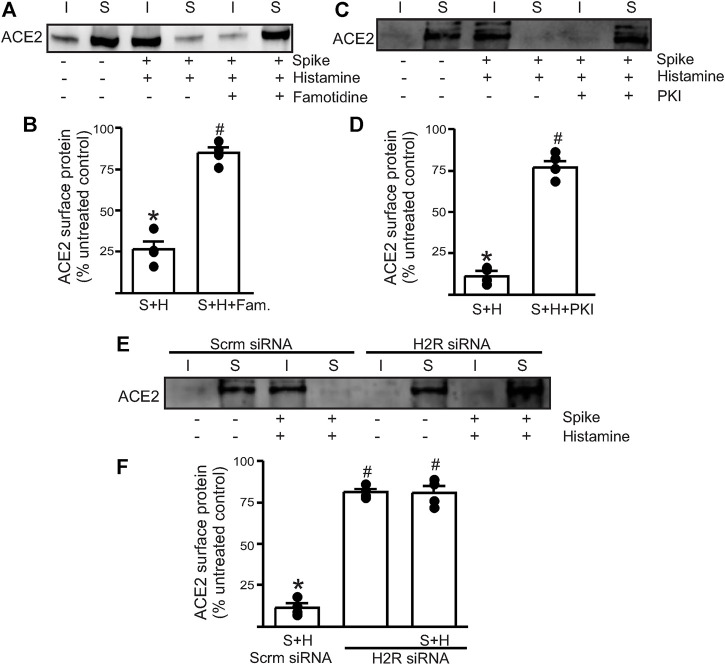
Severe acute respiratory syndrome coronavirus 2 (SARS-CoV-2) which causes coronavirus disease (COVID-19) is one of the most serious global health crises in recent history. COVID-19 patient symptoms range from life-threatening to mild and asymptomatic, which presents unique problems in identifying, quarantining, and treating the affected individuals. The emergence of unusual symptoms among survivors, now referred to as "Long COVID", is concerning, especially since much about the condition and the treatment of it is still relatively unknown. Evidence so far also suggests that some of these symptoms can be attributed to vascular inflammation. Although famotidine, the commonly used histamine H2 receptor (H2R) blocker, was shown to have no antiviral activity, recent reports indicate that it could prevent adverse outcomes in COVID-19 patients. Histamine is a classic proinflammatory mediator, the levels of which increase along with other cytokines during COVID-19 infection. Histamine activates H2R signaling, while famotidine specifically blocks H2R activation. Investigating the effects of recombinant SARS-CoV-2 spike protein S1 Receptor-Binding Domain (Spike) on ACE2 expression in cultured human coronary artery endothelial cells, we found that the presence of histamine potentiated spike-mediated ACE2 internalization into endothelial cells. This effect was blocked by famotidine, protein kinase A inhibition, or by H2 receptor protein knockdown. Together, these results indicate that histamine and histamine receptor signaling is likely essential for spike protein to induce ACE2 internalization in endothelial cells and cause endothelial dysfunction and that this effect can be blocked by the H2R blocker, famotidine.
导致冠状病毒病(COVID-19)的严重急性呼吸综合征冠状病毒2(SARS-CoV-2)是近代以来最严重的全球健康危机之一。COVID-19患者的症状从危及生命到轻微及无症状不等,这在识别、隔离和治疗受影响个体方面带来了独特的问题。幸存者中出现的异常症状,现在被称为“长新冠”,令人担忧,尤其是因为关于这种病症及其治疗方法仍有很多未知之处。目前的证据还表明,其中一些症状可能归因于血管炎症。尽管常用的组胺H2受体(H2R)阻滞剂法莫替丁没有抗病毒活性,但最近的报告表明它可以预防COVID-19患者的不良后果。组胺是一种经典的促炎介质,在COVID-19感染期间,其水平与其他细胞因子一起升高。组胺激活H2R信号传导,而法莫替丁特异性阻断H2R激活。在研究重组SARS-CoV-2刺突蛋白S1受体结合域(Spike)对培养的人冠状动脉内皮细胞中ACE2表达的影响时,我们发现组胺的存在增强了刺突介导的ACE2内化进入内皮细胞的过程。这种作用被法莫替丁、蛋白激酶A抑制或H2受体蛋白敲低所阻断。总之,这些结果表明,组胺和组胺受体信号传导可能是刺突蛋白在内皮细胞中诱导ACE2内化并导致内皮功能障碍的关键因素,并且这种作用可以被H2R阻滞剂法莫替丁阻断。