• 文献检索
  • 文档翻译
  • 深度研究
  • 学术资讯
  • Suppr Zotero 插件Zotero 插件
  • 邀请有礼
  • 套餐&价格
  • 历史记录
应用&插件
Suppr Zotero 插件Zotero 插件浏览器插件Mac 客户端Windows 客户端微信小程序
定价
高级版会员购买积分包购买API积分包
服务
文献检索文档翻译深度研究API 文档MCP 服务
关于我们
关于 Suppr公司介绍联系我们用户协议隐私条款
关注我们

Suppr 超能文献

核心技术专利:CN118964589B侵权必究
粤ICP备2023148730 号-1Suppr @ 2026

文献检索

告别复杂PubMed语法,用中文像聊天一样搜索,搜遍4000万医学文献。AI智能推荐,让科研检索更轻松。

立即免费搜索

文件翻译

保留排版,准确专业,支持PDF/Word/PPT等文件格式,支持 12+语言互译。

免费翻译文档

深度研究

AI帮你快速写综述,25分钟生成高质量综述,智能提取关键信息,辅助科研写作。

立即免费体验

基于决策树的集成机器学习模型用于预测寨卡病毒 T 细胞表位作为潜在疫苗候选物。

Decision tree based ensemble machine learning model for the prediction of Zika virus T-cell epitopes as potential vaccine candidates.

机构信息

National Institute of Electronics and Information Technology (NIELIT), Ministry of Electronics and Information Technology (MeitY), Govt. of India, Srinagar, J&K, 191132, India.

Department of Electronics and Communication Engineering, Kuwait College of Science and Technology (KCST), Doha Area, Kuwait.

出版信息

Sci Rep. 2022 May 12;12(1):7810. doi: 10.1038/s41598-022-11731-6.

DOI:10.1038/s41598-022-11731-6
PMID:35552469
原文链接:https://pmc.ncbi.nlm.nih.gov/articles/PMC9096330/
Abstract

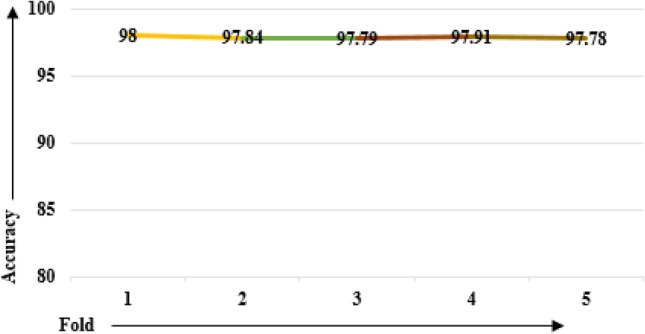
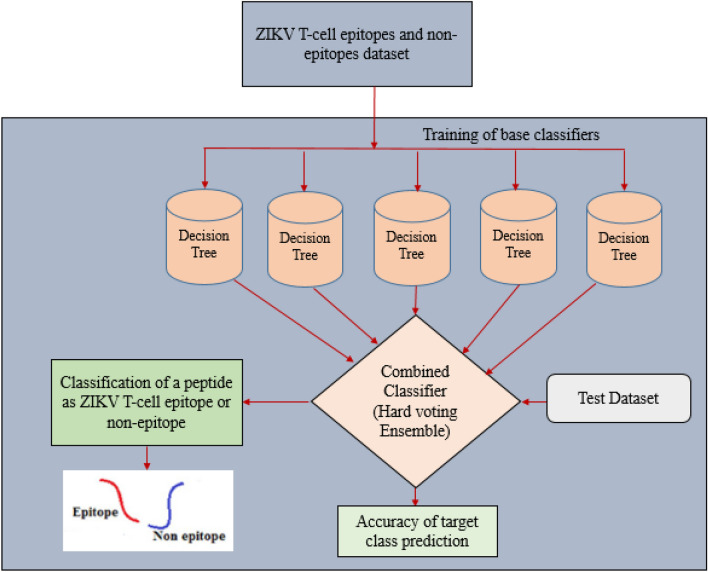
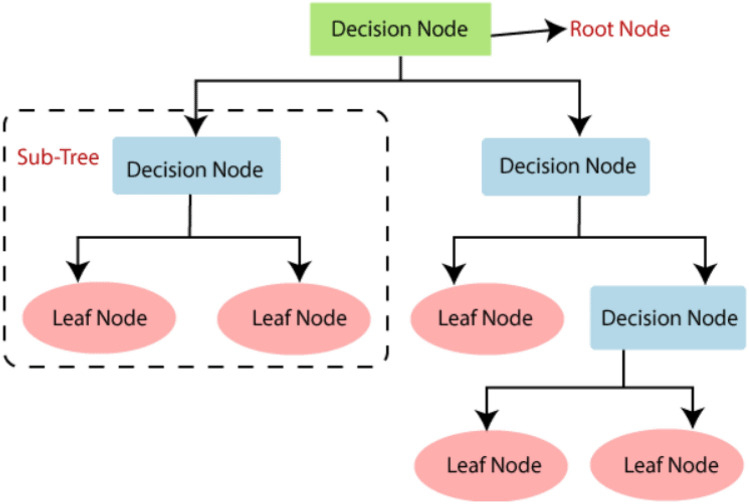
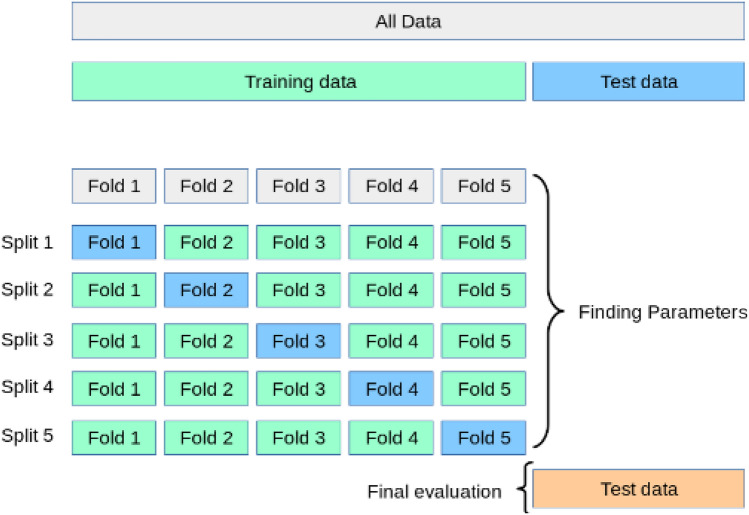
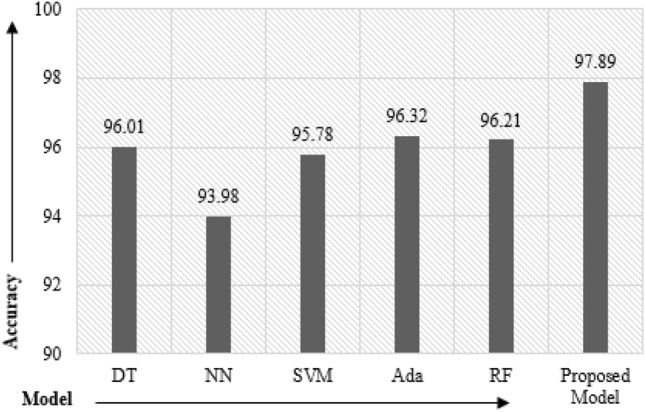
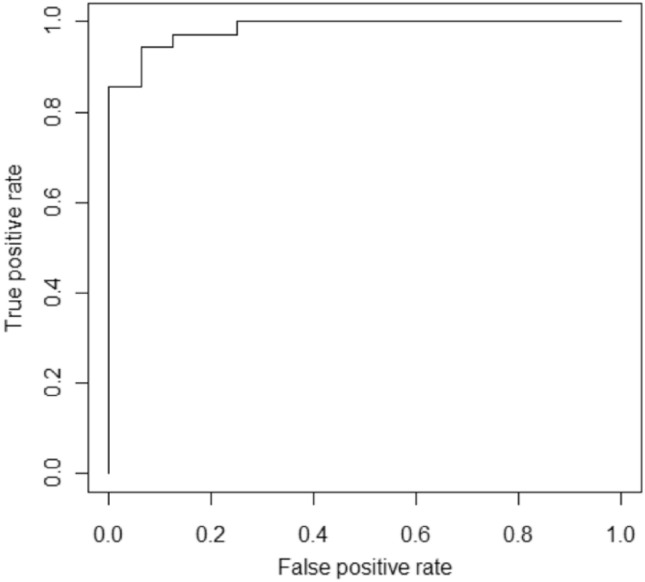
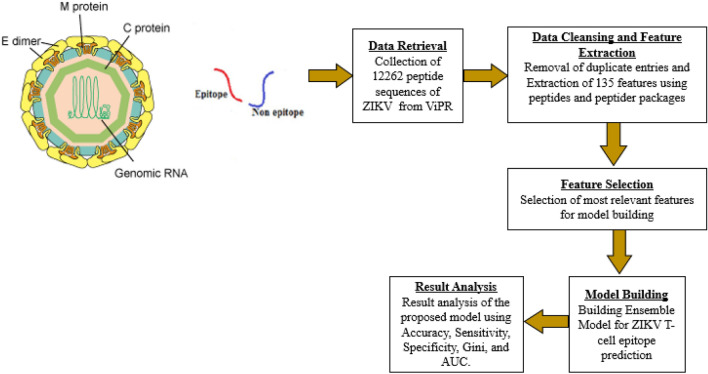
Zika fever is an infectious disease caused by the Zika virus (ZIKV). The disease is claiming millions of lives worldwide, primarily in developing countries. In addition to vector control strategies, the most effective way to prevent the spread of ZIKV infection is vaccination. There is no clinically approved vaccine to combat ZIKV infection and curb its pandemic. An epitope-based peptide vaccine (EBPV) is seen as a powerful alternative to conventional vaccinations because of its low production cost and short production time. Nonetheless, EBPVs have gotten less attention, despite the fact that they have a significant untapped potential for enhancing vaccine safety, immunogenicity, and cross-reactivity. Such a vaccine technology is based on target pathogen's selected antigenic peptides called T-cell epitopes (TCE), which are synthesized chemically based on their amino acid sequences. The identification of TCEs using wet-lab experimental approach is challenging, expensive, and time-consuming. Therefore in this study, we present computational model for the prediction of ZIKV TCEs. The model proposed is an ensemble of decision trees that utilizes the physicochemical properties of amino acids. In this way a large amount of time and efforts would be saved for quick vaccine development. The peptide sequences dataset for model training was retrieved from Virus Pathogen Database and Analysis Resource (ViPR) database. The sequences dataset consist of experimentally verified T-cell epitopes (TCEs) and non-TCEs. The model demonstrated promising results when evaluated on test dataset. The evaluation metrics namely, accuracy, AUC, sensitivity, specificity, Gini and Mathew's correlation coefficient (MCC) recorded values of 0.9789, 0.984, 0.981, 0.987, 0.974 and 0.948 respectively. The consistency and reliability of the model was assessed by carrying out the five (05)-fold cross-validation technique, and the mean accuracy of 0.97864 was reported. Finally, model was compared with standard machine learning (ML) algorithms and the proposed model outperformed all of them. The proposed model will aid in predicting novel and immunodominant TCEs of ZIKV. The predicted TCEs may have a high possibility of acting as prospective vaccine targets subjected to in-vivo and in-vitro scientific assessments, thereby saving lives worldwide, preventing future epidemic-scale outbreaks, and lowering the possibility of mutation escape.

摘要

寨卡热是由寨卡病毒(ZIKV)引起的传染病。该疾病正在全球范围内导致数百万人死亡,主要发生在发展中国家。除了病媒控制策略外,预防寨卡病毒感染传播的最有效方法是接种疫苗。目前尚无针对寨卡病毒感染的临床批准疫苗,也无法遏制其大流行。基于表位的肽疫苗(EBPV)被视为传统疫苗的有力替代品,因为其生产成本低,生产时间短。尽管如此,EBPV 受到的关注较少,尽管它们在提高疫苗安全性、免疫原性和交叉反应性方面具有巨大的未开发潜力。这种疫苗技术基于目标病原体的选定抗原肽,称为 T 细胞表位(TCE),这些肽是根据其氨基酸序列通过化学方法合成的。使用湿实验室实验方法来鉴定 TCE 具有挑战性、昂贵且耗时。因此,在这项研究中,我们提出了一种用于预测寨卡病毒 TCE 的计算模型。所提出的模型是决策树的集合,它利用了氨基酸的理化性质。通过这种方式,可以节省大量的时间和精力,以便快速开发疫苗。用于模型训练的肽序列数据集是从病毒病原体数据库和分析资源(ViPR)数据库中检索的。该序列数据集包含经过实验验证的 T 细胞表位(TCE)和非 TCE。该模型在测试数据集上进行评估时表现出了有希望的结果。评估指标,即准确性、AUC、灵敏度、特异性、基尼和马修相关系数(MCC)分别记录为 0.9789、0.984、0.981、0.987、0.974 和 0.948。通过进行五重(05)交叉验证技术评估模型的一致性和可靠性,报告的平均准确性为 0.97864。最后,将模型与标准机器学习(ML)算法进行了比较,提出的模型优于所有算法。该模型将有助于预测寨卡病毒的新型和免疫优势 TCE。预测的 TCE 很有可能成为有前途的疫苗靶标,需要进行体内和体外科学评估,从而挽救全球生命,防止未来的大规模爆发,并降低突变逃逸的可能性。
https://cdn.ncbi.nlm.nih.gov/pmc/blobs/99ac/9098855/b64a30b46573/41598_2022_11731_Fig9_HTML.jpg
https://cdn.ncbi.nlm.nih.gov/pmc/blobs/99ac/9098855/a084c0c353a8/41598_2022_11731_Fig1_HTML.jpg
https://cdn.ncbi.nlm.nih.gov/pmc/blobs/99ac/9098855/93b54768201d/41598_2022_11731_Fig2_HTML.jpg
https://cdn.ncbi.nlm.nih.gov/pmc/blobs/99ac/9098855/318889459898/41598_2022_11731_Fig3_HTML.jpg
https://cdn.ncbi.nlm.nih.gov/pmc/blobs/99ac/9098855/8023bbe5000a/41598_2022_11731_Fig4_HTML.jpg
https://cdn.ncbi.nlm.nih.gov/pmc/blobs/99ac/9098855/02d2fa499e21/41598_2022_11731_Fig5_HTML.jpg
https://cdn.ncbi.nlm.nih.gov/pmc/blobs/99ac/9098855/519b014b65a6/41598_2022_11731_Fig6_HTML.jpg
https://cdn.ncbi.nlm.nih.gov/pmc/blobs/99ac/9098855/a90c6b6c82be/41598_2022_11731_Fig7_HTML.jpg
https://cdn.ncbi.nlm.nih.gov/pmc/blobs/99ac/9098855/7bd2fc731d95/41598_2022_11731_Fig8_HTML.jpg
https://cdn.ncbi.nlm.nih.gov/pmc/blobs/99ac/9098855/b64a30b46573/41598_2022_11731_Fig9_HTML.jpg
https://cdn.ncbi.nlm.nih.gov/pmc/blobs/99ac/9098855/a084c0c353a8/41598_2022_11731_Fig1_HTML.jpg
https://cdn.ncbi.nlm.nih.gov/pmc/blobs/99ac/9098855/93b54768201d/41598_2022_11731_Fig2_HTML.jpg
https://cdn.ncbi.nlm.nih.gov/pmc/blobs/99ac/9098855/318889459898/41598_2022_11731_Fig3_HTML.jpg
https://cdn.ncbi.nlm.nih.gov/pmc/blobs/99ac/9098855/8023bbe5000a/41598_2022_11731_Fig4_HTML.jpg
https://cdn.ncbi.nlm.nih.gov/pmc/blobs/99ac/9098855/02d2fa499e21/41598_2022_11731_Fig5_HTML.jpg
https://cdn.ncbi.nlm.nih.gov/pmc/blobs/99ac/9098855/519b014b65a6/41598_2022_11731_Fig6_HTML.jpg
https://cdn.ncbi.nlm.nih.gov/pmc/blobs/99ac/9098855/a90c6b6c82be/41598_2022_11731_Fig7_HTML.jpg
https://cdn.ncbi.nlm.nih.gov/pmc/blobs/99ac/9098855/7bd2fc731d95/41598_2022_11731_Fig8_HTML.jpg
https://cdn.ncbi.nlm.nih.gov/pmc/blobs/99ac/9098855/b64a30b46573/41598_2022_11731_Fig9_HTML.jpg

相似文献

1
Decision tree based ensemble machine learning model for the prediction of Zika virus T-cell epitopes as potential vaccine candidates.基于决策树的集成机器学习模型用于预测寨卡病毒 T 细胞表位作为潜在疫苗候选物。
Sci Rep. 2022 May 12;12(1):7810. doi: 10.1038/s41598-022-11731-6.
2
Machine Learning-Based Ensemble Model for Zika Virus T-Cell Epitope Prediction.基于机器学习的寨卡病毒 T 细胞表位预测的集成模型。
J Healthc Eng. 2021 Oct 1;2021:9591670. doi: 10.1155/2021/9591670. eCollection 2021.
3
Ensemble Machine Learning Model to Predict SARS-CoV-2 T-Cell Epitopes as Potential Vaccine Targets.用于预测作为潜在疫苗靶点的SARS-CoV-2 T细胞表位的集成机器学习模型
Diagnostics (Basel). 2021 Oct 26;11(11):1990. doi: 10.3390/diagnostics11111990.
4
Hybrid Predictive Machine Learning Model for the Prediction of Immunodominant Peptides of Respiratory Syncytial Virus.用于预测呼吸道合胞病毒免疫显性肽的混合预测机器学习模型
Bioengineering (Basel). 2024 Aug 5;11(8):791. doi: 10.3390/bioengineering11080791.
5
Physicochemical properties-based hybrid machine learning technique for the prediction of SARS-CoV-2 T-cell epitopes as vaccine targets.基于物理化学性质的混合机器学习技术用于预测作为疫苗靶点的SARS-CoV-2 T细胞表位
PeerJ Comput Sci. 2024 Apr 25;10:e1980. doi: 10.7717/peerj-cs.1980. eCollection 2024.
6
Immunoinformatics guided rational design of a next generation multi epitope based peptide (MEBP) vaccine by exploring Zika virus proteome.基于免疫信息学,通过探索寨卡病毒蛋白组,对新一代多表位肽(MEBP)疫苗进行合理设计。
Infect Genet Evol. 2020 Jun;80:104199. doi: 10.1016/j.meegid.2020.104199. Epub 2020 Jan 18.
7
From ZikV genome to vaccine: in silico approach for the epitope-based peptide vaccine against Zika virus envelope glycoprotein.从寨卡病毒基因组到疫苗:针对寨卡病毒包膜糖蛋白的基于表位的肽疫苗的计算机模拟方法
Immunology. 2016 Dec;149(4):386-399. doi: 10.1111/imm.12656. Epub 2016 Sep 7.
8
Machine Learning Techniques for the Prediction of B-Cell and T-Cell Epitopes as Potential Vaccine Targets with a Specific Focus on SARS-CoV-2 Pathogen: A Review.用于预测作为潜在疫苗靶点的B细胞和T细胞表位的机器学习技术,特别关注SARS-CoV-2病原体:综述
Pathogens. 2022 Jan 24;11(2):146. doi: 10.3390/pathogens11020146.
9
Comparative analysis of protein evolution in the genome of pre-epidemic and epidemic Zika virus.流行前和流行期间寨卡病毒基因组中蛋白质进化的比较分析。
Infect Genet Evol. 2017 Jul;51:74-85. doi: 10.1016/j.meegid.2017.03.012. Epub 2017 Mar 14.
10
Development of a novel ZIKV vaccine comprised of immunodominant CD4+ and CD8+ T cell epitopes identified through comprehensive epitope mapping in Zika virus infected mice.通过对 Zika 病毒感染小鼠进行全面的表位作图,鉴定出新型 ZIKV 疫苗,该疫苗由免疫优势 CD4+和 CD8+T 细胞表位组成。
Vaccine. 2021 Aug 23;39(36):5173-5186. doi: 10.1016/j.vaccine.2021.07.036. Epub 2021 Aug 2.

引用本文的文献

1
Prediction of antigenic peptides of SARS- CoV-2 pathogen using machine learning.利用机器学习预测新冠病毒病原体的抗原肽
PeerJ Comput Sci. 2024 Oct 10;10:e2319. doi: 10.7717/peerj-cs.2319. eCollection 2024.
2
VaxOptiML: leveraging machine learning for accurate prediction of MHC-I and II epitopes for optimized cancer immunotherapy.VaxOptiML:利用机器学习准确预测MHC-I和II表位以优化癌症免疫治疗。
Immunogenetics. 2024 Dec 7;77(1):8. doi: 10.1007/s00251-024-01361-9.
3
Arabic dialect identification in social media: A hybrid model with transformer models and BiLSTM.

本文引用的文献

1
Machine Learning Techniques for the Prediction of B-Cell and T-Cell Epitopes as Potential Vaccine Targets with a Specific Focus on SARS-CoV-2 Pathogen: A Review.用于预测作为潜在疫苗靶点的B细胞和T细胞表位的机器学习技术,特别关注SARS-CoV-2病原体:综述
Pathogens. 2022 Jan 24;11(2):146. doi: 10.3390/pathogens11020146.
2
Ensemble Machine Learning Model to Predict SARS-CoV-2 T-Cell Epitopes as Potential Vaccine Targets.用于预测作为潜在疫苗靶点的SARS-CoV-2 T细胞表位的集成机器学习模型
Diagnostics (Basel). 2021 Oct 26;11(11):1990. doi: 10.3390/diagnostics11111990.
3
Machine Learning-Based Ensemble Model for Zika Virus T-Cell Epitope Prediction.
社交媒体中的阿拉伯方言识别:一种结合变压器模型和双向长短期记忆网络的混合模型。
Heliyon. 2024 Aug 13;10(17):e36280. doi: 10.1016/j.heliyon.2024.e36280. eCollection 2024 Sep 15.
4
Hybrid Predictive Machine Learning Model for the Prediction of Immunodominant Peptides of Respiratory Syncytial Virus.用于预测呼吸道合胞病毒免疫显性肽的混合预测机器学习模型
Bioengineering (Basel). 2024 Aug 5;11(8):791. doi: 10.3390/bioengineering11080791.
5
Significance of Artificial Intelligence in the Study of Virus-Host Cell Interactions.人工智能在病毒-宿主细胞相互作用研究中的意义。
Biomolecules. 2024 Jul 26;14(8):911. doi: 10.3390/biom14080911.
6
StackedEnC-AOP: prediction of antioxidant proteins using transform evolutionary and sequential features based multi-scale vector with stacked ensemble learning.StackedEnC-AOP:基于多尺度向量的转换进化和序列特征与堆叠集成学习预测抗氧化蛋白。
BMC Bioinformatics. 2024 Aug 4;25(1):256. doi: 10.1186/s12859-024-05884-6.
7
Exploring the nuclear proteins, viral capsid protein, and early antigen protein using immunoinformatic and molecular modeling approaches to design a vaccine candidate against Epstein Barr virus.运用免疫信息学和分子建模方法探索核蛋白、病毒衣壳蛋白和早期抗原蛋白,设计针对 Epstein Barr 病毒的候选疫苗。
Sci Rep. 2024 Jul 22;14(1):16798. doi: 10.1038/s41598-024-66828-x.
8
MUC16 as a serum-based prognostic indicator of prometastatic gastric cancer.MUC16 作为一种基于血清的预测转移性胃癌预后的标志物。
Sci Rep. 2024 Jul 2;14(1):15173. doi: 10.1038/s41598-024-64798-8.
9
Physicochemical properties-based hybrid machine learning technique for the prediction of SARS-CoV-2 T-cell epitopes as vaccine targets.基于物理化学性质的混合机器学习技术用于预测作为疫苗靶点的SARS-CoV-2 T细胞表位
PeerJ Comput Sci. 2024 Apr 25;10:e1980. doi: 10.7717/peerj-cs.1980. eCollection 2024.
10
Uncovering hidden genetic risk factors for breast and ovarian cancers in BRCA-negative women: a machine learning approach in the Saudi population.在BRCA基因阴性女性中发现乳腺癌和卵巢癌的隐藏遗传风险因素:沙特人群中的机器学习方法
PeerJ Comput Sci. 2024 Apr 19;10:e1942. doi: 10.7717/peerj-cs.1942. eCollection 2024.
基于机器学习的寨卡病毒 T 细胞表位预测的集成模型。
J Healthc Eng. 2021 Oct 1;2021:9591670. doi: 10.1155/2021/9591670. eCollection 2021.
4
Peptide arrays incubated with three collections of human sera from patients infected with mosquito-borne viruses.将肽阵列与来自感染蚊媒病毒患者的三批人血清进行孵育。
F1000Res. 2019 Nov 7;8:1875. doi: 10.12688/f1000research.20981.3. eCollection 2019.
5
Immunoinformatics guided rational design of a next generation multi epitope based peptide (MEBP) vaccine by exploring Zika virus proteome.基于免疫信息学,通过探索寨卡病毒蛋白组,对新一代多表位肽(MEBP)疫苗进行合理设计。
Infect Genet Evol. 2020 Jun;80:104199. doi: 10.1016/j.meegid.2020.104199. Epub 2020 Jan 18.
6
Peptide-Based Subunit Vaccine Design of T- and B-Cells Multi-Epitopes against Zika Virus Using Immunoinformatics Approaches.基于免疫信息学方法的针对寨卡病毒的T细胞和B细胞多表位肽基亚单位疫苗设计
Microorganisms. 2019 Jul 31;7(8):226. doi: 10.3390/microorganisms7080226.
7
Designing B- and T-cell multi-epitope based subunit vaccine using immunoinformatics approach to control Zika virus infection.利用免疫信息学方法设计针对寨卡病毒感染的 B 细胞和 T 细胞多表位亚单位疫苗。
J Cell Biochem. 2018 Sep;119(9):7631-7642. doi: 10.1002/jcb.27110. Epub 2018 Jun 14.
8
The Zika Virus Epidemic in Brazil: From Discovery to Future Implications.巴西的 Zika 病毒疫情:从发现到未来影响。
Int J Environ Res Public Health. 2018 Jan 9;15(1):96. doi: 10.3390/ijerph15010096.
9
Research and development of Zika virus vaccines.寨卡病毒疫苗的研发
NPJ Vaccines. 2016 Jul 28;1:16007. doi: 10.1038/npjvaccines.2016.7. eCollection 2016.
10
Structures and Functions of the Envelope Glycoprotein in Flavivirus Infections.黄病毒感染中包膜糖蛋白的结构与功能。
Viruses. 2017 Nov 13;9(11):338. doi: 10.3390/v9110338.