Discipline of Biochemistry, School of Life Science, College of Agriculture, Engineering and Science, University of Kwazulu-Natal, Durban, 3629, South Africa.
Discipline of Genetics, School of Life Science, University of KwaZulu-Natal, Westville Campus, Durban, 3629, South Africa.
Immunol Res. 2022 Aug;70(4):501-517. doi: 10.1007/s12026-022-09284-x. Epub 2022 May 12.
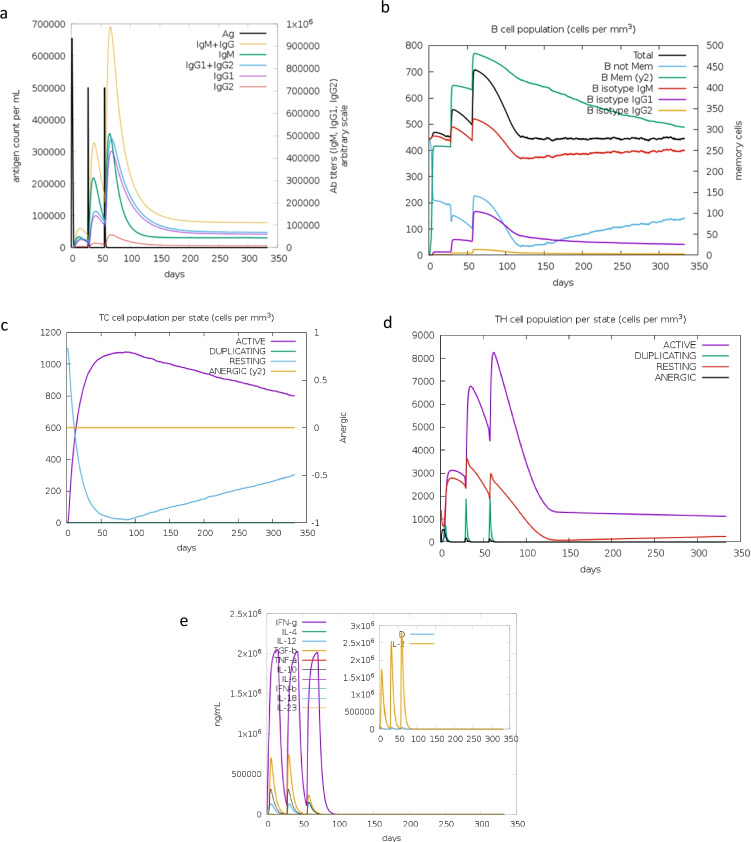
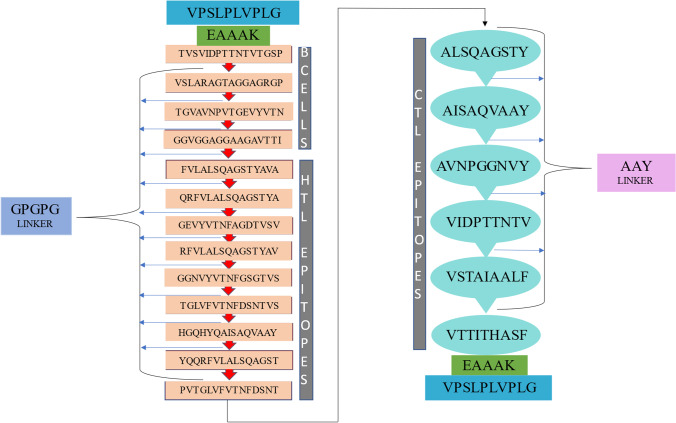
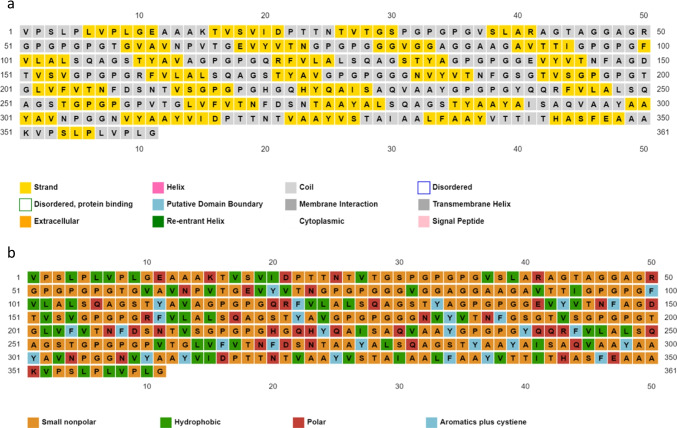
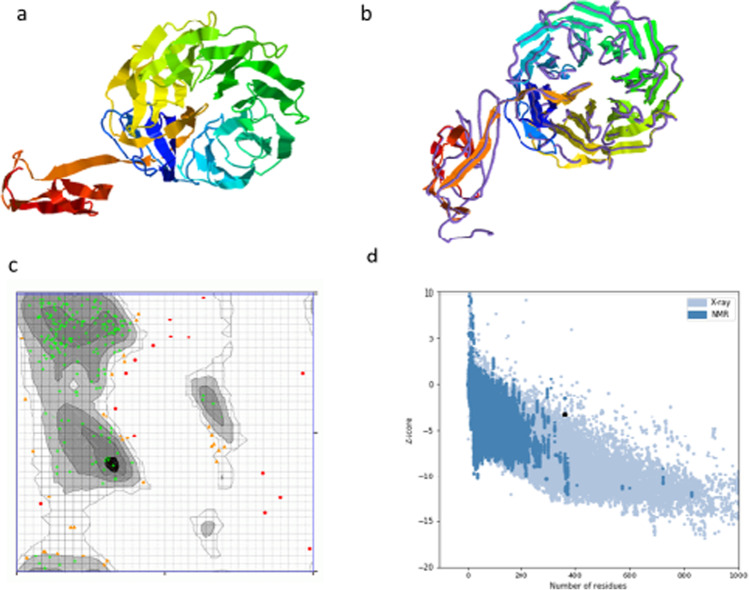
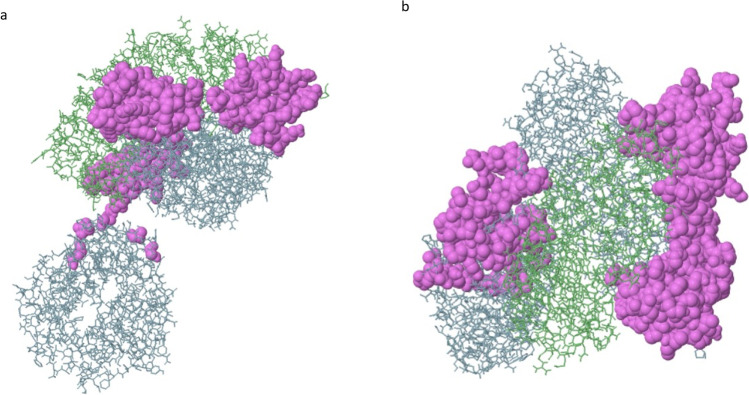
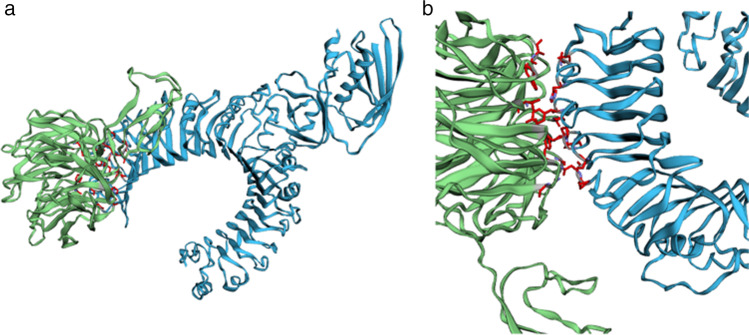
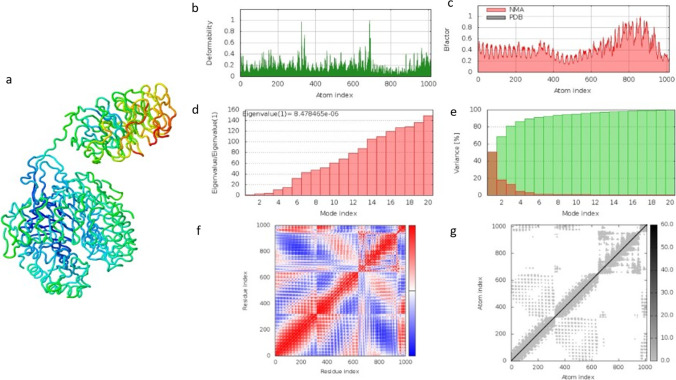
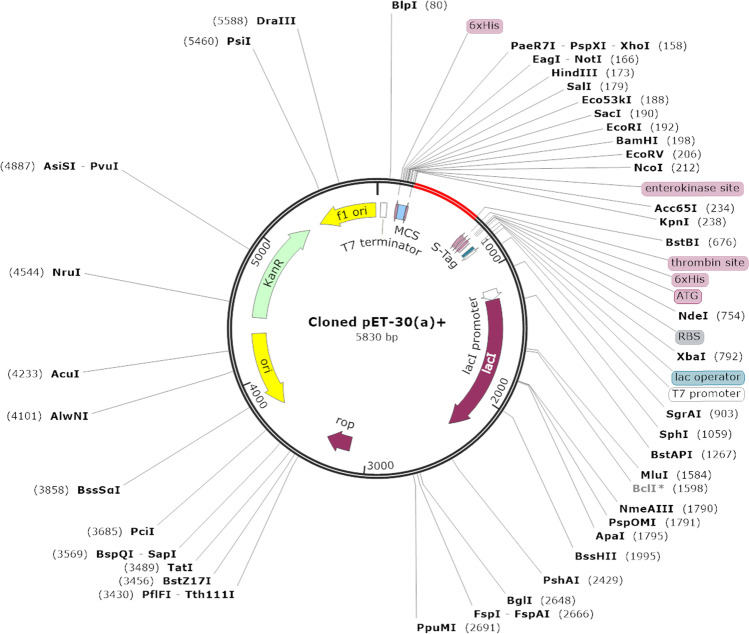
Mycobacterium tuberculosis (Mtb) is responsible for high mortality rates in many low- and middle-income countries. This infectious disease remains accountable for around 1.4 million deaths yearly. Finding effective control measures against Mtb has become imperative. Vaccination has been regarded as the safe and lasting control measure to curtail the impact of Mtb. This study used the Mtb protein biomarker PE_PGRS17 to design a multi-epitope vaccine. A previous study predicted a strong antigenic property of PE_PGRS17. Immunogenic properties such as antigenicity, toxicity, and allergenicity were predicted for the PE_PGRS17 biomarker, specific B- and T-cell epitope sequences, and the final multiple epitope vaccine (MEV) construct. Algorithmic tools predicted the T- and B-cell epitopes and those that met the immunogenic properties were selected to construct the MEV candidate for predicted vaccine development. The epitopes were joined via linkers and an adjuvant was attached to the terminals of the entire vaccine construct. Immunogenic properties, and physicochemical and structural predictions gave insight into the MEV construct. The assembled vaccine candidate was docked with a receptor and validated using web-based tools. An immune simulation was performed to imitate the immune response after exposure to a dosed administrated predicted MEV subunit. An in silico cloning and codon optimisation gave insight into optimal expression conditions regarding the MEV candidate. In conclusion, the generated MEV construct may potentially emit both cellular and humoral responses which are vital in the development of a peptide-based vaccine against Mtb; nonetheless, further experimental validation is still required.
结核分枝杆菌(Mtb)是许多中低收入国家高死亡率的罪魁祸首。这种传染病每年仍导致约 140 万人死亡。寻找针对 Mtb 的有效控制措施已变得势在必行。疫苗接种被认为是安全和持久的控制措施,可以减少 Mtb 的影响。本研究使用 Mtb 蛋白生物标志物 PE_PGRS17 来设计一种多表位疫苗。先前的研究预测了 PE_PGRS17 具有很强的抗原性。对 PE_PGRS17 生物标志物、特定的 B 细胞和 T 细胞表位序列以及最终的多表位疫苗(MEV)构建体进行了免疫原性、毒性和变应原性等免疫特性预测。算法工具预测了 T 细胞和 B 细胞表位,选择符合免疫原性特性的表位来构建用于预测疫苗开发的 MEV 候选物。通过接头将表位连接起来,并在整个疫苗构建体的末端添加佐剂。免疫原性特性以及物理化学和结构预测为 MEV 构建体提供了深入了解。组装好的候选疫苗与受体对接,并使用基于网络的工具进行验证。进行免疫模拟以模拟暴露于预定 MEV 亚单位后的免疫反应。体外克隆和密码子优化深入了解了 MEV 候选物的最佳表达条件。总之,生成的 MEV 构建体可能会引发细胞和体液反应,这对于开发针对 Mtb 的基于肽的疫苗至关重要;然而,仍需要进一步的实验验证。