Molokova Anastasia Yu, Borfecchia Elisa, Martini Andrea, Pankin Ilia A, Atzori Cesare, Mathon Olivier, Bordiga Silvia, Wen Fei, Vennestrøm Peter N R, Berlier Gloria, Janssens Ton V W, Lomachenko Kirill A
European Synchrotron Radiation Facility, 71 avenue des Martyrs, CS 40220, 38043 Grenoble Cedex 9, France.
Department of Chemistry and NIS Centre, University of Turin, via Giuria 7,10125 Turin, Italy.
JACS Au. 2022 Apr 11;2(4):787-792. doi: 10.1021/jacsau.2c00053. eCollection 2022 Apr 25.
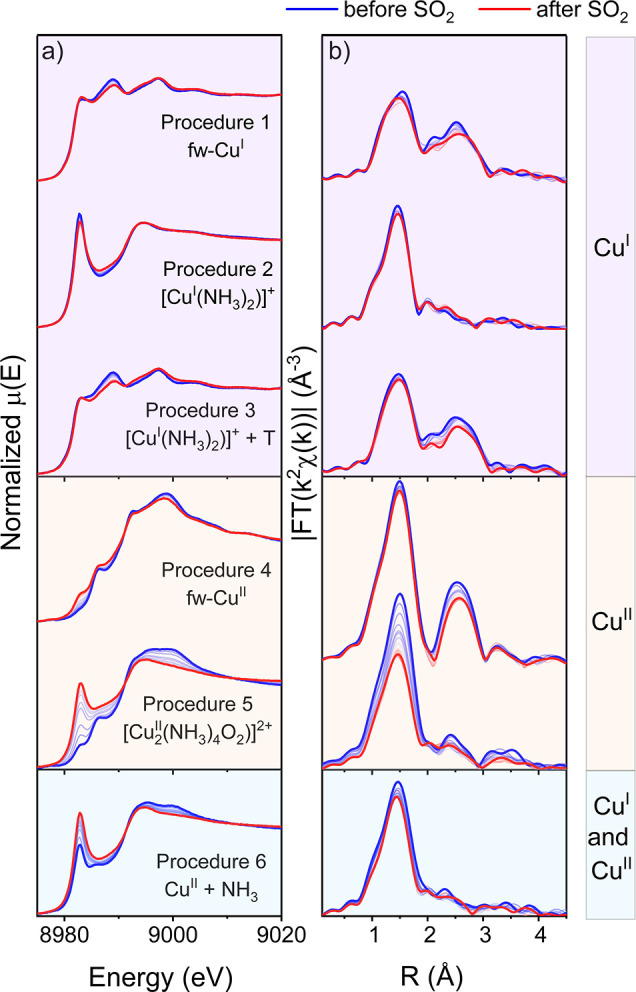
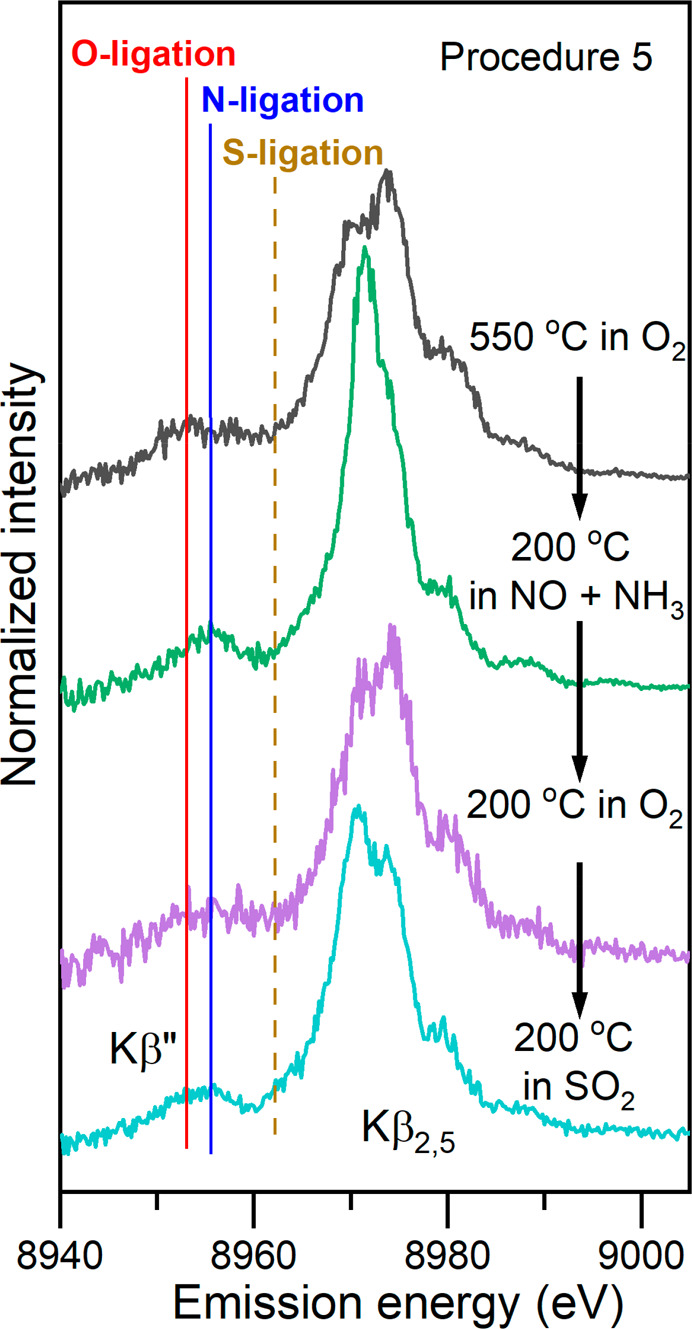
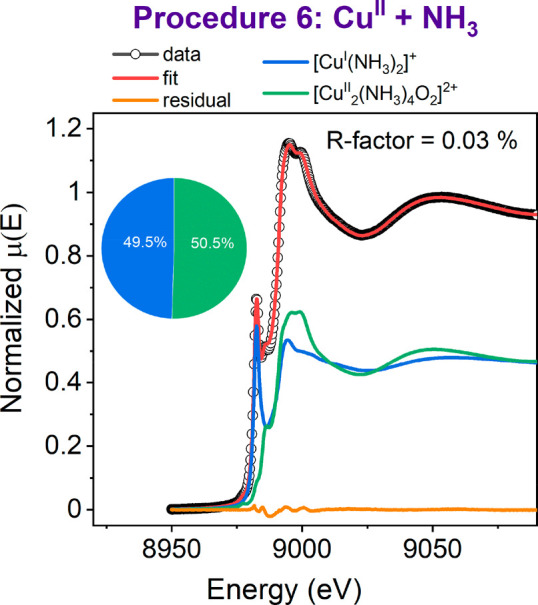
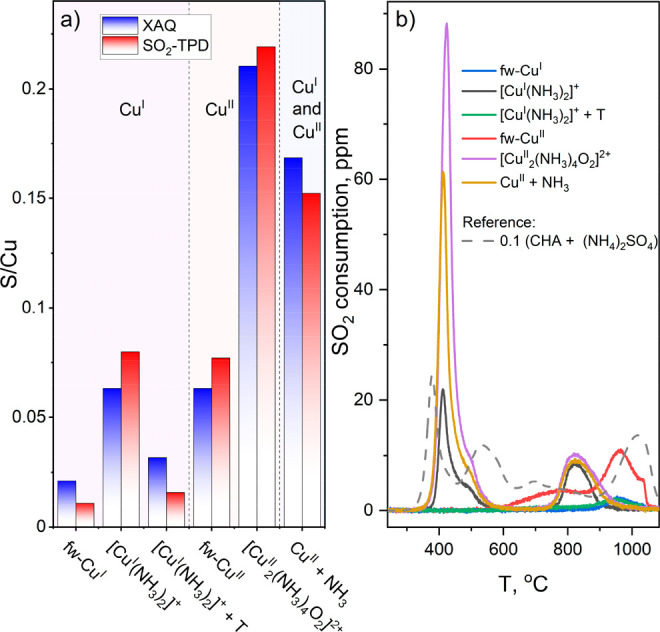
Cu-exchanged chabazite zeolites (Cu-CHA) are effective catalysts for the NH-assisted selective catalytic reduction of NO (NH-SCR) for the abatement of NO emission from diesel vehicles. However, the presence of a small amount of SO in diesel exhaust gases leads to a severe reduction in the low-temperature activity of these catalysts. To shed light on the nature of such deactivation, we characterized a Cu-CHA catalyst under well-defined exposures to SO using X-ray absorption spectroscopy. By varying the pretreatment procedure prior to the SO exposure, we have selectively prepared Cu and Cu species with different ligations, which are relevant for the NH-SCR reaction. The highest reactivity toward SO was observed for Cu species coordinated to both NH and extraframework oxygen, in particular for [Cu (NH)O] complexes. Cu species without either ammonia or extraframework oxygen ligands were much less reactive, and the associated SO uptake was significantly lower. These results explain why SO mostly affects the low-temperature activity of Cu-CHA catalysts, since the dimeric complex [Cu (NH)O] is a crucial intermediate in the low-temperature NH-SCR catalytic cycle.
铜交换菱沸石(Cu-CHA)是用于氨辅助选择性催化还原NO(NH-SCR)以减少柴油车辆NO排放的有效催化剂。然而,柴油废气中存在少量的SO会导致这些催化剂的低温活性严重降低。为了阐明这种失活的本质,我们使用X射线吸收光谱法在明确的SO暴露条件下对Cu-CHA催化剂进行了表征。通过改变SO暴露之前的预处理程序,我们选择性地制备了具有不同配位的Cu和Cu物种,这些物种与NH-SCR反应相关。对于与NH和骨架外氧配位的Cu物种,特别是对于[Cu(NH)O]配合物,观察到对SO的最高反应活性。没有氨或骨架外氧配体的Cu物种反应活性要低得多,并且相关的SO吸收量明显更低。这些结果解释了为什么SO主要影响Cu-CHA催化剂的低温活性,因为二聚体配合物[Cu(NH)O]是低温NH-SCR催化循环中的关键中间体。