Zhang Guiyun, Zheng Ping, Lv Yisong, Shi Zhonghua, Shi Fei
Department of Neurovascular Intervention, Clinical Center of Neuroscience, Shanghai General Hospital, Shanghai Jiao Tong University School of Medicine, Shanghai, China.
Department of Neurosurgery, Shanghai Pudong New Area People's Hospital, Shanghai, China.
Front Genet. 2022 Apr 26;13:873764. doi: 10.3389/fgene.2022.873764. eCollection 2022.
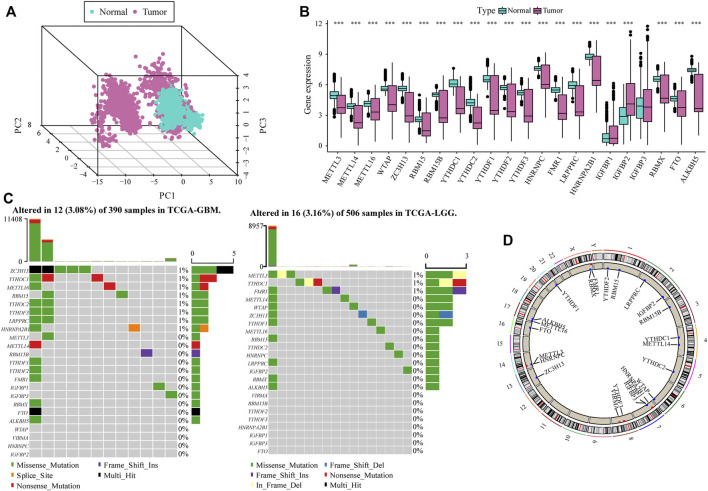
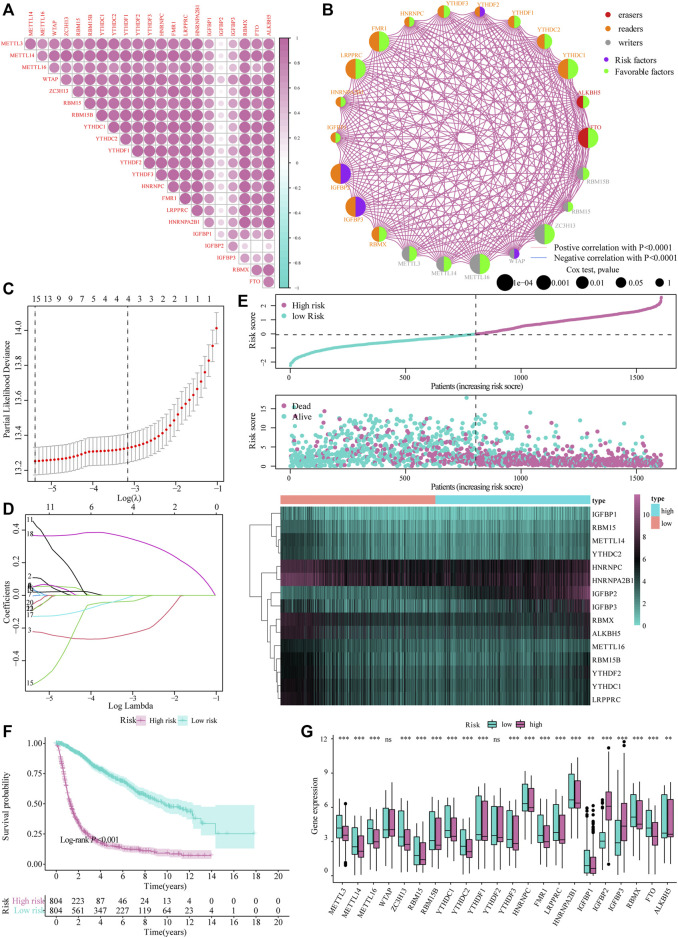
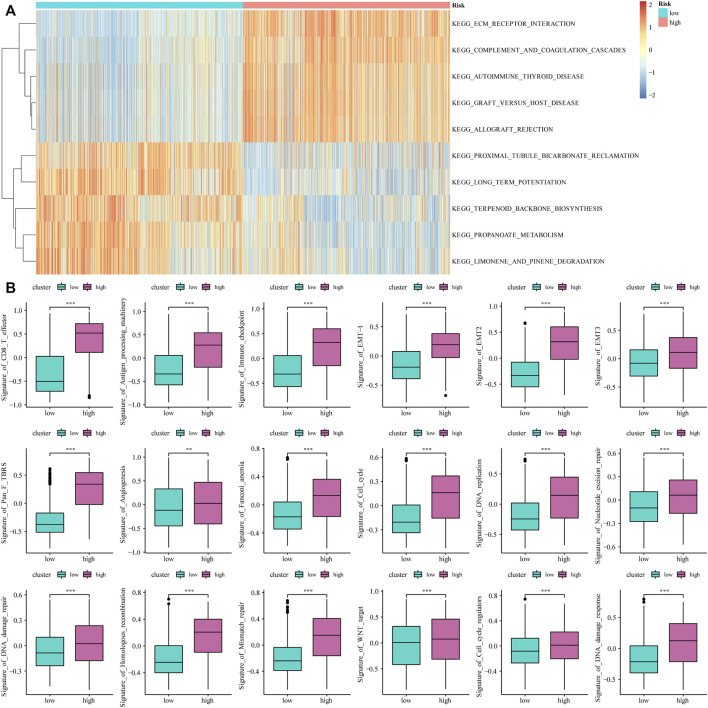
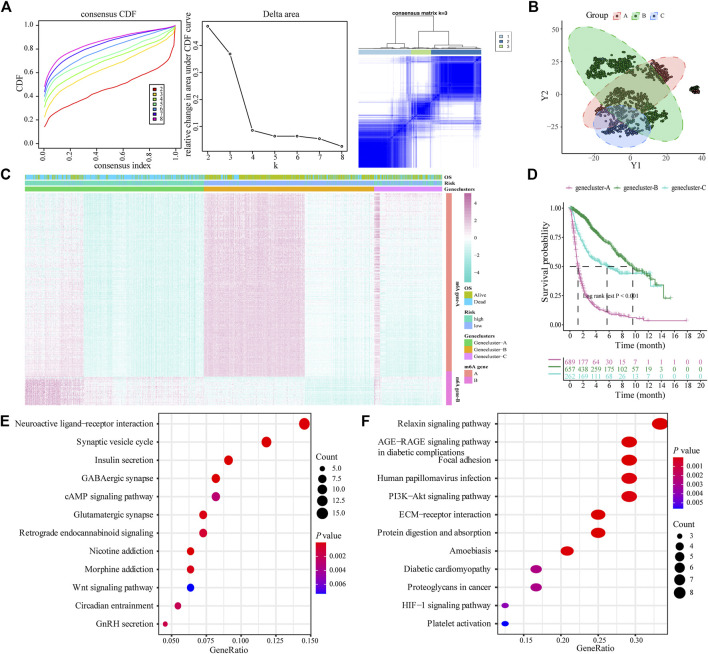
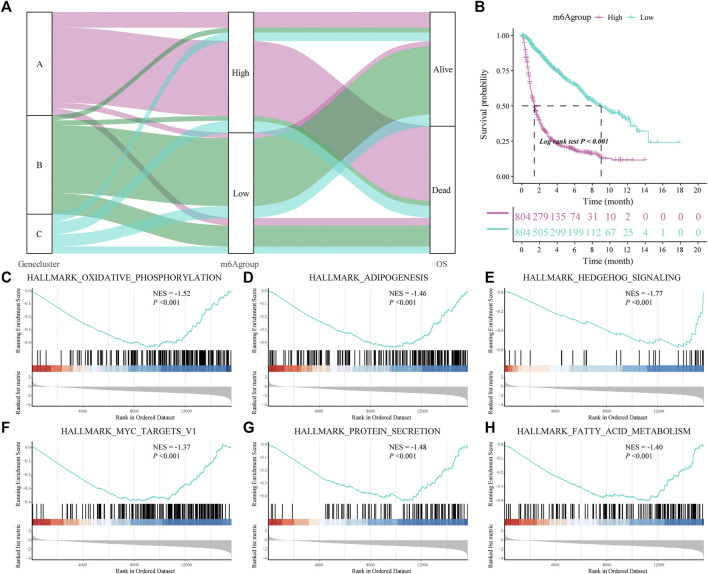
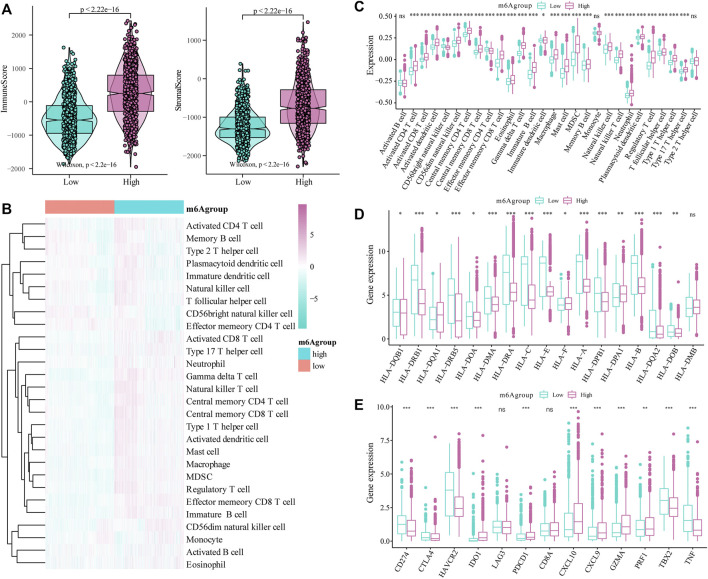
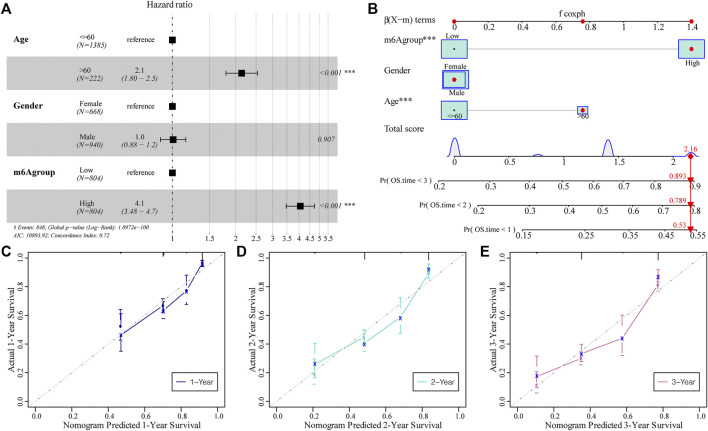
The median survival of patients with gliomas is relatively short. To investigate the epigenetic mechanisms associated with poor survival, we analyzed publicly available datasets from patients with glioma. This analysis revealed 12 prognosis-related m6A regulatory genes that may be responsible for poor prognosis. These genes may be involved in genomic changes inherent to oxidative phosphorylation, adipogenesis, hedgehog signaling, and Myc signaling. We reconstructed a risk model with univariate and multivariate Cox analyses and identified older age and the m6A risk score as independent risk factors for predicting the prognosis of glioma patients, which is associated with glioma immune infiltration. In conclusion, m6A regulatory genes may serve as both reliable biomarkers and potential targets to increase the chance of survival of patients with glioma.
胶质瘤患者的中位生存期相对较短。为了研究与生存期不佳相关的表观遗传机制,我们分析了来自胶质瘤患者的公开可用数据集。该分析揭示了12个与预后相关的m6A调控基因,这些基因可能是导致预后不良的原因。这些基因可能参与了氧化磷酸化、脂肪生成、刺猬信号通路和Myc信号通路固有的基因组变化。我们通过单变量和多变量Cox分析重建了一个风险模型,并确定年龄较大和m6A风险评分是预测胶质瘤患者预后的独立风险因素,这与胶质瘤免疫浸润有关。总之,m6A调控基因可能既是可靠的生物标志物,也是增加胶质瘤患者生存机会的潜在靶点。