G.B. Elyakov Pacific Institute of Bioorganic Chemistry, Far Eastern Branch, Russian Academy of Sciences, 690022 Vladivostok, Russia.
V.N. Orekhovich Institute of Biomedical Chemistry, 10, Pogodinskaya St., 119121 Moscow, Russia.
Int J Mol Sci. 2022 May 4;23(9):5115. doi: 10.3390/ijms23095115.
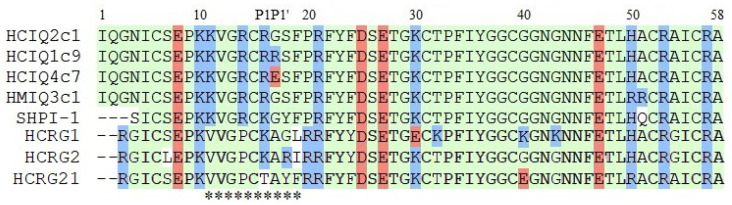
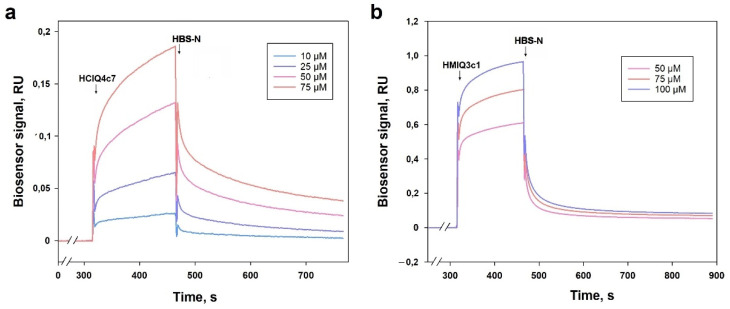
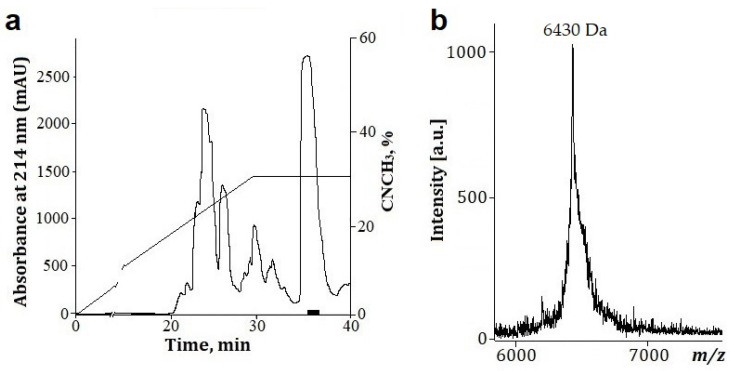
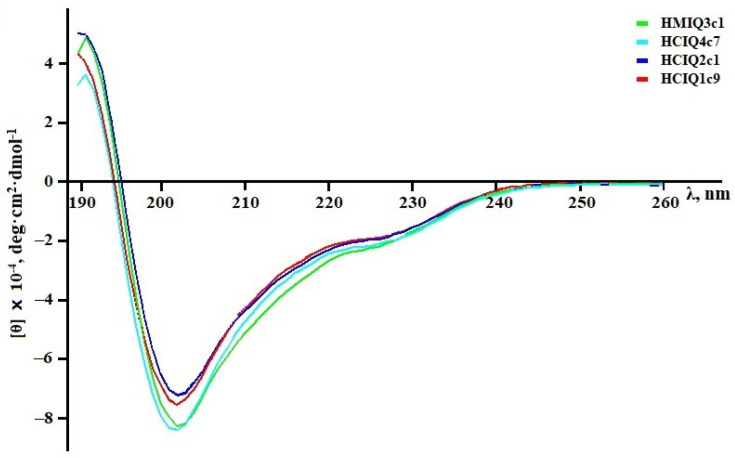
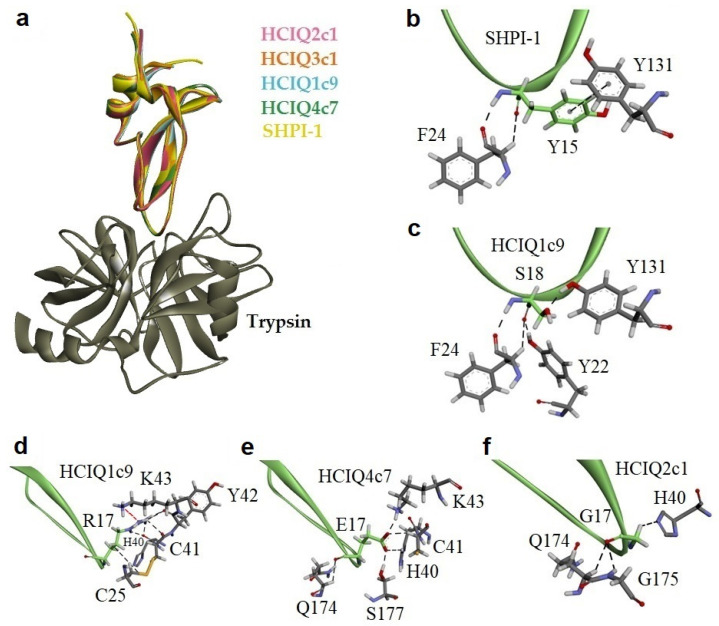
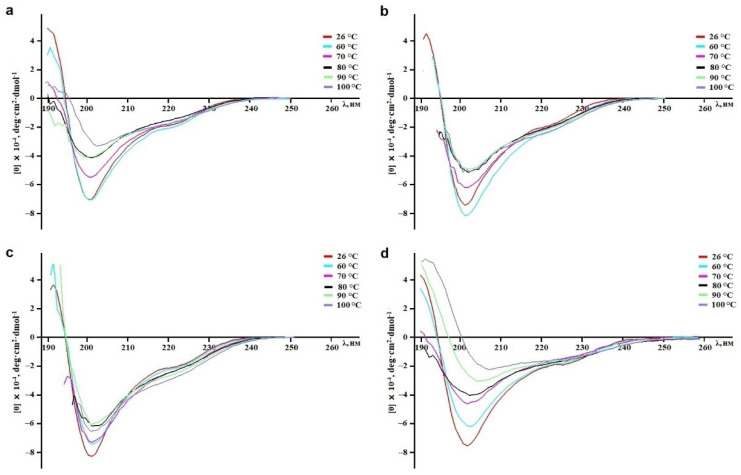
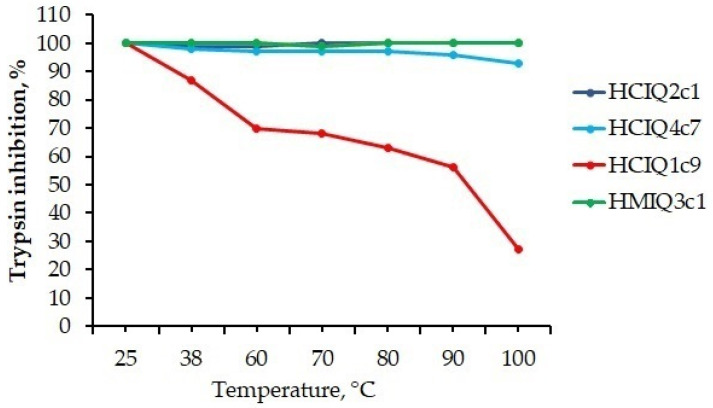
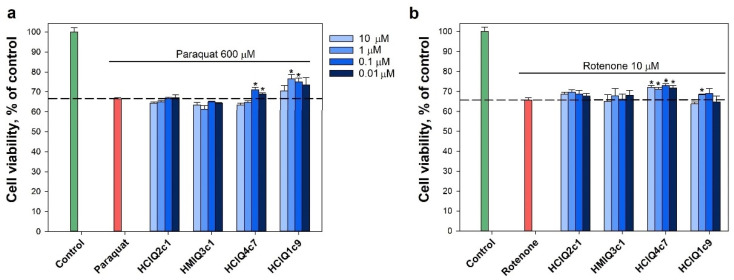
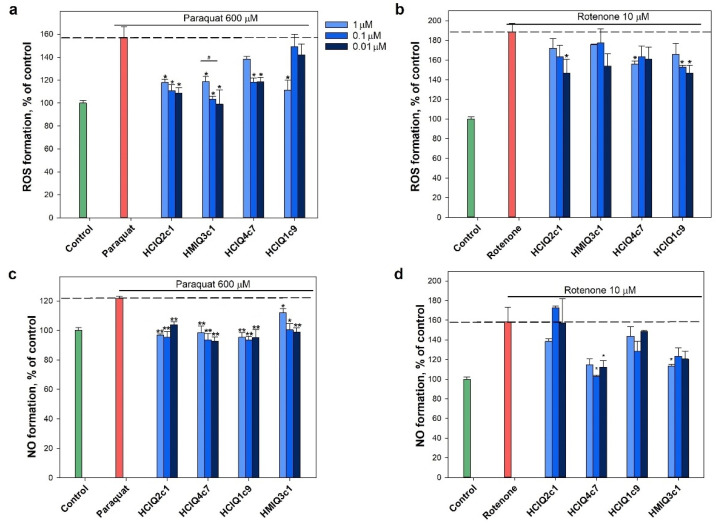
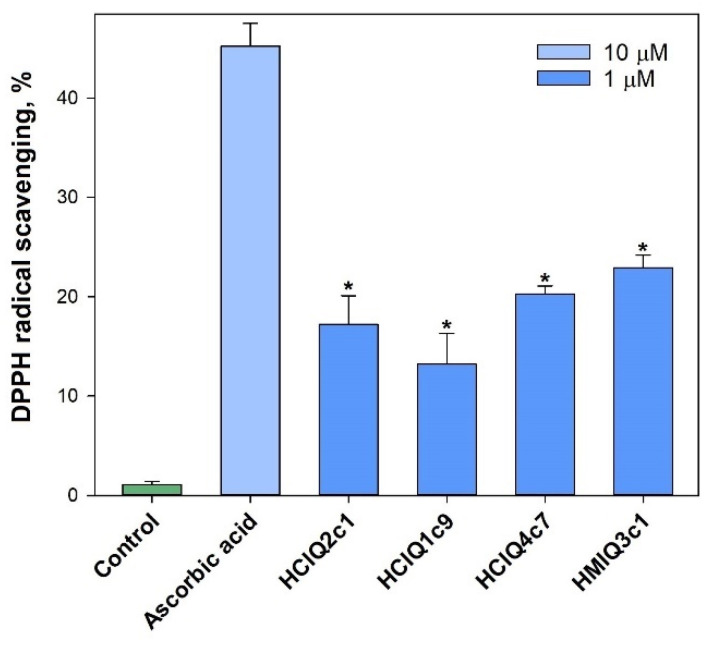
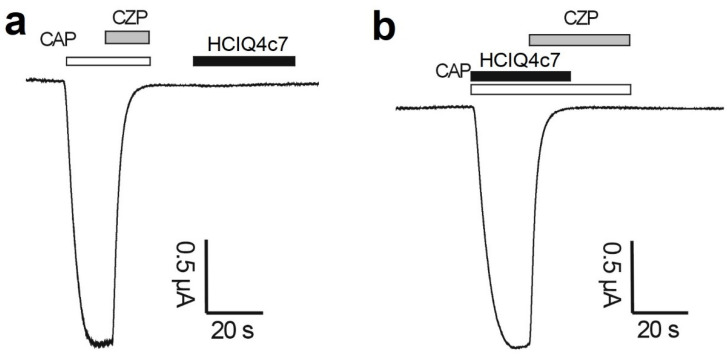
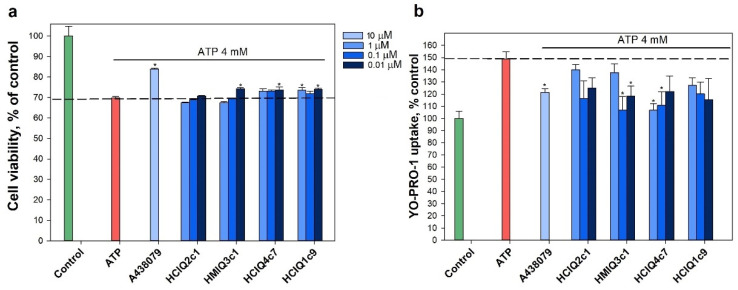
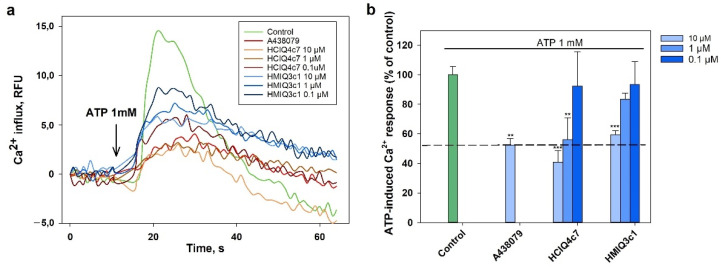
Parkinson's disease (PD) is a socially significant disease, during the development of which oxidative stress and inflammation play a significant role. Here, we studied the neuroprotective effects of four Kunitz-type peptides from and sea anemones against PD inductors. The peptide HCIQ1c9, which was obtained for the first time, inhibited trypsin less than other peptides due to unfavorable interactions of Arg17 with Lys43 in the enzyme. Its activity was reduced by up to 70% over the temperature range of 60-100 °C, while HCIQ2c1, HCIQ4c7, and HMIQ3c1 retained their conformation and stayed active up to 90-100 °C. All studied peptides inhibited paraquat- and rotenone-induced intracellular ROS formation, in particular NO, and scavenged free radicals outside the cells. The peptides did not modulate the TRPV1 channels but they affected the P2X7R, both of which are considered therapeutic targets in Parkinson's disease. HMIQ3c1 and HCIQ4c7 almost completely inhibited the ATP-induced uptake of YO-PRO-1 dye in Neuro-2a cells through P2X7 ion channels and significantly reduced the stable calcium response in these cells. The complex formation of the peptides with the P2X7R extracellular domain was determined via SPR analysis. Thus, these peptides may be considered promising compounds to protect neuronal cells against PD inductors, which act as ROS production inhibitors and partially act as ATP-induced P2X7R activation inhibitors.
帕金森病(PD)是一种具有重要社会意义的疾病,在其发展过程中氧化应激和炎症起着重要作用。在这里,我们研究了来自 和 海葵的四种 Kunitz 型肽对 PD 诱导剂的神经保护作用。首次获得的肽 HCIQ1c9 由于 Arg17 与酶中的 Lys43 之间的不利相互作用,对胰蛋白酶的抑制作用小于其他肽。其活性在 60-100°C 的温度范围内降低了多达 70%,而 HCIQ2c1、HCIQ4c7 和 HMIQ3c1 保持其构象并保持活性直至 90-100°C。所有研究的肽均抑制百草枯和鱼藤酮诱导的细胞内 ROS 形成,特别是 NO,并清除细胞外自由基。这些肽不调节 TRPV1 通道,但它们影响 P2X7R,两者都被认为是帕金森病的治疗靶点。HMIQ3c1 和 HCIQ4c7 通过 P2X7 离子通道几乎完全抑制了 YO-PRO-1 染料在 Neuro-2a 细胞中的 ATP 诱导摄取,并显著降低了这些细胞中的稳定钙反应。通过 SPR 分析确定了肽与 P2X7R 细胞外结构域的复合物形成。因此,这些肽可被视为保护神经元细胞免受 PD 诱导剂的有前途的化合物,其作用是抑制 ROS 产生,并部分作用是抑制 ATP 诱导的 P2X7R 激活。