Department of Science and Engineering of Oxide Materials and Nanomaterials, Politehnica University of Bucharest, 011061 Bucharest, Romania.
Research Institute of the University of Bucharest-ICUB, University of Bucharest, 050657 Bucharest, Romania.
Int J Mol Sci. 2022 May 8;23(9):5253. doi: 10.3390/ijms23095253.
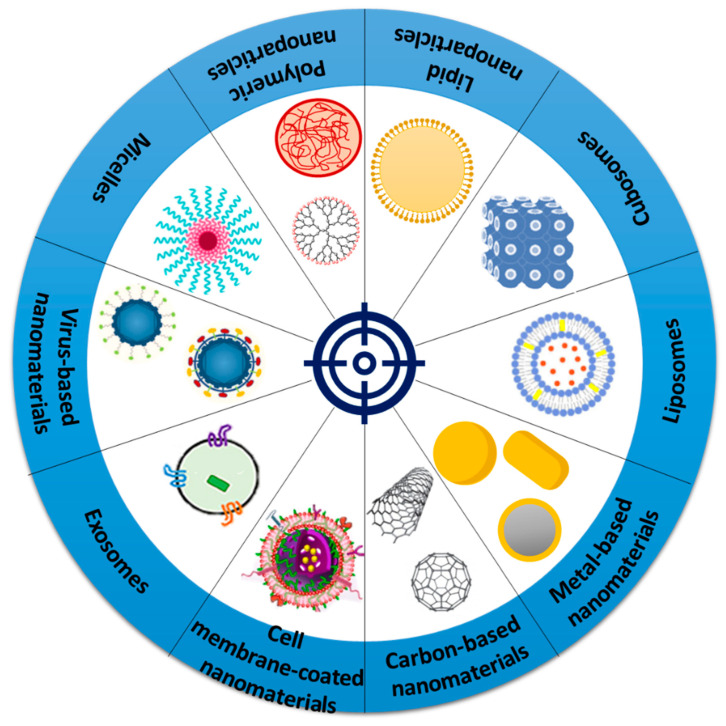
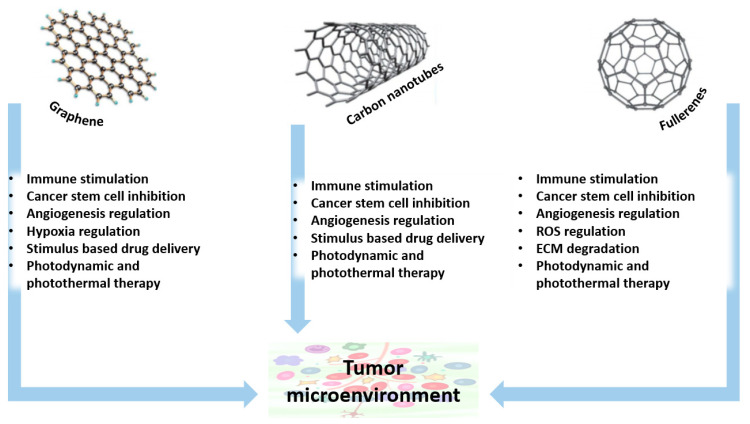
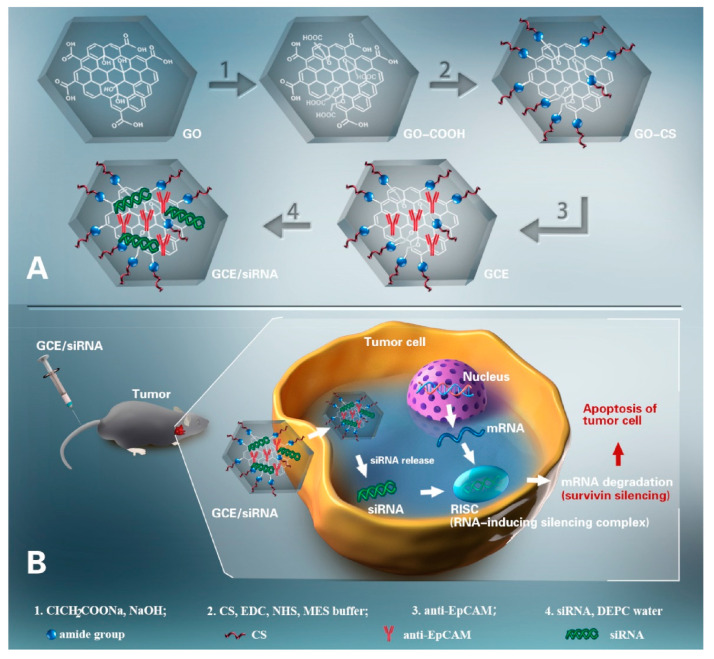
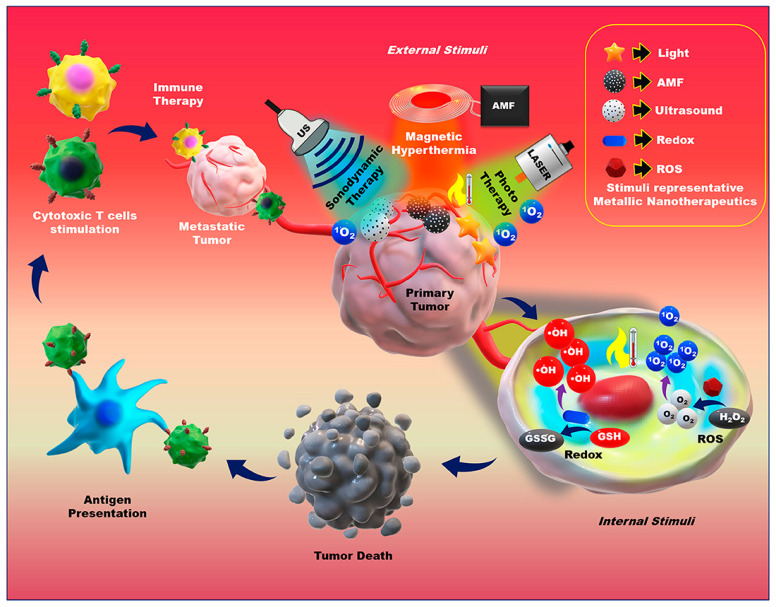
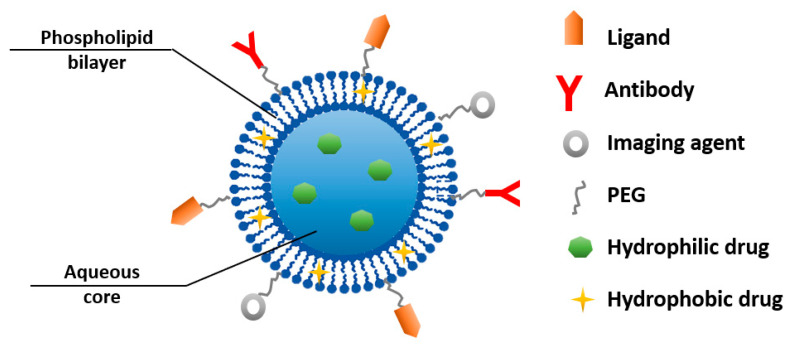
Being one of the leading causes of death and disability worldwide, cancer represents an ongoing interdisciplinary challenge for the scientific community. As currently used treatments may face limitations in terms of both efficiency and adverse effects, continuous research has been directed towards overcoming existing challenges and finding safer specific alternatives. In particular, increasing interest has been gathered around integrating nanotechnology in cancer management and subsequentially developing various tumor-targeting nanoparticles for cancer applications. In this respect, the present paper briefly describes the most used cancer treatments in clinical practice to set a reference framework for recent research findings, further focusing on the novel developments in the field. More specifically, this review elaborates on the top recent studies concerning various nanomaterials (i.e., carbon-based, metal-based, liposomes, cubosomes, lipid-based, polymer-based, micelles, virus-based, exosomes, and cell membrane-coated nanomaterials) that show promising potential in different cancer applications.
作为全球范围内导致死亡和残疾的主要原因之一,癌症是科学界面临的一个持续的跨学科挑战。由于目前使用的治疗方法在效率和副作用方面可能存在局限性,因此一直在进行持续的研究,以克服现有挑战并寻找更安全的特定替代品。特别是,人们对将纳米技术应用于癌症治疗并开发各种用于癌症应用的肿瘤靶向纳米颗粒越来越感兴趣。在这方面,本文简要描述了目前临床实践中使用的最常见的癌症治疗方法,为最近的研究结果建立了一个参考框架,进一步侧重于该领域的新进展。具体来说,本综述详细阐述了关于各种纳米材料(即基于碳的、基于金属的、脂质体、立方脂质体、基于脂质的、基于聚合物的、胶束、基于病毒的、外泌体和细胞膜包覆的纳米材料)的最新研究,这些纳米材料在不同的癌症应用中显示出有前途的潜力。