Li Xiaojuan, Wang Chen, Kassem Mukhtar A, Alhajlah Hamed H, Bimenyimana Samuel
College of Transportation and Civil Engineering, Fujian Agriculture and Forestry University, Fuzhou 350108, China.
College of Civil Engineering, Huaqiao University, Xiamen 361021, China.
Int J Environ Res Public Health. 2022 Apr 24;19(9):5180. doi: 10.3390/ijerph19095180.
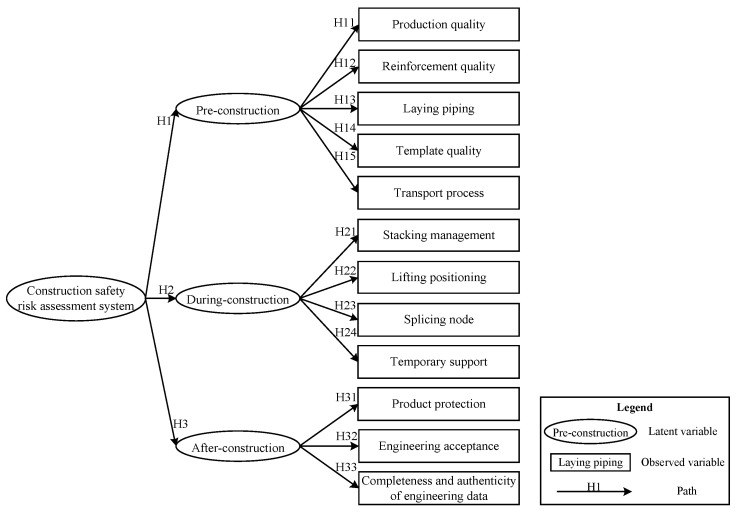
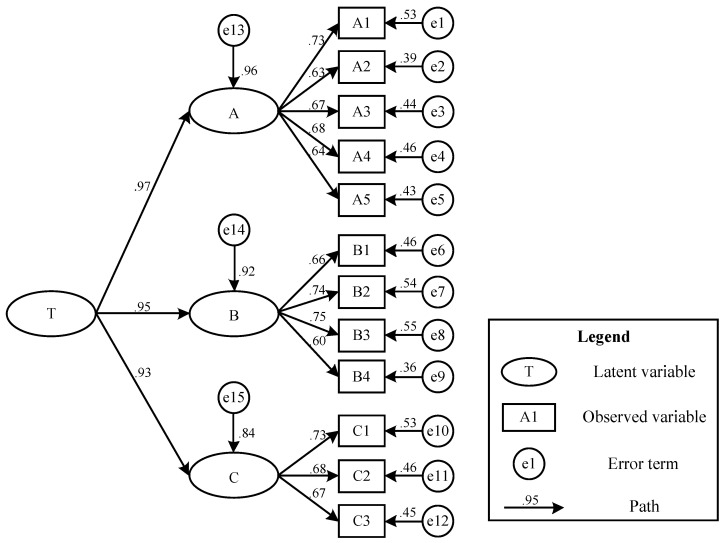
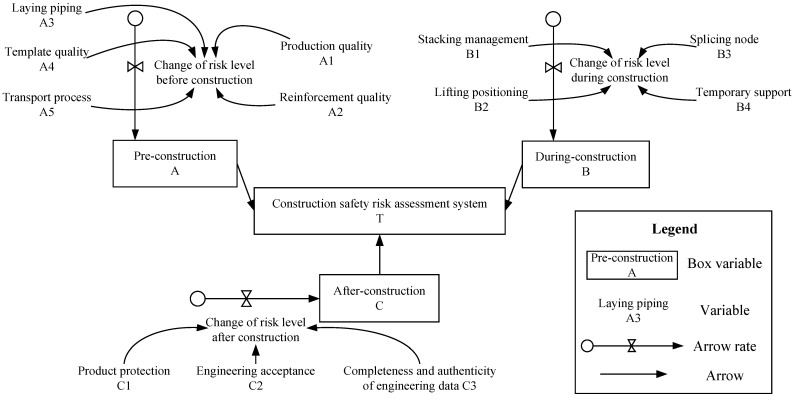
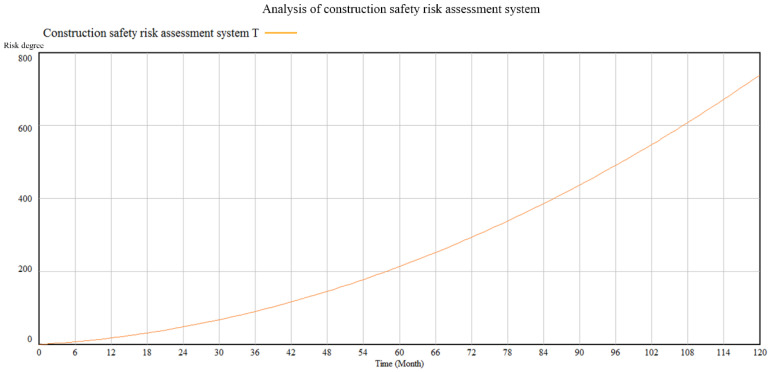
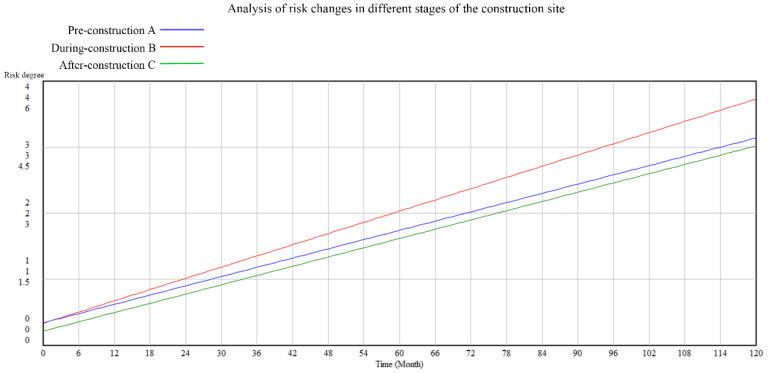
The construction of prefabricated buildings is an effective and efficient approach to improving construction processes and productivity. However, there are practical problems in this approach, such as listing, safety risk levels, and quality control. This study aims to develop a systematic approach for determining the key factors affecting prefabricated building projects' quality and safety risk and assessing this risk. Based on the literature review, a structured questionnaire was distributed to 408 China-based construction organizations. Considering the factors of safety risk evaluation systems for construction, the safety risk model of prefabricated buildings is established and combined with structural equation modeling (SEM) and a system dynamic model (SDM). A detailed case study was conducted to verify the empirical findings. The results show that pre-construction, during-construction, and after-construction significantly influence the quality risk (from high to low). The final comprehensive score is 92.71, indicating that the construction safety of the residential building is generally controllable and the quality is guaranteed. Furthermore, the investment risk of such projects can be assessed using SEM and SDM. This study contributes to the literature by considering quality-risk-influencing factors in this field. Furthermore, the findings provide an understanding of implementation and quality risk control for prefabricated building projects and provide valuable information to departments in charge of improving the safety risk performance of such projects.
预制建筑的建造是改善建筑过程和提高生产率的一种有效且高效的方法。然而,这种方法存在一些实际问题,例如清单、安全风险等级和质量控制。本研究旨在开发一种系统方法,用于确定影响预制建筑项目质量和安全风险的关键因素,并评估这种风险。基于文献综述,向408家中国建筑组织发放了结构化问卷。考虑到建筑安全风险评估系统的因素,建立了预制建筑的安全风险模型,并将其与结构方程模型(SEM)和系统动力学模型(SDM)相结合。进行了详细的案例研究以验证实证结果。结果表明,施工前、施工期间和施工后对质量风险有显著影响(从高到低)。最终综合评分为92.71,表明住宅建筑的施工安全总体可控,质量有保障。此外,此类项目的投资风险可以使用SEM和SDM进行评估。本研究通过考虑该领域的质量风险影响因素为文献做出了贡献。此外,研究结果为预制建筑项目的实施和质量风险控制提供了认识,并为负责提高此类项目安全风险绩效的部门提供了有价值的信息。