Al-Ishaq Raghad Khalid, Koklesova Lenka, Kubatka Peter, Büsselberg Dietrich
Weill Cornell Medicine-Qatar, Education City, Qatar Foundation, Doha 24144, Qatar.
Department of Obstetrics and Gynecology, Jessenius Faculty of Medicine, Comenius University in Bratislava, 036 01 Martin, Slovakia.
Cancers (Basel). 2022 Apr 25;14(9):2140. doi: 10.3390/cancers14092140.
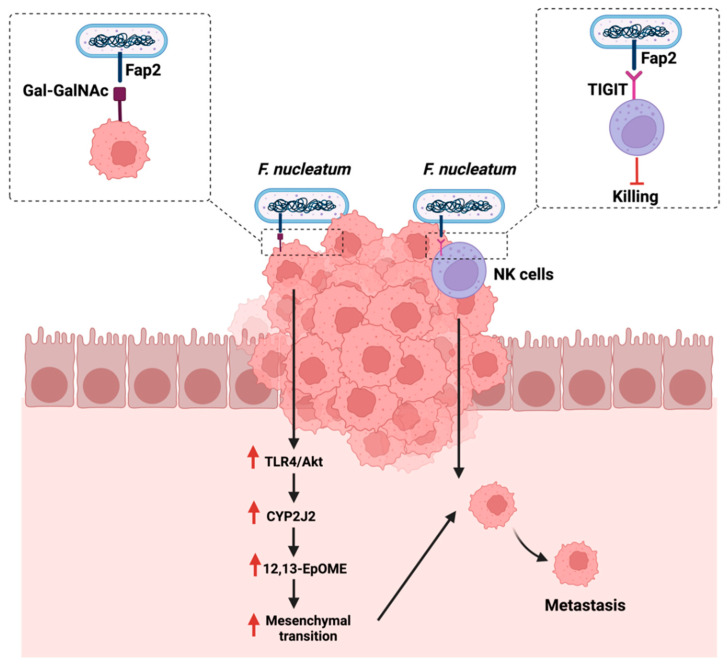
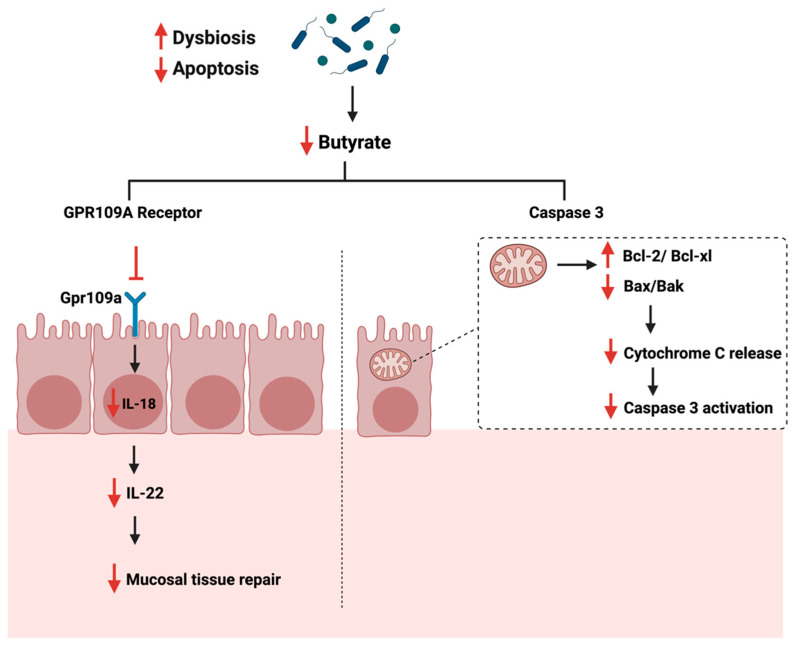
Gastrointestinal cancer (GI) is a global health disease with a huge burden on a patient's physical and psychological aspects of life and on health care providers. It is associated with multiple disease related challenges which can alter the patient's quality of life and well-being. GI cancer development is influenced by multiple factors such as diet, infection, environment, and genetics. Although activating immune pathways and components during cancer is critical for the host's survival, cancerous cells can target those pathways to escape and survive. As the gut microbiome influences the development and function of the immune system, research is conducted to investigate the gut microbiome-immune interactions, the underlying mechanisms, and how they reduce the risk of GI cancer. This review addresses and summarizes the current knowledge on the major immune cells and gut microbiome interactions. Additionally, it highlights the underlying mechanisms of immune dysregulation caused by gut microbiota on four major cancerous pathways, inflammation, cellular proliferation, apoptosis, and metastasis. Overall, gut-immune interactions might be a key to understanding GI cancer development, but further research is needed for more detailed clarification.
胃肠道癌(GI)是一种全球性健康疾病,给患者生活的身体和心理方面以及医疗服务提供者带来了巨大负担。它与多种疾病相关挑战有关,这些挑战会改变患者的生活质量和幸福感。胃肠道癌的发展受饮食、感染、环境和遗传等多种因素影响。尽管在癌症发生过程中激活免疫途径和成分对宿主生存至关重要,但癌细胞可以靶向这些途径以逃脱和存活。由于肠道微生物群影响免疫系统的发育和功能,因此开展了研究以调查肠道微生物群与免疫的相互作用、潜在机制以及它们如何降低胃肠道癌风险。本综述阐述并总结了关于主要免疫细胞与肠道微生物群相互作用的当前知识。此外,它突出了肠道微生物群在炎症、细胞增殖、凋亡和转移这四条主要癌症途径上引起免疫失调的潜在机制。总体而言,肠道与免疫的相互作用可能是理解胃肠道癌发展的关键,但需要进一步研究以进行更详细的阐明。