De Luca Ilenia, Di Cristo Francesca, Valentino Anna, Peluso Gianfranco, Di Salle Anna, Calarco Anna
Research Institute on Terrestrial Ecosystems (IRET)-CNR, Via Pietro Castellino 111, 80131 Naples, Italy.
Elleva Pharma s.r.l. via P. Castellino, 111, 80131 Naples, Italy.
Polymers (Basel). 2022 Apr 23;14(9):1726. doi: 10.3390/polym14091726.
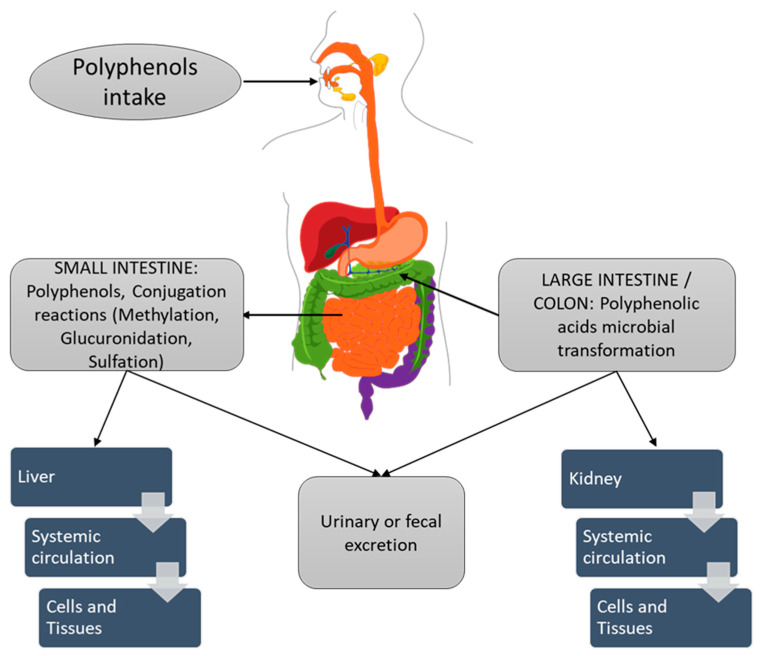
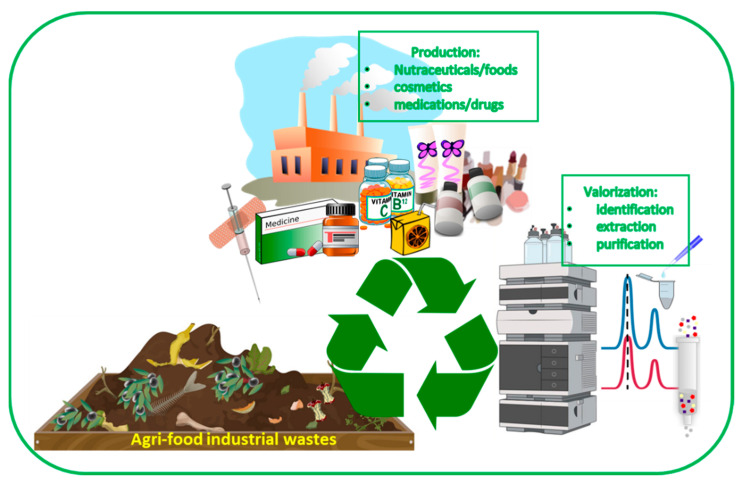
The beneficial effects of the Mediterranean diet (MedDiet), the most widely followed healthy diet in the world, are principally due to the presence in the foods of secondary metabolites, mainly polyphenols, whose healthy characteristics are widely recognized. However, one of the biggest problems associated with the consumption of polyphenols as nutraceutical adjuvant concerns their bioavailability. During the last decades, different nanotechnological approaches have been developed to enhance polyphenol bioavailability, avoiding the metabolic modifications that lead to low absorption, and improving their retention time inside the organisms. This review focuses on the most recent findings regarding the encapsulation and delivery of the bioactive molecules present in the foods daily consumed in the MedDiet such as olive oil, wine, nuts, spice, and herbs. In addition, the possibility of recovering the polyphenols from food waste was also explored, taking into account the increased market demand of functional foods and the necessity to obtain valuable biomolecules at low cost and in high quantity. This circular economy strategy, therefore, represents an excellent approach to respond to both the growing demand of consumers for the maintenance of human wellness and the economic and ecological exigencies of our society.
地中海饮食(MedDiet)是世界上遵循最为广泛的健康饮食,其有益效果主要归因于食物中存在的次生代谢产物,主要是多酚类物质,其健康特性已得到广泛认可。然而,将多酚类物质用作营养保健佐剂的最大问题之一是它们的生物利用度。在过去几十年中,已开发出不同的纳米技术方法来提高多酚类物质的生物利用度,避免导致低吸收的代谢修饰,并延长它们在生物体内的保留时间。本综述重点关注有关地中海饮食中日常食用的食物(如橄榄油、葡萄酒、坚果、香料和草药)中存在的生物活性分子的包封和递送的最新研究结果。此外,还探讨了从食物废料中回收多酚类物质的可能性,考虑到功能性食品市场需求的增加以及以低成本大量获取有价值生物分子的必要性。因此,这种循环经济策略是应对消费者对维持人类健康的日益增长需求以及我们社会的经济和生态需求的绝佳方法。