Fungal Pathogenesis Section, Laboratory of Clinical Immunology and Microbiology (LCIM), National Institute of Allergy & Infectious Diseases (NIAID), National Institutes of Health (NIH), Bethesda, MD 20892, USA; Institute of Immunology & Immunotherapy, Institute of Microbiology & Infection, University of Birmingham, Birmingham, B15 2TT, UK.
Fungal Pathogenesis Section, Laboratory of Clinical Immunology and Microbiology (LCIM), National Institute of Allergy & Infectious Diseases (NIAID), National Institutes of Health (NIH), Bethesda, MD 20892, USA.
Cell Host Microbe. 2022 Jul 13;30(7):1020-1033.e6. doi: 10.1016/j.chom.2022.04.013. Epub 2022 May 13.
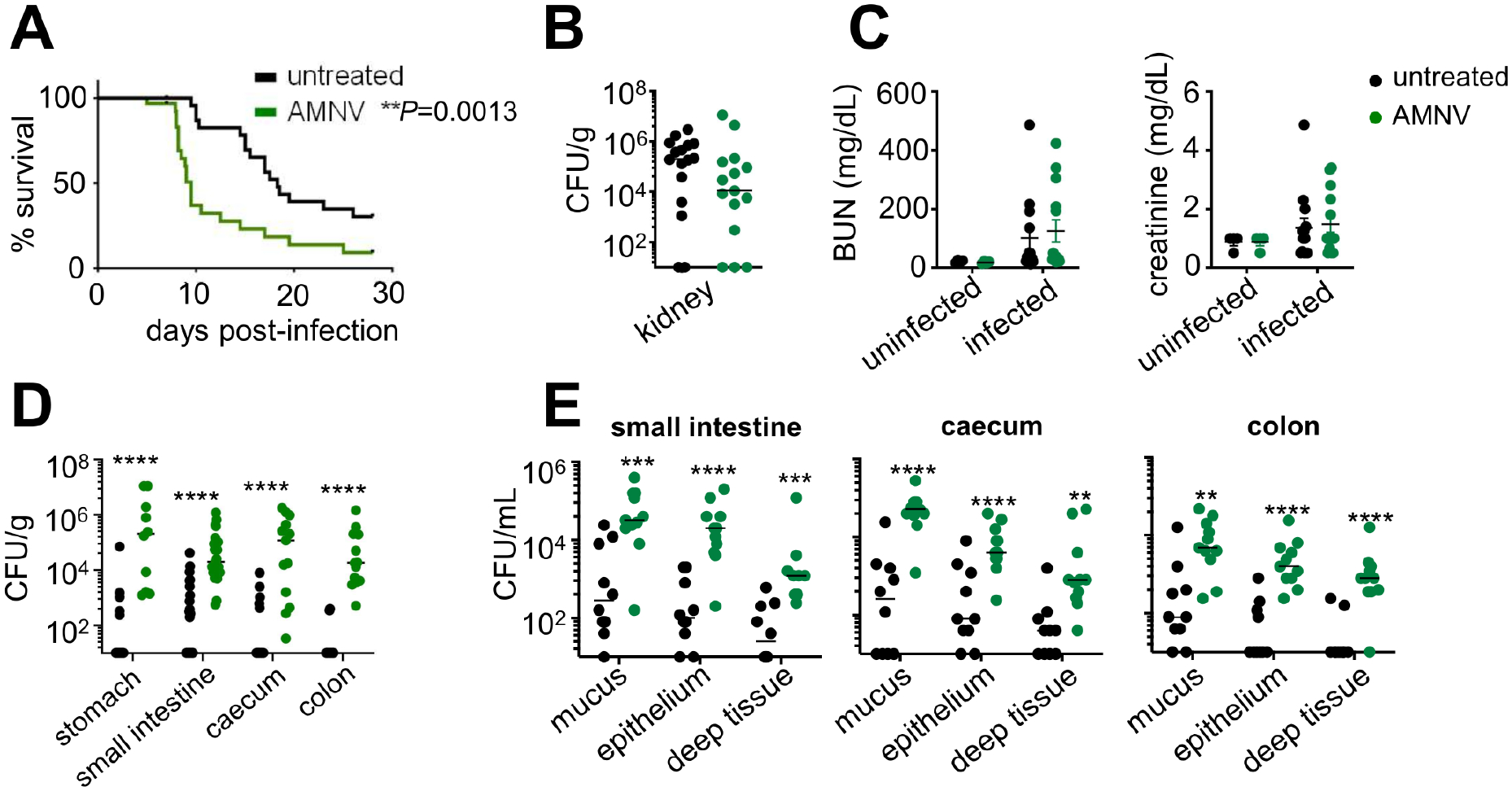
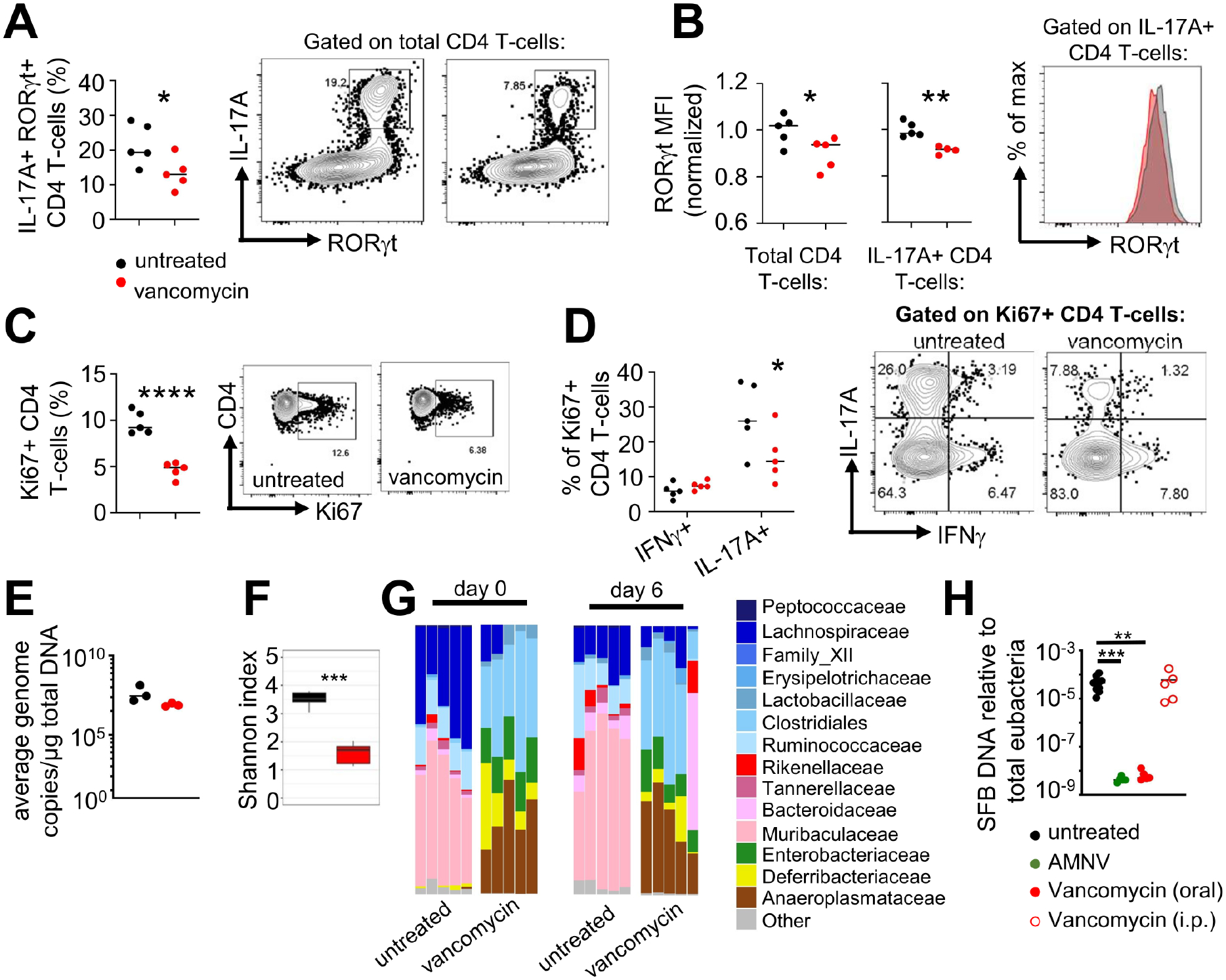
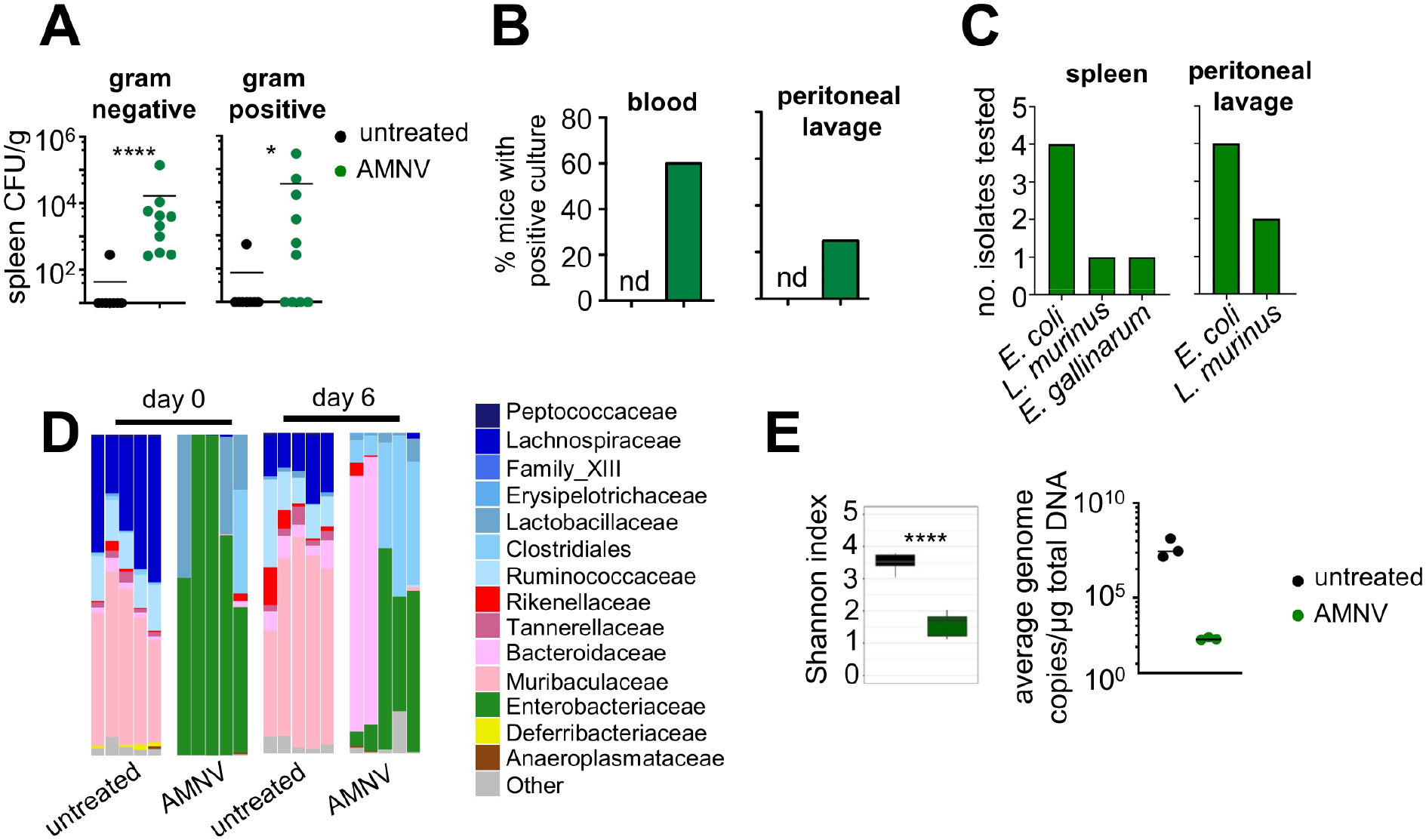
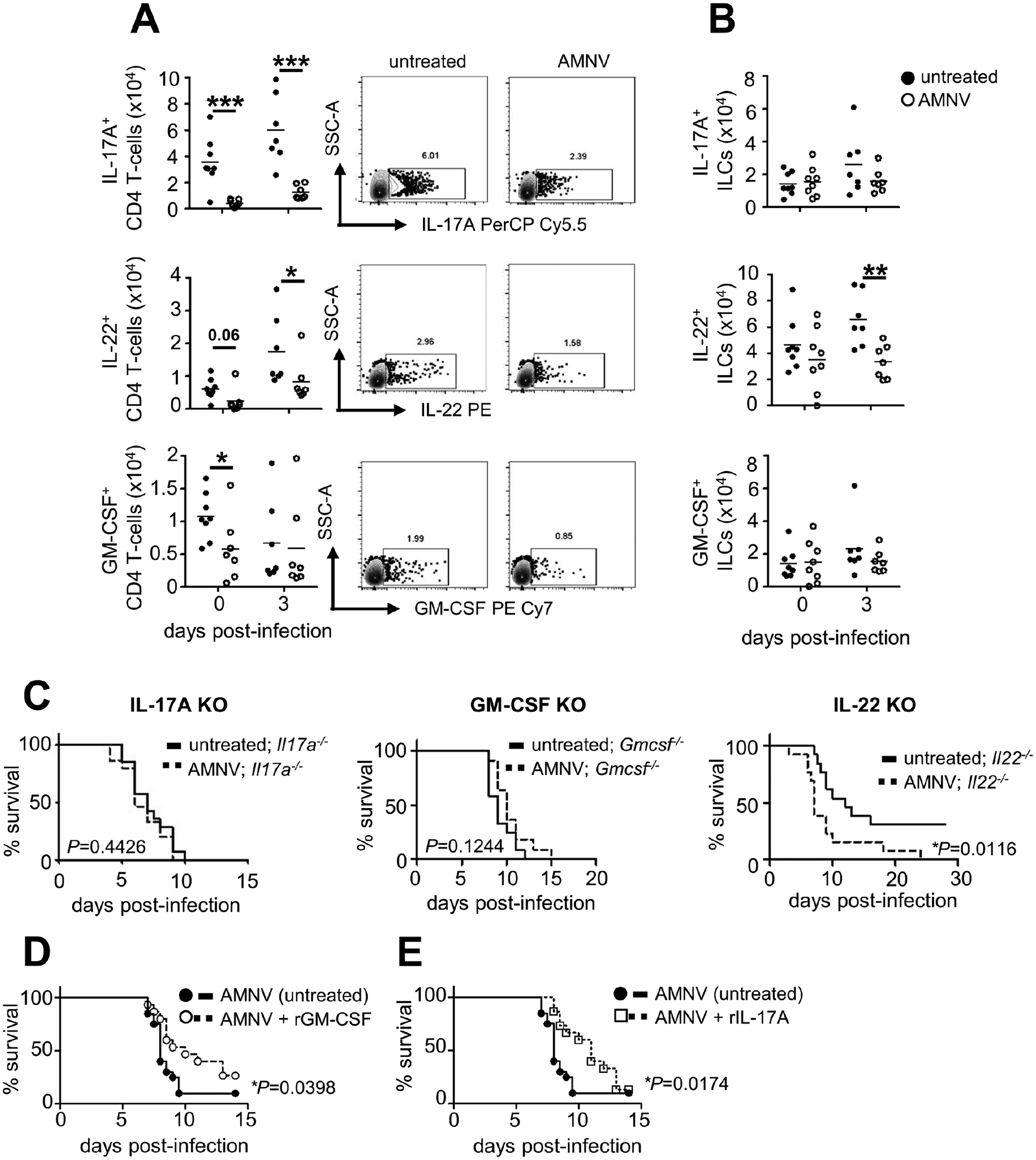
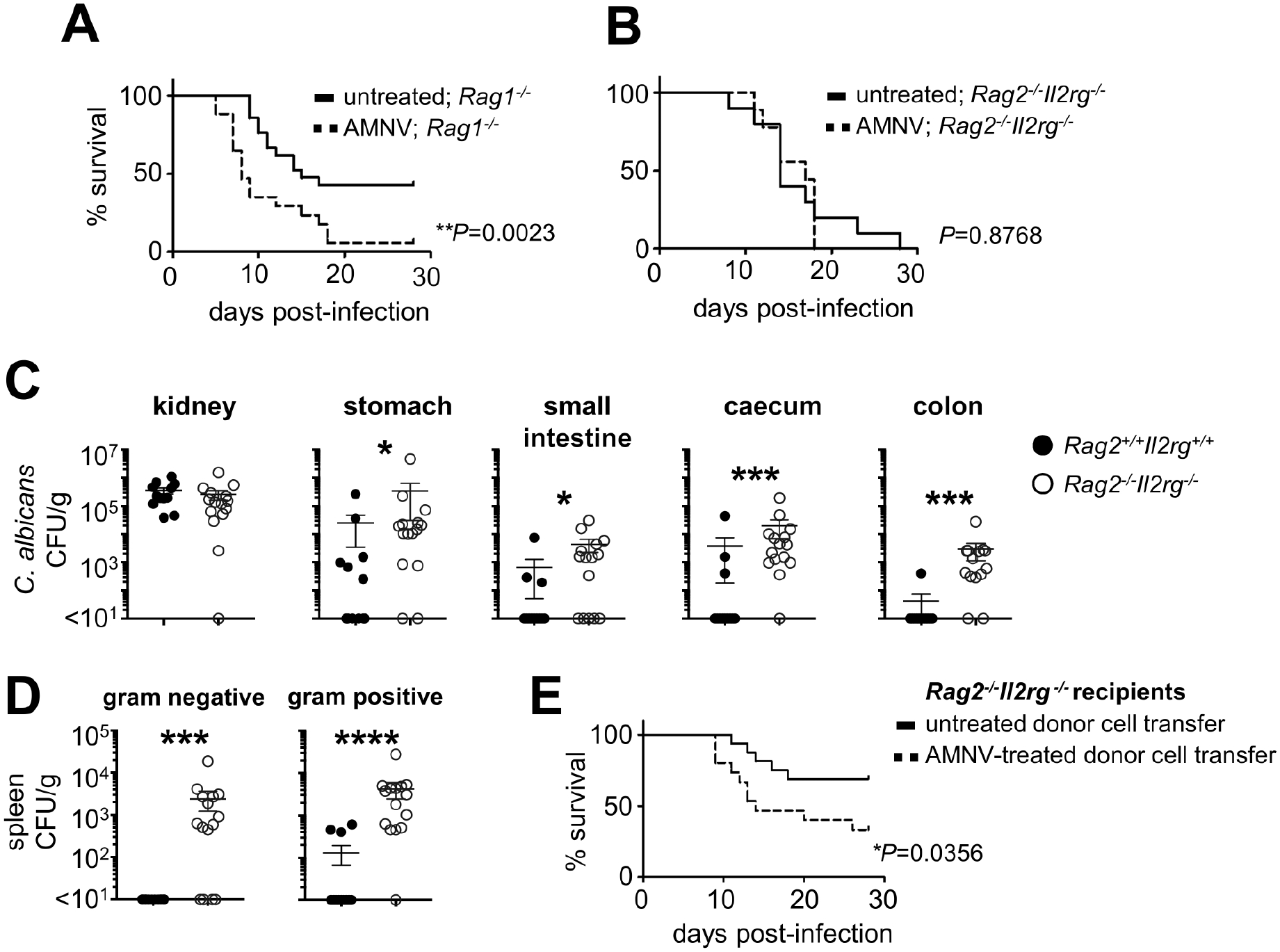
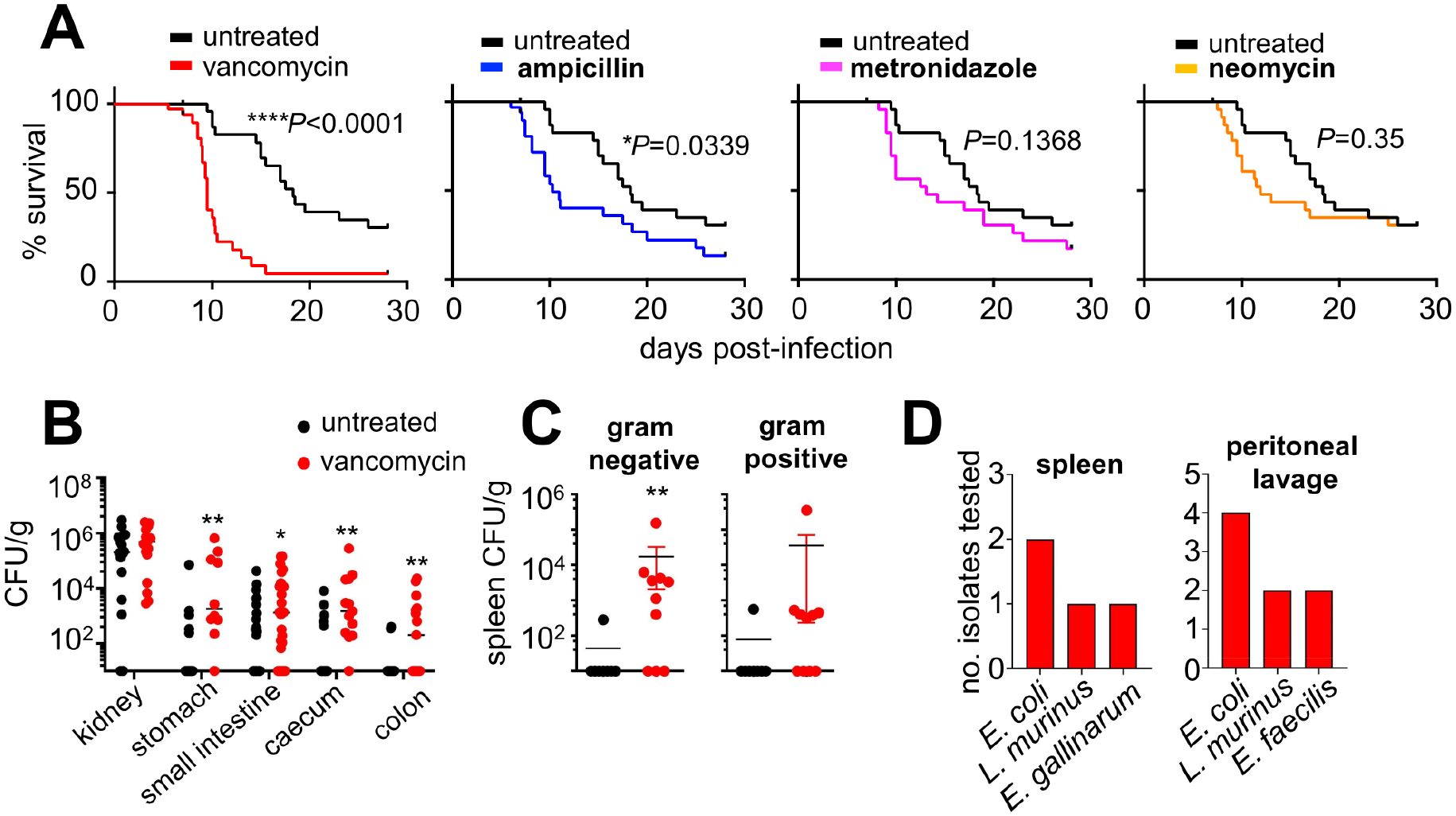
Antibiotics are a modifiable iatrogenic risk factor for the most common human nosocomial fungal infection, invasive candidiasis, yet the underlying mechanisms remain elusive. We found that antibiotics enhanced the susceptibility to murine invasive candidiasis due to impaired lymphocyte-dependent IL-17A- and GM-CSF-mediated antifungal immunity within the gut. This led to non-inflammatory bacterial escape and systemic bacterial co-infection, which could be ameliorated by IL-17A or GM-CSF immunotherapy. Vancomycin alone similarly enhanced the susceptibility to invasive fungal infection and systemic bacterial co-infection. Mechanistically, vancomycin reduced the frequency of gut Th17 cells associated with impaired proliferation and RORγt expression. Vancomycin's effects on Th17 cells were indirect, manifesting only in vivo in the presence of dysbiosis. In humans, antibiotics were associated with an increased risk of invasive candidiasis and death after invasive candidiasis. Our work highlights the importance of antibiotic stewardship in protecting vulnerable patients from life-threatening infections and provides mechanistic insights into a controllable iatrogenic risk factor for invasive candidiasis.
抗生素是导致最常见的医院获得性真菌感染——侵袭性念珠菌病的可改变的医源性风险因素,但潜在机制仍难以捉摸。我们发现,抗生素通过损害肠道中淋巴细胞依赖性 IL-17A 和 GM-CSF 介导的抗真菌免疫,增加了小鼠侵袭性念珠菌病的易感性。这导致非炎症性细菌逃避和全身细菌合并感染,而 IL-17A 或 GM-CSF 免疫疗法可以改善这种情况。单独使用万古霉素也同样增加了侵袭性真菌感染和全身细菌合并感染的易感性。从机制上讲,万古霉素降低了与增殖和 RORγt 表达受损相关的肠道 Th17 细胞的频率。万古霉素对 Th17 细胞的影响是间接的,只有在存在肠道菌群失调的情况下才会在体内表现出来。在人类中,抗生素与侵袭性念珠菌病后侵袭性念珠菌病的发生和死亡风险增加有关。我们的工作强调了抗生素管理在保护易受威胁的患者免受危及生命的感染方面的重要性,并为侵袭性念珠菌病的可控医源性风险因素提供了机制上的见解。