Division of Molecular Oncology, Department of Oncology, St. Jude Children's Research Hospital, Memphis, TN, USA.
Department of Pediatric Oncology, Dana-Farber Cancer Institute, Boston, MA, USA.
Cell Rep Med. 2022 May 17;3(5):100632. doi: 10.1016/j.xcrm.2022.100632.
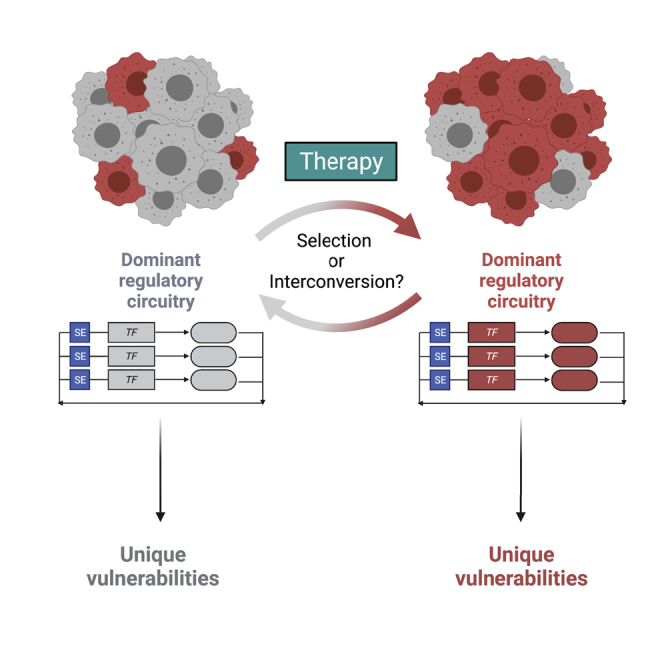
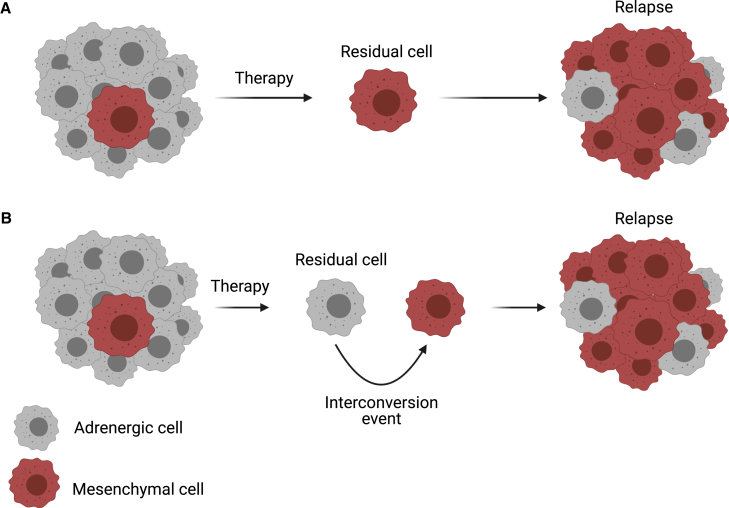
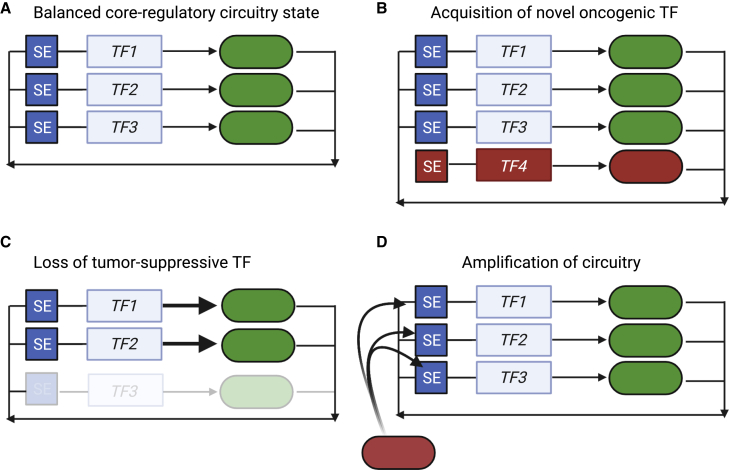
Cell state is controlled by master transcription factors (mTFs) that determine the cellular gene expression program. Cancer cells acquire dysregulated gene expression programs by mutational and non-mutational processes. Intratumoral heterogeneity can result from cells displaying distinct mTF-regulated cell states, which co-exist within the tumor. One archetypal tumor associated with transcriptionally regulated heterogeneity is high-risk neuroblastoma (NB). Patients with NB have poor overall survival despite intensive therapies, and relapsed patients are commonly refractory to treatment. The cellular populations that comprise NB are marked by different cohorts of mTFs and differential sensitivity to conventional therapies. Recent studies have highlighted mechanisms by which NB cells dynamically shift the cell state with treatment, revealing new opportunities to control the cellular response to treatment by manipulating cell-state-defining transcriptional programs. Here, we review recent advances in understanding transcriptionally defined cancer heterogeneity. We offer challenges to the field to encourage translation of basic science into clinical benefit.
细胞状态受主转录因子(mTFs)控制,这些因子决定了细胞的基因表达程序。癌细胞通过突变和非突变过程获得失调的基因表达程序。肿瘤内异质性可能源于表现出不同 mTF 调控的细胞状态的细胞,这些细胞在肿瘤内共存。与转录调控异质性相关的一个典型肿瘤是高危神经母细胞瘤(NB)。尽管接受了强化治疗,NB 患者的总体生存率仍然很差,而复发性患者通常对治疗有抗药性。构成 NB 的细胞群体的特征是不同的 mTF 群体,对常规治疗的敏感性也不同。最近的研究强调了 NB 细胞在治疗过程中动态改变细胞状态的机制,为通过操纵定义细胞状态的转录程序来控制细胞对治疗的反应提供了新的机会。在这里,我们回顾了理解转录定义的癌症异质性的最新进展。我们向该领域提出了挑战,以鼓励将基础科学转化为临床效益。