Huang Jiashuai, Zhao Linjing, Sun Jijia, Wang Lixin, Gu Jianrong, Liu Xijian, Yang Mengwen, Wang Yuting, Zhang Ning, Zhu Jiamin, Xu Shanshan, Ren Xinfeng, Su Ying
College of Chemistry and Chemical Engineering, Shanghai University of Engineering Science, Shanghai 201620, China.
Department of Mathematics and Physics, Pharmacy School, Shanghai University of Traditional Chinese Medicine, Shanghai 201203, China.
Evid Based Complement Alternat Med. 2022 May 9;2022:7714034. doi: 10.1155/2022/7714034. eCollection 2022.
This study aims to evaluate the clinical effects of formula (LGZG), a famous TCM formula, for the management of serum lipids and obesity and preliminarily elucidates the bioactive components and the potential mechanism.
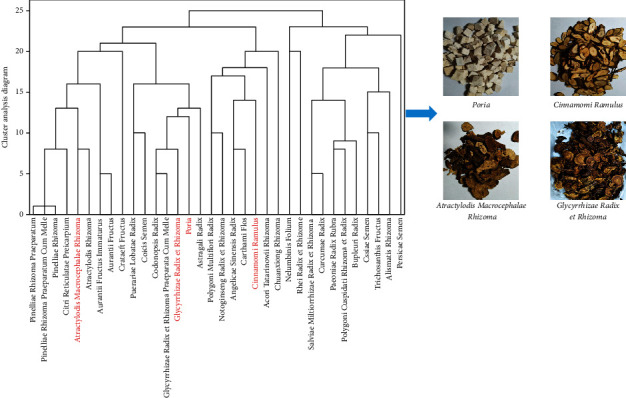
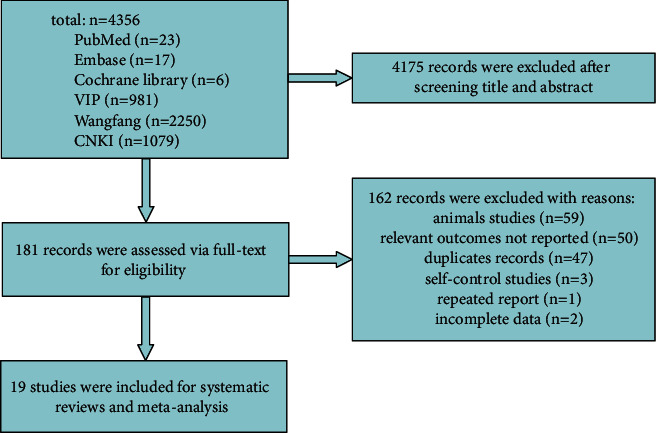
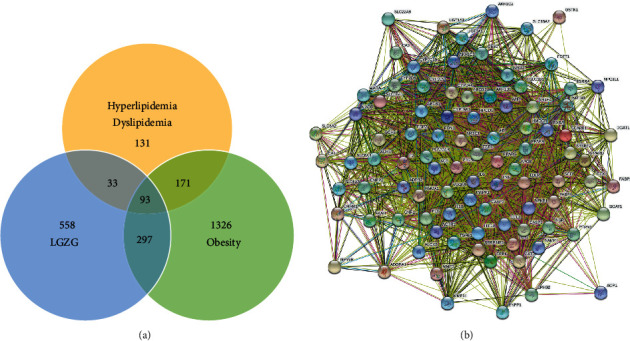
Cluster analysis was adopted to investigate the TCM herbs and their frequency of occurrence for treating hyperlipidemia and obesity in an academic experience database of Chinese famous TCM doctors (http://www.gjmlzy.com:83). Then, relevant randomized controlled trials (RCTs) about LGZG supplementation in improving lipid levels and obesity were retrieved and analyzed. Lastly, the integration of network pharmacology, as well as greedy algorithms, which are theoretically well founded for the set cover in computer science, was exploited to identify the bioactive components of LGZG and to reveal potential mechanisms for attenuation or reversal of hyperlipidemia and obesity.
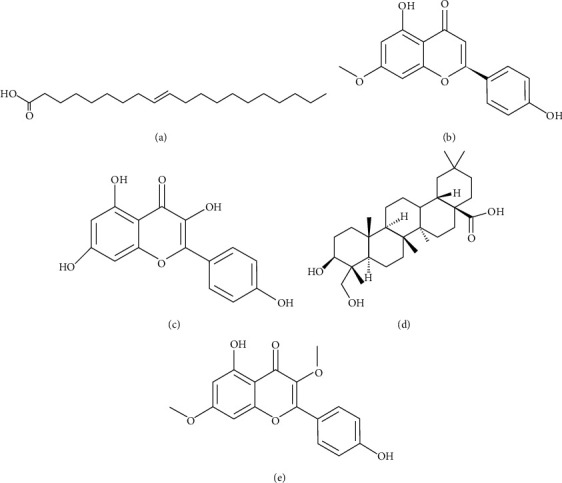
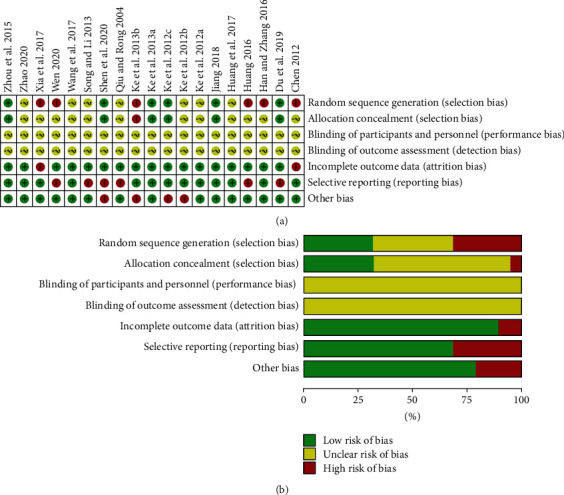
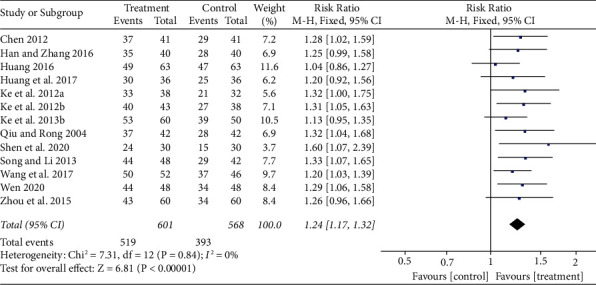
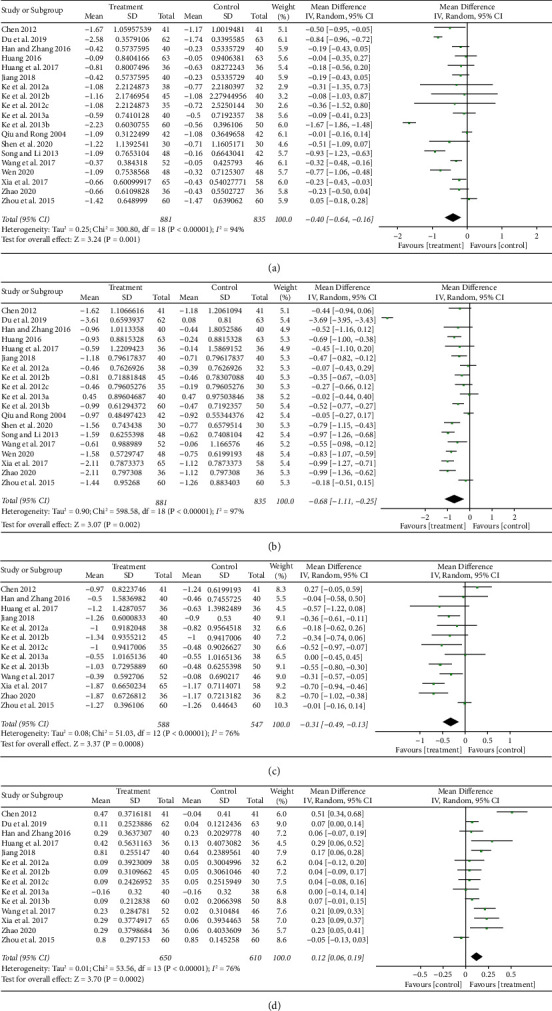
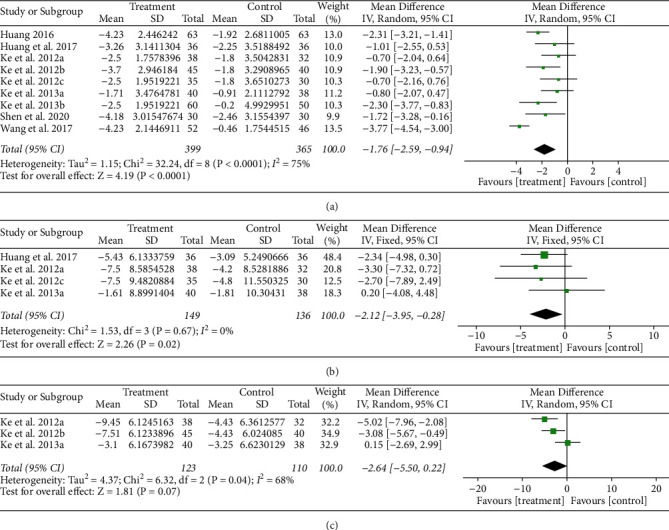
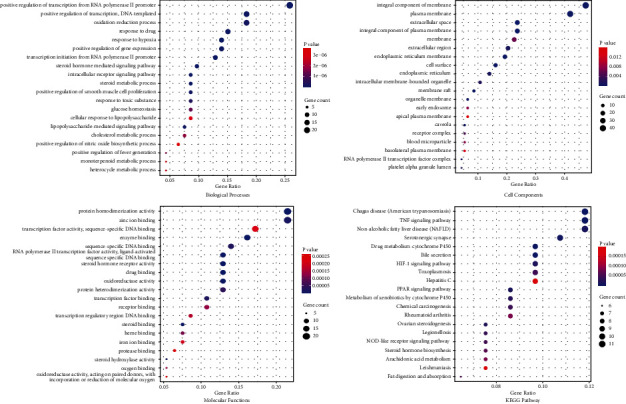
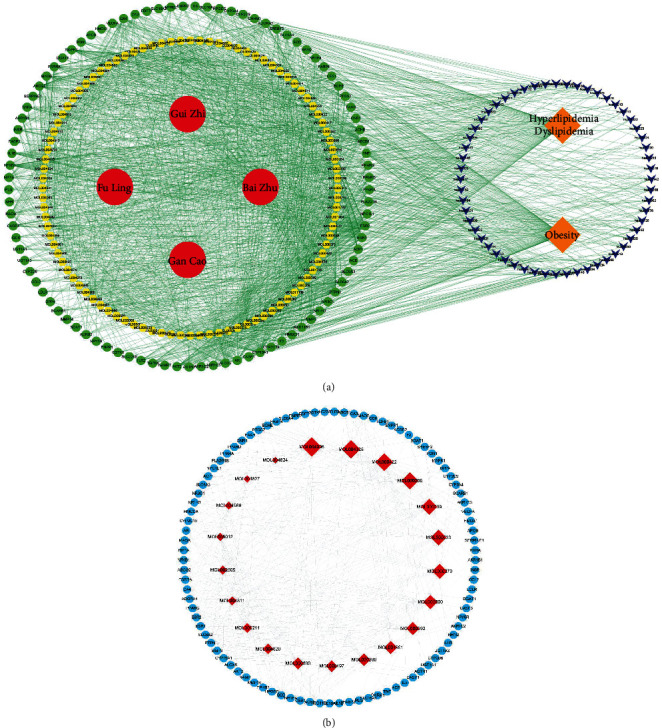
Based on the cluster analysis of 104 cases in TCM academic experience database, four TCM herbs in LGZG showed high-use frequency for treating hyperlipidemia and obesity. Meta-analysis on 19 randomized controlled trials (RCTs) with 1716 participants indicated that LGZG supplementation significantly decreased the serum levels of total triglycerides, total cholesterol, low-density lipoprotein cholesterol, BMI, and body weight and increased high-density lipoprotein cholesterol, compared with clinical control groups. No serious adverse effect was detected in all studies. Twenty-one bioactive components of LGZG, mainly flavonoids (i.e., naringenin, kaempferol, and kumatakenin), saponins (i.e., hederagenin), and fatty acids (i.e., eicosenoic acid), had the potential benefits possibly by regulating multiple targets such as PTPN1, CYP19A1, and ESR2, as well as a few complex pathways including the TNF signaling pathway, PPAR signaling pathway, arachidonic acid metabolism, fat digestion, and absorption.
The present study has proved the clinical value of LGZG as a complementary treatment for attenuation or reversal of hyperlipidemia and obesity. More high-quality clinical and experimental studies in the future are demanded to verify its effects and the precise mechanism of action.
本研究旨在评估著名中药方剂(LGZG)对血脂和肥胖的临床疗效,并初步阐明其生物活性成分及潜在机制。
采用聚类分析方法,在中国著名中医医生学术经验数据库(http://www.gjmlzy.com:83)中研究治疗高脂血症和肥胖的中药及其出现频率。然后,检索并分析有关补充LGZG改善血脂水平和肥胖的相关随机对照试验(RCT)。最后,利用网络药理学与贪心算法相结合的方法,该算法在计算机科学中对于集合覆盖问题理论基础扎实,以确定LGZG的生物活性成分,并揭示高脂血症和肥胖症减轻或逆转的潜在机制。
基于中医学术经验数据库中104例病例的聚类分析,LGZG中的四味中药在治疗高脂血症和肥胖方面显示出高使用频率。对19项随机对照试验(RCT)的1716名参与者进行的荟萃分析表明,与临床对照组相比,补充LGZG可显著降低血清总甘油三酯、总胆固醇、低密度脂蛋白胆固醇、BMI和体重水平,并提高高密度脂蛋白胆固醇水平。所有研究均未检测到严重不良反应。LGZG的21种生物活性成分,主要为黄酮类(即柚皮素、山奈酚和库马甜素)、皂苷类(即常春藤皂苷元)和脂肪酸类(即二十碳烯酸),可能通过调节多个靶点如蛋白酪氨酸磷酸酶1(PTPN1)、细胞色素P450 19A1(CYP19A1)和雌激素受体2(ESR2)以及一些复杂途径,包括肿瘤坏死因子信号通路(TNF信号通路)、过氧化物酶体增殖物激活受体信号通路(PPAR信号通路)、花生四烯酸代谢、脂肪消化和吸收,而具有潜在益处。
本研究证明了LGZG作为辅助治疗减轻或逆转高脂血症和肥胖的临床价值。未来需要更多高质量的临床和实验研究来验证其疗效及确切作用机制。