Molecular Genetics and Cell Biology, The University of Chicago, Chicago, Illinois, United State of America.
Bio3/Bioinformatics and Molecular Genetics, Faculty of Biology and ZBMZ, Faculty of Medicine, Albert-Ludwigs-University of Freiburg, Freiburg, Germany.
PLoS Genet. 2022 May 19;18(5):e1010194. doi: 10.1371/journal.pgen.1010194. eCollection 2022 May.
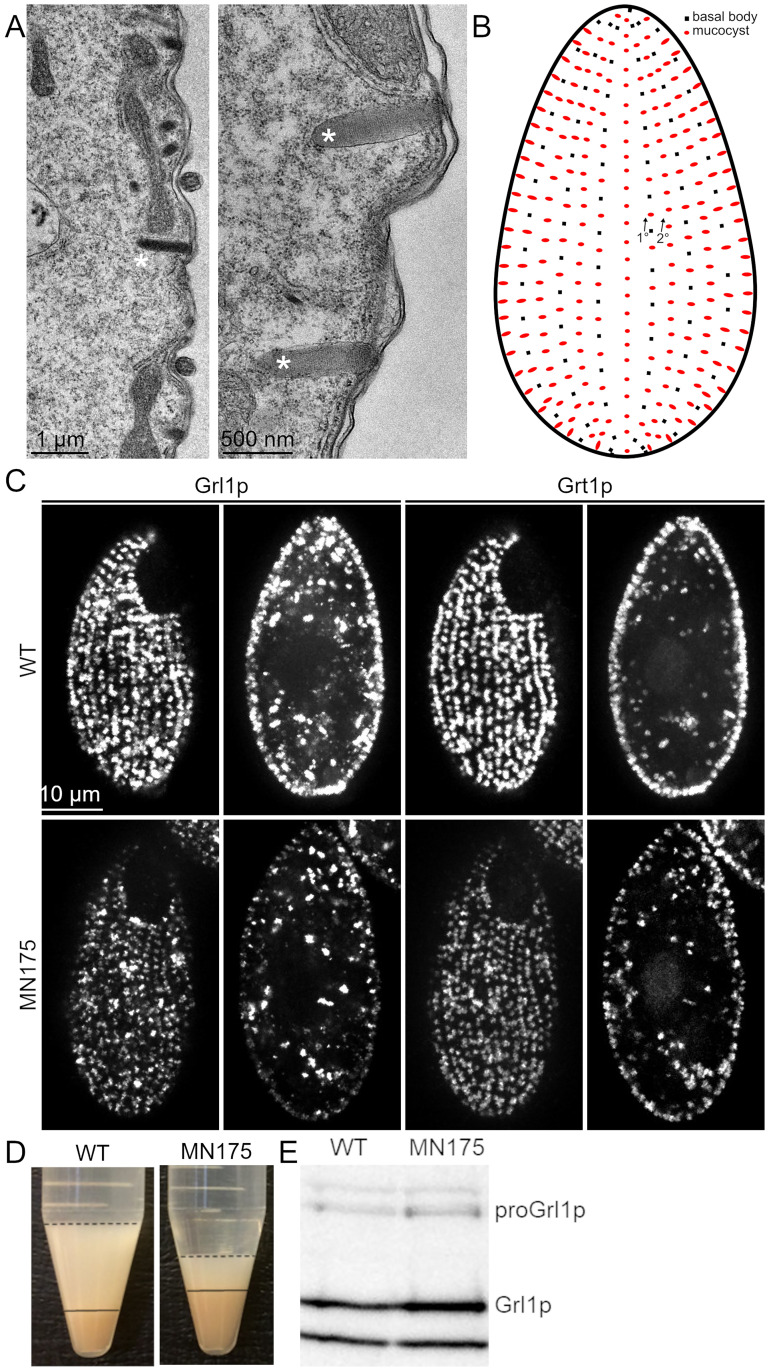
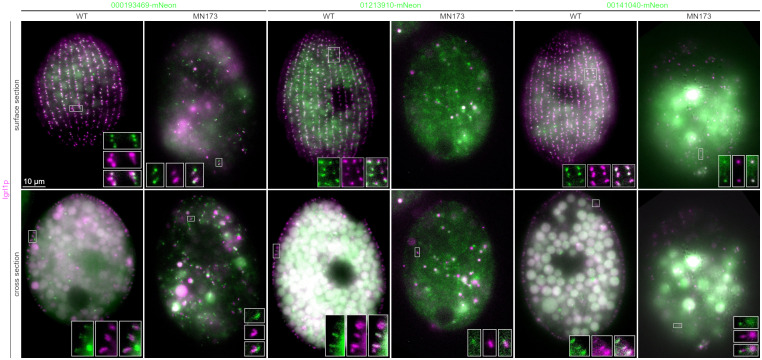
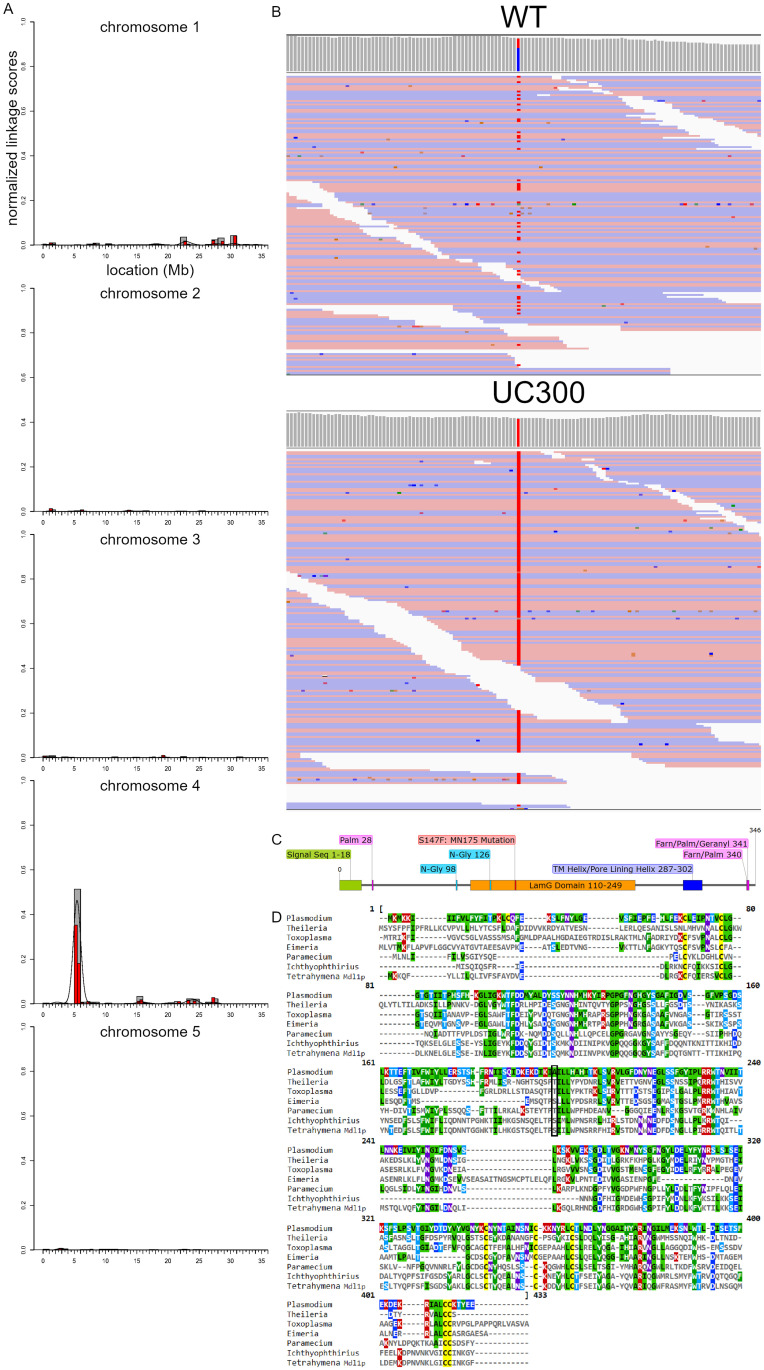
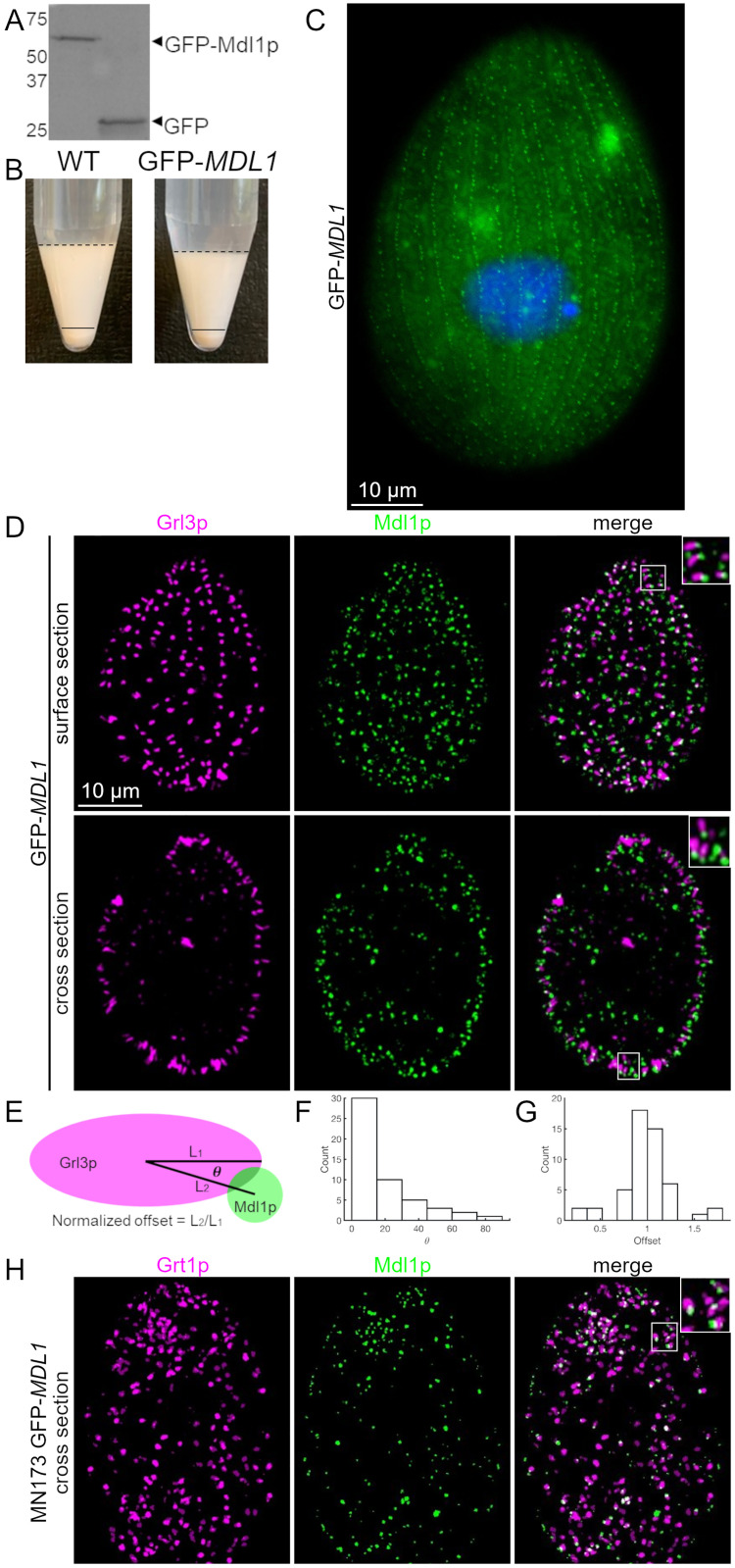
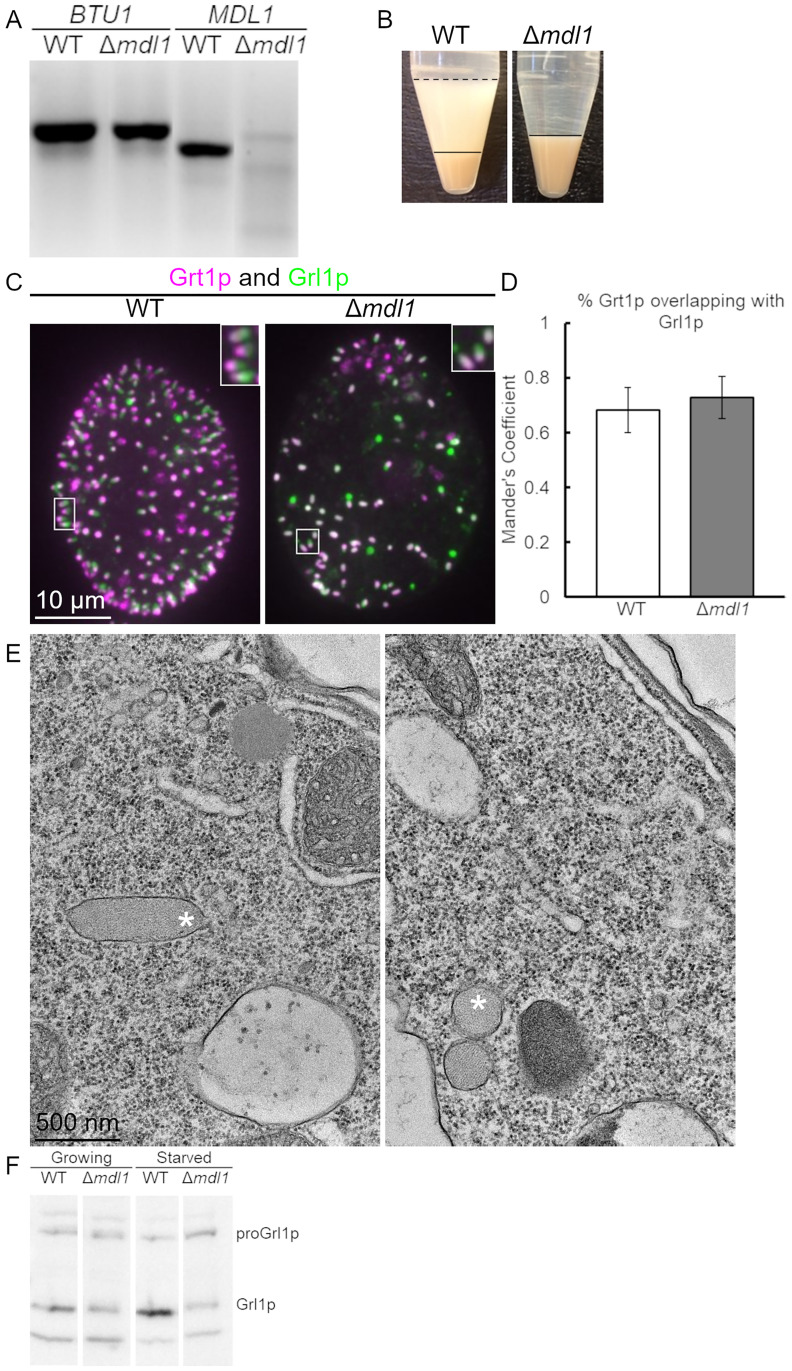
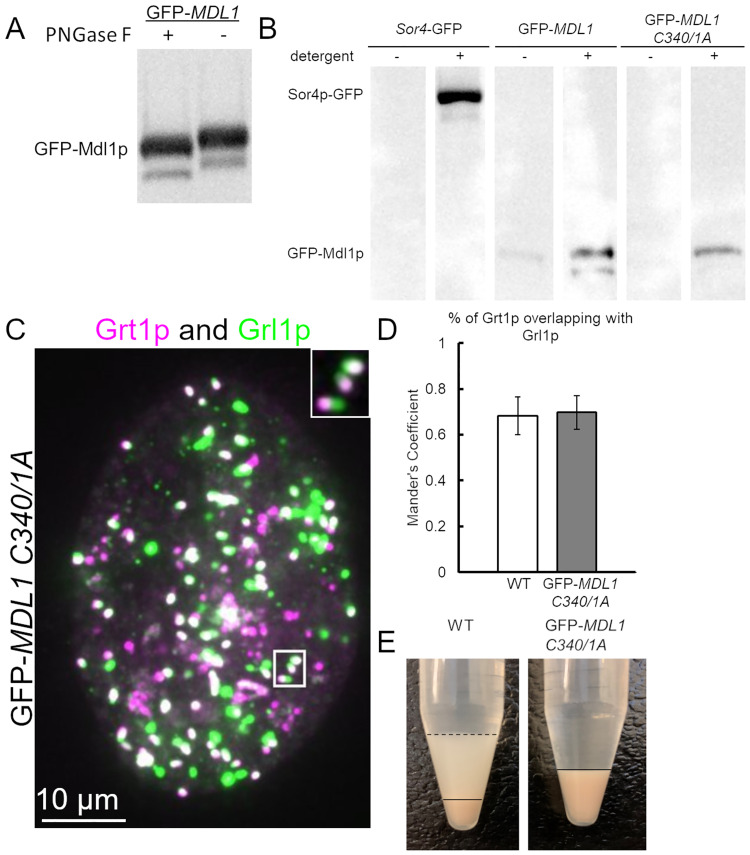
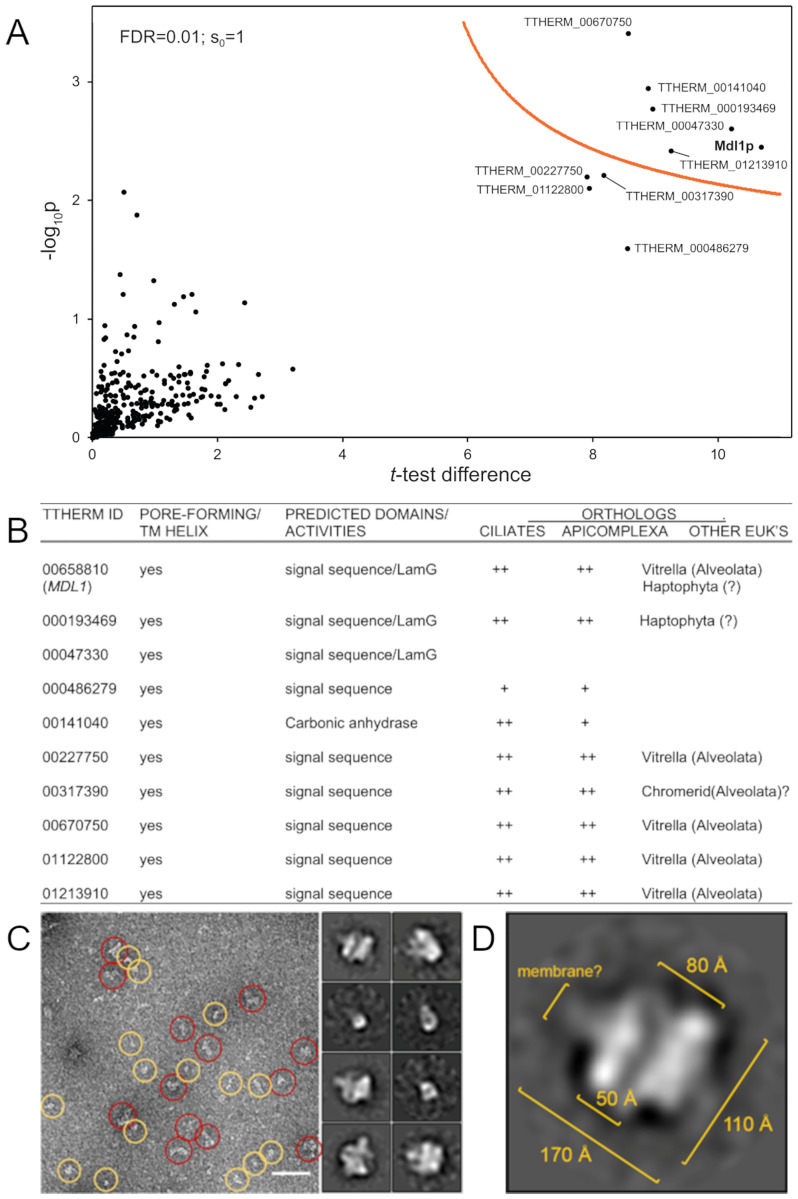
In the ciliate Tetrahymena thermophila, lysosome-related organelles called mucocysts accumulate at the cell periphery where they secrete their contents in response to extracellular events, a phenomenon called regulated exocytosis. The molecular bases underlying regulated exocytosis have been extensively described in animals but it is not clear whether similar mechanisms exist in ciliates or their sister lineage, the Apicomplexan parasites, which together belong to the ecologically and medically important superphylum Alveolata. Beginning with a T. thermophila mutant in mucocyst exocytosis, we used a forward genetic approach to uncover MDL1 (Mucocyst Discharge with a LamG domain), a novel gene that is essential for regulated exocytosis of mucocysts. Mdl1p is a 40 kDa membrane glycoprotein that localizes to mucocysts, and specifically to a tip domain that contacts the plasma membrane when the mucocyst is docked. This sub-localization of Mdl1p, which occurs prior to docking, underscores a functional asymmetry in mucocysts that is strikingly similar to that of highly polarized secretory organelles in other Alveolates. A mis-sense mutation in the LamG domain results in mucocysts that dock but only undergo inefficient exocytosis. In contrast, complete knockout of MDL1 largely prevents mucocyst docking itself. Mdl1p is physically associated with 9 other proteins, all of them novel and largely restricted to Alveolates, and sedimentation analysis supports the idea that they form a large complex. Analysis of three other members of this putative complex, called MDD (for Mucocyst Docking and Discharge), shows that they also localize to mucocysts. Negative staining of purified MDD complexes revealed distinct particles with a central channel. Our results uncover a novel macromolecular complex whose subunits are conserved within alveolates but not in other lineages, that is essential for regulated exocytosis in T. thermophila.
在纤毛虫四膜虫中,称为粘液囊的溶酶体相关细胞器在细胞边缘积累,在那里它们响应细胞外事件分泌其内容物,这一现象称为调节胞吐作用。在动物中,调节胞吐作用的分子基础已经被广泛描述,但尚不清楚类似的机制是否存在于纤毛虫或它们的姐妹谱系——顶复门寄生虫中,它们共同属于生态和医学上重要的有孔虫超门。我们从粘液囊胞吐作用的四膜虫突变体开始,使用正向遗传学方法发现了 MDL1(具有 LamG 结构域的粘液囊释放),这是一个对于调节粘液囊的胞吐作用是必需的新基因。Mdl1p 是一种 40kDa 的膜糖蛋白,定位于粘液囊,并且在粘液囊对接时特异性地定位于与质膜接触的尖端结构域。Mdl1p 的这种亚定位发生在对接之前,强调了粘液囊的功能不对称性,这与其他有孔虫中高度极化的分泌细胞器非常相似。LamG 结构域中的错义突变导致粘液囊对接但仅经历低效的胞吐作用。相比之下,MDL1 的完全敲除基本上阻止了粘液囊的对接本身。Mdl1p 与其他 9 种蛋白质物理相关,它们都是新的,主要局限于有孔虫,沉淀分析支持它们形成一个大复合物的想法。对这个假定复合物的另外三个成员,称为 MDD(用于粘液囊对接和释放)的分析表明,它们也定位于粘液囊。纯化的 MDD 复合物的负染色显示出具有中央通道的独特颗粒。我们的结果揭示了一个新的大分子复合物,其亚基在有孔虫中保守,但不在其他谱系中保守,对于四膜虫的调节胞吐作用是必需的。