Department of Electrical and Electronics Engineering Technology, Doornfontein Campus, University of Johannesburg, Johannesburg 2028, South Africa.
Institute for Intelligent Systems, Auckland Park Campus, University of Johannesburg, Johannesburg 2006, South Africa.
Sensors (Basel). 2022 Apr 23;22(9):3246. doi: 10.3390/s22093246.
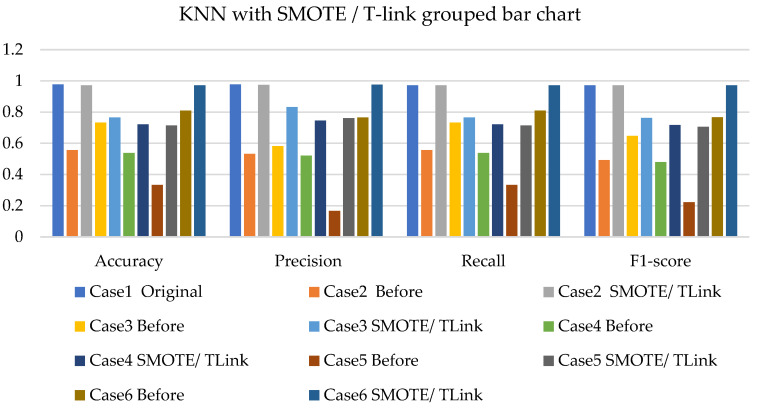
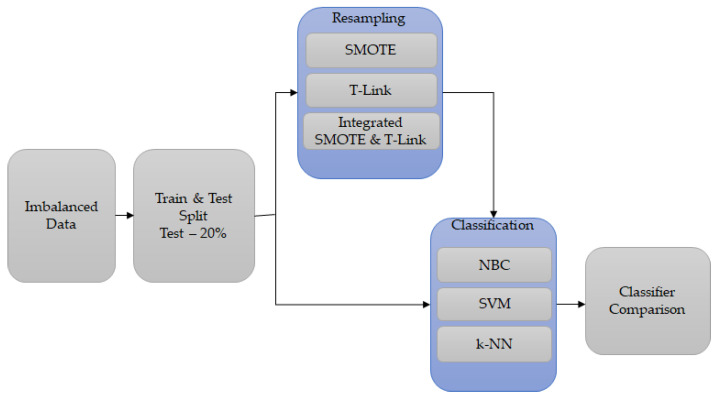
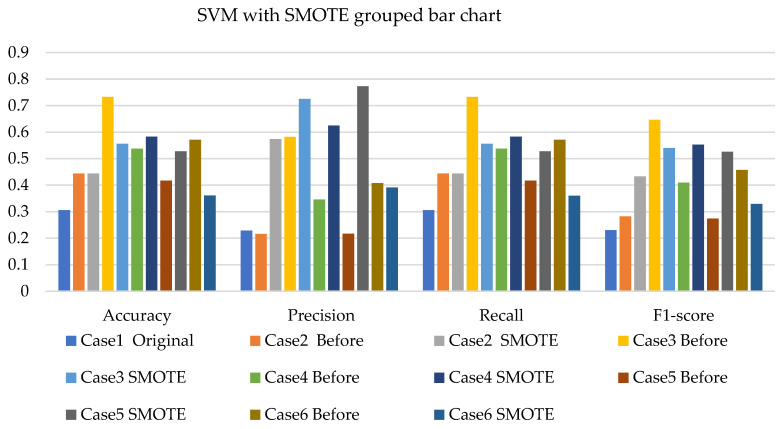
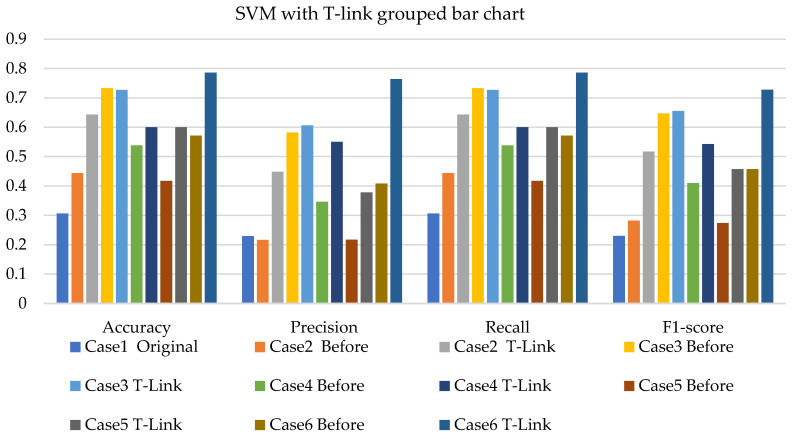
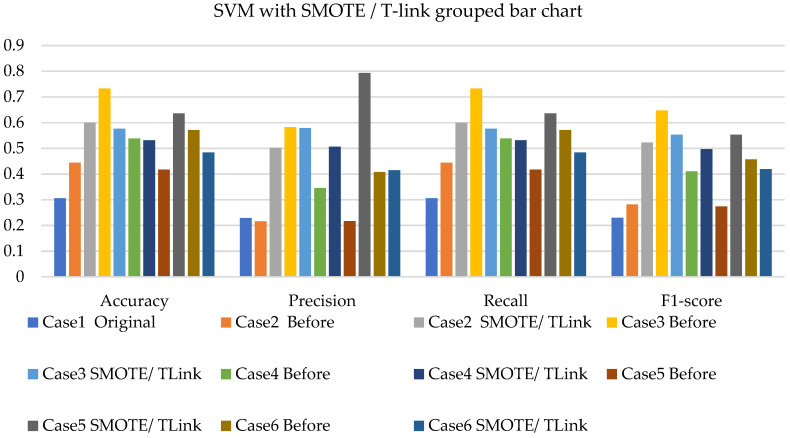
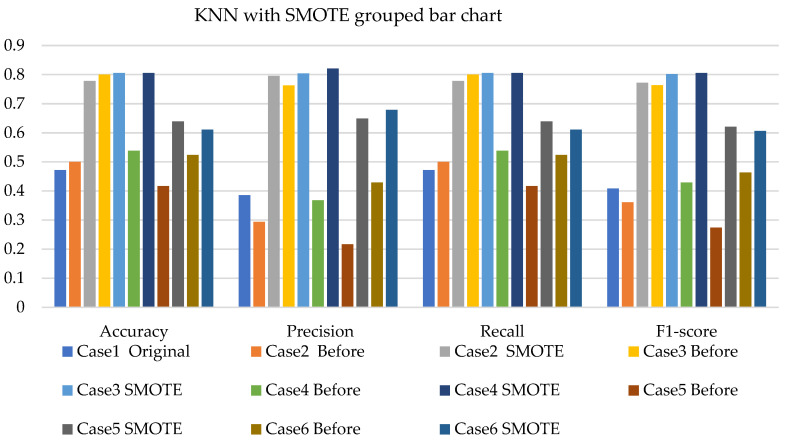
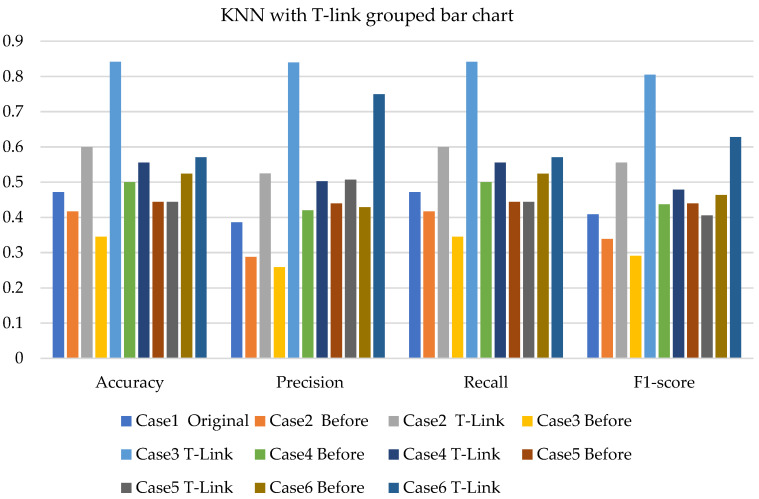
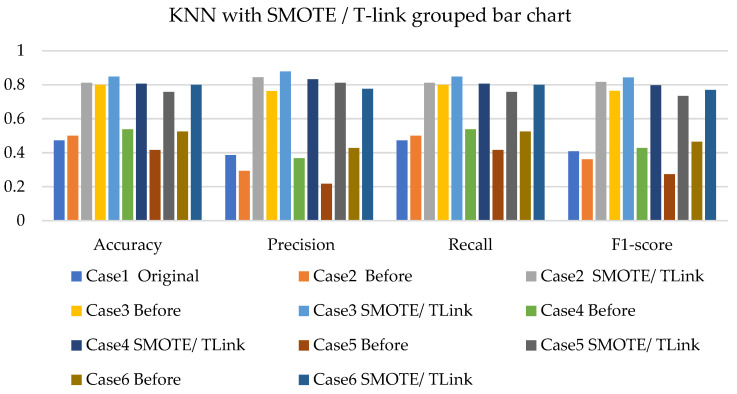
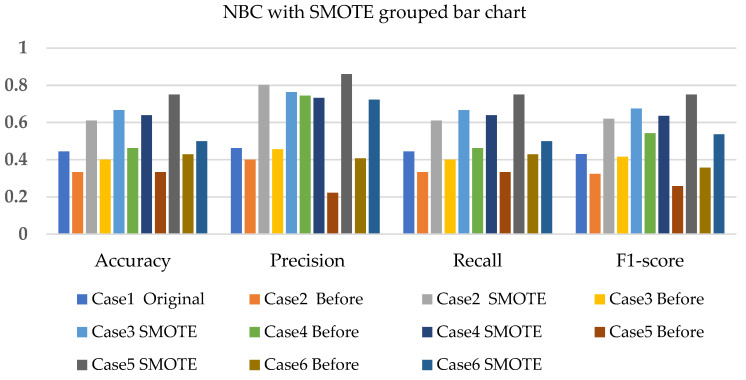
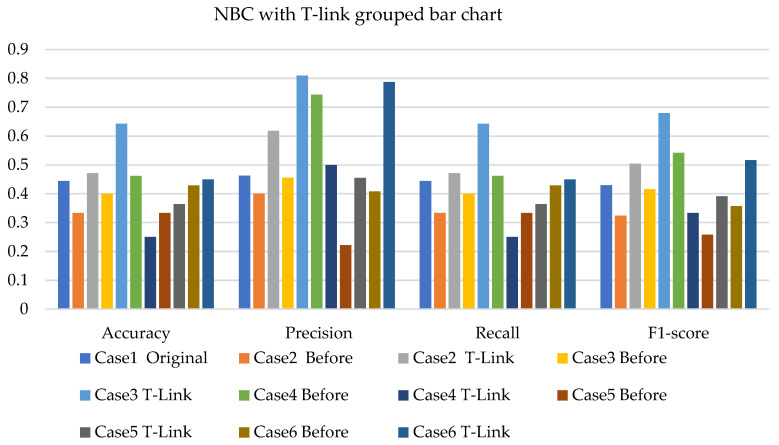
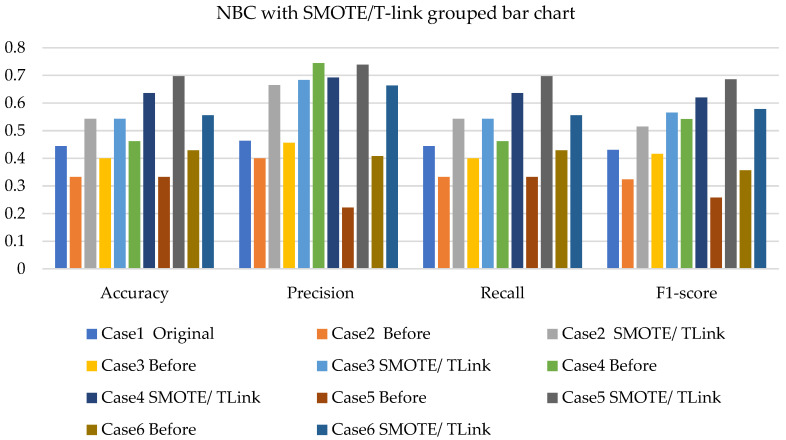
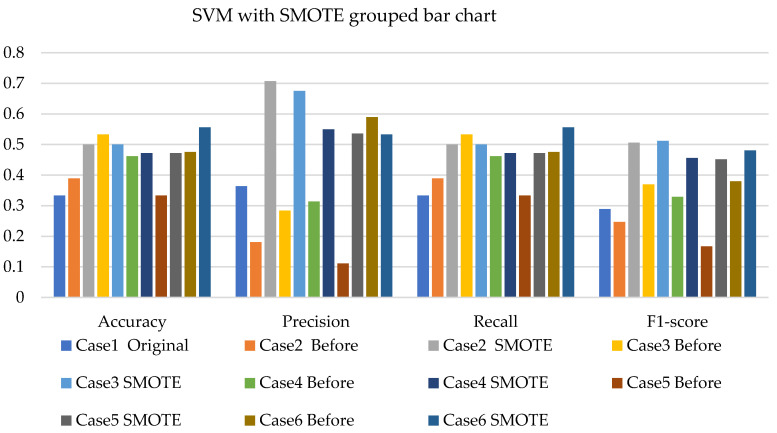
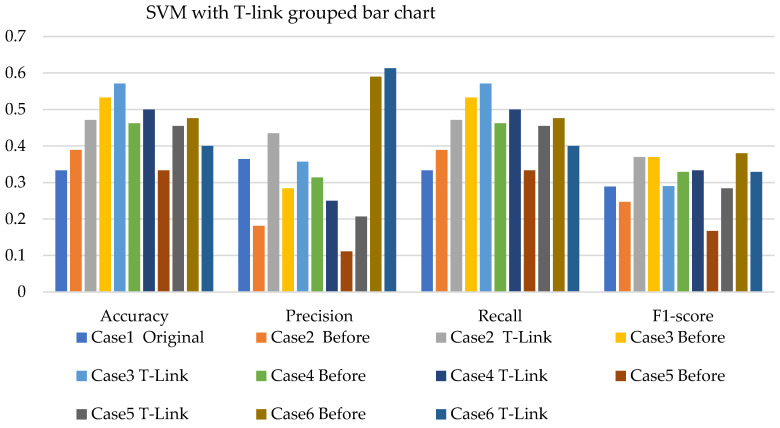
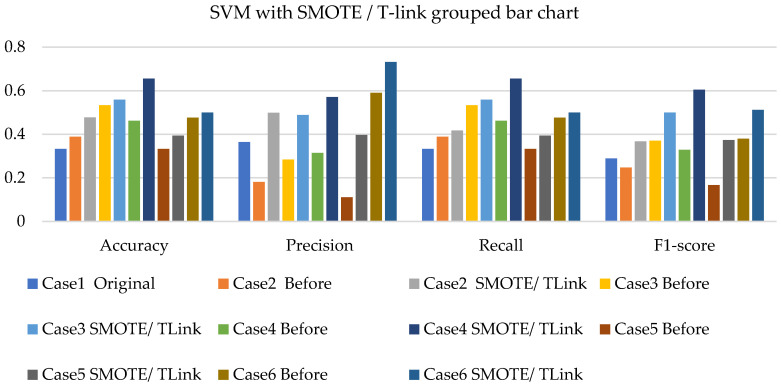
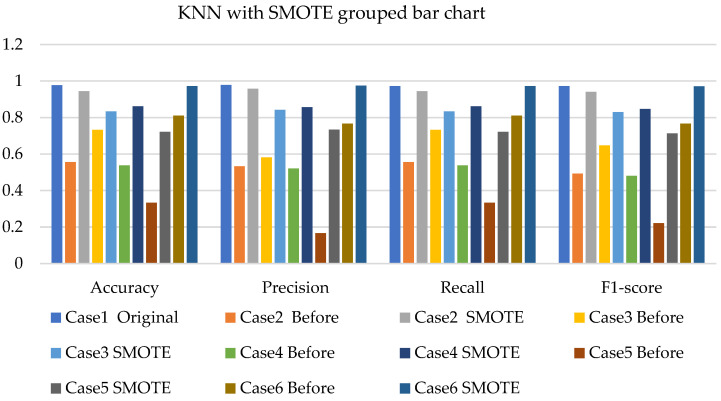
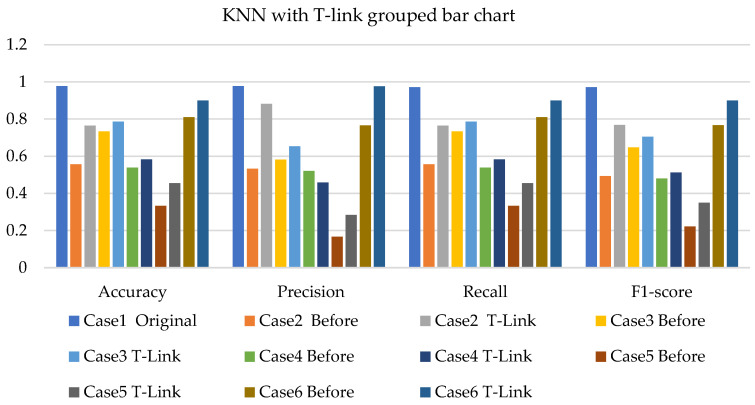
Data-driven methods have prominently featured in the progressive research and development of modern condition monitoring systems for electrical machines. These methods have the advantage of simplicity when it comes to the implementation of effective fault detection and diagnostic systems. Despite their many advantages, the practical implementation of data-driven approaches still faces challenges such as data imbalance. The lack of sufficient and reliable labeled fault data from machines in the field often poses a challenge in developing accurate supervised learning-based condition monitoring systems. This research investigates the use of a Naïve Bayes classifier, support vector machine, and k-nearest neighbors together with synthetic minority oversampling technique, Tomek link, and the combination of these two resampling techniques for fault classification with simulation and experimental imbalanced data. A comparative analysis of these techniques is conducted for different imbalanced data cases to determine the suitability thereof for condition monitoring on a wound-rotor induction generator. The precision, recall, and f1-score matrices are applied for performance evaluation. The results indicate that the technique combining the synthetic minority oversampling technique with the Tomek link provides the best performance across all tested classifiers. The k-nearest neighbors, together with this combination resampling technique yielded the most accurate classification results. This research is of interest to researchers and practitioners working in the area of condition monitoring in electrical machines, and the findings and presented approach of the comparative analysis will assist with the selection of the most suitable technique for handling imbalanced fault data. This is especially important in the practice of condition monitoring on electrical rotating machines, where fault data are very limited.
数据驱动方法在电机现代状态监测系统的不断研究和发展中占据重要地位。这些方法在实施有效的故障检测和诊断系统方面具有简单的优势。尽管具有许多优势,但数据驱动方法的实际实施仍然面临挑战,例如数据不平衡。现场机器缺乏足够和可靠的标记故障数据,这在开发基于监督学习的准确状态监测系统方面带来了挑战。本研究调查了朴素贝叶斯分类器、支持向量机和 k-最近邻与合成少数过采样技术、Tomek 链接以及这两种重采样技术的组合在模拟和实验不平衡数据中的故障分类中的应用。对不同不平衡数据情况的这些技术进行了比较分析,以确定它们在绕线转子感应发电机状态监测中的适用性。使用精度、召回率和 f1 分数矩阵进行性能评估。结果表明,在所有测试的分类器中,结合了合成少数过采样技术和 Tomek 链接的技术提供了最佳的性能。k-最近邻与这种组合重采样技术相结合,产生了最准确的分类结果。本研究对从事电机状态监测的研究人员和从业者具有重要意义,研究结果和提出的比较分析方法将有助于选择最适合处理不平衡故障数据的技术。这在电气旋转机器的状态监测实践中尤为重要,因为故障数据非常有限。