Artemisinin Research Center, and Institute of Chinese Materia Medica, Chinese Academy of Chinese Medical Sciences, Beijing, 100700, China.
Guangdong Provincial Key Laboratory of New Drug Screening, School of Pharmaceutical Sciences, Southern Medical University, Guangzhou, 510515, China.
Mil Med Res. 2022 May 20;9(1):22. doi: 10.1186/s40779-022-00381-4.
Sepsis involves life-threatening organ dysfunction and is caused by a dysregulated host response to infection. No specific therapies against sepsis have been reported. Celastrol (Cel) is a natural anti-inflammatory compound that shows potential against systemic inflammatory diseases. This study aimed to investigate the pharmacological activity and molecular mechanism of Cel in models of endotoxemia and sepsis.
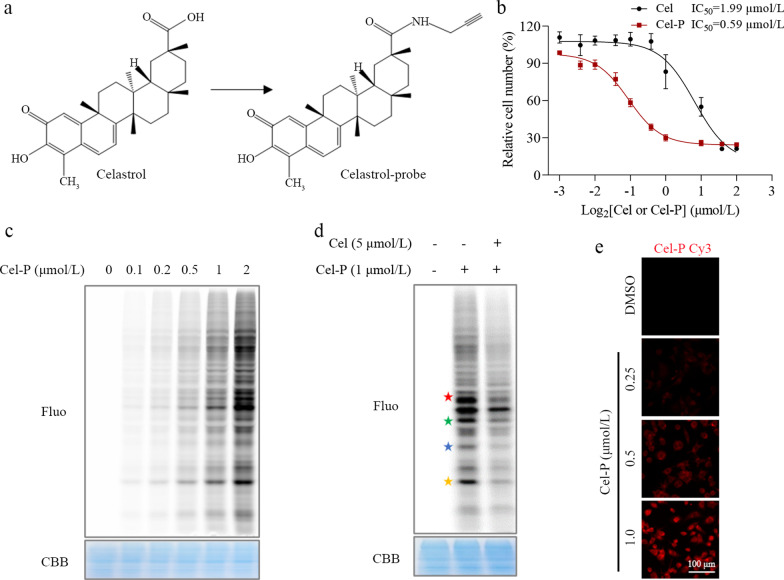
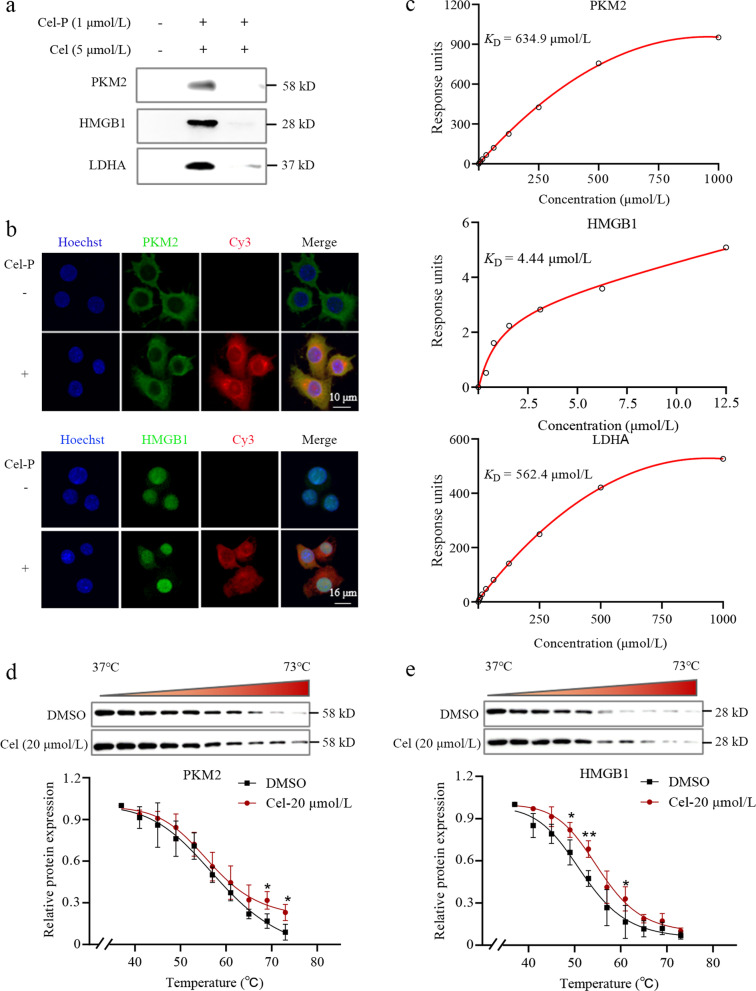
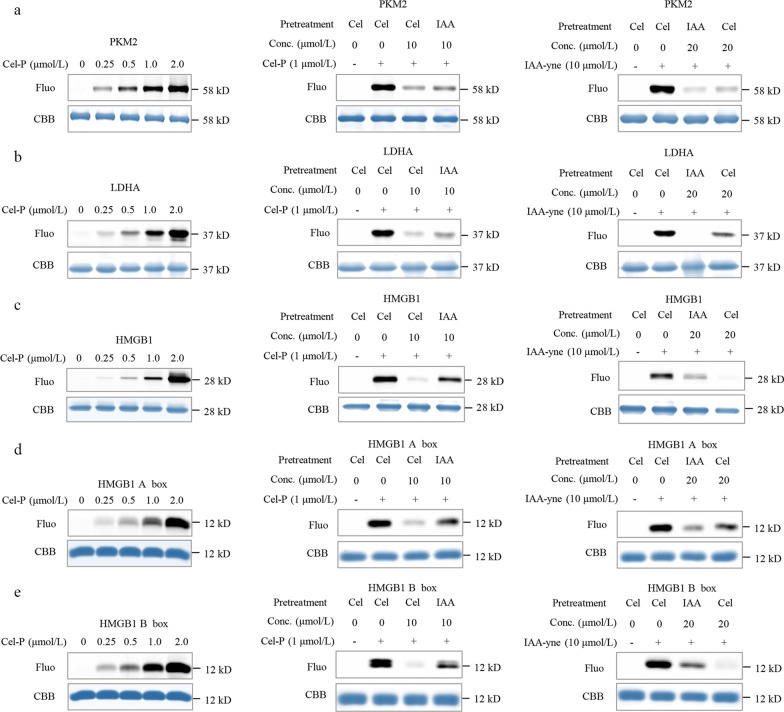
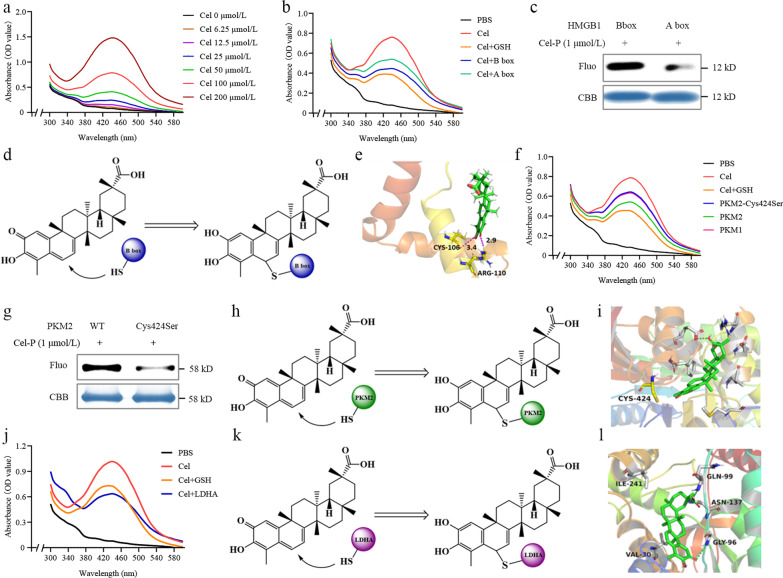
We evaluated the anti-inflammatory efficacy of Cel against endotoxemia and sepsis in mice and macrophage cultures treated with lipopolysaccharide (LPS). We screened for potential protein targets of Cel using activity-based protein profiling (ABPP). Potential targets were validated using biophysical methods such as cellular thermal shift assays (CETSA) and surface plasmon resonance (SPR). Residues involved in Cel binding to target proteins were identified through point mutagenesis, and the functional effects of such binding were explored through gene knockdown.
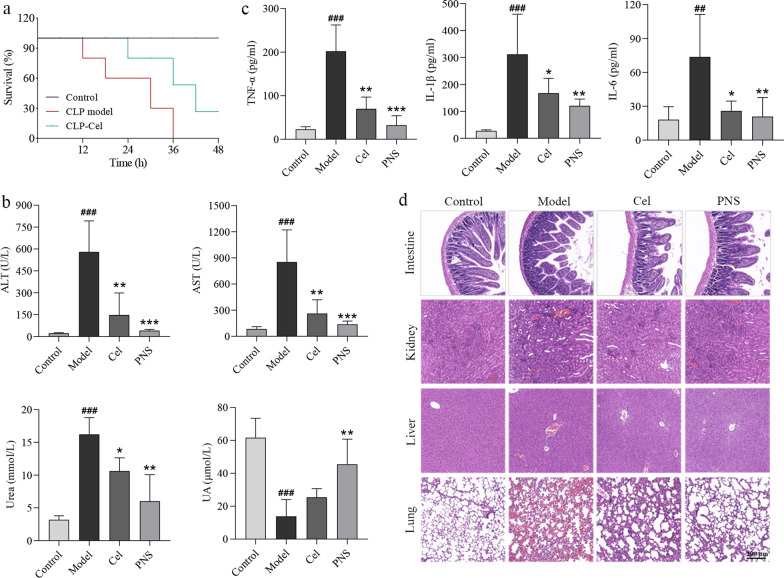
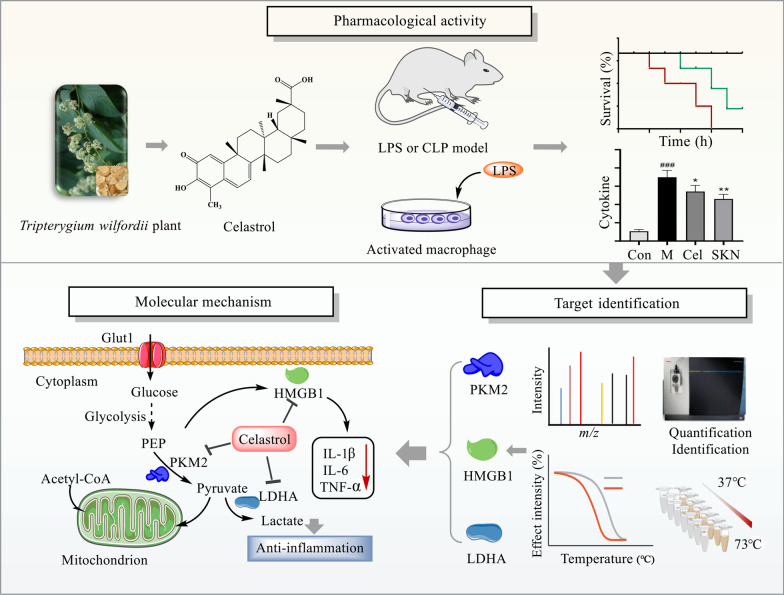
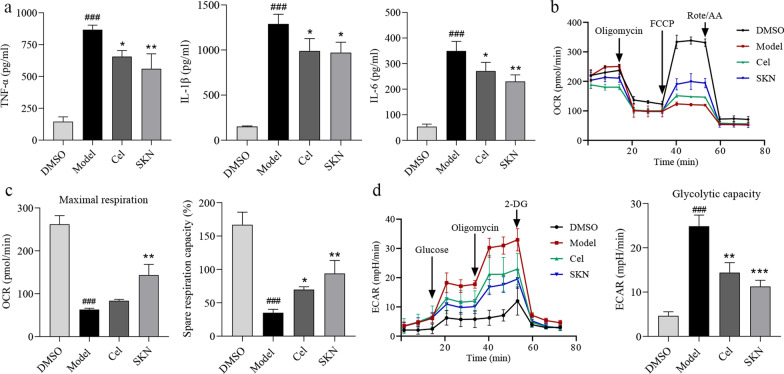
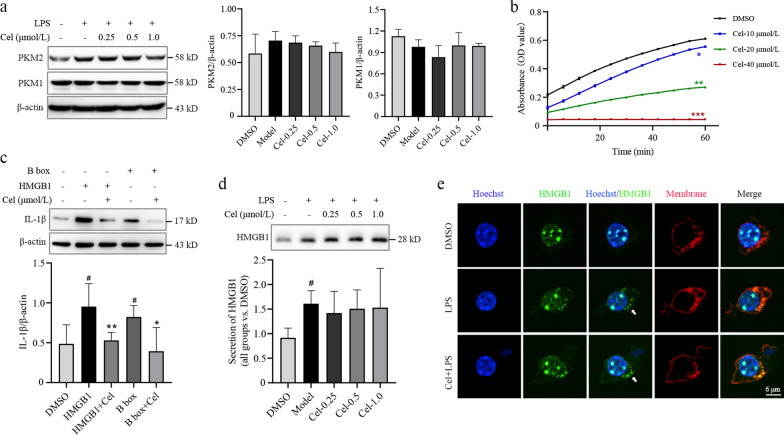
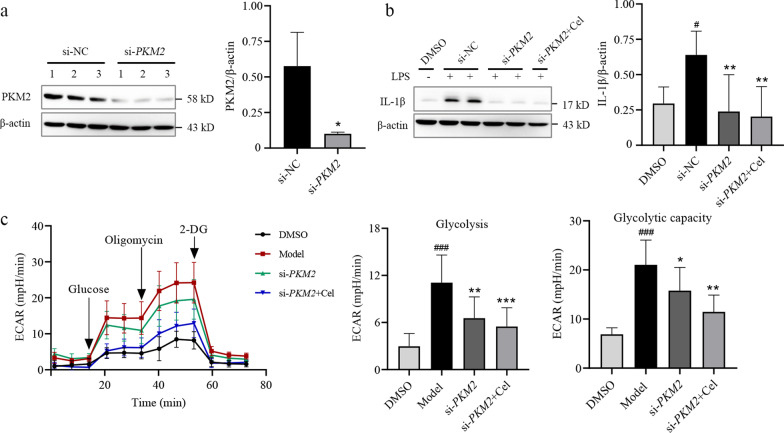
Cel protected mice from lethal endotoxemia and improved their survival with sepsis, and it significantly decreased the levels of pro-inflammatory cytokines in mice and macrophages treated with LPS (P < 0.05). Cel bound to Cys424 of pyruvate kinase M2 (PKM2), inhibiting the enzyme and thereby suppressing aerobic glycolysis (Warburg effect). Cel also bound to Cys106 in high mobility group box 1 (HMGB1) protein, reducing the secretion of inflammatory cytokine interleukin (IL)-1β. Cel bound to the Cys residues in lactate dehydrogenase A (LDHA).
Cel inhibits inflammation and the Warburg effect in sepsis via targeting PKM2 and HMGB1 protein.
败血症涉及危及生命的器官功能障碍,是由宿主对感染的失调反应引起的。目前尚未报道针对败血症的特效疗法。雷公藤红素(Cel)是一种天然抗炎化合物,对系统性炎症性疾病具有潜在疗效。本研究旨在探讨 Cel 在内毒素血症和败血症模型中的药理活性和分子机制。
我们评估了 Cel 对内毒素血症和脂多糖(LPS)处理的巨噬细胞培养物中败血症的抗炎疗效。我们使用基于活性的蛋白质谱(ABPP)筛选 Cel 的潜在蛋白靶标。使用细胞热转移分析(CETSA)和表面等离子体共振(SPR)等生物物理方法验证潜在靶标。通过点突变鉴定 Cel 与靶蛋白结合的相关残基,并通过基因敲低探索这种结合的功能效应。
Cel 可保护小鼠免受致命性内毒素血症的影响,并提高败血症小鼠的存活率,且能显著降低 LPS 处理的小鼠和巨噬细胞中促炎细胞因子的水平(P<0.05)。Cel 与丙酮酸激酶 M2(PKM2)的 Cys424 结合,抑制该酶从而抑制有氧糖酵解(Warburg 效应)。Cel 还与高迁移率族蛋白 1(HMGB1)蛋白的 Cys106 结合,减少炎症细胞因子白细胞介素(IL)-1β的分泌。Cel 与乳酸脱氢酶 A(LDHA)的 Cys 残基结合。
Cel 通过靶向 PKM2 和 HMGB1 蛋白抑制败血症中的炎症和 Warburg 效应。