Molecular and Cellular Epigenetics, Interdisciplinary Cluster for Applied Genoproteomics (GIGA), Sart-Tilman, Liège, Belgium; Molecular Biology, Teaching and Research Centre (TERRA), Gembloux, Belgium.
Department of Pathological Anatomy, National Veterinary Research Institute, Puławy, Poland.
PLoS Pathog. 2024 Nov 7;20(11):e1012659. doi: 10.1371/journal.ppat.1012659. eCollection 2024 Nov.
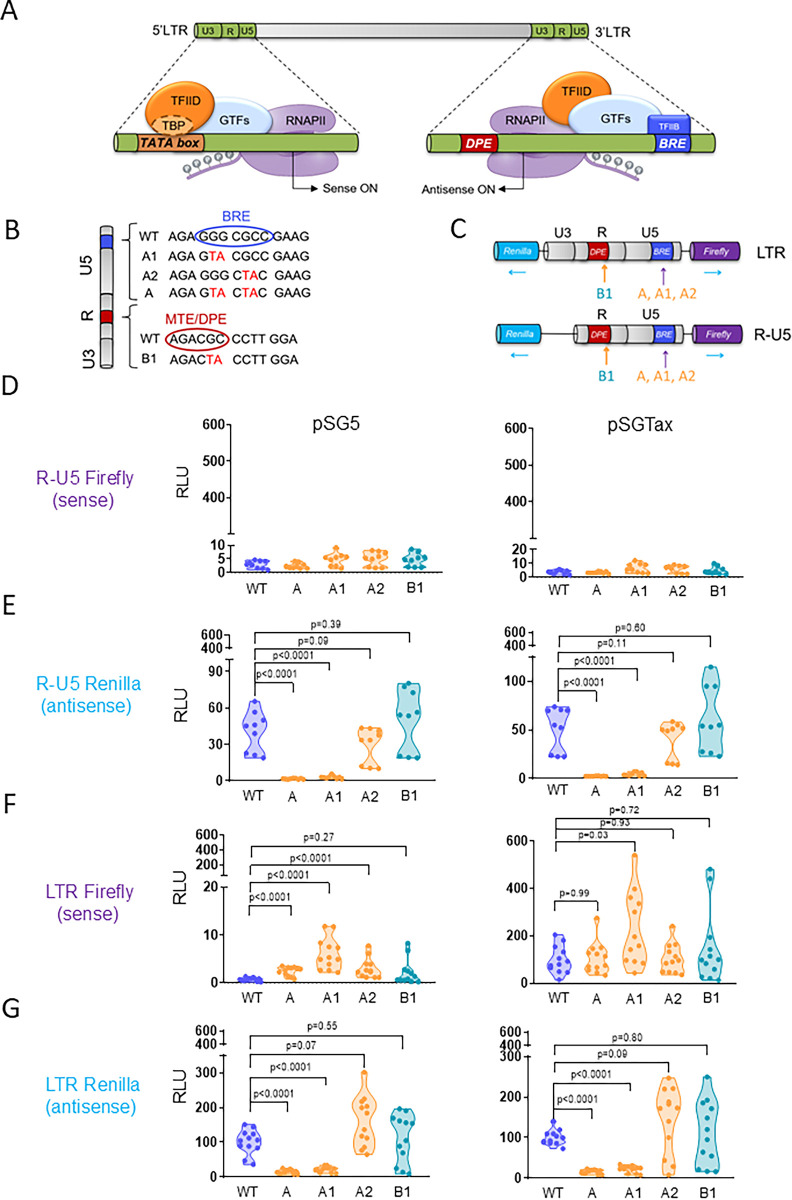
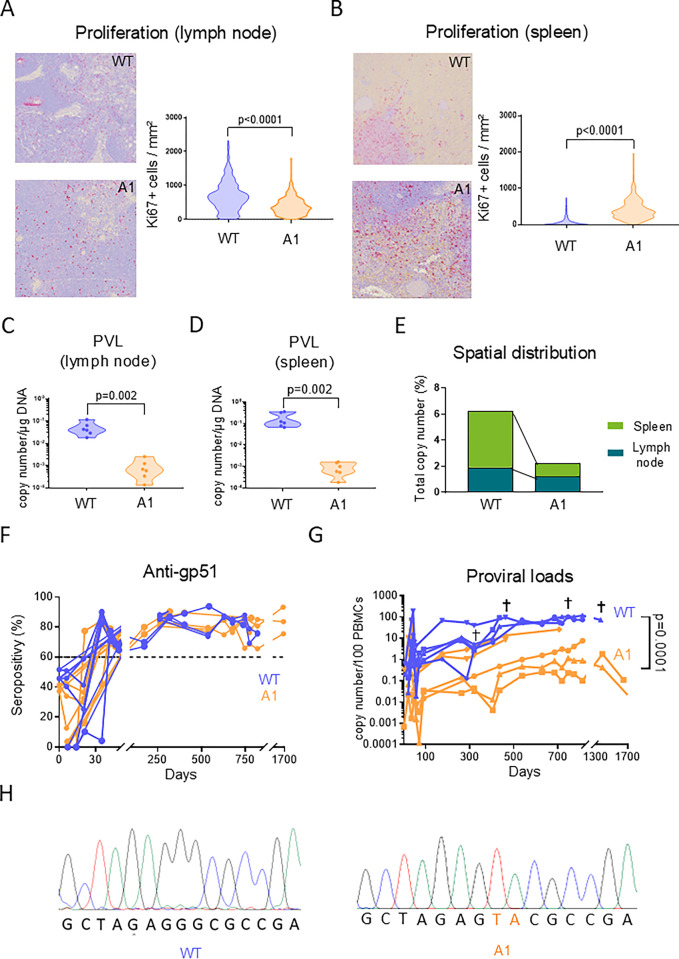
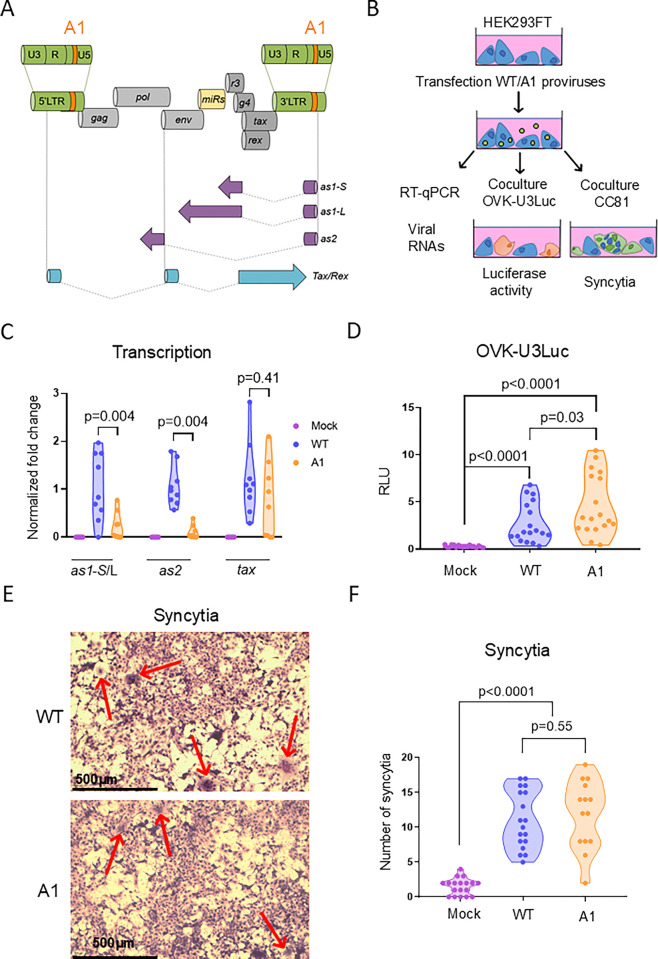
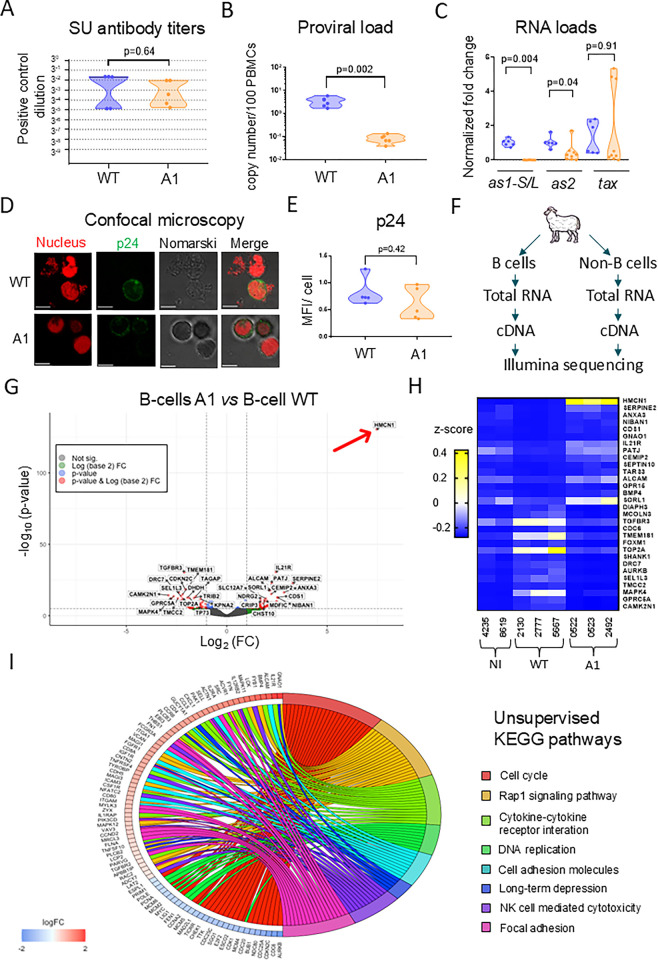
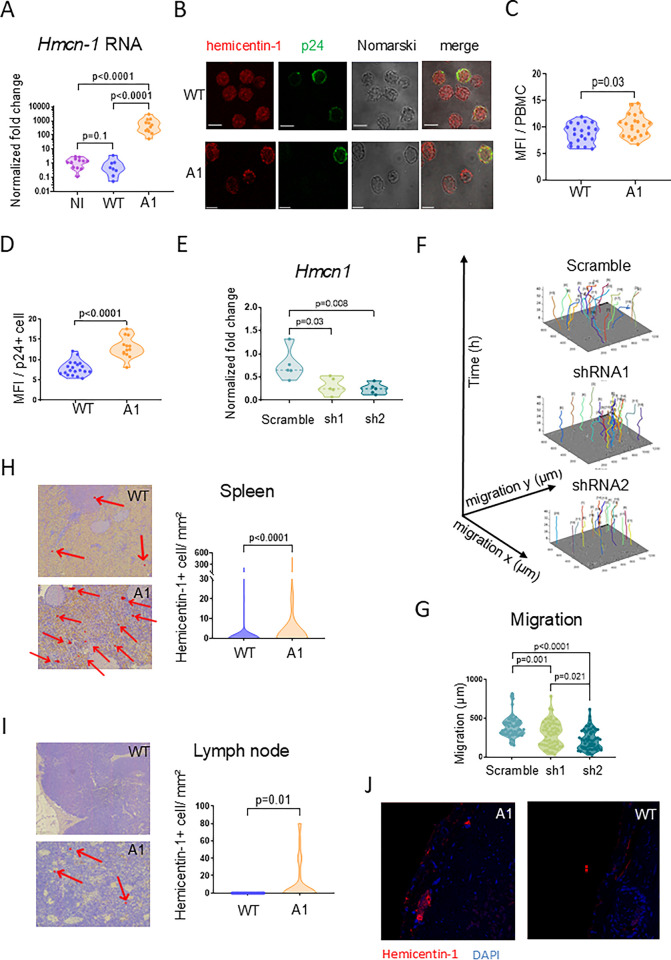
In sheep infected with bovine leukemia virus (BLV), transcription of structural, enzymatic, and accessory genes is silenced. However, the BLV provirus transcribes a series of non-coding RNAs that remain undetected by the host immune response. Specifically, three RNAs (AS1-L, AS1-S, and AS2) are consistently expressed from the antisense strand, originating from transcriptional initiation at the 3'-Long Terminal Repeat (LTR). To investigate the role of these non-coding RNAs in viral replication and pathogenesis, a reverse genetics approach was devised, capitalizing on a mechanistic disparity in transcription initiation between the 5' and 3' promoters. A two-nucleotide mutation (GG>TA) in the TFIIB-recognition element (BRE) impaired antisense transcription originating from the 3'-LTR. In the context of the provirus, this 2bp mutation significantly diminished the expression of antisense RNAs, while not notably affecting sense transcription. When inoculated to sheep, the mutated provirus was infectious but exhibited reduced replication levels, shedding light on the role of antisense transcription in vivo. In comparison to lymphoid organs in sheep infected with a wild-type (WT) provirus, the mutant demonstrated alterations in both the spatial distribution and rates of cell proliferation in the lymph nodes and the spleen. Analysis through RNA sequencing and RT-qPCR unveiled an upregulation of the Hmcn1/hemicentin-1 gene in B-lymphocytes from sheep infected with the mutated provirus. Further examination via confocal microscopy and immunohistochemistry revealed an increase in the amount of hemicentin-1 protein encoded by Hmcn1 in peripheral blood mononuclear cells (PBMCs) and lymphoid organs of sheep infected with the mutant. RNA interference targeting Hmcn1 expression impacted the migration of ovine kidney (OVK) cells in vitro. In contrast to the WT, the mutated provirus showed reduced oncogenicity when inoculated into sheep. Collectively, this study underscores the essential role of antisense transcription in BLV replication and pathogenicity. These findings may offer valuable insights into understanding the relevance of antisense transcription in the context of human T-cell leukemia virus (HTLV-1).
在感染牛白血病病毒 (BLV) 的绵羊中,结构、酶和辅助基因的转录被沉默。然而,BLV 前病毒转录一系列非编码 RNA,这些 RNA不会被宿主免疫反应检测到。具体来说,三个 RNA(AS1-L、AS1-S 和 AS2)从反义链持续表达,源自 3'-长末端重复 (LTR) 的转录起始。为了研究这些非编码 RNA 在病毒复制和发病机制中的作用,采用了一种反向遗传学方法,利用 5'和 3'启动子之间转录起始的机制差异。在 TFIIB 识别元件 (BRE) 中的两个核苷酸突变 (GG>TA) 破坏了来自 3'-LTR 的反义转录。在前病毒的情况下,这种 2bp 突变显著降低了反义 RNA 的表达,而对有意义的转录没有显著影响。当接种给绵羊时,突变的前病毒具有感染性,但复制水平降低,这揭示了反义转录在体内的作用。与感染野生型 (WT) 前病毒的绵羊的淋巴器官相比,突变体在淋巴结和脾脏中的细胞增殖速度和空间分布都发生了改变。通过 RNA 测序和 RT-qPCR 分析显示,感染突变前病毒的绵羊 B 淋巴细胞中的 Hmcn1/hemicentin-1 基因上调。通过共聚焦显微镜和免疫组织化学进一步检查显示,感染突变的绵羊外周血单核细胞 (PBMC) 和淋巴器官中编码 Hmcn1 的 hemicentin-1 蛋白量增加。针对 Hmcn1 表达的 RNA 干扰影响了绵羊肾脏 (OVK) 细胞的体外迁移。与 WT 相比,接种突变前病毒时,其致癌性降低。总的来说,这项研究强调了反义转录在 BLV 复制和发病机制中的重要作用。这些发现可能为理解反义转录在人类 T 细胞白血病病毒 (HTLV-1) 中的相关性提供有价值的见解。