College of Life Science, Shandong Normal University, Jinan, China.
Bio-Tech Research Center, Shandong Academy of Agricultural Sciences/Shandong Provincial Key Laboratory of Crop Genetic Improvement, Jinan, China.
PeerJ. 2022 May 17;10:e13428. doi: 10.7717/peerj.13428. eCollection 2022.
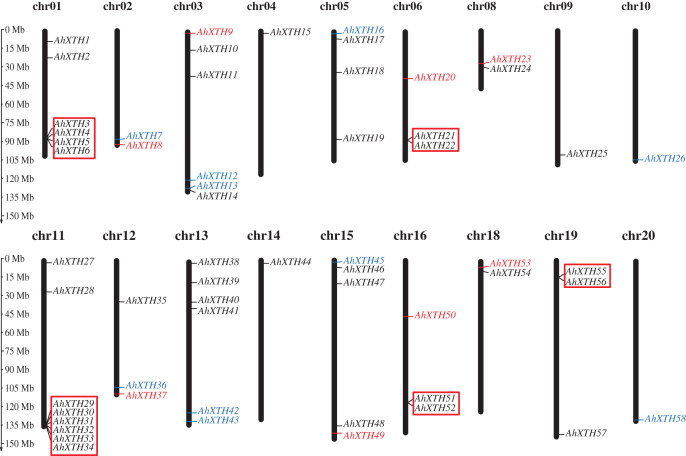
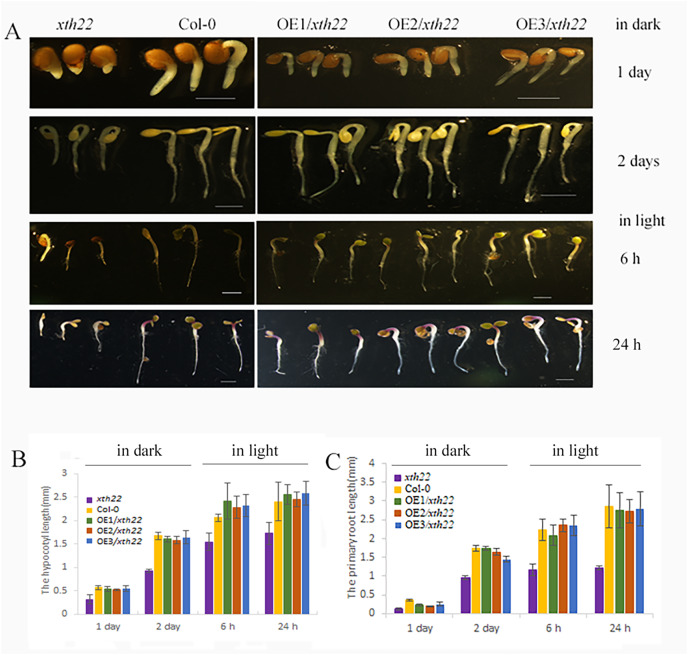
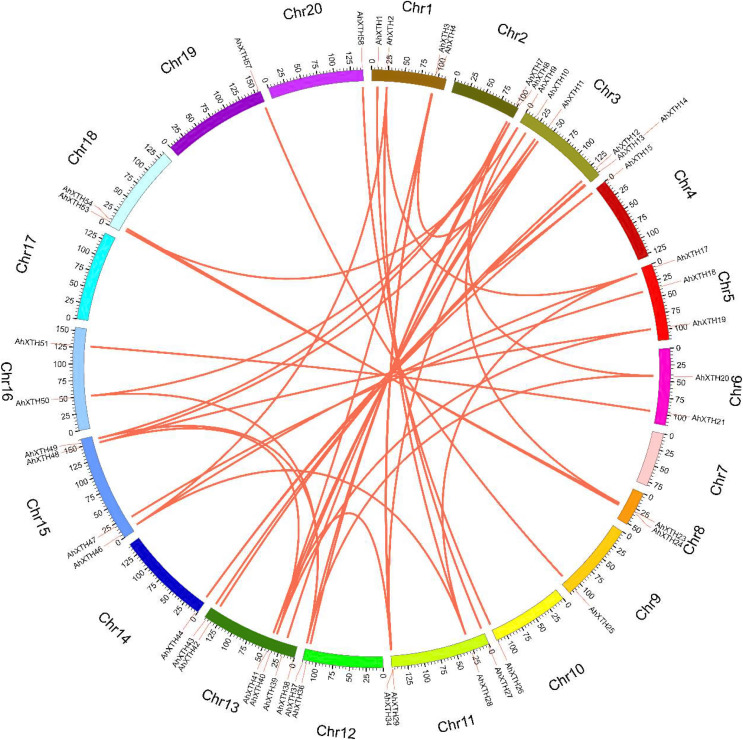
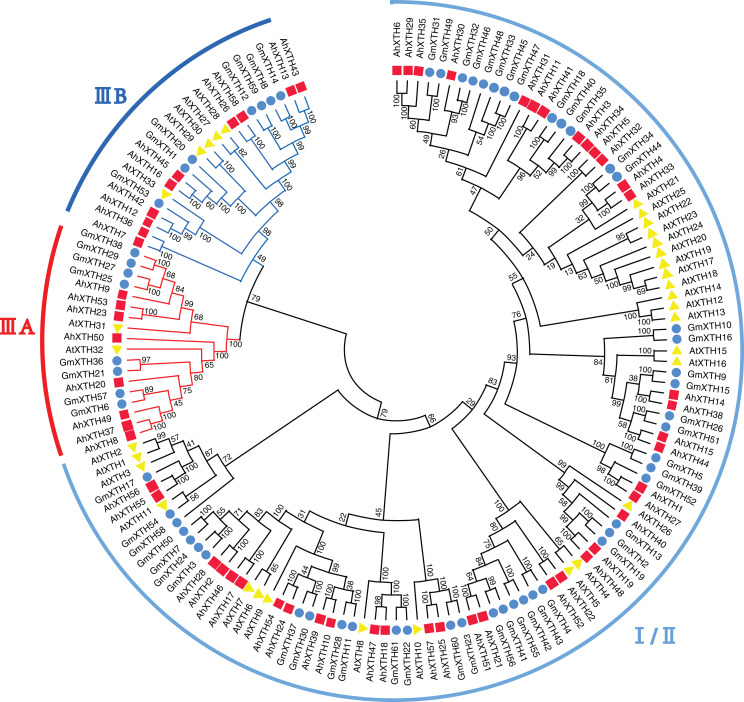
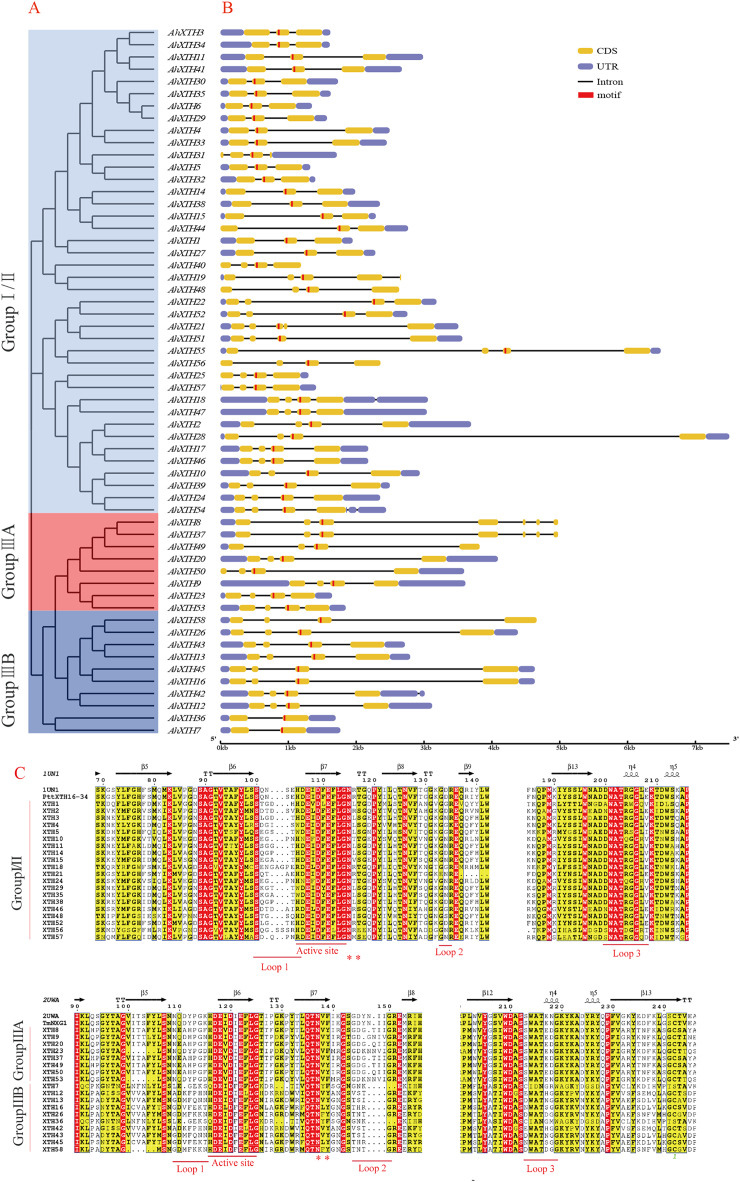
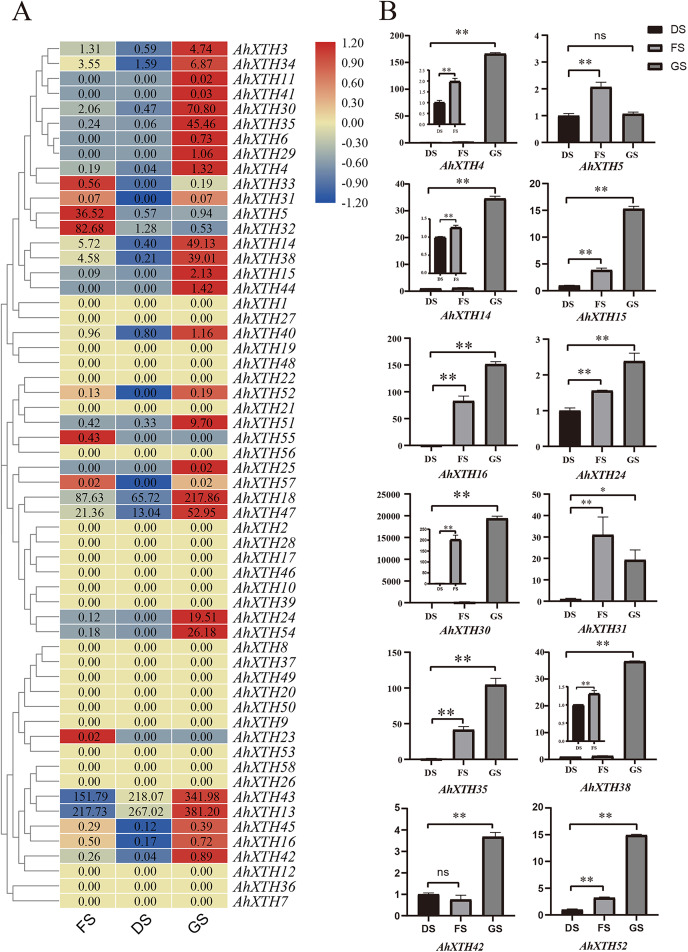
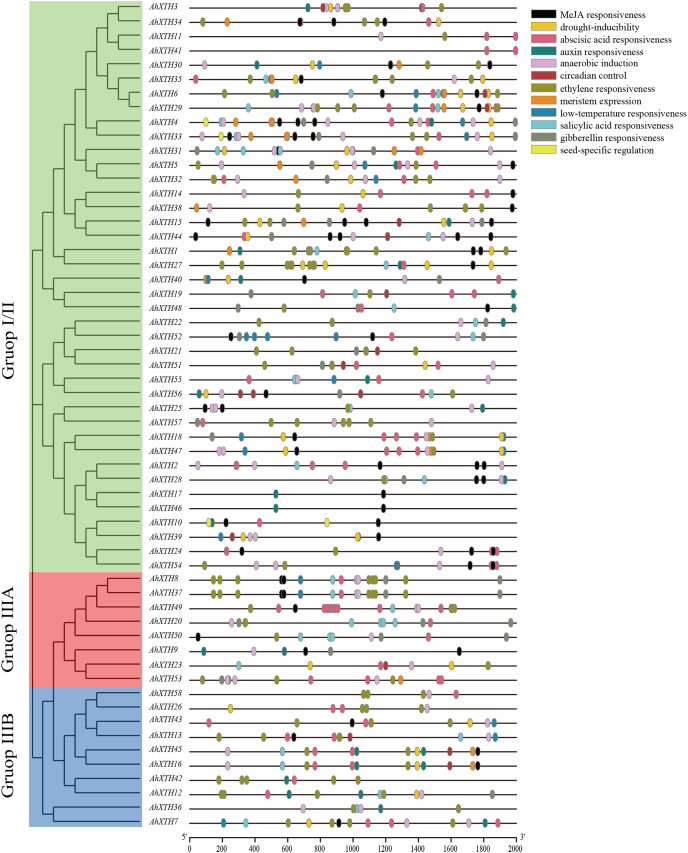
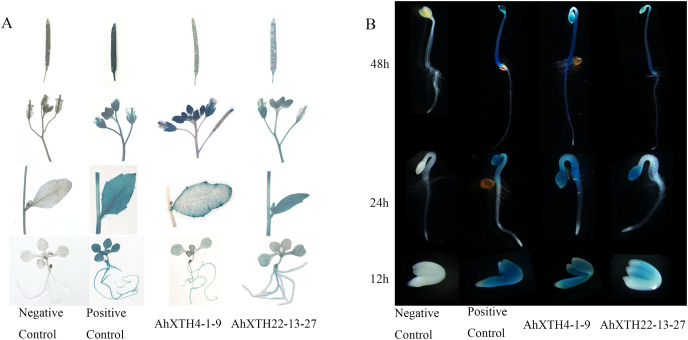
Seed germination marks the beginning of a new plant life cycle. Improving the germination rate of seeds and the consistency of seedling emergence in the field could improve crop yields. Many genes are involved in the regulation of seed germination. Our previous study found that some peanut (xyloglucan endotransglucosylases/hydrolases) were expressed at higher levels at the newly germinated stage. However, studies of the XTH gene family in peanut have not been reported. In this study, a total of 58 genes were identified in the peanut genome. Phylogenetic analysis showed that these , along with 33 from Arabidopsis and 61 from soybean, were classified into three subgroups: the I/II, IIIA and IIIB subclades. All genes were unevenly distributed on the 18 peanut chromosomes, with the exception of chr. 07 and 17, and they had relatively conserved exon-intron patterns, most with three to four introns. Through chromosomal distribution pattern and synteny analysis, it was found that the family experienced many replication events, including 42 pairs of segmental duplications and 23 pairs of tandem duplications, during genome evolution. Conserved motif analysis indicated that their encoded proteins contained the conserved ExDxE domain and N-linked glycosylation sites and displayed the conserved secondary structural loops 1-3 in members of the same group. Expression profile analysis of freshly harvested seeds, dried seeds, and newly germinated seeds using transcriptome data revealed that 26 genes, which account for 45% of the gene family, had relatively higher expression levels at the seed germination stage, implying the important roles of in regulating seed germination. The results of quantitative real-time PCR also confirmed that some were upregulated during seed germination. The results of GUS histochemical staining showed that was mainly expressed in germinated seeds and etiolated seedlings and had higher expression levels in elongated hypocotyls. was also verified to play a crucial role in the cell elongation of hypocotyls during seed germination.
种子萌发标志着植物新生命周期的开始。提高种子的萌发率和田间幼苗整齐度可以提高作物产量。许多基因参与调控种子萌发。我们之前的研究发现,一些花生(木葡聚糖内转葡糖苷酶/水解酶)在新萌发阶段表达水平较高。然而,关于花生 XTH 基因家族的研究尚未报道。在这项研究中,在花生基因组中总共鉴定出 58 个基因。系统发育分析表明,这些基因与来自拟南芥的 33 个和来自大豆的 61 个基因一起被分为三个亚组:I/II、IIIA 和 IIIB 亚组。所有基因在 18 条花生染色体上不均匀分布,除了 chr.07 和 17,它们具有相对保守的外显子-内含子模式,大多数具有三到四个内含子。通过染色体分布模式和共线性分析,发现该家族在基因组进化过程中经历了许多复制事件,包括 42 对片段复制和 23 对串联复制。保守基序分析表明,它们编码的蛋白质含有保守的 ExDxE 结构域和 N-连接糖基化位点,并在同一组的成员中显示出保守的二级结构环 1-3。使用转录组数据对新鲜收获的种子、干燥的种子和新萌发的种子进行表达谱分析表明,26 个基因(占基因家族的 45%)在种子萌发阶段的表达水平相对较高,这表明 在调节种子萌发中起着重要作用。定量实时 PCR 的结果也证实了一些 在种子萌发过程中上调表达。GUS 组织化学染色的结果表明, 在萌发的种子和黄化幼苗中主要表达,在伸长的下胚轴中表达水平较高。 还被证明在种子萌发过程中下胚轴细胞伸长中起关键作用。