Department of Immunology and Microbiology, University of Colorado School of Medicine, Aurora, Colorado, USA.
Department of Dermatology, University of California, San Diegogrid.266100.3, La Jolla, California, USA.
mBio. 2022 Jun 28;13(3):e0093022. doi: 10.1128/mbio.00930-22. Epub 2022 May 24.
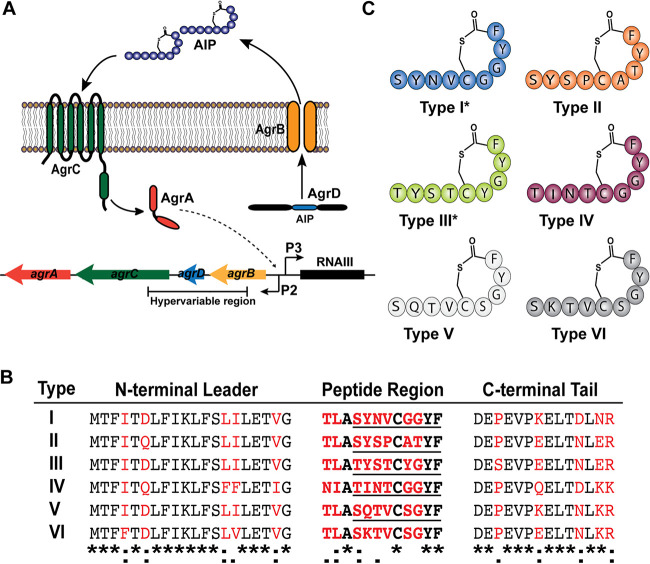
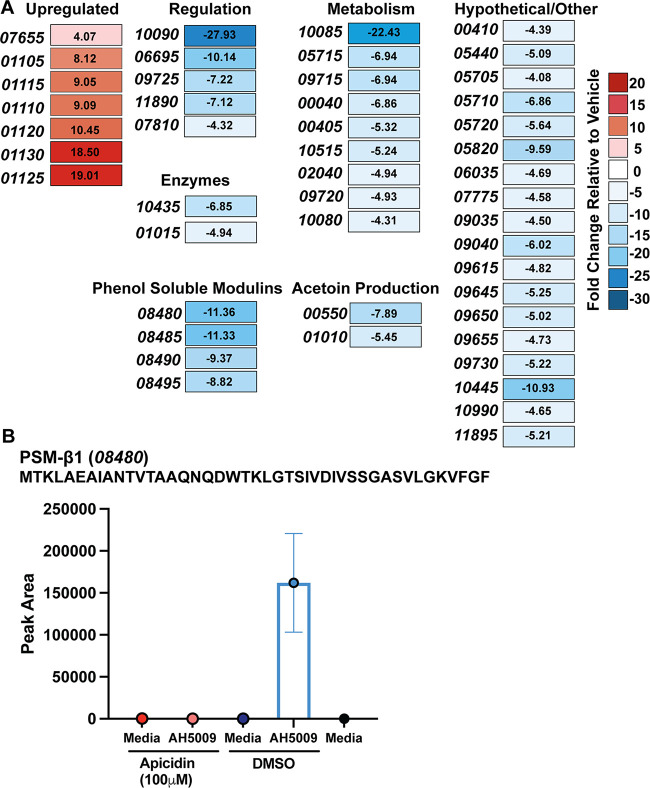
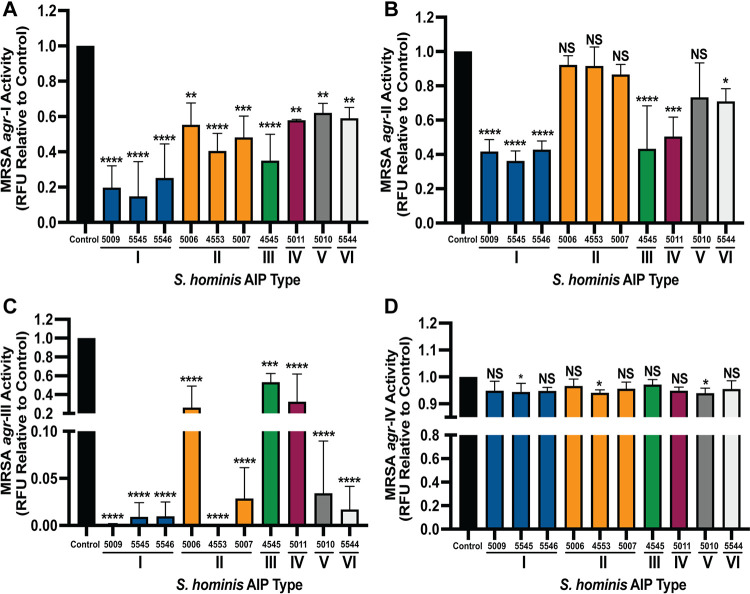
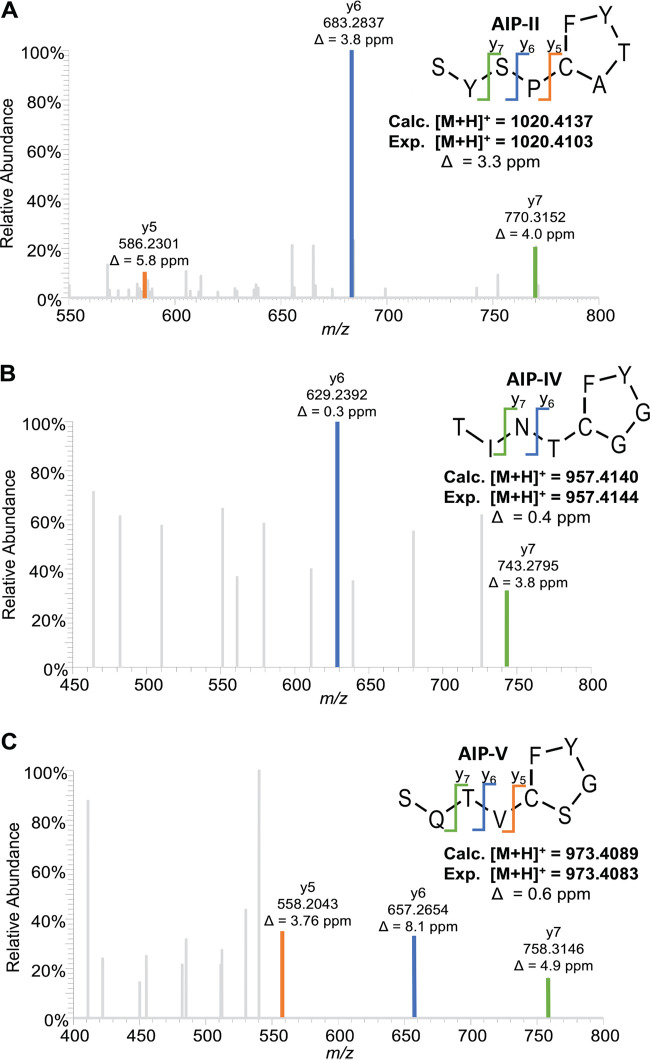
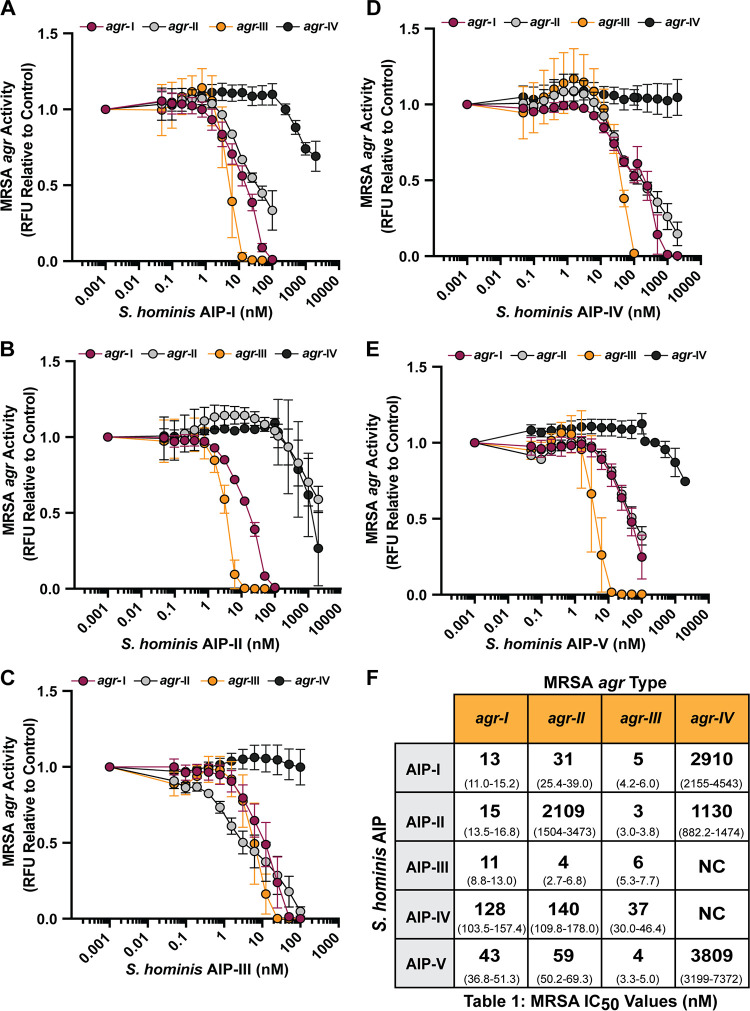
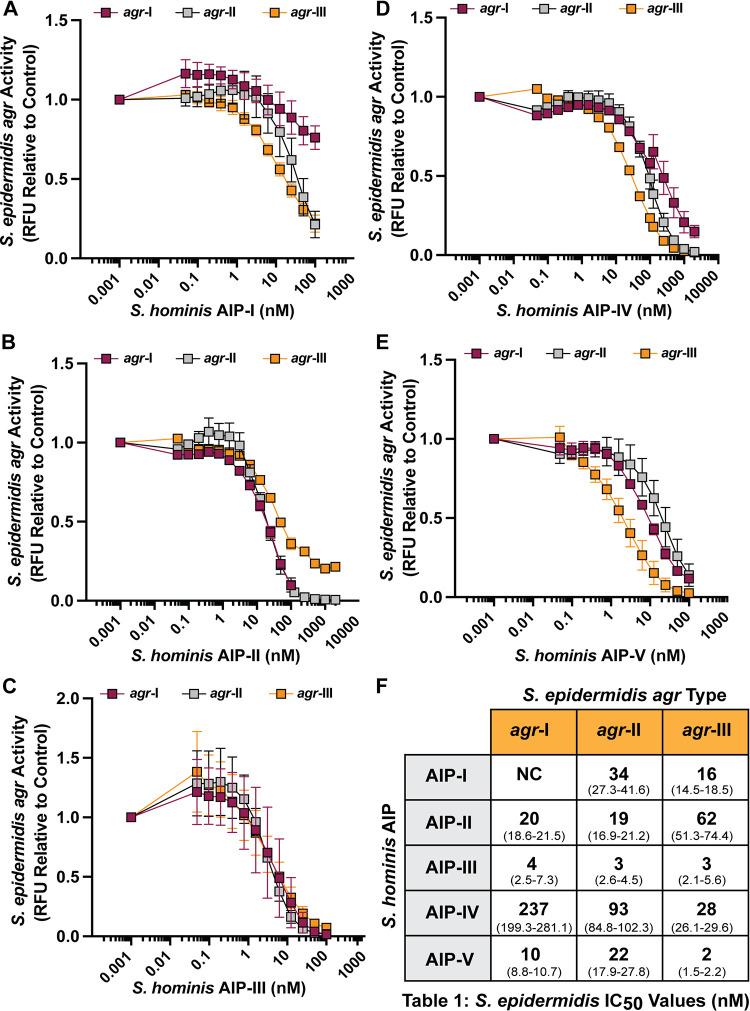
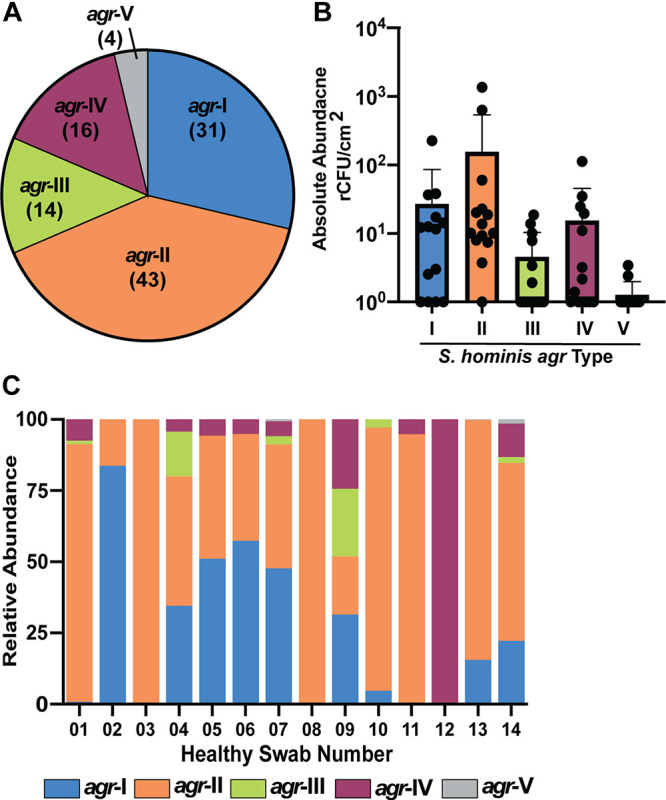
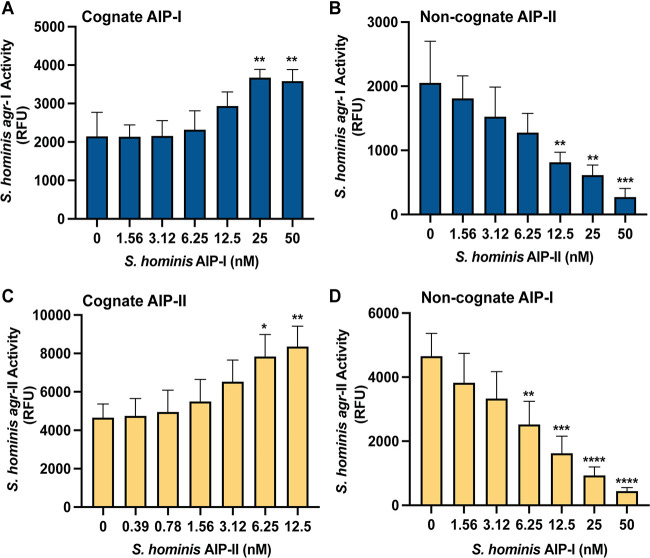
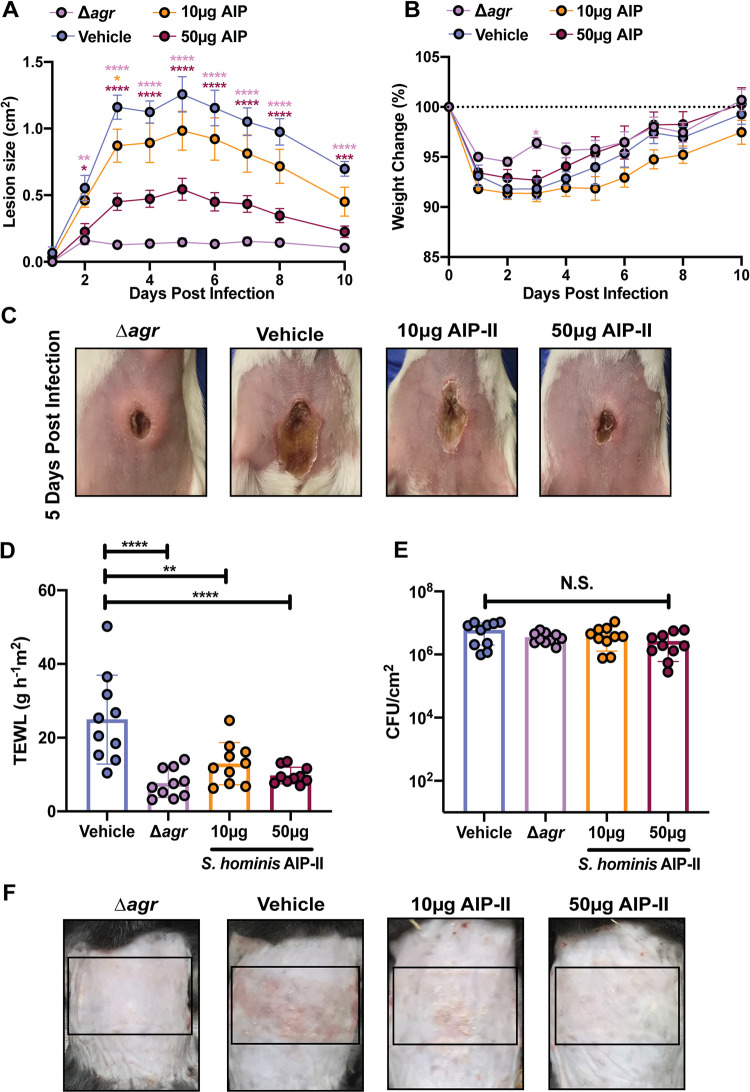
Staphylococcus hominis is frequently isolated from human skin, and we hypothesize that it may protect the cutaneous barrier from opportunistic pathogens. We determined that S. hominis makes six unique autoinducing peptide (AIP) signals that inhibit the major virulence factor accessory gene regulator () quorum sensing system of Staphylococcus aureus. We solved and confirmed the structures of three novel AIP signals in conditioned medium by mass spectrometry and then validated synthetic AIP activity against all S. aureus classes. Synthetic AIPs also inhibited the conserved system in a related species, Staphylococcus epidermidis. We determined the distribution of S. hominis types on healthy human skin and found S. hominis -I and -II were highly represented across subjects. Further, synthetic AIP-II was protective against S. aureus-associated dermonecrotic or epicutaneous injury. Together, these findings demonstrate that a ubiquitous colonizer of human skin has a fundamentally protective role against opportunistic damage. Human skin is home to a variety of commensal bacteria, including many species of coagulase-negative staphylococci (CoNS). While it is well established that the microbiota as a whole maintains skin homeostasis and excludes pathogens (i.e., colonization resistance), relatively little is known about the unique contributions of individual CoNS species to these interactions. Staphylococcus hominis is the second most frequently isolated CoNS from healthy skin, and there is emerging evidence to suggest that it may play an important role in excluding pathogens, including Staphylococcus aureus, from colonizing or infecting the skin. Here, we identified that S. hominis makes 6 unique peptide inhibitors of the S. aureus global virulence factor regulation system (). Additionally, we found that one of these peptides can prevent topical or necrotic S. aureus skin injury in a mouse model. Our results demonstrate a specific and broadly protective role for this ubiquitous, yet underappreciated skin commensal.
人葡萄球菌是从人体皮肤中经常分离出来的,我们假设它可能保护皮肤屏障免受机会性病原体的侵害。我们发现人葡萄球菌产生六种独特的自诱导肽 (AIP) 信号,抑制金黄色葡萄球菌主要毒力因子辅助基因调节 () 群体感应系统。我们通过质谱法确定并证实了条件培养基中三种新型 AIP 信号的结构,然后验证了合成 AIP 对所有金黄色葡萄球菌 类别的活性。合成 AIP 还抑制了相关物种表皮葡萄球菌中保守的 系统。我们确定了健康人体皮肤上人葡萄球菌 型的分布,发现人葡萄球菌-I 和 -II 在受试者中高度代表。此外,合成 AIP-II 对金黄色葡萄球菌相关的皮肤坏死或表皮损伤具有保护作用。总之,这些发现表明,一种普遍存在于人类皮肤的定植菌对机会性损伤具有根本的保护作用。 人类皮肤是各种共生细菌的家园,包括许多凝固酶阴性葡萄球菌 (CoNS) 种。虽然人们普遍认为整个微生物群有助于皮肤的动态平衡并排除病原体(即定植抗性),但对于个体 CoNS 种对这些相互作用的独特贡献知之甚少。人葡萄球菌是从健康皮肤中分离出的第二常见的 CoNS,有新的证据表明它可能在排除病原体(包括金黄色葡萄球菌)定植或感染皮肤方面发挥重要作用。在这里,我们确定人葡萄球菌产生了 6 种金黄色葡萄球菌全球毒力因子调控系统 ( ) 的独特肽抑制剂。此外,我们发现这些肽中的一种可以预防局部或坏死性金黄色葡萄球菌皮肤损伤的小鼠模型。我们的研究结果表明,这种普遍存在但尚未得到充分认识的皮肤共生菌具有特定且广泛的保护作用。