Li Ding, Liang Jiaming, Zhang Wenzhou, Wu Xuan, Fan Jie
Department of Pharmacy, The Affiliated Cancer Hospital of Zhengzhou University and Henan Cancer Hospital, Zhengzhou, China.
Department of Internal Medicine, The Second Affiliated Hospital of Guangzhou Medical University, Guangzhou, China.
Front Genet. 2022 May 9;13:860677. doi: 10.3389/fgene.2022.860677. eCollection 2022.
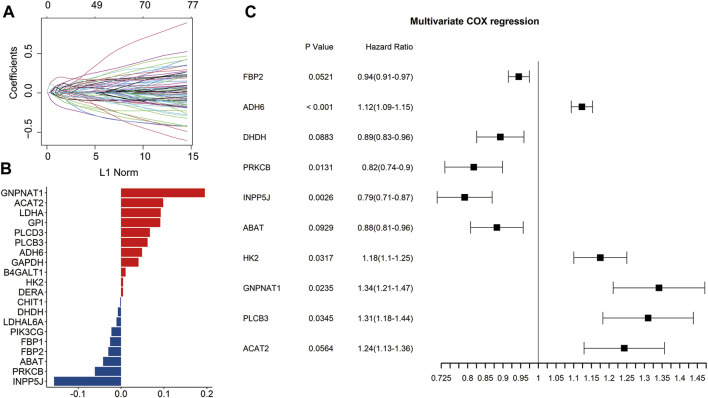
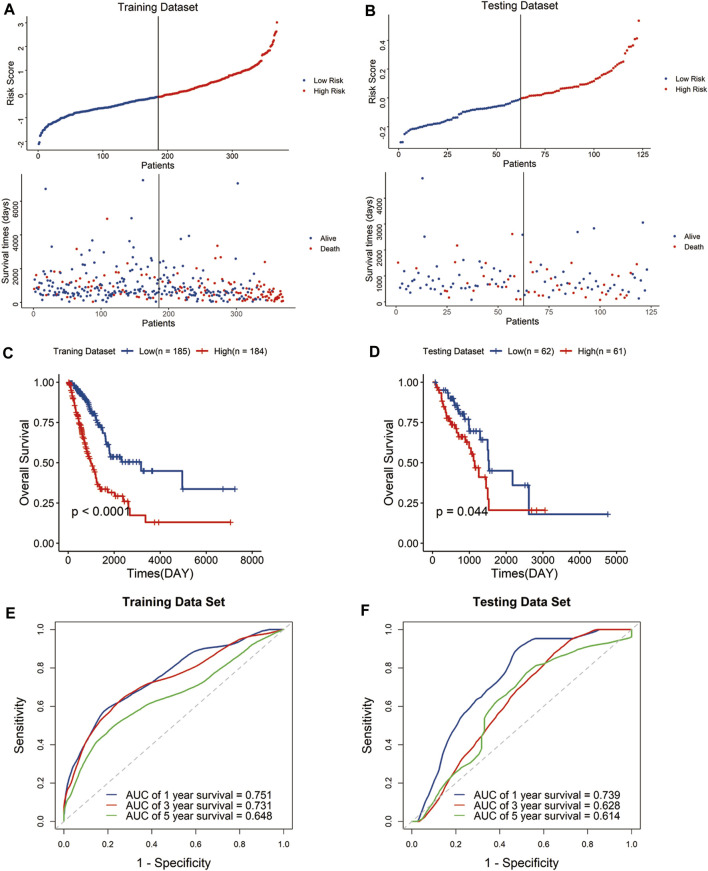
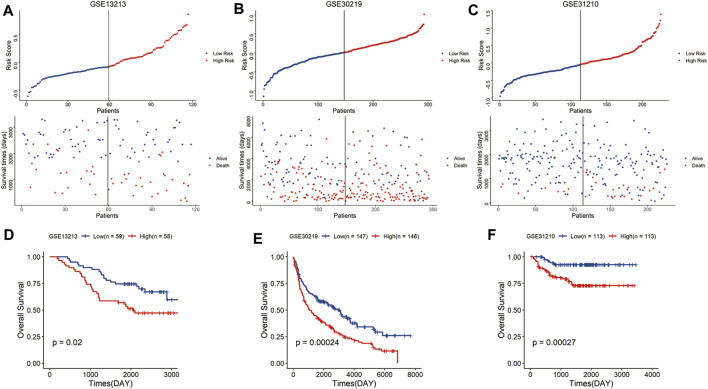
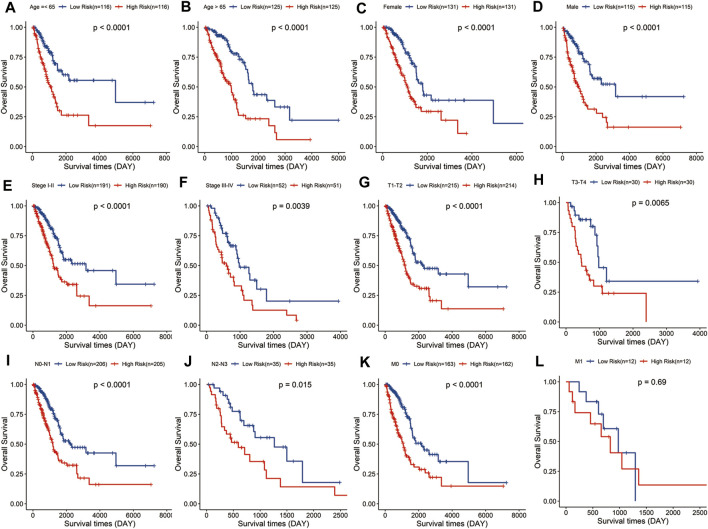
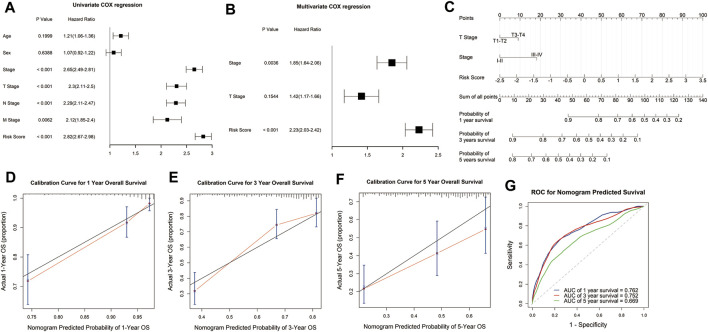
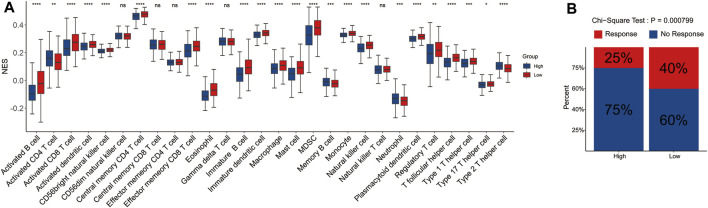
Lung adenocarcinoma (LUAD) remains the most common type of lung cancer and is the main cause of cancer-related death worldwide. Reprogramming of glucose metabolism plays a crucial role in tumorigenesis and progression. However, the regulation of glucose metabolism is still being explored in LUAD. Determining the underlying clinical value of glucose metabolism will contribute in increasing clinical interventions. Our study aimed to conduct a comprehensive analysis of the landscape of glucose metabolism-related genes in LUAD and develop a prognostic risk signature. We extracted the RNA-seq data and relevant clinical variants from The Cancer Genome Atlas (TCGA) database and identified glucose metabolism-related genes associated with the outcome by correlation analysis. To generate a prognostic signature, least absolute shrinkage and selection operator (LASSO) Cox regression analysis was performed. Finally, ten genes with expression status were identified to generate the risk signature, including FBP2, ADH6, DHDH, PRKCB, INPP5J, ABAT, HK2, GNPNAT1, PLCB3, and ACAT2. Survival analysis indicated that the patients in the high-risk group had a worse survival than those in the low-risk group, which is consistent with the results in validated cohorts. And receiver operating characteristic (ROC) curve analysis further validated the prognostic value and predictive performance of the signature. In addition, the two risk groups had significantly different clinicopathological characteristics and immune cell infiltration status. Notably, the low-risk group is more likely to respond to immunotherapy. Overall, this study systematically explored the prognostic value of glucose metabolism and generated a prognostic risk signature with favorable efficacy and accuracy, which help select candidate patients and explore potential therapeutic approaches targeting the reprogrammed glucose metabolism in LUAD.
肺腺癌(LUAD)仍然是最常见的肺癌类型,也是全球癌症相关死亡的主要原因。葡萄糖代谢重编程在肿瘤发生和进展中起着关键作用。然而,LUAD中葡萄糖代谢的调控仍在探索中。确定葡萄糖代谢的潜在临床价值将有助于增加临床干预措施。我们的研究旨在对LUAD中葡萄糖代谢相关基因的格局进行全面分析,并开发一种预后风险特征。我们从癌症基因组图谱(TCGA)数据库中提取了RNA测序数据和相关临床变量,并通过相关性分析确定了与预后相关的葡萄糖代谢相关基因。为了生成预后特征,进行了最小绝对收缩和选择算子(LASSO)Cox回归分析。最后,确定了十个具有表达状态的基因以生成风险特征,包括FBP2、ADH6、DHDH、PRKCB、INPP5J、ABAT、HK2、GNPNAT1、PLCB3和ACAT2。生存分析表明,高危组患者的生存率低于低危组患者,这与验证队列中的结果一致。受试者工作特征(ROC)曲线分析进一步验证了该特征的预后价值和预测性能。此外,两个风险组的临床病理特征和免疫细胞浸润状态存在显著差异。值得注意的是,低危组更可能对免疫治疗有反应。总体而言,本研究系统地探索了葡萄糖代谢的预后价值,并生成了一种具有良好疗效和准确性的预后风险特征,有助于选择候选患者并探索针对LUAD中重编程葡萄糖代谢的潜在治疗方法。