Veterinary Public Health Lab, College of Veterinary Medicine, Chonnam National University, Gwangju 61216, Korea.
Animal and Plant Quarantine Agency, Gimcheon 39660, Korea.
J Vet Sci. 2022 May;23(3):e36. doi: 10.4142/jvs.21278.
Since 2003, the H5 highly pathogenic avian influenza (HPAI) subtype has caused massive economic losses in the poultry industry in South Korea. The role of inland water bodies in avian influenza (AI) outbreaks has not been investigated. Identifying water bodies that facilitate risk pathways leading to the incursion of the HPAI virus (HPAIV) into poultry farms is essential for implementing specific precautionary measures to prevent viral transmission.
This matched case-control study (1:4) examined whether inland waters were associated with a higher risk of AI outbreaks in the neighboring poultry farms.
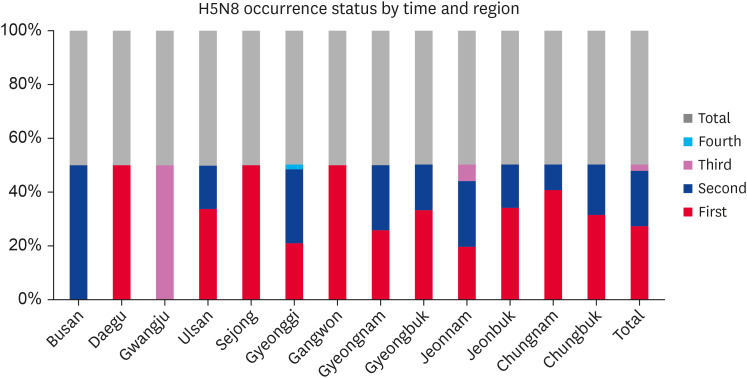
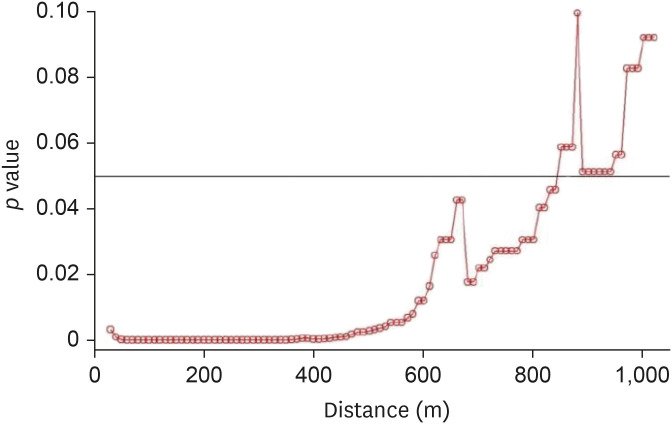
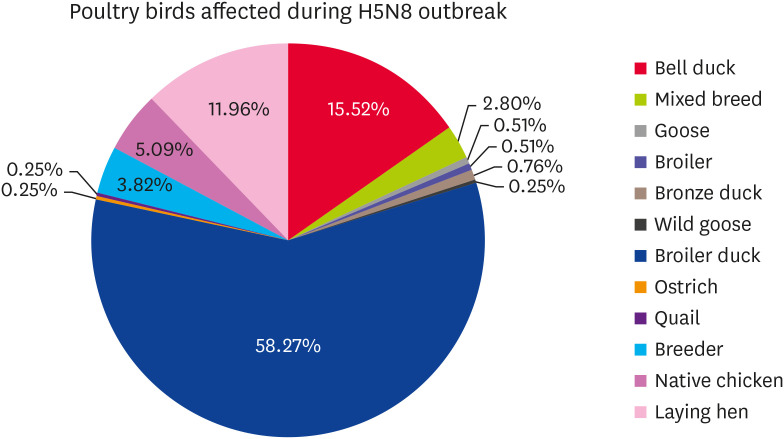
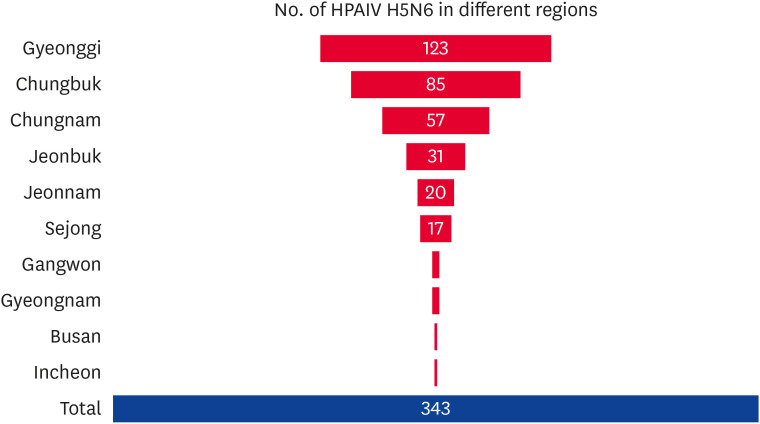
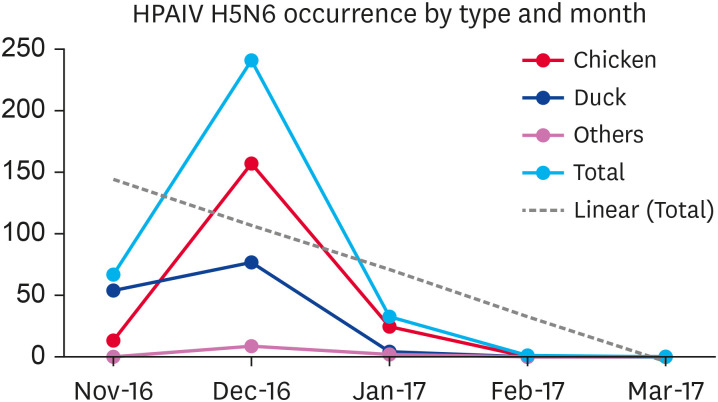
Rivers, irrigation canals, lakes, and ponds were considered inland water bodies. The cases and controls were chosen based on the matching criteria. The nearest possible farms located within a radius of 3 km of the case farms were chosen as the control farms. The poultry farms were selected randomly, and two HPAI epidemics (H5N8 [2014-2016] and H5N6 [2016-2017]) were studied. Conditional logistic regression analysis was applied.
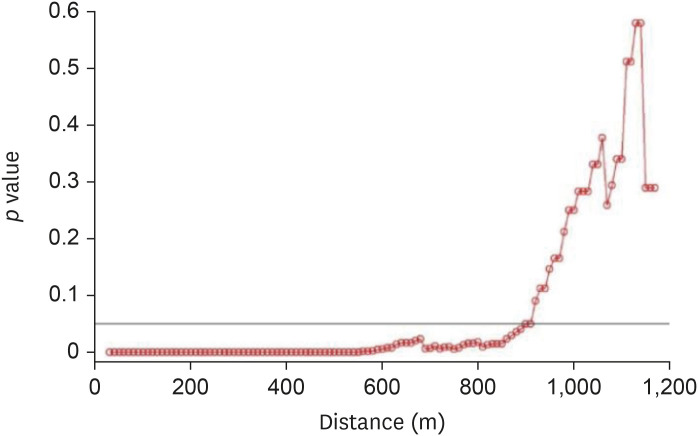
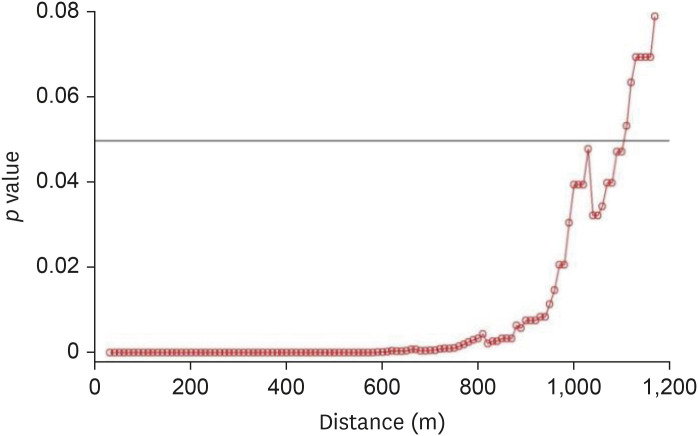
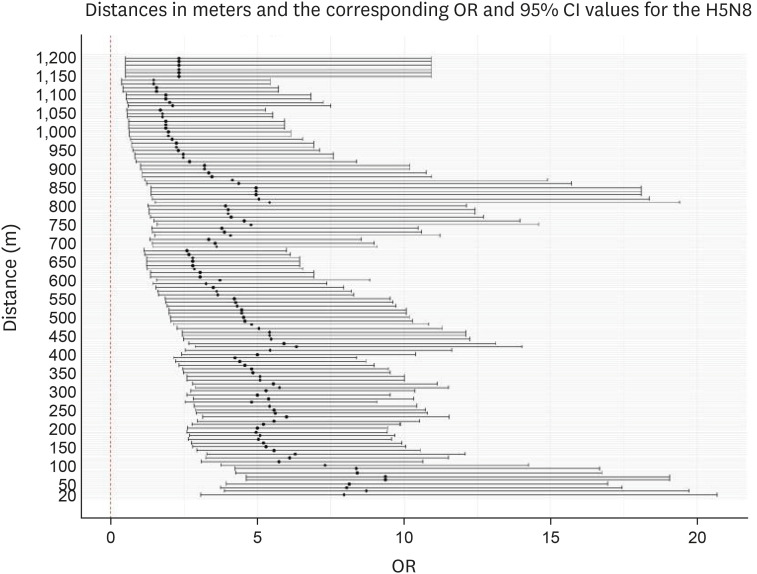
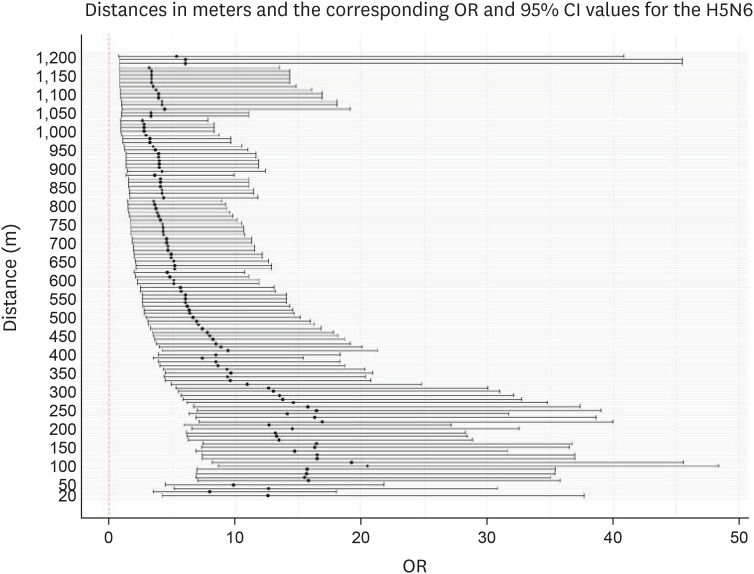
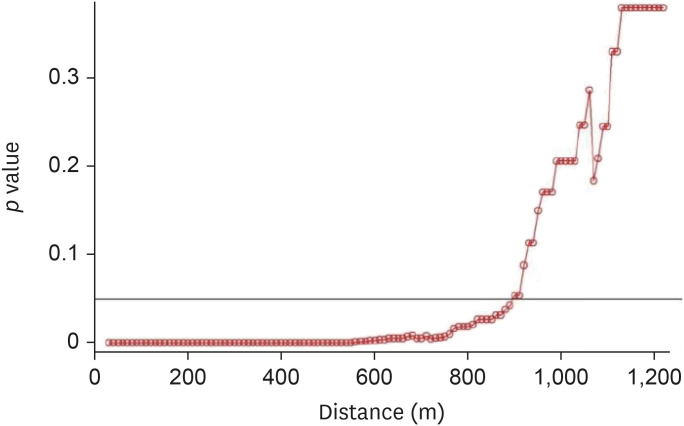
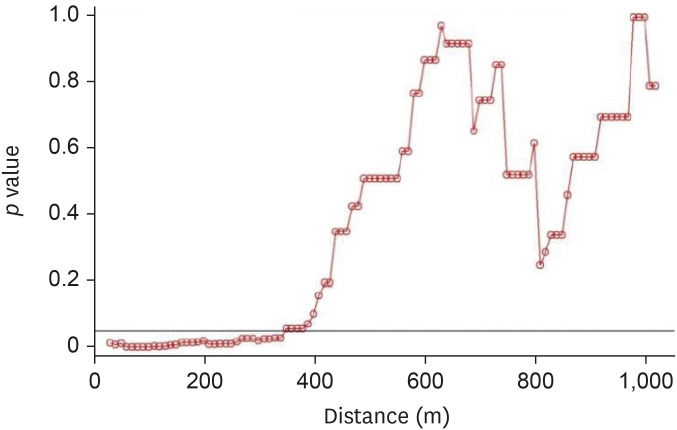
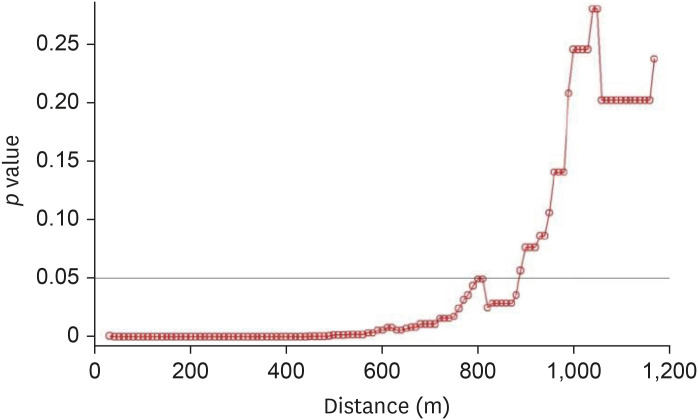
Statistical analysis revealed that inland waters near poultry farms were significant risk factors for AI outbreaks. The study speculated that freely wandering wild waterfowl and small animals contaminate areas surrounding poultry farms.
Pet birds and animals raised alongside poultry birds on farm premises may wander easily to nearby waters, potentially increasing the risk of AI infection in poultry farms. Mechanical transmission of the AI virus occurs when poultry farm workers or visitors come into contact with infected water bodies or their surroundings. To prevent AI outbreaks in the future, poultry farms should adopt strict precautions to avoid contact with nearby water bodies and their surroundings.
自 2003 年以来,H5 高致病性禽流感(HPAI)亚型已在韩国的家禽养殖业造成了巨大的经济损失。内陆水体在禽流感(AI)爆发中的作用尚未得到研究。确定有助于导致高致病性禽流感病毒(HPAIV)侵入家禽养殖场的风险途径的水体对于实施特定的预防措施以防止病毒传播至关重要。
本病例对照研究(1:4)调查内陆水域是否与邻近家禽养殖场的 AI 爆发风险增加有关。
河流、灌溉渠、湖泊和池塘被视为内陆水体。病例和对照是根据匹配标准选择的。选择位于病例农场半径 3 公里内的最近可能的农场作为对照农场。随机选择家禽养殖场,并研究了两次 HPAI 流行(H5N8[2014-2016]和 H5N6[2016-2017])。应用条件逻辑回归分析。
统计分析表明,家禽农场附近的内陆水域是 AI 爆发的重要危险因素。研究推测,自由游荡的野生水禽和小动物会污染家禽农场周围的区域。
农场内与家禽鸟类一起饲养的宠物鸟类和动物可能很容易游荡到附近的水域,从而增加家禽农场感染 AI 的风险。当家禽养殖场的工人或访客接触到受感染的水体或其周围环境时,会发生 AI 病毒的机械传播。为了防止未来发生 AI 爆发,家禽养殖场应采取严格的预防措施,避免接触附近的水体及其周围环境。