Adnan Muhammad, Xiao Baohua, Xiao Peiwen, Zhao Peng, Li Ruolan, Bibi Shaheen
State Key Laboratory of Environmental Geochemistry, Institute of Geochemistry, Chinese Academy of Sciences, Guiyang 550081, China.
University of Chinese Academy of Sciences, Beijing 100049, China.
Toxics. 2022 Apr 30;10(5):231. doi: 10.3390/toxics10050231.
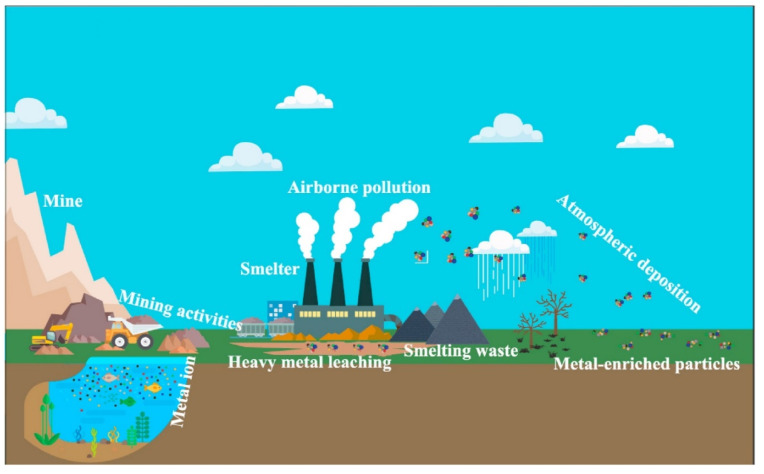
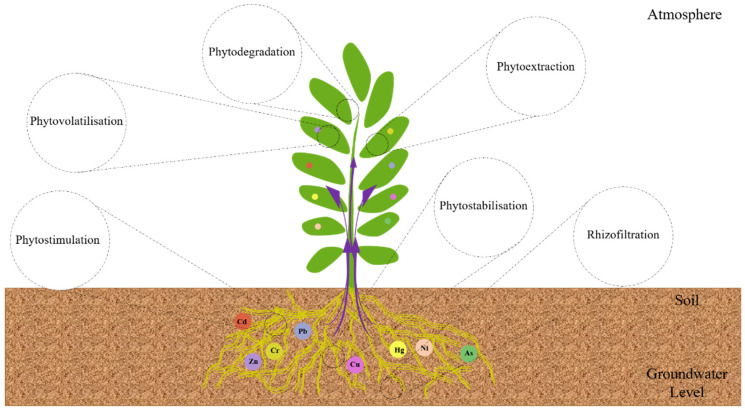
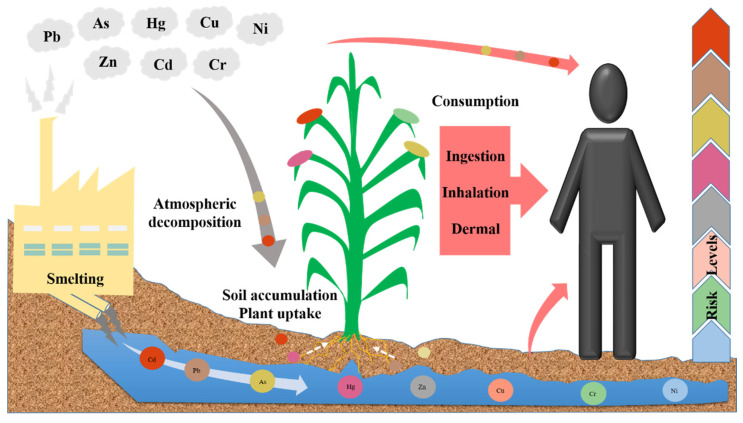
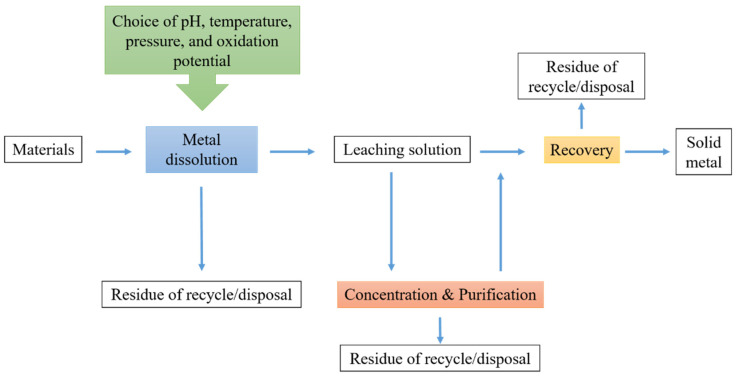
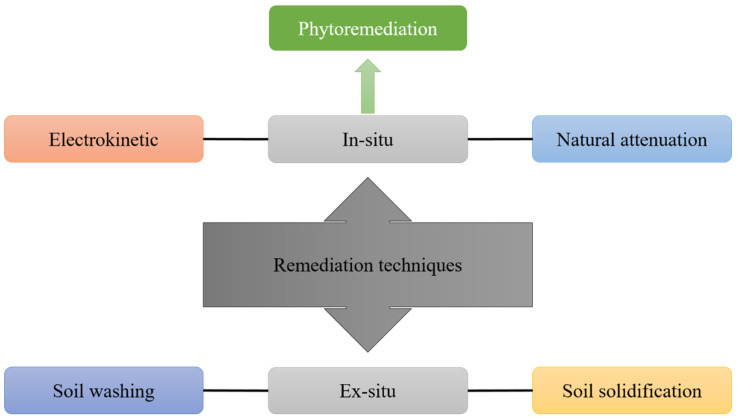
Contamination by heavy metals is a significant issue worldwide. In recent decades, soil heavy metals pollutants in China had adverse impacts on soil quality and threatened food security and human health. Anthropogenic inputs mainly generate heavy metal contamination in China. In this review, the approaches were used in these investigations, focusing on geochemical strategies and metal isotope methods, particularly useful for determining the pathway of mining and smelting derived pollution in the soil. Our findings indicate that heavy metal distribution substantially impacts topsoils around mining and smelting sites, which release massive amounts of heavy metals into the environment. Furthermore, heavy metal contamination and related hazards posed by Pb, Cd, As, and Hg are more severe to plants, soil organisms, and humans. It's worth observing that kids are particularly vulnerable to Pb toxicity. And this review also provides novel approaches to control and reduce the impacts of heavy metal pollution. Hydrometallurgy offers a potential method for extracting metals and removing potentially harmful heavy metals from waste to reduce pollution. However, environmentally friendly remediation of contaminated sites is a significant challenge. This paper also evaluates current technological advancements in the remediation of polluted soil, such as stabilization/solidification, natural attenuation, electrokinetic remediation, soil washing, and phytoremediation. The ability of biological approaches, especially phytoremediation, is cost-effective and favorable to the environment.
重金属污染是一个全球性的重大问题。近几十年来,中国土壤中的重金属污染物对土壤质量产生了不利影响,威胁到粮食安全和人类健康。在中国,人为输入是造成重金属污染的主要原因。在这篇综述中,重点介绍了这些调查中使用的方法,着重于地球化学策略和金属同位素方法,这些方法对于确定土壤中采矿和冶炼衍生污染的途径特别有用。我们的研究结果表明,重金属分布对采矿和冶炼场地周围的表层土壤有重大影响,这些场地向环境中释放大量重金属。此外,铅、镉、砷和汞造成的重金属污染及相关危害对植物、土壤生物和人类更为严重。值得注意的是,儿童尤其易受铅毒性的影响。本综述还提供了控制和减少重金属污染影响的新方法。湿法冶金为从废物中提取金属和去除潜在有害重金属以减少污染提供了一种潜在方法。然而,对受污染场地进行环境友好型修复是一项重大挑战。本文还评估了当前污染土壤修复的技术进展,如稳定化/固化、自然衰减、电动修复、土壤冲洗和植物修复。生物方法,特别是植物修复,具有成本效益且对环境有利。