Nanyang Business School, Nanyang Technological University, Singapore 639798, Singapore.
Lee Kong Chian School of Medicine, Nanyang Technological University, Singapore 308232, Singapore.
Biosensors (Basel). 2022 May 10;12(5):315. doi: 10.3390/bios12050315.
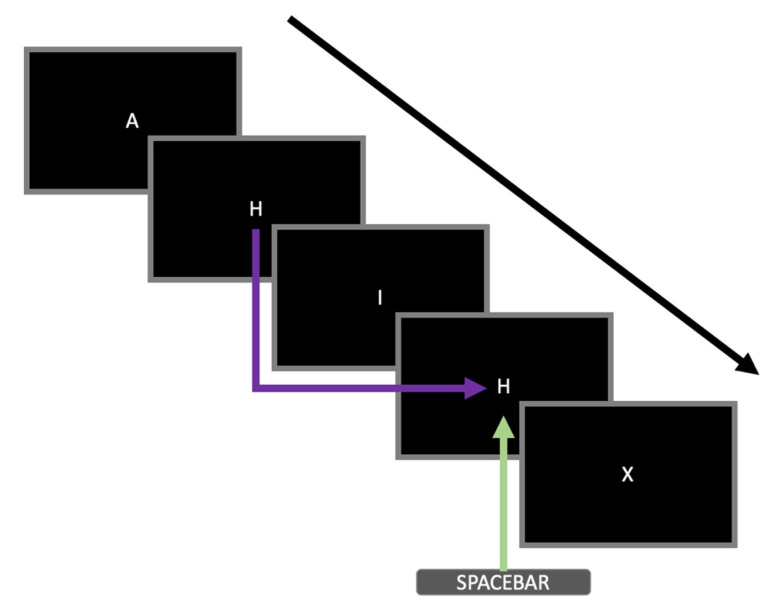
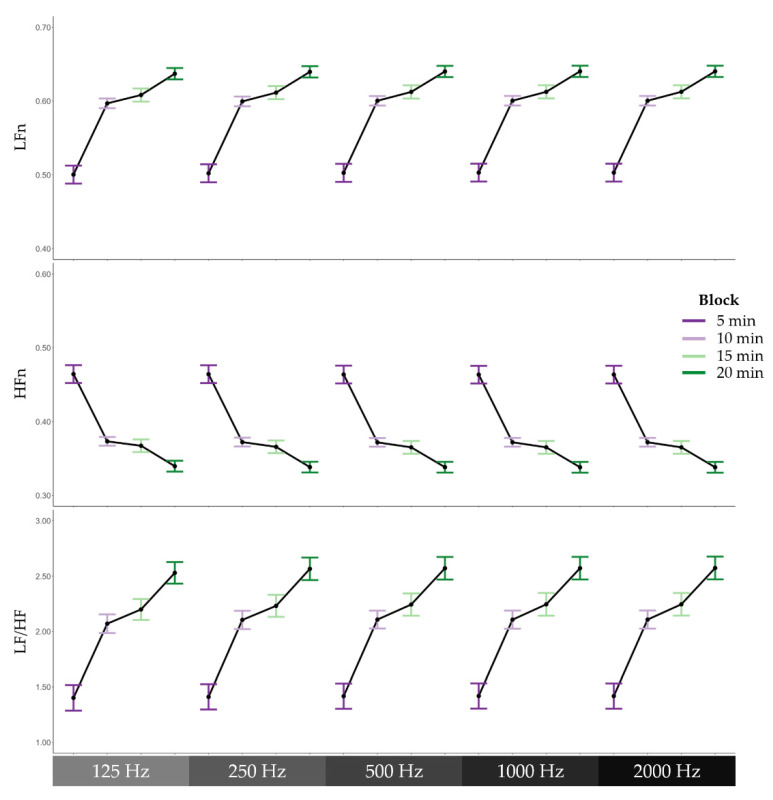
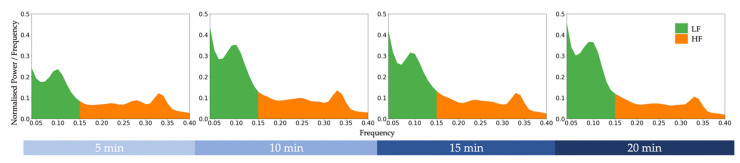
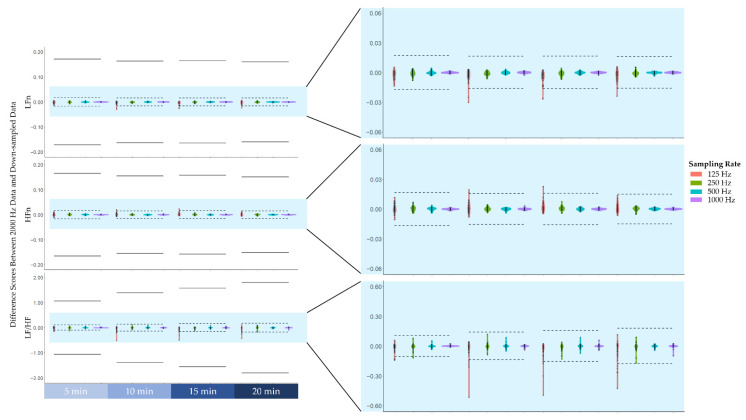
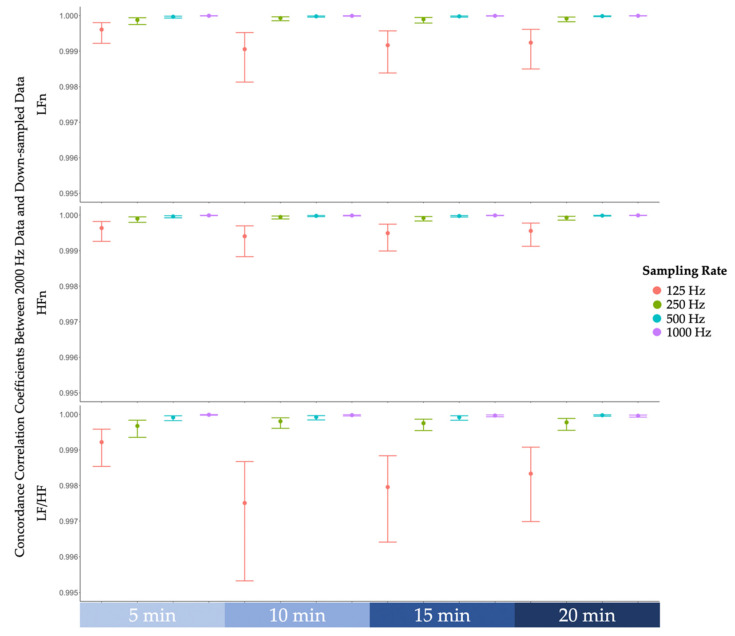
Cognitive fatigue is a mental state characterised by feelings of tiredness and impaired cognitive functioning due to sustained cognitive demands. Frequency-domain heart rate variability (HRV) features have been found to vary as a function of cognitive fatigue. However, it has yet to be determined whether HRV features derived from electrocardiogram data with a low sampling rate would remain sensitive to cognitive fatigue. Bridging this research gap is important as it has substantial implications for designing more energy-efficient and less memory-hungry wearables to monitor cognitive fatigue. This study aimed to examine (1) the level of agreement between frequency-domain HRV features derived from lower and higher sampling rates, and (2) whether frequency-domain HRV features derived from lower sampling rates could predict cognitive fatigue. Participants ( = 53) were put through a cognitively fatiguing 2-back task for 20 min whilst their electrocardiograms were recorded. Results revealed that frequency-domain HRV features derived from sampling rate as low as 125 Hz remained almost perfectly in agreement with features derived from the original sampling rate at 2000 Hz. Furthermore, frequency domain features, such as normalised low-frequency power, normalised high-frequency power, and the ratio of low- to high-frequency power varied as a function of increasing cognitive fatigue during the task across all sampling rates. In conclusion, it appears that sampling at 125 Hz is more than adequate for frequency-domain feature extraction to index cognitive fatigue. These findings have significant implications for the design of low-cost wearables for detecting cognitive fatigue.
认知疲劳是一种精神状态,其特征是由于持续的认知需求而导致疲劳感和认知功能受损。已经发现频域心率变异性(HRV)特征会随认知疲劳而变化。然而,尚不确定源自低采样率心电图数据的 HRV 特征是否仍然对认知疲劳敏感。弥合这一研究差距非常重要,因为它对设计更节能且对内存要求更低的可穿戴设备来监测认知疲劳具有重要意义。本研究旨在检验:(1)源自较低和较高采样率的频域 HRV 特征之间的一致性水平,以及(2)源自较低采样率的频域 HRV 特征是否可以预测认知疲劳。参与者(n=53)在 20 分钟内完成了一项认知疲劳的 2 回任务,同时记录了他们的心电图。结果表明,源自低至 125 Hz 的采样率的频域 HRV 特征与源自原始采样率 2000 Hz 的特征几乎完全一致。此外,在所有采样率下,随着任务中认知疲劳的增加,频域特征(如归一化低频功率、归一化高频功率和低频与高频功率比)均会发生变化。总之,看来以 125 Hz 进行采样足以用于提取频域特征来指示认知疲劳。这些发现对设计用于检测认知疲劳的低成本可穿戴设备具有重要意义。