Shakya Shubha, Herr Roger A, Carlson Haley L, Zoeller Raphael A, Albert Carolyn J, Ford David A
Center for Cardiovascular Research, Saint Louis University School of Medicine, St. Louis, MO 63104, USA.
Edward A. Doisy Department of Biochemistry and Molecular Biology, Saint Louis University School of Medicine, St. Louis, MO 63104, USA.
Antioxidants (Basel). 2022 May 10;11(5):940. doi: 10.3390/antiox11050940.
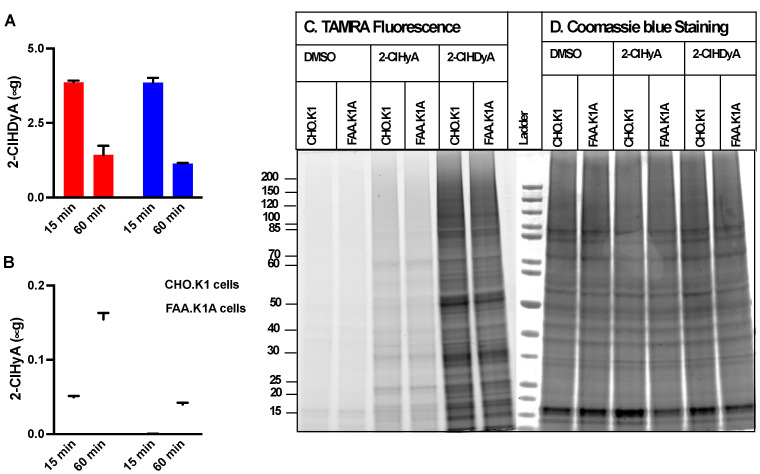
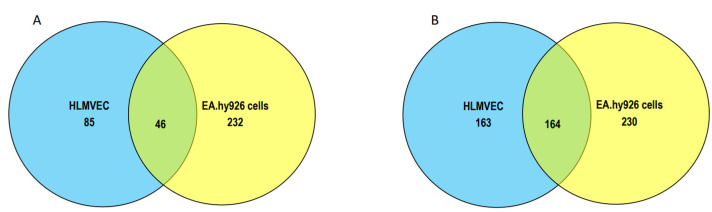
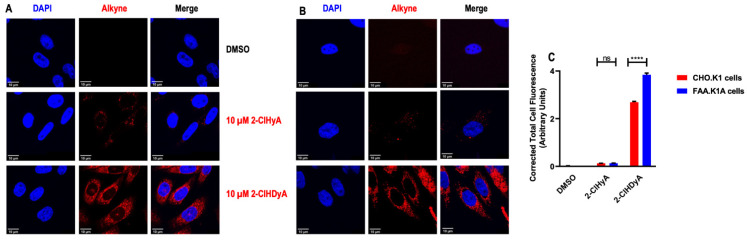
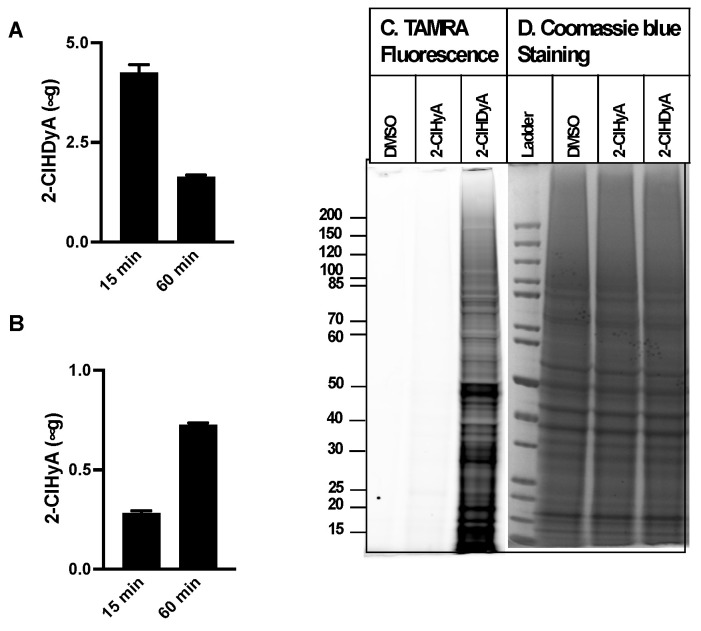
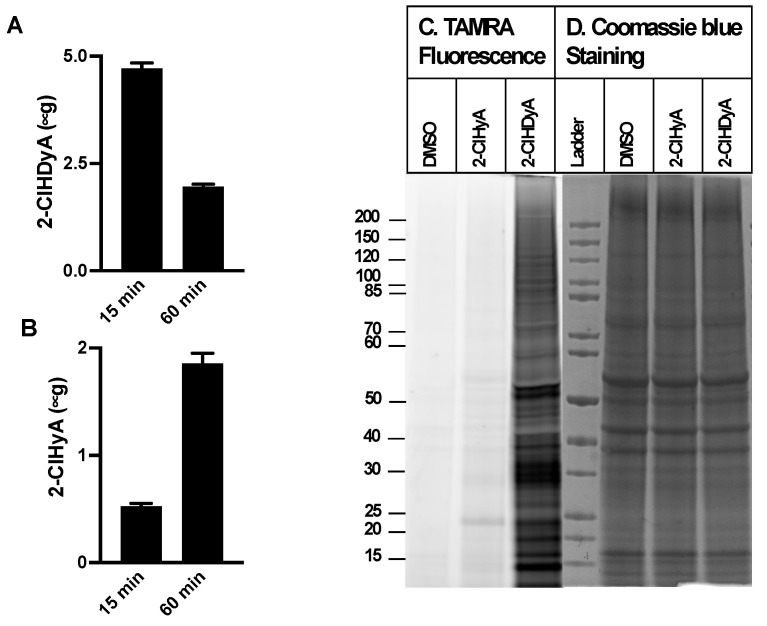
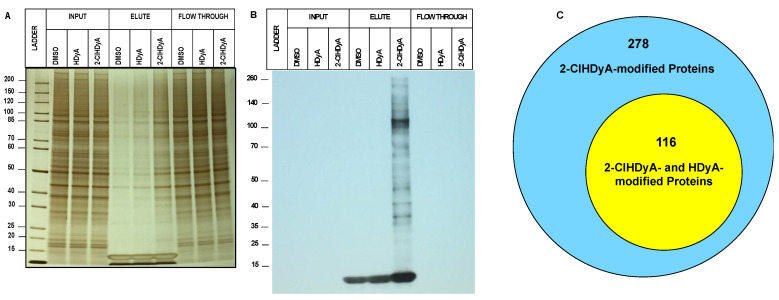
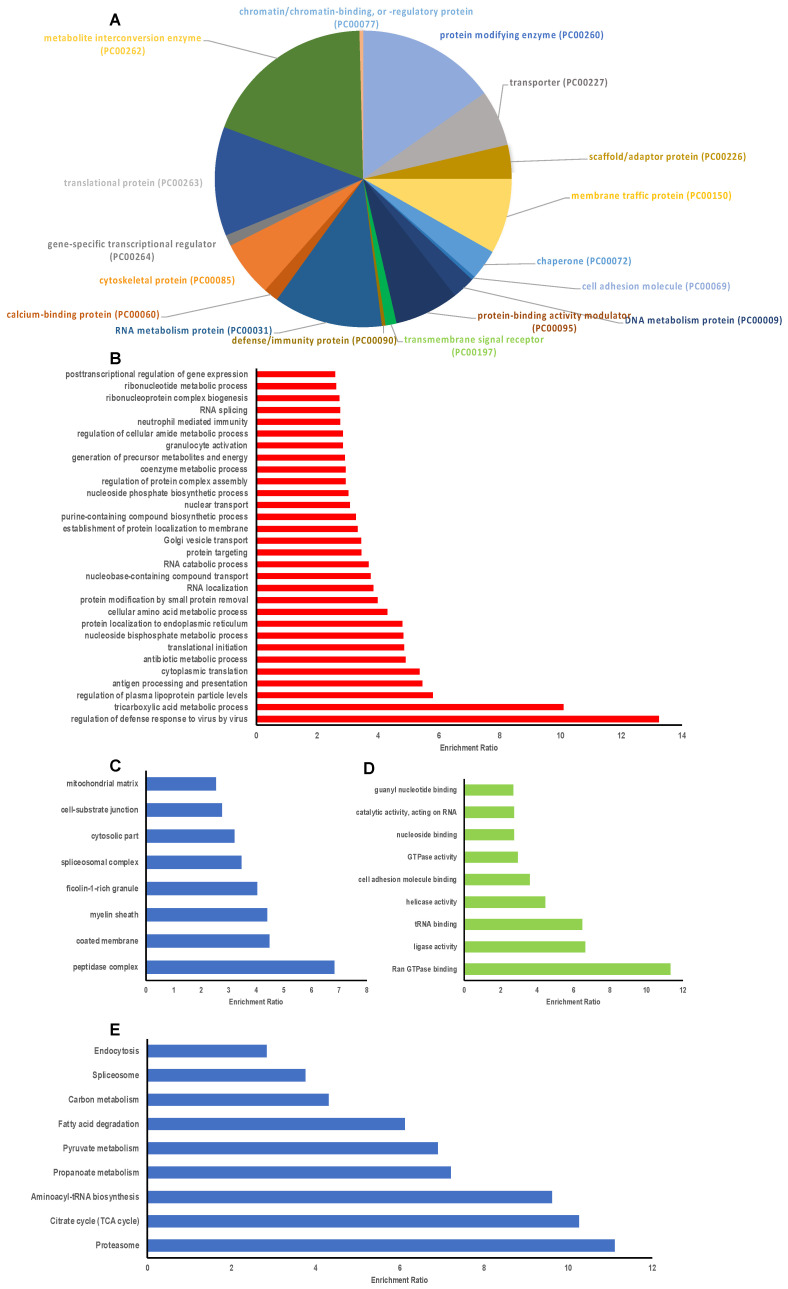
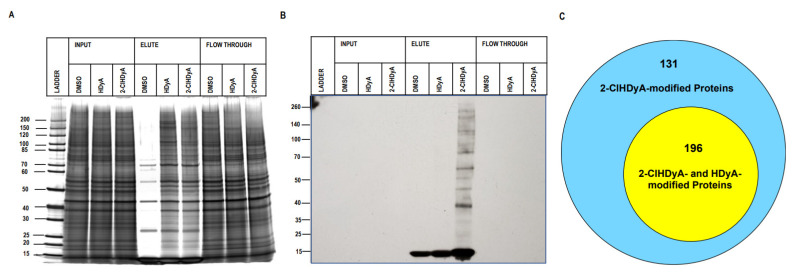
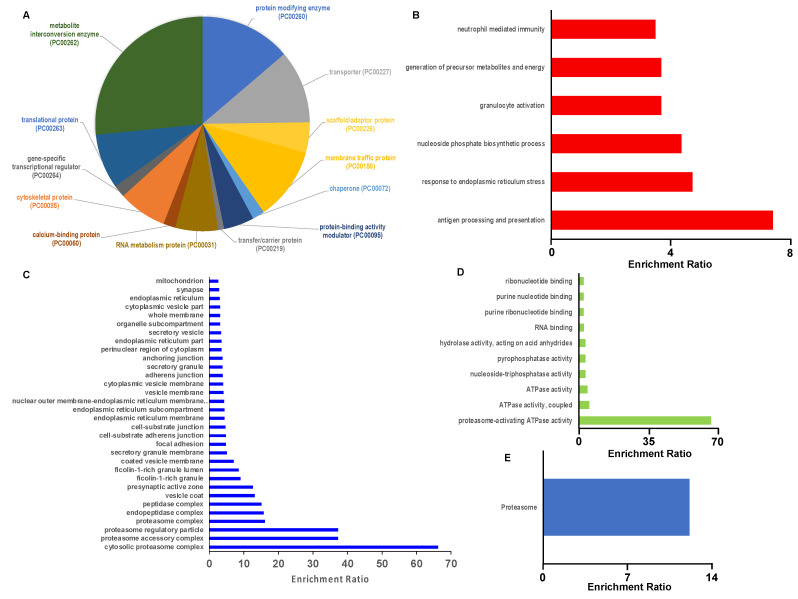
Neutrophils are important cellular mediators of injury and repair in diseases including ischemic heart disease, atherosclerosis, and sepsis. Myeloperoxidase-derived (MPO)-oxidants released from neutrophils are potential mediators of endothelial injury in disease. MPO-derived HOCl attacks plasmalogen phospholipid to liberate 2-chlorofatty aldehyde (2-ClFALD). Both 2-ClFALD and its oxidation product, 2-chlorofatty acid (2-ClFA), are electrophilic lipids, and both probably react with proteins through several mechanisms. In the present study, we investigate protein modification specifically by 2-ClFALD under non-reducing conditions (e.g., without stabilizing Schiff base bonds), which likely reflects nucleophilic targeting of the electrophilic chlorinated carbon. Protein modification by the ω-alkyne analog of 2-chlorohexadecanal (2-ClHDA), 2-ClHDyA, was compared to that with the ω-alkyne analog of 2-chlorohexadecanoic acid (2-ClHA), 2-ClHyA, in multiple cell lines, which demonstrated 2-ClFALD preferentially modifies proteins compared to 2-ClFA. The 2-ClHDyA modified proteins from EA.hy926 cells and human lung microvascular endothelial cells analyzed by shotgun proteomics and over-representation analysis included adherens junction, cell adhesion molecule binding, and cell substrate junction enrichment categories. It is possible that proteins in these groups may have roles in previously described 2-ClFALD-elicited endothelial barrier dysfunction.
中性粒细胞是包括缺血性心脏病、动脉粥样硬化和脓毒症在内的多种疾病中损伤和修复的重要细胞介质。中性粒细胞释放的髓过氧化物酶衍生(MPO)氧化剂是疾病中内皮损伤的潜在介质。MPO衍生的次氯酸攻击缩醛磷脂以释放2-氯脂肪醛(2-ClFALD)。2-ClFALD及其氧化产物2-氯脂肪酸(2-ClFA)都是亲电脂质,两者可能都通过多种机制与蛋白质发生反应。在本研究中,我们研究了在非还原条件下(例如,不稳定席夫碱键)2-ClFALD对蛋白质的特异性修饰,这可能反映了亲电氯化碳的亲核靶向作用。在多种细胞系中,将2-氯十六醛(2-ClHDA)的ω-炔烃类似物2-ClHDyA对蛋白质的修饰与2-氯十六烷酸(2-ClHA)的ω-炔烃类似物2-ClHyA对蛋白质的修饰进行了比较,结果表明与2-ClFA相比,2-ClFALD优先修饰蛋白质。通过鸟枪法蛋白质组学和过度表达分析对EA.hy926细胞和人肺微血管内皮细胞中2-ClHDyA修饰的蛋白质进行分析,结果显示富集的类别包括黏着连接、细胞黏附分子结合和细胞-基质连接。这些组中的蛋白质可能在先前描述的2-ClFALD引起的内皮屏障功能障碍中发挥作用。