Zheng Jin, Mao Xueyu, Wang Delong, Xia Shiliang
Department of Neurology, Tongde Hospital of Zhejiang Province, Hangzhou 310012, China.
Department of Neurology, Minhang Hospital, Fudan University, Shanghai 201199, China.
Brain Sci. 2022 May 11;12(5):631. doi: 10.3390/brainsci12050631.
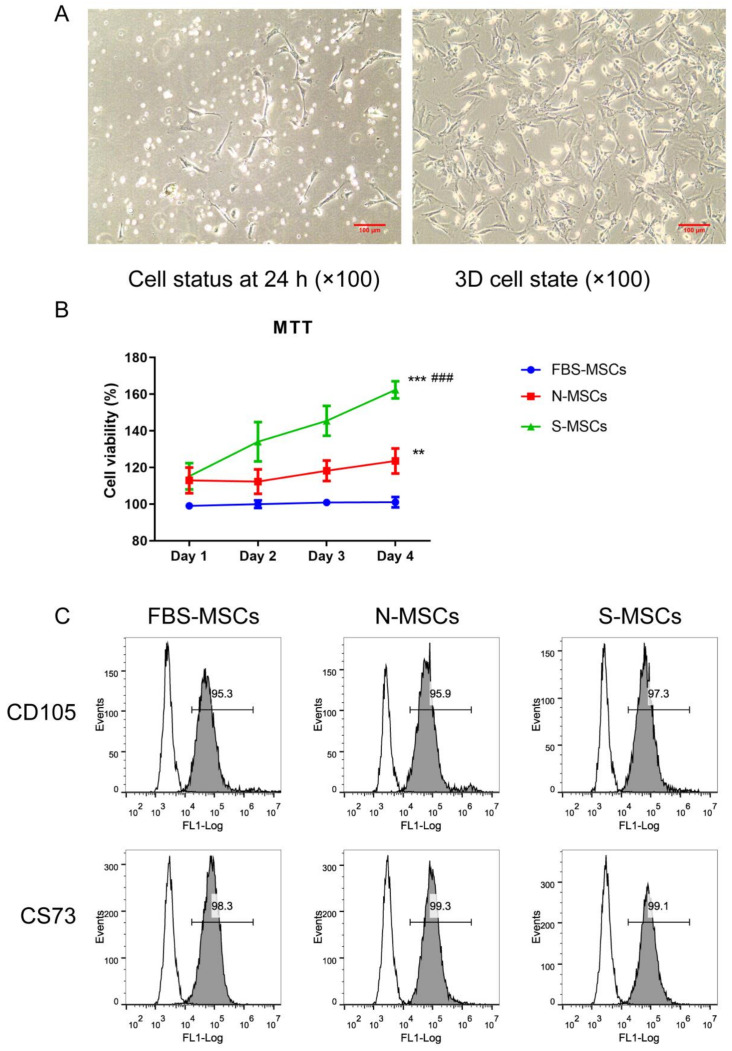
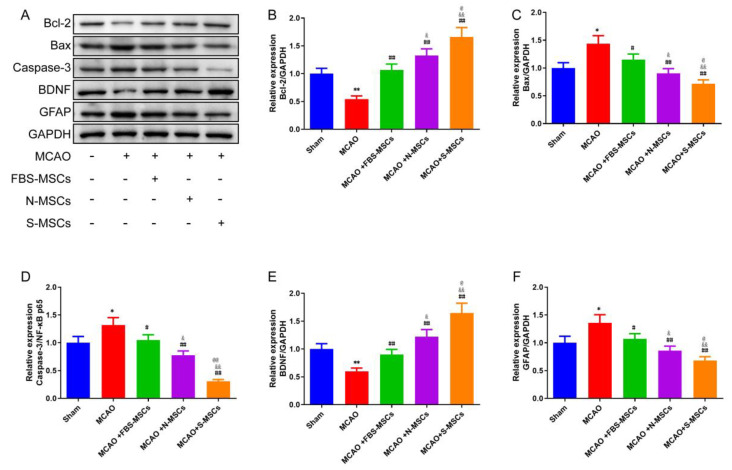
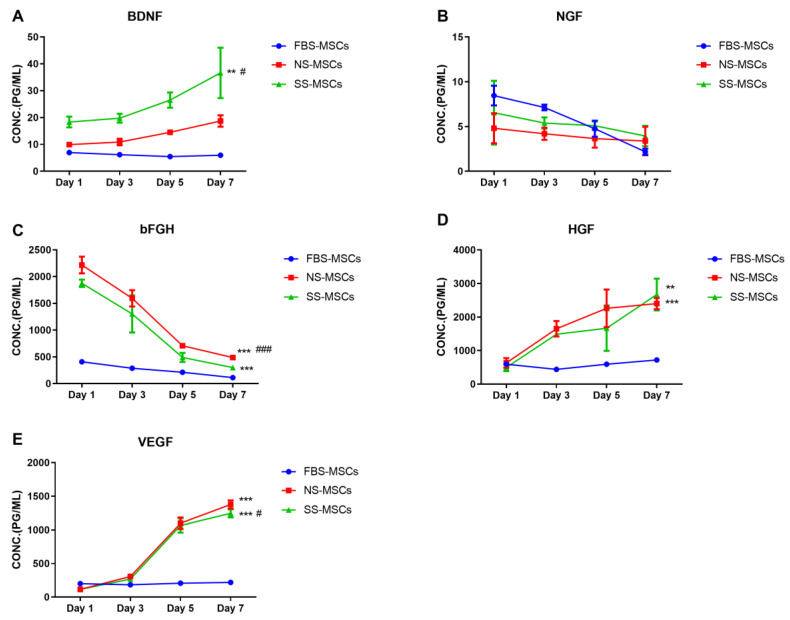
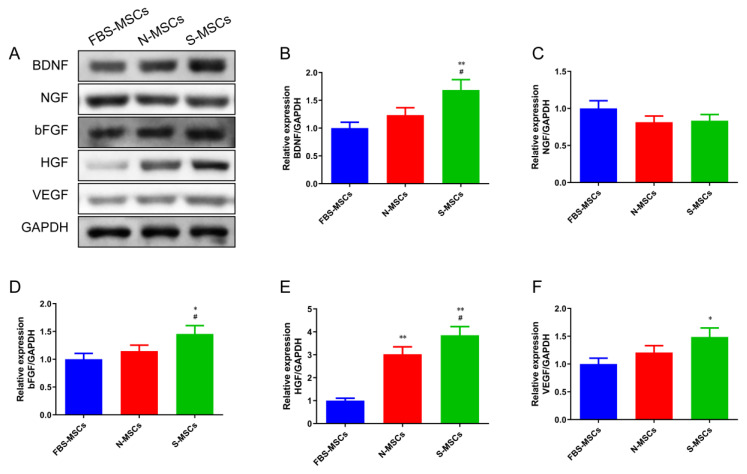
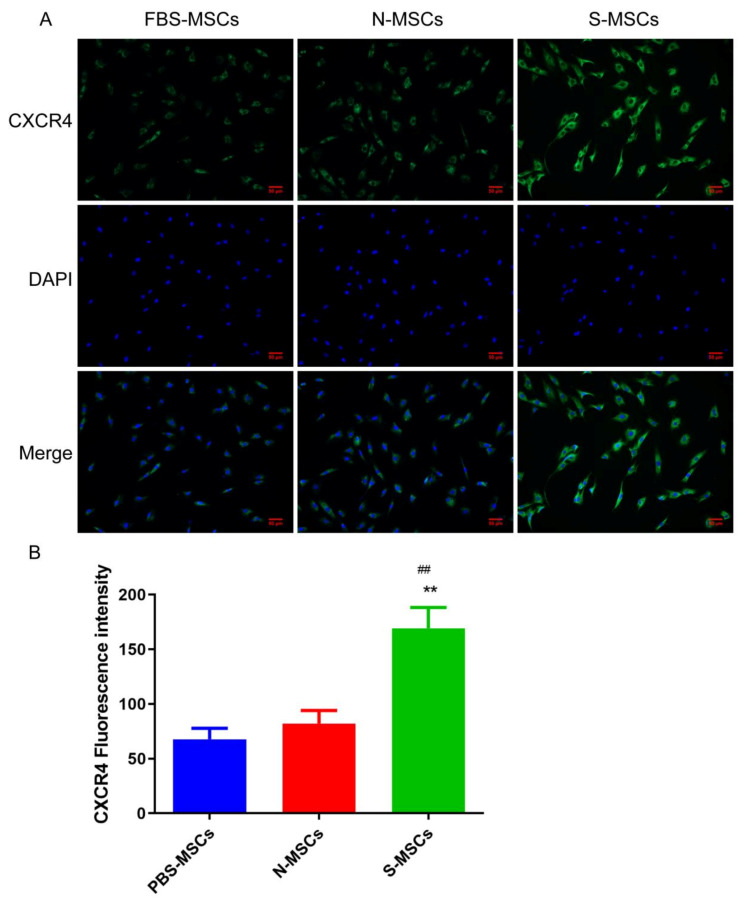
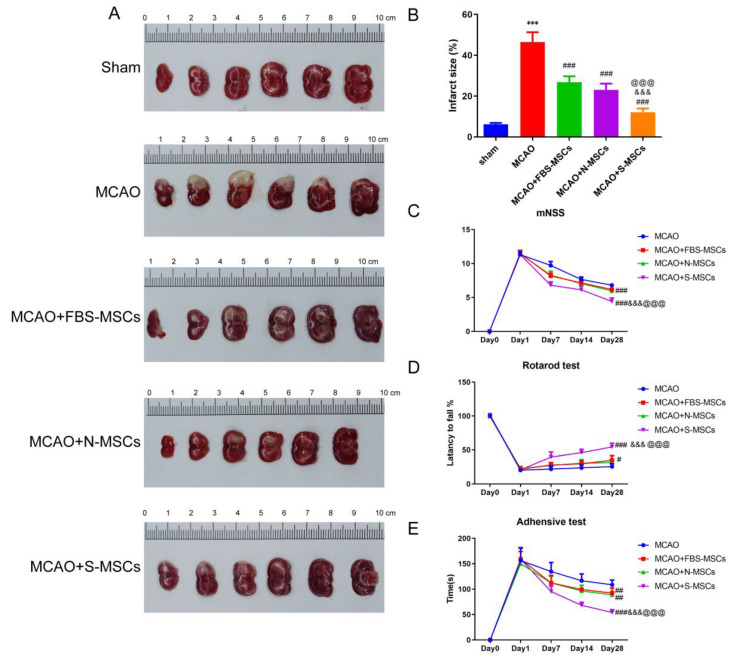
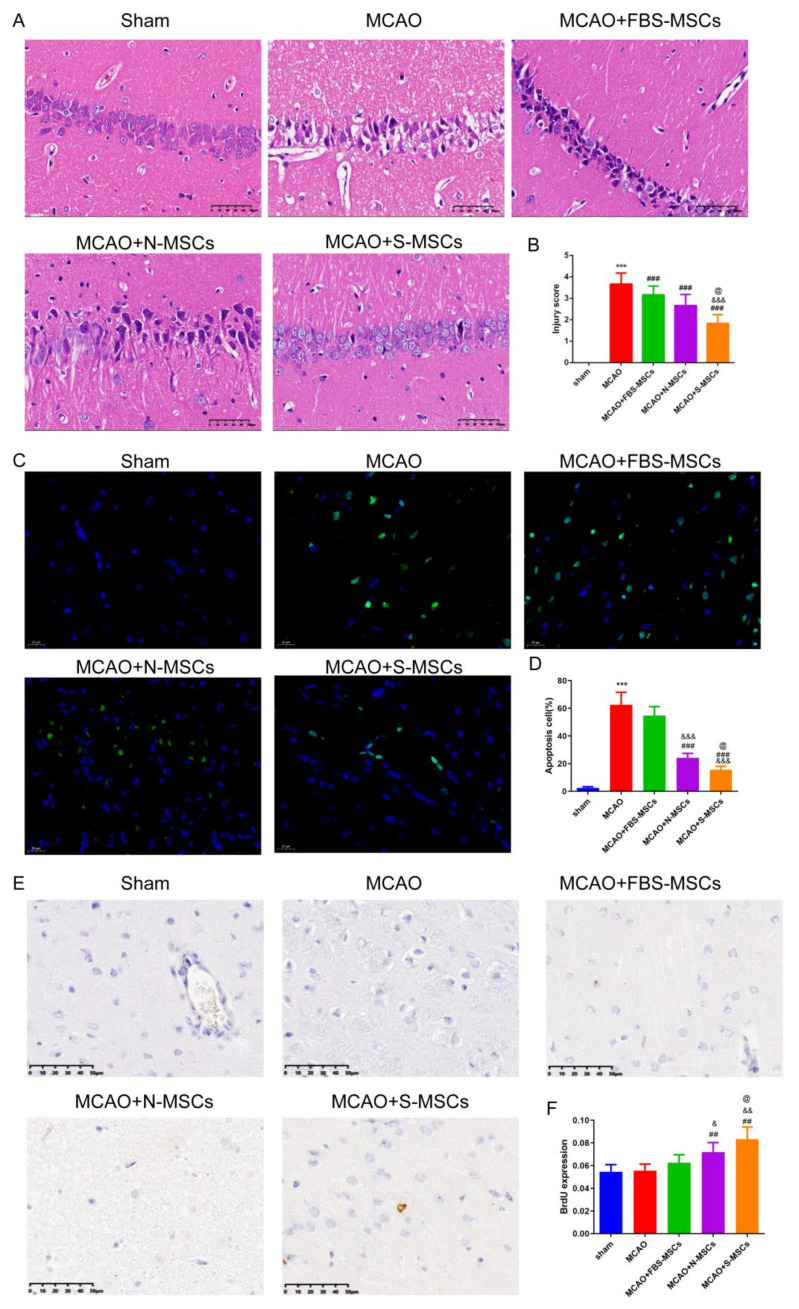
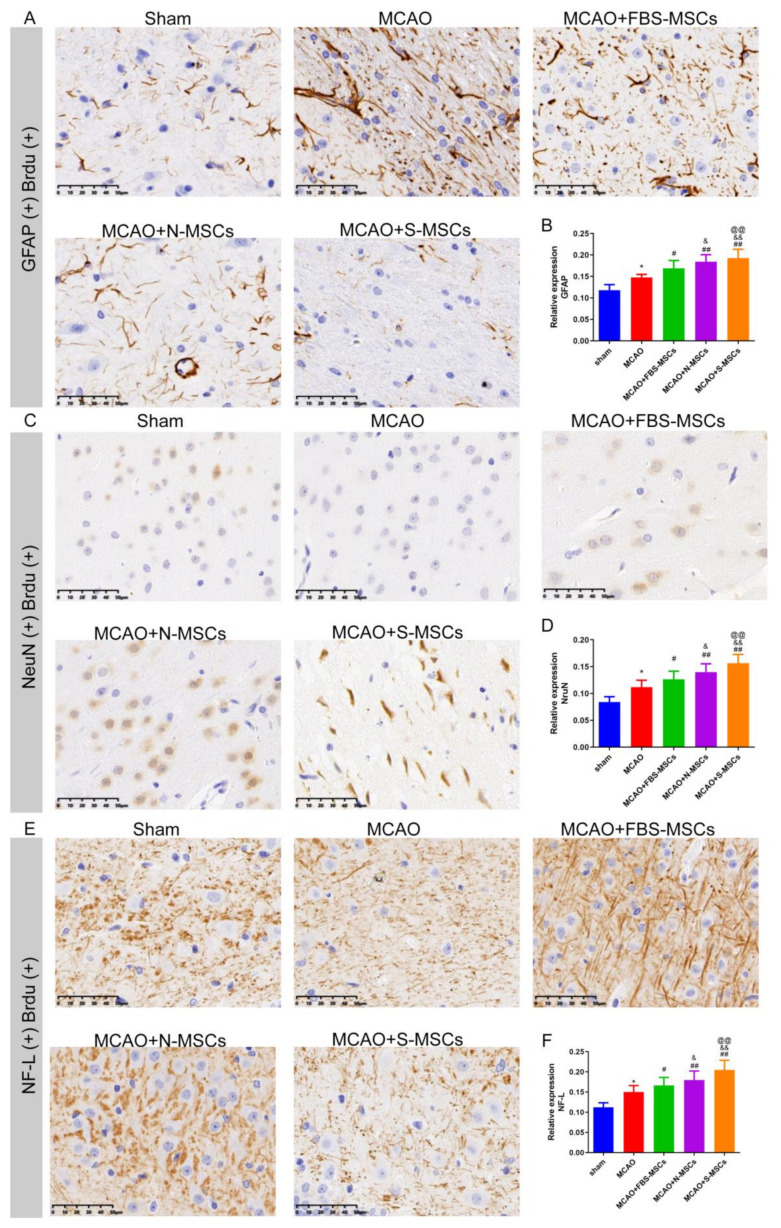
Mesenchymal stem cells (MSCs) have great application prospects in the treatment of ischemic injury. However, their long-time cultivation before transplantation and poor survival after transplantation greatly limit the therapeutic effect and applications. This study aimed to investigate whether MSCs under the ischemic microenvironment could improve their survival and better alleviate cerebral ischemic injury. Firstly, we used ischemic brain tissue to culture MSCs and evaluated the functional changes of MSCs. Then a middle cerebral artery occlusion (MCAO) model was induced in rats, and the pretreated MSCs were injected via the tail vein. The adhesive removal test, rotarod test, modified neurological severity score, and pathological analyses were applied to assess the rats' neurological function. Then the expression of neuron and apoptosis related markers was detected. The results indicated that ischemic brain tissue pretreated MSCs promoted the proliferation and the release of the growth factors of MSCs. Meanwhile, in MCAO model rats, transplantation of pretreated MSCs enhanced the neurogenesis, attenuated behavioral changes, reduced infarct size, and inhibited apoptosis. The expression of B-cell lymphoma-2 (Bcl-2), brain-derived neurotrophic factor (BDNF), glial fibrillary acidic protein (GFAP), NF-L, and NeuN were increased, while BCL2-Associated X (Bax) and Caspase-3 decreased. Our results suggest that MSCs pretreatment with stroke brain tissue could be an effective strategy in treating cerebral ischemic injury.
间充质干细胞(MSCs)在缺血性损伤治疗中具有广阔的应用前景。然而,它们在移植前需要长时间培养,且移植后存活率低,这极大地限制了其治疗效果和应用。本研究旨在探讨在缺血微环境下的间充质干细胞是否能提高其存活率并更好地减轻脑缺血损伤。首先,我们用缺血脑组织培养间充质干细胞并评估其功能变化。然后在大鼠中诱导大脑中动脉闭塞(MCAO)模型,并通过尾静脉注射预处理的间充质干细胞。采用黏附去除试验、转棒试验、改良神经功能缺损评分和病理分析来评估大鼠的神经功能。然后检测神经元和凋亡相关标志物的表达。结果表明,经缺血脑组织预处理的间充质干细胞促进了间充质干细胞的增殖和生长因子的释放。同时,在MCAO模型大鼠中,移植预处理的间充质干细胞可增强神经发生、减轻行为变化、减小梗死面积并抑制细胞凋亡。B细胞淋巴瘤-2(Bcl-2)、脑源性神经营养因子(BDNF)、胶质纤维酸性蛋白(GFAP)、神经丝轻链(NF-L)和神经元核抗原(NeuN)的表达增加,而BCL2相关X蛋白(Bax)和半胱天冬酶-3(Caspase-3)减少。我们的结果表明,用中风脑组织预处理间充质干细胞可能是治疗脑缺血损伤的有效策略。