Gulzar Saqib, Balange Amjad K, Nagarajarao Ravishankar Chandragiri, Zhao Qiancheng, Benjakul Soottawat
International Center of Excellence in Seafood Science and Innovation, Faculty of Agro-Industry, Prince of Songkla University, Songkhla 90110, Thailand.
QC Laboratory, Post-Harvest Technology, ICAR-Central Institute of Fisheries Education, Mumbai 400061, India.
Foods. 2022 May 16;11(10):1431. doi: 10.3390/foods11101431.
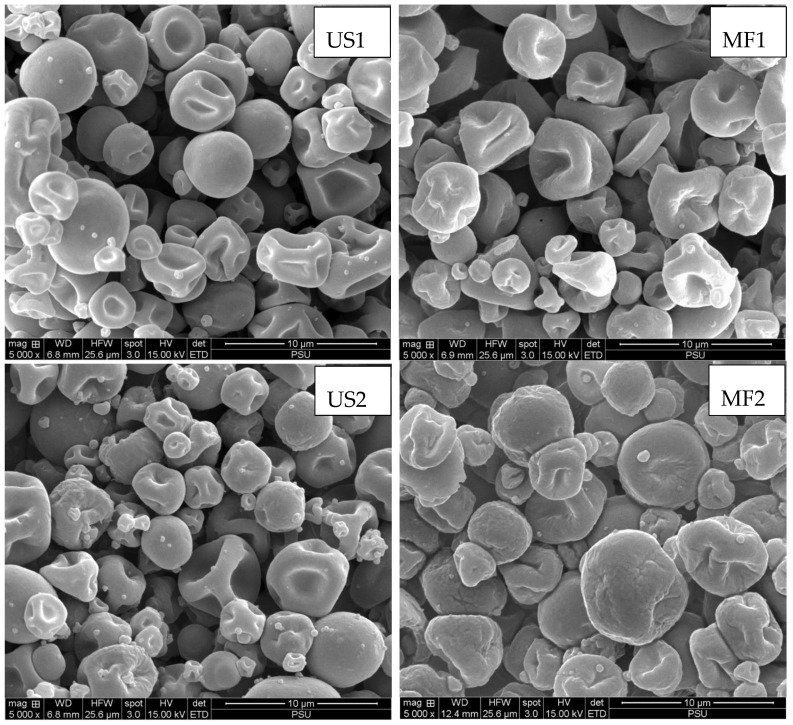
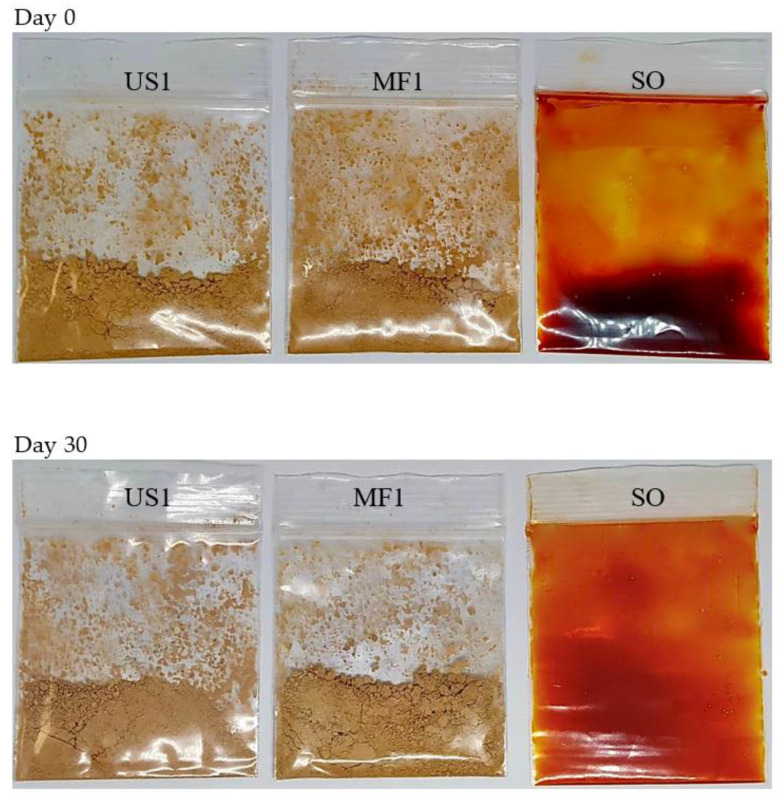
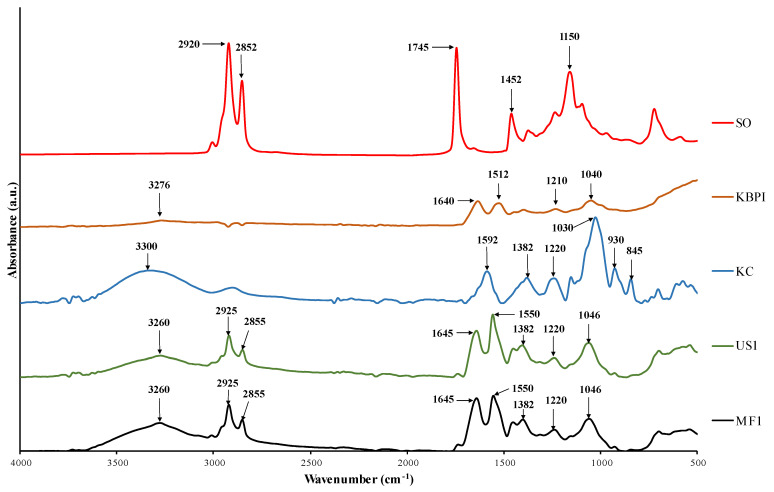
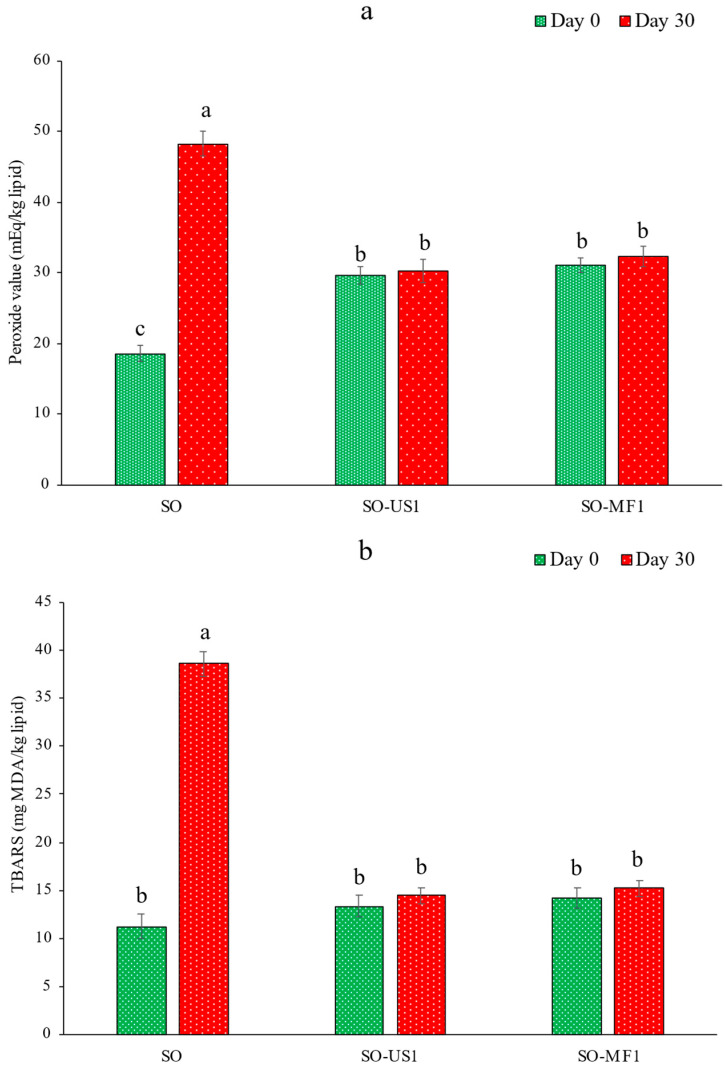
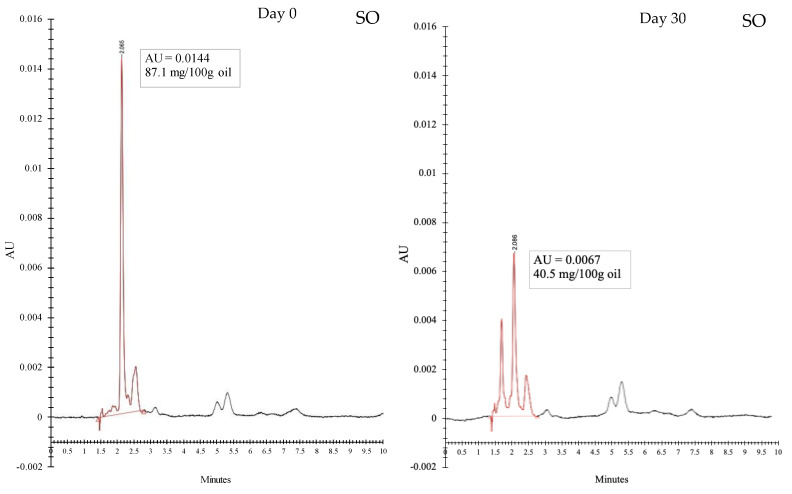
Emulsions containing shrimp oil (SO) at varying amounts were prepared in the presence of red kidney bean protein isolate (KBPI) and κ-carrageenan (KC) at a ratio of 1:0.1 (/). The emulsions were subjected to ultrasonication and high-pressure microfluidization to assist the encapsulation process. For each sample, ultrasonication was carried out for 15 min in continuous mode at 80% amplitude, whereas high-pressure microfluidization was operated at 7000 psi for 10 min. Ultrasonicated and microfluidized emulsions were finally spray-dried to prepare KBPI-KC-SO microcapsules. Moderate to high encapsulation efficiency (EE) ranging from 43.99 to 89.25% of SO in KPBI-KC-SO microcapsules was obtained and the microcapsules had good flowability. Particle size, PDI and zeta potential of KBPI-KC-SO microcapsules were 2.58-6.41 µm, 0.32-0.40 and -35.95--58.77 mV, respectively. Scanning electron microscopic (SEM) images visually demonstrated that the wall material/SO ratio and the emulsification method (ultrasonication vs microfluidization) had an impact on the size, shape and surface of the KBPI-KC-SO microcapsules. Encapsulation of SO in microcapsules was validated empirically using Fourier transform infrared (FTIR) analysis. Encapsulation of SO in KBPI-KC microcapsules imparted superior protection against oxidative deterioration of SO as witnessed by the higher retention of polyunsaturated fatty acids (PUFAs) and astaxanthin when compared to unencapsulated SO during extended storage at room temperature.
在红芸豆分离蛋白(KBPI)和κ-卡拉胶(KC)以1:0.1(/)的比例存在的情况下,制备了含有不同量虾油(SO)的乳液。对乳液进行超声处理和高压微流化处理以辅助包封过程。对于每个样品,超声处理在连续模式下以80%的振幅进行15分钟,而高压微流化处理在7000 psi下操作10分钟。最终对经过超声处理和微流化处理的乳液进行喷雾干燥,以制备KBPI-KC-SO微胶囊。在KBPI-KC-SO微胶囊中获得了43.99%至89.25%的中等到高的包封效率(EE),并且微胶囊具有良好的流动性。KBPI-KC-SO微胶囊的粒径、多分散指数(PDI)和zeta电位分别为2.58 - 6.41 µm、0.32 - 0.40和 - 35.95至 - 58.77 mV。扫描电子显微镜(SEM)图像直观地表明,壁材/SO比例和乳化方法(超声处理与微流化处理)对KBPI-KC-SO微胶囊的尺寸、形状和表面有影响。使用傅里叶变换红外(FTIR)分析从经验上验证了SO在微胶囊中的包封情况。与室温下长期储存时未包封的SO相比,KBPI-KC微胶囊中SO的包封对SO的氧化劣化具有更好的保护作用,这一点通过多不饱和脂肪酸(PUFA)和虾青素的更高保留率得到证明。