Barbhuiya Salim, Pang Edmund
Department of Engineering and Construction, University of East London, London E16 2RD, UK.
School of Civil and Mechanical Engineering, Curtin University Australia, Perth 6845, Australia.
Materials (Basel). 2022 May 23;15(10):3732. doi: 10.3390/ma15103732.
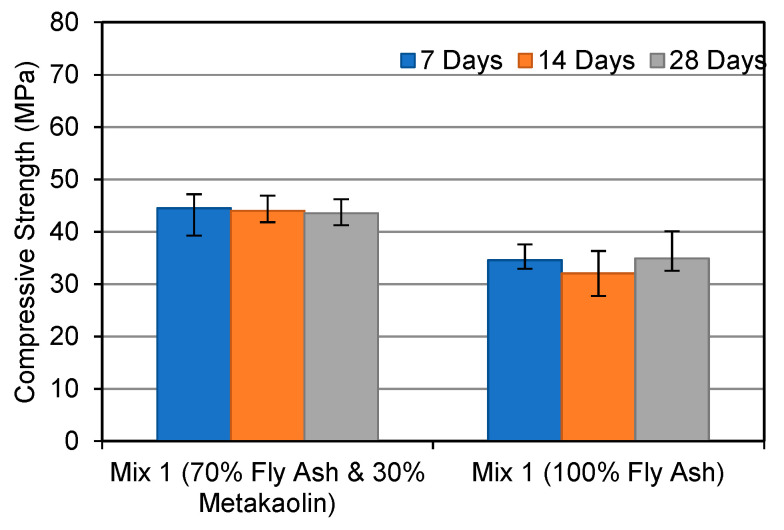
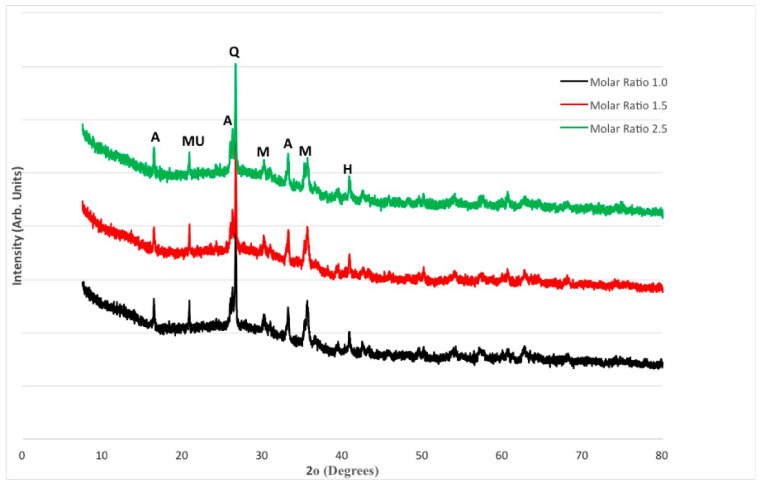
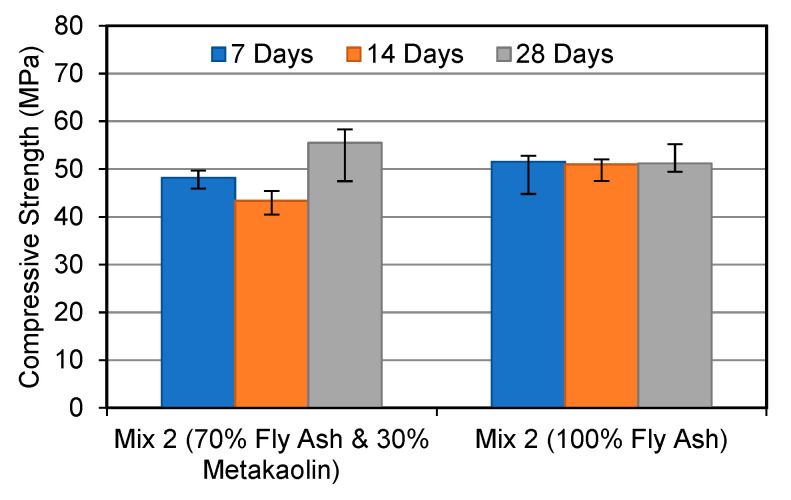
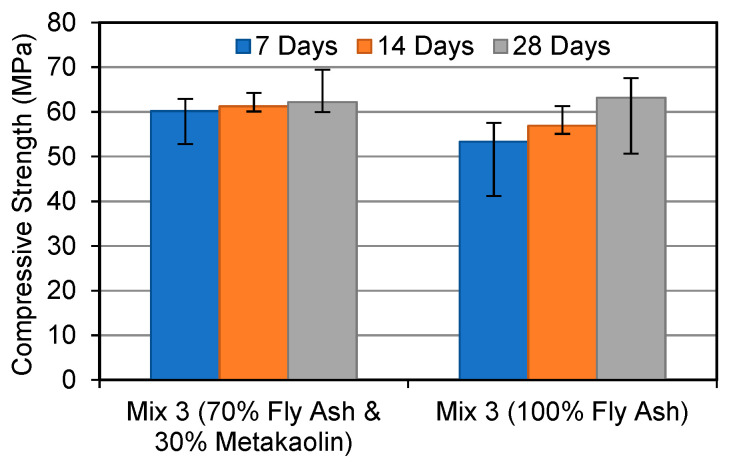
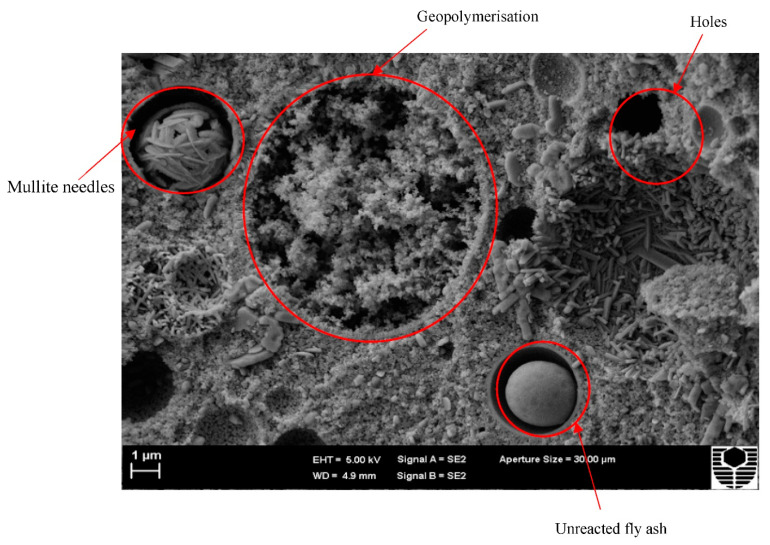
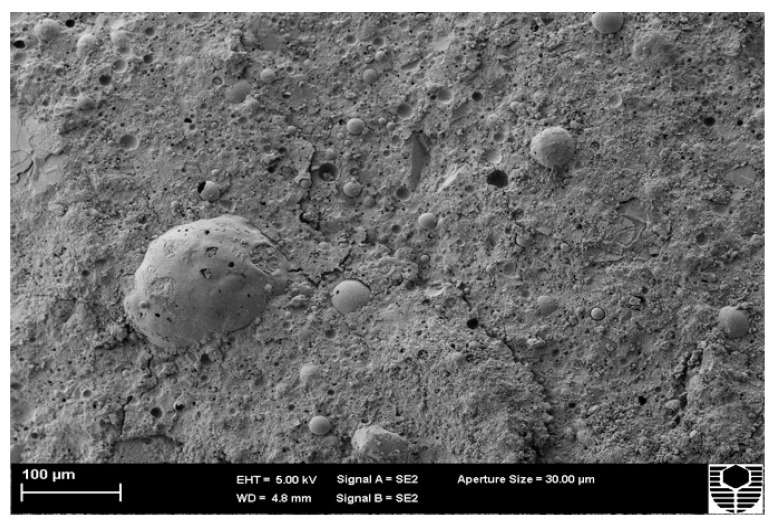
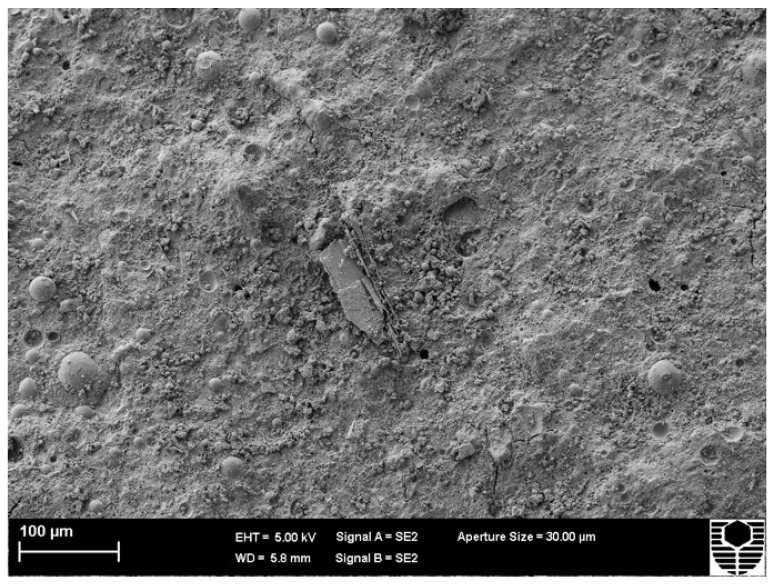
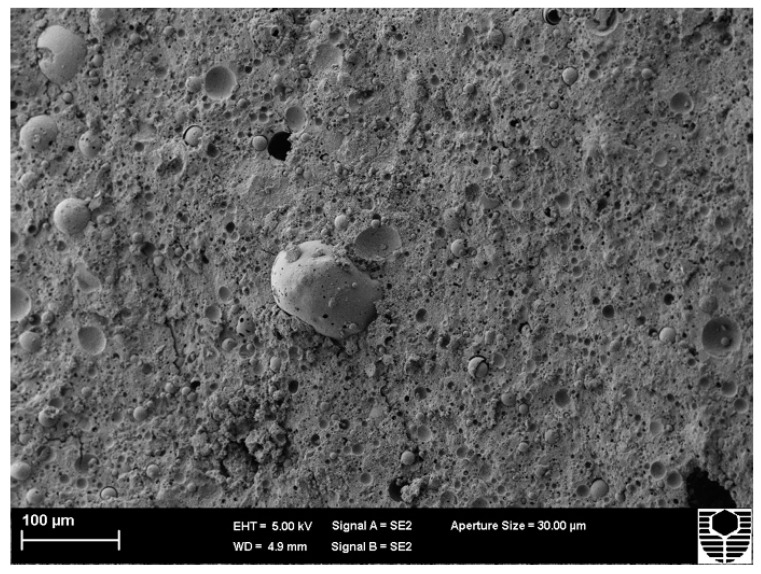
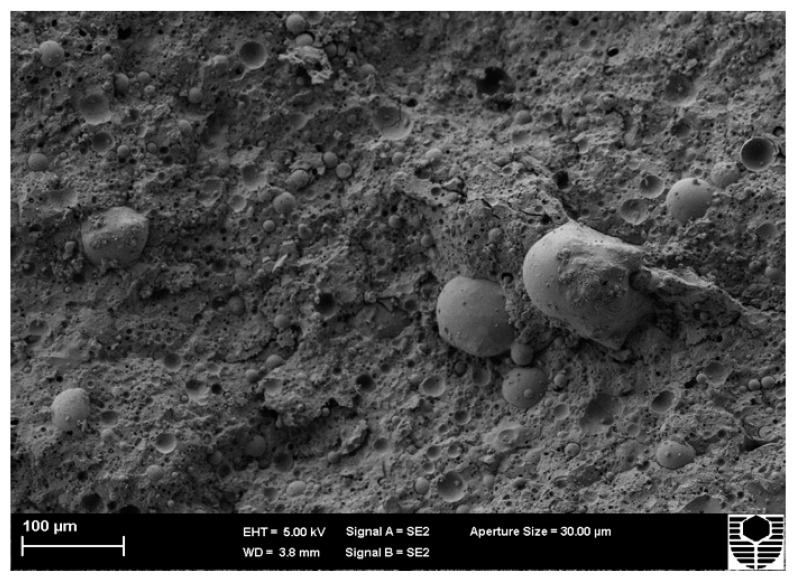
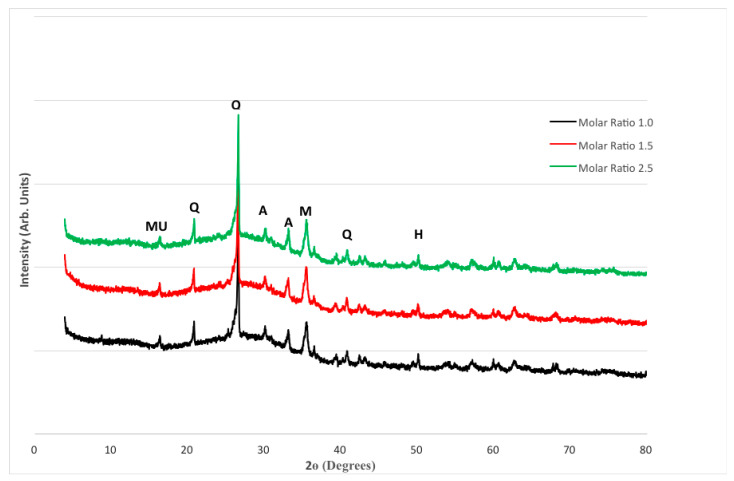
The production of Portland cement is widely regarded as a major source of greenhouse gas emissions. This contributes to 6-7% of total CO emissions, according to the International Energy Agency. As a result, several efforts have been made in recent decades to limit or eliminate the usage of Portland cement in concrete. Geopolymer has garnered a lot of attention among the numerous alternatives due to its early compressive strength, low permeability, high chemical resistance, and great fire-resistant behaviour. This study looks at the strength and microstructure of geopolymer based on fly ash and a combination of metakaolin and fly ash. Compressive strengths were measured at 7, 14, and 28 days, and microstructure was examined using SEM and XRD.
波特兰水泥的生产被广泛认为是温室气体排放的主要来源。根据国际能源署的数据,这占二氧化碳总排放量的6-7%。因此,近几十年来人们做出了多项努力来限制或消除波特兰水泥在混凝土中的使用。地质聚合物因其早期抗压强度、低渗透性、高耐化学性和出色的耐火性能,在众多替代材料中备受关注。本研究考察了基于粉煤灰以及偏高岭土与粉煤灰混合物的地质聚合物的强度和微观结构。在7天、14天和28天时测量抗压强度,并使用扫描电子显微镜(SEM)和X射线衍射仪(XRD)检查微观结构。