Siddique Tawsif, Balu Rajkamal, Mata Jitendra, Dutta Naba K, Roy Choudhury Namita
Chemical and Environmental Engineering, School of Engineering, RMIT University, Melbourne, VIC 3000, Australia.
Australian Centre for Neutron Scattering (ACNS), Australian Nuclear Science and Technology Organisation (ANSTO), Lucas Heights, NSW 2232, Australia.
Polymers (Basel). 2022 May 12;14(10):1980. doi: 10.3390/polym14101980.
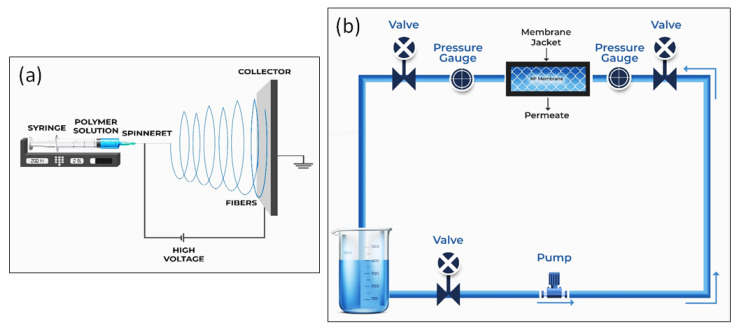
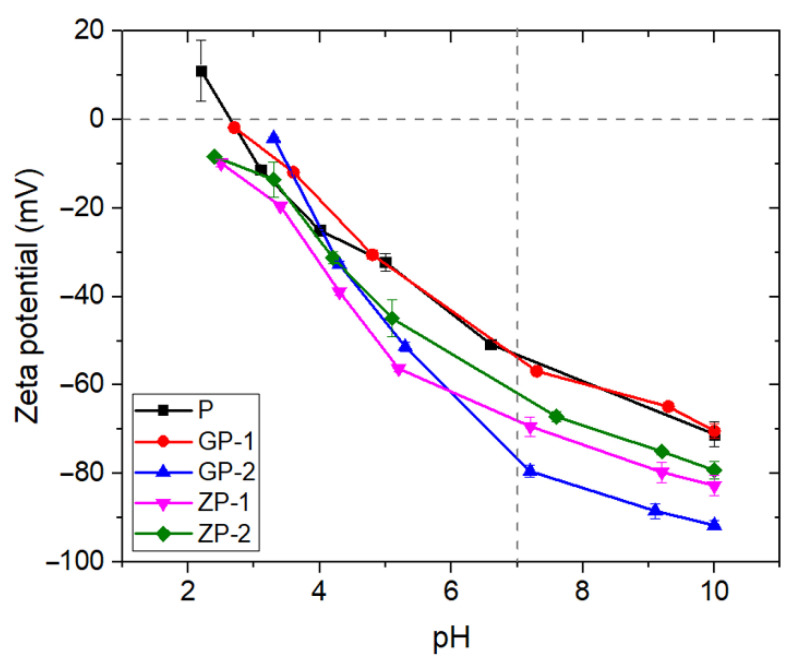
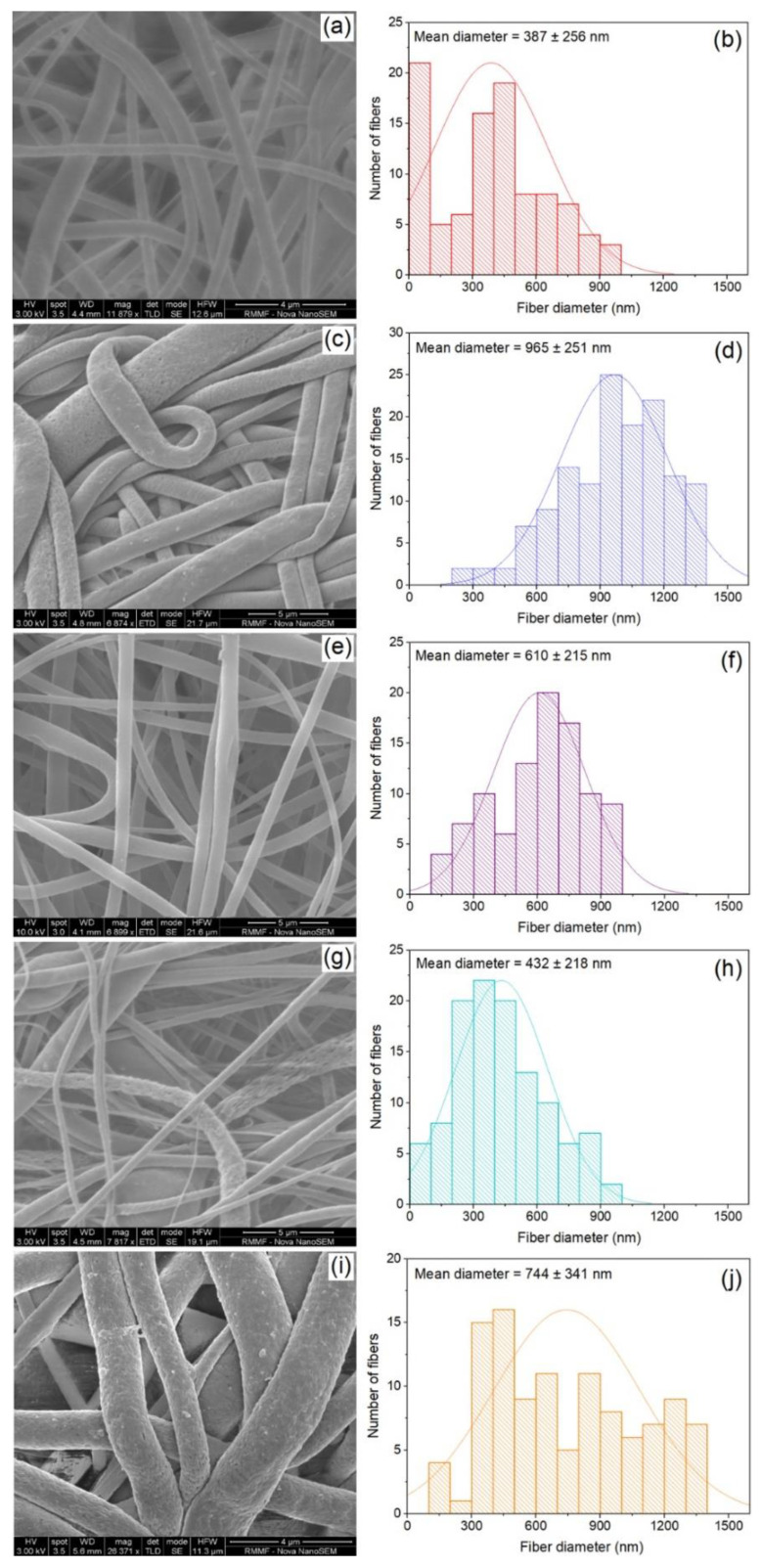
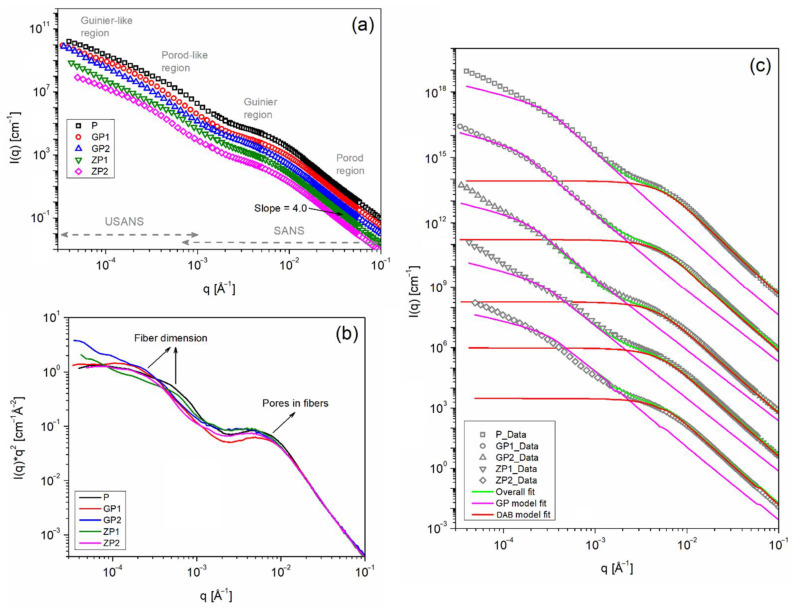
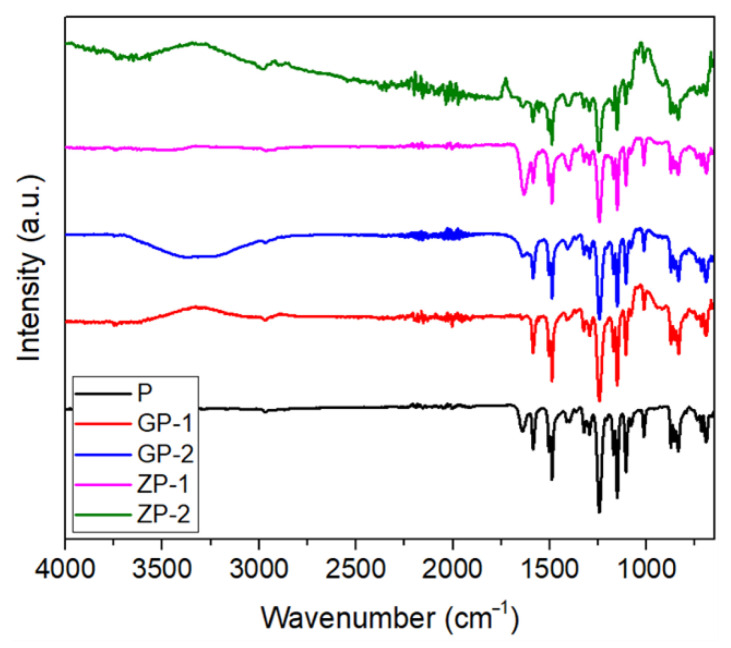
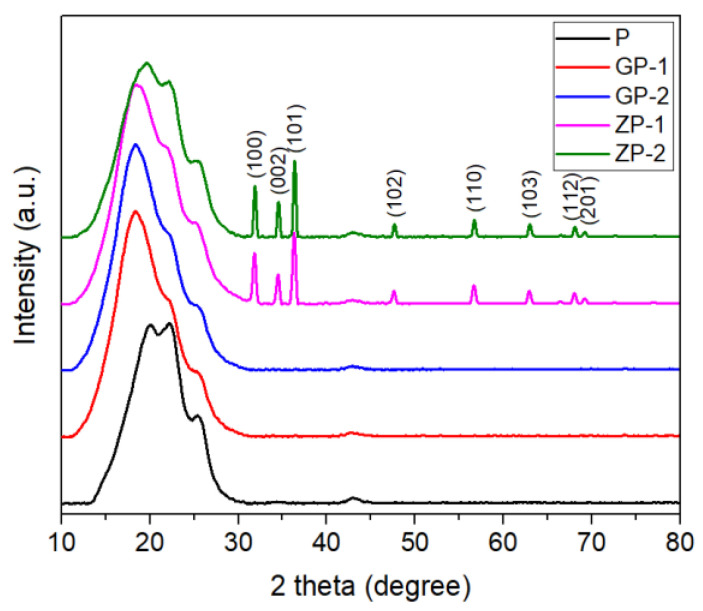
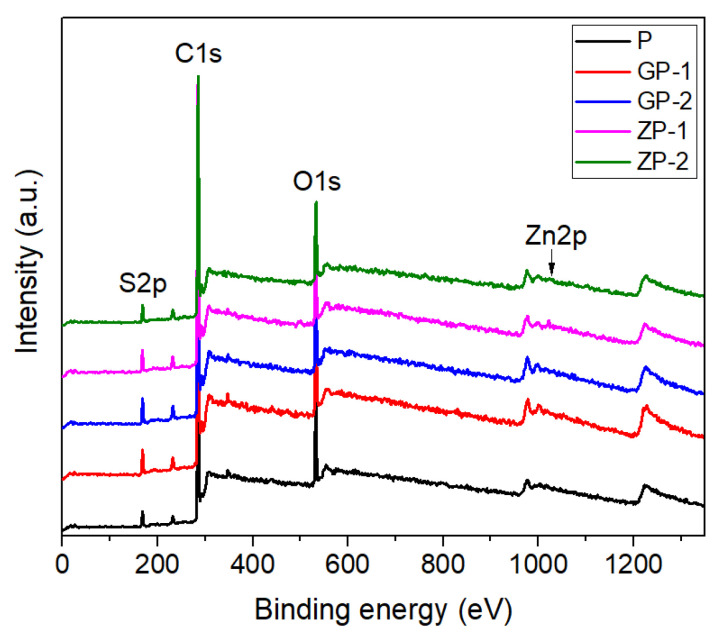
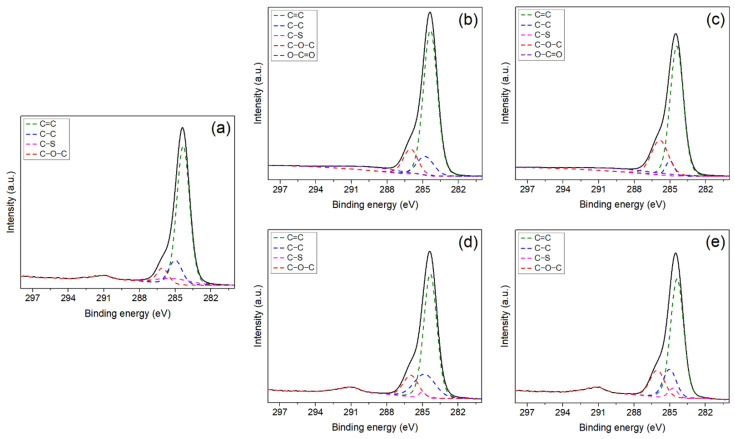
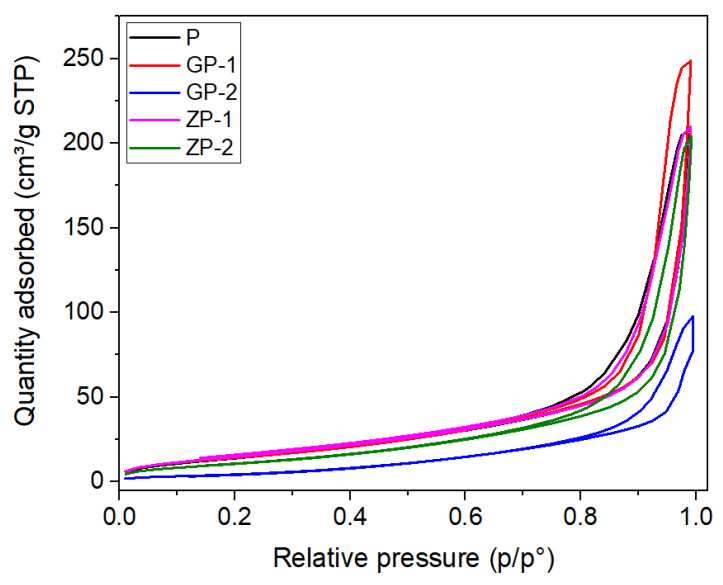
In recent years, significant attention has been paid towards the study and application of mixed matrix nanofibrous membranes for water treatment. The focus of this study is to develop and characterize functional polysulfone (PSf)-based composite nanofiltration (NF) membranes comprising two different oxides, such as graphene oxide (GO) and zinc oxide (ZnO) for arsenic removal from water. PSf/GO- and PSf/ZnO-mixed matrix NF membranes were fabricated using the electrospinning technique, and subsequently examined for their physicochemical properties and evaluated for their performance for arsenite-As(III) and arsenate-As(V) rejection. The effect of GO and ZnO on the morphology, hierarchical structure, and hydrophilicity of fabricated membranes was studied using a scanning electron microscope (SEM), small and ultra-small angle neutron scattering (USANS and SANS), contact angle, zeta potential, and BET (Brunauer, Emmett and Teller) surface area analysis. Fourier transform infrared spectroscopy (FTIR), X-ray diffraction (XRD), and X-ray photoelectron spectroscopy (XPS) were used to study the elemental compositions and polymer-oxide interaction in the membranes. The incorporation of GO and ZnO in PSf matrix reduced the fiber diameter but increased the porosity, hydrophilicity, and surface negative charge of the membranes. Among five membrane systems, PSf with 1% ZnO has the highest water permeability of 13, 13 and 11 L h m bar for pure water, As(III), and As(V)-contaminated water, respectively. The composite NF membranes of PSf and ZnO exhibited enhanced (more than twice) arsenite removal (at 5 bar pressure) of 71% as compared to pristine PSf membranes, at 43%, whereas both membranes showed only a 27% removal for arsenate.
近年来,混合基质纳米纤维膜在水处理方面的研究和应用受到了广泛关注。本研究的重点是开发和表征基于功能性聚砜(PSf)的复合纳滤(NF)膜,该膜包含两种不同的氧化物,如氧化石墨烯(GO)和氧化锌(ZnO),用于去除水中的砷。采用静电纺丝技术制备了PSf/GO和PSf/ZnO混合基质NF膜,随后对其理化性质进行了检测,并评估了它们对亚砷酸盐-As(III)和砷酸盐-As(V)的截留性能。利用扫描电子显微镜(SEM)、小角和超小角中子散射(USANS和SANS)、接触角、zeta电位和BET(布鲁瑙尔、埃米特和泰勒)表面积分析,研究了GO和ZnO对制备膜的形态、层次结构和亲水性的影响。采用傅里叶变换红外光谱(FTIR)、X射线衍射(XRD)和X射线光电子能谱(XPS)研究了膜中的元素组成和聚合物-氧化物相互作用。GO和ZnO掺入PSf基质中降低了纤维直径,但增加了膜的孔隙率、亲水性和表面负电荷。在五个膜系统中,含1%ZnO的PSf对纯水、As(III)和As(V)污染水的水渗透率分别最高,为13、13和11 L h m bar。与原始PSf膜相比,PSf和ZnO的复合NF膜在5 bar压力下对亚砷酸盐的去除率提高了(超过两倍),达到71%,而原始PSf膜的去除率为43%,而两种膜对砷酸盐的去除率均仅为27%。